Tag: Andrzej Panufnik

  • Andrzej Panufnik Polish Giant of Music

    Andrzej Panufnik Polish Giant of Music

    Andrzej Panufnik is the sleeping giant of Polish music. He’s one of those figures, like Bohuslav Martinu, who always seems perched on the verge of greatness, and yet never quite achieves the full degree of recognition he deserves.

    To begin with, his particular brand of modernism was eclipsed by the avant-garde experiments of his compatriot and friend, Witold Lutoslawski. Panufnik’s relationship with Lutoslawski dated back to the war years. During the Nazi occupation, the two formed a piano duo which played in Warsaw cafes – at the time the only way to share live music in public, since there was a ban on organized gatherings.

    In the meantime, Panufnik quietly produced subversive works celebrating Polish heroism and the resistance. Following the war, he was instrumental in the re-establishment of the Warsaw Philharmonic. However, increasing friction with Poland’s communist regime led to the composer’s defection, under hair-raising circumstances, in 1954. He was granted asylum in England, where he received a knighthood in 1991, the year of his death.

    This Sunday night on “The Lost Chord,” we’ll pay tribute to Panufnik with two of his ten symphonies, both of them markedly Polish in character.

    His “Sinfonia Rustica” (1948, revised in 1955), as the title implies, is a work very much of the people, making use of fragmented Polish themes, meant to reflect the rustic, semi-abstract, paper-cut art of the peasantry. Not only the symphony’s framework, but also the layout of the orchestra, is meant to reflect the symmetry found in Polish folk art. Nevertheless, despite the work’s direct character, it was denounced in 1949 as “alien to the great socialist era.”

    Whenever I listen to Panufnik’s “Sinfonia Sacra” (1963), I always think of Henryk Sienkiewicz’s 1884 epic, “With Fire and Sword,” set in the 17th century Polish-Lithuanian Commonwealth during the Khmelnytsky Uprising. With its evocation of winged hussars in courageous battle against the Cossacks, Sienkiewicz’s monumental page-turner whipped readers living in a partitioned Poland into a patriotic fervor.

    Conceived as a tribute to Poland’s millennium of Christianity and statehood, the symphony reflects the composer’s religious and patriotic sentiments. Panufnik based the work on the first known hymn in the Polish language, “Bogurodzica.” Throughout the Middle Ages, this served as something of a national anthem, sung not only in the church, but also on the battlefields by Polish knights.

    Join me for these two symphonies by Andrzej Panufnik – “Andrzej the Giant” – this Sunday night at 10 EST, on WWFM – The Classical Network or at wwfm.org.


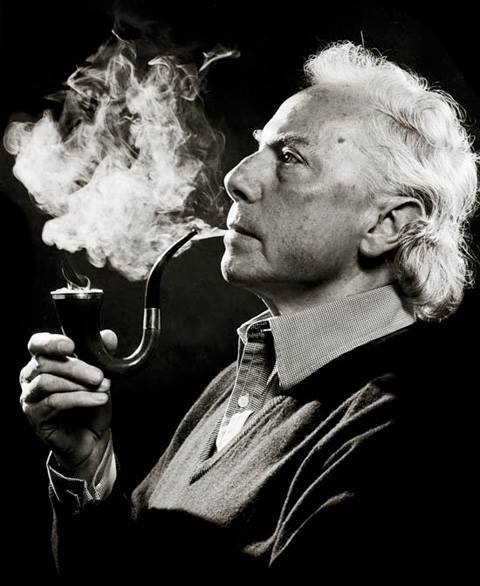
    PHOTO: Panufnik, adjusting to English life
  • Panufnik Centenary Warsaw Variations

    Panufnik Centenary Warsaw Variations

    Today is the centenary of the birth of Polish master Andrzej Panufnik, about whom I wrote a few days ago to promote last Sunday night’s “The Lost Chord,” which was devoted to two of his symphonies. (The show will be repeated Friday at 3 a.m. ET and then posted as a webcast at http://www.wwfm.org.)

    Here’s a fascinating audio documentary about Panufnik and his friend Witold Lutoslawski. You’ll remember that Lutoslawski and Panufnik formed a piano duo which performed in Warsaw cafes, since it was the only means through which to share music during the Nazi occupation, when there was a ban on organized gatherings.

    http://www.fallingtree.co.uk/listen/warsaw_variations

    “Warsaw Variations” aired several times on BBC radio and was awarded a Prix Europa for Best Radio Music Documentary. Lutoslawski’s “Variations on a Theme of Paganini,” which had its origins in the piano duo’s repertoire, features throughout.

    “I think they both had a sort of mission that people needed music, and they needed music more than any other time ever, almost, in order to keep their courage up.”

    – Camilla Jessel Panufnik, the composer’s widow

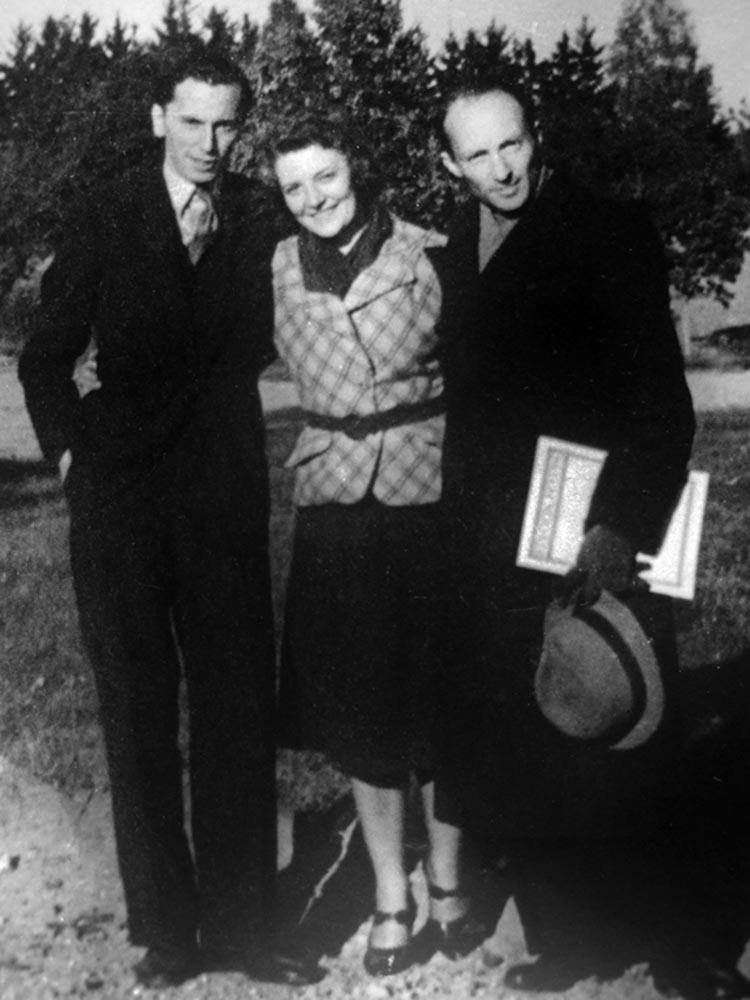
    PHOTO: Lutoslawski (left) and Panufnik (right), with violinist Eugenia Umińska. Umińska joined the Polish resistance, took part in the Polish Uprising, and survived capture to become a professor and later rector at the Academy of Music in Kraków. The photo was taken in 1942.

  • Andrzej Panufnik: Polish Music’s Sleeping Giant

    Andrzej Panufnik: Polish Music’s Sleeping Giant

    Andrzej Panufnik is the sleeping giant of Polish music. He’s one of those figures, like Bohuslav Martinu, who always seems perched on the verge of greatness, and yet never quite achieves the full degree of recognition he deserves.

    To begin with, his particular brand of modernism was eclipsed by the avant-garde experiments of his compatriot and friend, Witold Lutoslawski. Panufnik’s relationship with Lutoslawski dated back to the war years. During the German occupation, the two formed a piano duo which played in Warsaw cafes – at the time the only way to share live music in public, since there was a ban on organized gatherings.

    In the meantime, Panufnik quietly produced subversive works celebrating Polish heroism and the resistance. Following the war, he was instrumental in the re-establishment of the Warsaw Philharmonic. However, increasing friction with Poland’s communist regime led to the composer’s defection, under hair-raising circumstances, in 1954. He was granted asylum in England, where he received a knighthood in 1991, the year of his death.

    This Sunday night on “The Lost Chord,” we’ll pay tribute to Panufnik to mark the centenary of his birth – September 24, 1914 – with two of his ten symphonies, both of them markedly Polish in character.

    His “Sinfonia Rustica” (1948, revised in 1955), as the title implies, is a work very much of the people, making use of fragmented Polish themes, meant to reflect the rustic, semi-abstract, paper-cut art of the peasantry. Not only the symphony’s framework, but also the layout of the orchestra, is meant to reflect the symmetry found in Polish folk art. Nevertheless, despite the work’s direct character, it was denounced in 1949 as “alien to the great socialist era.”

    Whenever I listen to Panufnik’s “Sinfonia Sacra” (1963), I always think of Henryk Sienkiewicz’s 1884 epic, “With Fire and Sword,” set in the 17th century Polish-Lithuanian Commonwealth during the Khmelnytsky Uprising. With its evocation of winged hussars in courageous battle against the Cossacks, Sienkiewicz’s monumental page-turner whipped readers living in a partitioned Poland into a patriotic fervor.

    Conceived as a tribute to Poland’s millennium of Christianity and statehood, the symphony reflects the composer’s religious and patriotic sentiments. Panufnik based the work on the first known hymn in the Polish language, “Bogurodzica.” Throughout the Middle Ages, this served as something of a national anthem, sung not only in the church, but also on the battlefields by Polish knights.

    Join me for these two symphonies by Andrzej Panufnik – “Andrzej the Giant” – this Sunday night at 10 ET, with a repeat Friday morning at 3; or listen to it later as a webcast at http://www.wwfm.org.

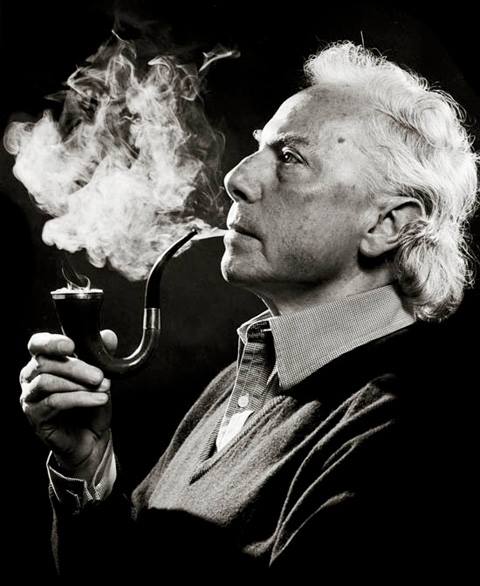
    PHOTO: Panufnik, adjusting to English life
Tag Cloud

Aaron Copland (92) Beethoven (95) Composer (114) Film Music (123) Film Score (143) Film Scores (255) Halloween (94) John Williams (187) KWAX (229) Leonard Bernstein (101) Marlboro Music Festival (125) Movie Music (138) Opera (202) Philadelphia Orchestra (89) Picture Perfect (174) Princeton Symphony Orchestra (106) Radio (87) Ralph Vaughan Williams (85) Ross Amico (244) Roy's Tie-Dye Sci-Fi Corner (290) The Classical Network (101) The Lost Chord (268) Vaughan Williams (103) WPRB (396) WWFM (881)

DON’T MISS A BEAT

Receive a weekly digest every Sunday at noon by signing up here


RECENT POSTS