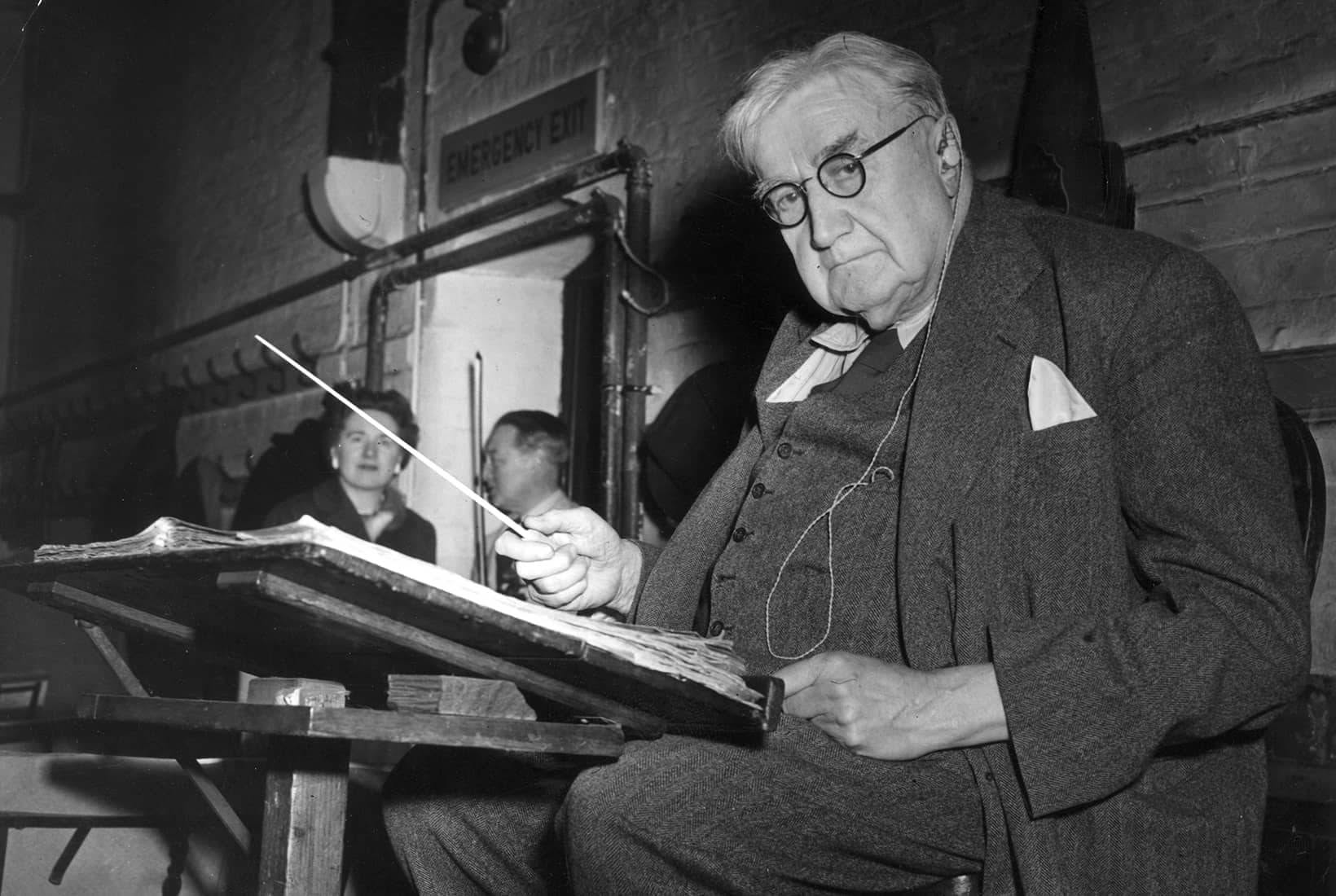
You’ve got a second chance to catch my Vaughan Williams celebration, on this, the eve of his birthday anniversary. It includes some rarely-heard piano music, an orchestral potpourri of themes from his opera “The Poisoned Kiss,” and a hilarious performance of “The Wasps Overture” with the composer himself conducting. Enjoy another helping of cake and ice cream on “Sweetness and Light,” this Sunday evening at 9:00 EDT/6:00 PDT, exclusively on KWAX Classic Oregon. Stream it, wherever you are, at kwax.com!
Tag: Vaughan Williams
-
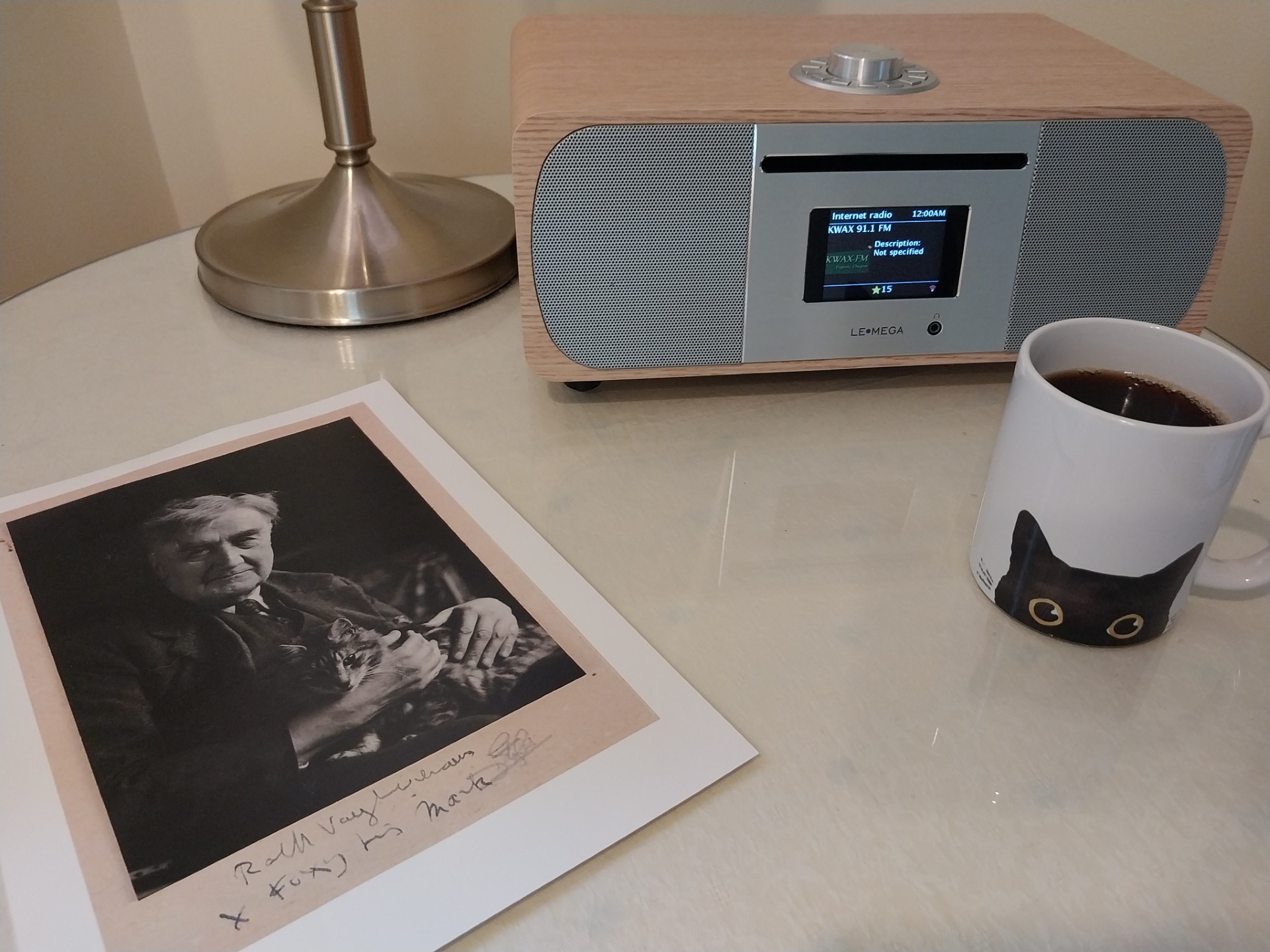
Ralph Vaughan Williams on “Sweetness and Light”
A cup of coffee, an internet radio, and an 8 1/2 x 11” glossy of Ralph Vaughan Williams and Foxy. All set for Saturday morning contentment on “Sweetness and Light.” Tune in at 11:00 EDT/8:00 PDT – NOW WITH A REPEAT, Sunday evening at 9:00 EDT/6:00 PDT – exclusively on KWAX Classical Oregon!
Stream it, wherever you are, at the link: https://kwax.uoregon.edu/ -
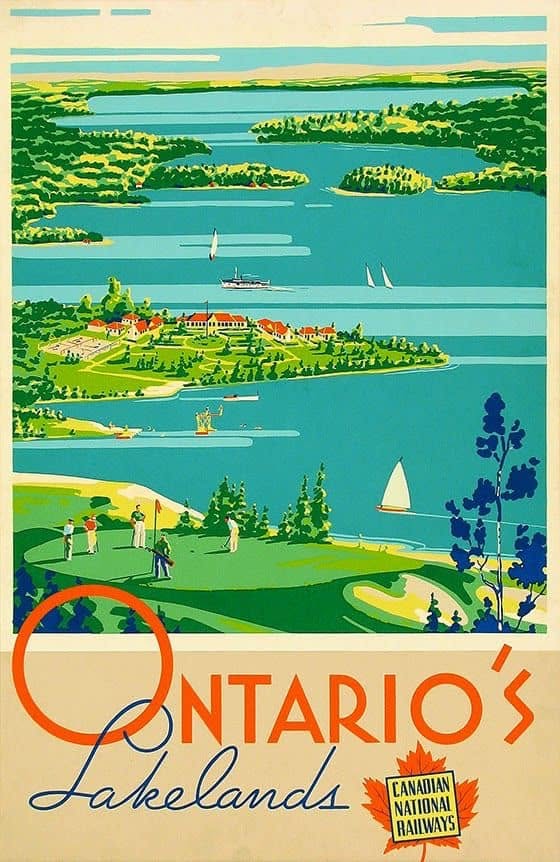
A Canadian Pancake Breakfast on “Sweetness and Light”
This week on “Sweetness and Light,” the focus is on our friends to the north – all music associated, in one way or another, with Canada. We’ll hear works by Canadian composers Healey Willan and Robert Farnon, including Farnon’s “Ottawa” Symphony, with a few of his light music classics tossed into the bargain.
Neither Emil Nikolaus von Reznicek nor Ralph Vaughan Williams were Canadian, but both wrote music associated with the Great White North. Television audiences of the late 1950s would come to associate Reznicek’s best-known music with the North-West Mounted Police, during the time of the Klondike Gold Rush, when his “Donna Diana Overture” was appropriated as the theme for “Sergeant Preston of the Yukon.” And what a performance we’ll hear, with Hermann Scherchen conducting, in a recording that was made contemporaneously with the run of the show!
Vaughan Williams wrote the music for the Powell-Pressburger film “49th Parallel,” in which patriotic Canadian citizens save our bacon from Nazi invasion. Raymond Massey beating the tar out of a Nazi? Now that’s the kind of propaganda I can get behind!
I’ll be ladling out the syrup and the pancakes will be fluffy, as we salute Canada on “Sweetness and Light,” this Saturday morning at 11:00 EDT/8:00 PDT, exclusively on KWAX Classical Oregon!
Stream it, wherever you are, at the link:
https://kwax.uoregon.edu/ -
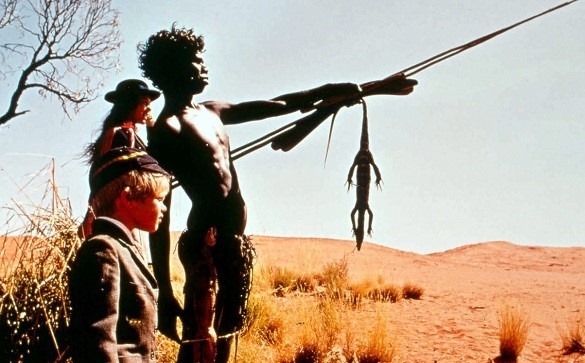
Down Under and Out Back on “Picture Perfect”
G’day! This week on “Picture Perfect,” we’re off to the antipodes for an hour of music from films set in the Australian bush.
Ealing Studios shot several movies there – three independently, and then two in collaboration with MGM. The first was “The Overlanders” (1946), told in semi-documentary style, about a wartime push to evacuate Australia’s Northern Territory, with its 5000 settlers and a million head of cattle, before an anticipated Japanese invasion. The music is by John Ireland. Despite its excellence, it would prove to be Ireland’s only film score.
Ealing’s final independent Australian venture was “Bitter Springs” (1950). One of the earliest cinematic attempts to address Aboriginal land rights and colonial dispossession, the film tells the story of a headstrong patriarch of an Australian pioneer family, who denies the locals access to a watering hole, precipitating a cycle of violence.
The thematic material was by Ralph Vaughan Williams, who left it to composer and conductor Ernest Irving to arrange and orchestrate what he felt needed for the various cues. Vaughan Williams wrote his friend and colleague to express his pleasure with the finished product. Irving would soon receive the dedication of Vaughan Williams’ Symphony No. 7, the “Sinfonia Antartica” (itself derived from RVW’s film score to Ealing’s “Scott of the Antarctic”).
Both of these films, “The Overlanders” and “Bitter Springs,” are essentially westerns set in the Australian outback. From a little closer to our own time, we’ll hear music from another film that’s unapologetic in its use of American western motifs, “Quigley Down Under” (1990).
The film stars Tom Selleck as an American cowboy, hired by an Australian rancher, played by Alan Rickman, allegedly to shoot dingoes; however, he soon finds that the rancher’s real purpose is to rid the land of Aborigines – a proposition Quigley naturally rejects, setting up the film’s conflict.
The score is by Basil Poledouris, a composer who achieved cult status for his work on films like “Robocop” and especially “Conan the Barbarian,” though he never really seemed to receive the recognition the deserved. He did, however, win an Emmy for his score to “Lonesome Dove.”
Finally, we’ll have just a bit from John Barry’s haunting score to Nicholas Roeg’s “Walkabout” (1971), in which two British children find themselves stranded in the bush and survive only through the aid of a young Aborigine.
We’re heading down under and out back this week, on “Picture Perfect,” music for the movies, now in syndication on KWAX Classical Oregon!
——-
Clip and save the start times for all three of my recorded shows:
PICTURE PERFECT, the movie music show – Friday at 8:00 PM EDT/5:00 PM PDT
SWEETNESS AND LIGHT, the light music program – Saturday at 11:00 AM EDT/8:00 AM PDT
THE LOST CHORD, unusual and neglected rep – Saturday at 7:00 PM EDT/4:00 PM PDT
Stream them, wherever you are, at the link!
https://kwax.uoregon.edu/ -
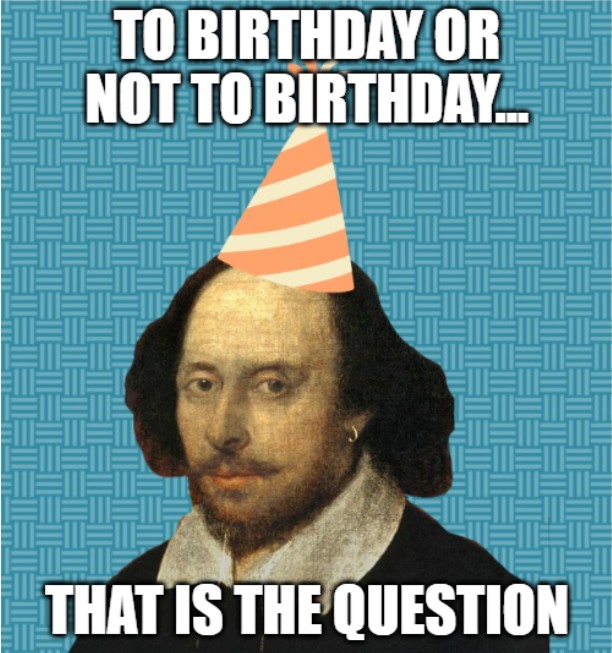
All the World’s a Rager, as We Celebrate Shakespeare on “Sweetness and Light”
We don’t know exactly when Shakespeare was born. We do know that he was baptized on April 26, 1564. Since he died on April 23, 1616, the urge to keep it tidy has been too difficult to resist: traditionally the Bard’s birthday has been observed on the same date as that of his death. At any rate, we hardly need an excuse to celebrate his plays, which have inspired lots of colorful music.
I hope you’ll join me this morning on “Sweetness and Light” for our annual Shakespeare celebration. We’ll hear a comedy overture inspired by “Hamlet,” of all things, by Geoffrey Bush; a suite compiled from incidental music for “The Winter’s Tale,” “As You Like It,” and “The Tempest,” by Engelbert Humperdinck (composer of “Hansel and Gretel”); a prelude from one of Sir William Walton’s majestic film scores; further works for the stage by Charles Gounod and Erich Wolfgang Korngold; and one of Ralph Vaughan Williams’ loveliest creations, the “Serenade to Music,” inspired by a passage from “The Merchant of Venice.” This is a piece of such aching beauty, it’s said to have brought the notoriously dour Sergei Rachmaninoff, present at the work’s first performance, to tears.
Laughing at “Hamlet” and crying at beauty? Partying is such sweet sorrow! I hope you’ll join me for an hour of great Shakes on “Sweetness and Light,” this Saturday morning at 11:00 EDT/8:00 PDT, exclusively on KWAX Classical Oregon!
Stream it, wherever you are, at the link!
https://kwax.uoregon.edu/
Tag Cloud
Aaron Copland (94) Beethoven (95) Composer (114) Film Music (148) Film Score (143) Film Scores (255) Halloween (97) John Williams (196) KWAX (232) Leonard Bernstein (105) Marlboro Music Festival (125) Movie Music (163) Mozart (91) Opera (215) Philadelphia Orchestra (90) Picture Perfect (174) Princeton Symphony Orchestra (110) Radio (90) Ross Amico (244) Roy's Tie-Dye Sci-Fi Corner (290) The Classical Network (101) The Lost Chord (269) Vaughan Williams (107) WPRB (397) WWFM (881)