Before American composers like Jerome Moross and Elmer Bernstein made the western distinctly their own, the task of scoring the genre fell largely to European émigrés. This week on “Picture Perfect,” we’ll take a look at some outside perspectives on how the West was won.
Literally the godson of Richard Strauss, Max Steiner (born on this date in 1888) came from Vienna, where he studied with Johannes Brahms and Robert Fuchs. In Hollywood, he wound up scoring such classics as “King Kong,” “Gone with the Wind” and “Casablanca.”
Among his over 300 film projects were a number of westerns. One of these was “They Died with Their Boots On” (1941), which starred Errol Flynn as George Armstrong Custer and Olivia de Havilland as Libby, the woman who becomes his wife. Steiner’s score features familiar folk material, some old-fashioned faux “Indian” music, and one of his characteristically lush love themes.
Dimitri Tiomkin (born in Ukraine on this date in 1894) was a pupil of Alexander Glazunov. He came to revolutionize the sound of the American West, when he wrote the music for “High Noon,” the first of his “ballad” scores. Advance word, based on an early screening for the press, was that the picture would be a failure. However, Tiomkin had such faith in the theme song, sung in the film by Tex Ritter, that he hired Frankie Laine to record it, and the record became a world-wide hit. In fact, his score is largely credited with having saved the film.
Tiomkin was recognized with two Academy Awards: one for Best Original Song, and one for the score itself. It was the first time a composer won two Oscars for his work on the same movie. It also changed the way western scores were done. In the 1950s, Tiomkin became THE western composer of choice. He produced a number of subsequent ballad scores, including that for “Gunfight at the O.K. Corral” (1957). Asked how it was that a composer from Ukraine could write so convincingly for the American West, Tiomkin quipped, “A steppe is a steppe is a steppe.”
Another unexpected source of classic western music, Franz Waxman was born in Upper Silesia. He arrived in the U.S. by way of Germany. Nonetheless, as part of the composer’s varied and prolific output, he did indeed score a number of films in the genre, including “The Furies” (1950), a peculiar noir-western hybrid. Walter Huston, in his final film, plays a cattle baron who remarries and throws his empire into jeopardy. Barbara Stanwyck is his strong-willed daughter.
Hungarian-born composer Miklós Rózsa scored many films with historical settings – “Quo Vadis,” “Ben-Hur,” and “King of Kings,” among them. However, to my knowledge, his only western was “Tribute to a Bad Man” (1956). James Cagney stars as a rancher who doles out some frontier justice.
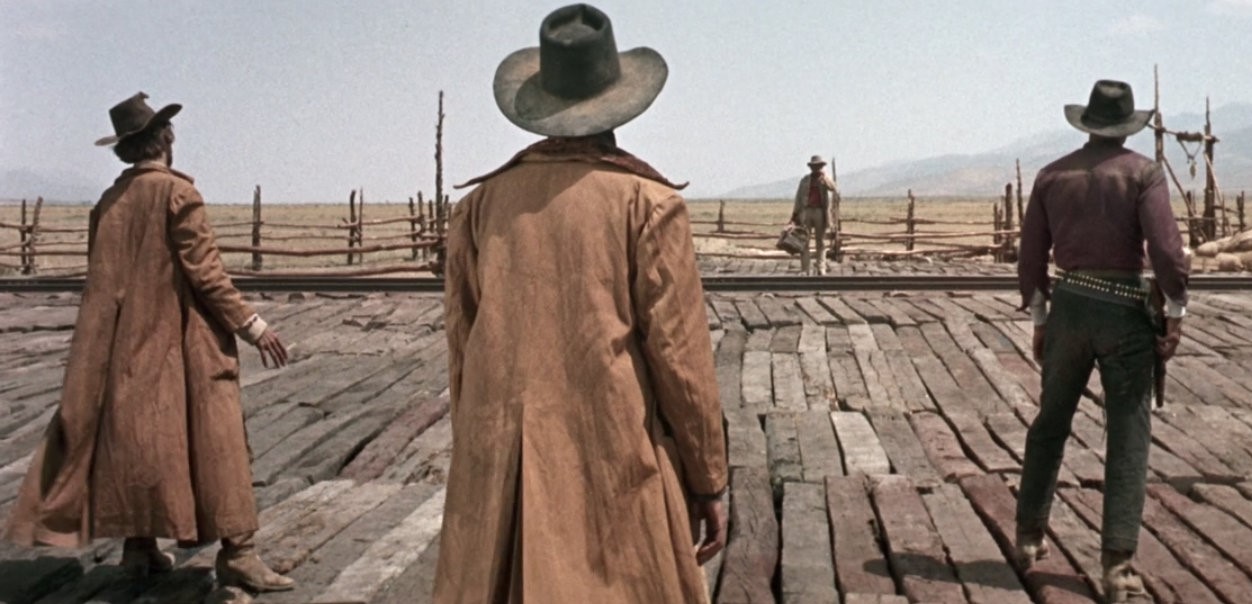
Finally, we’ll hear music by Ennio Morricone, from arguably the most operatic of all spaghetti westerns, “Once Upon a Time in the West” (1968). As a reaction to Tiomkin’s ballad scores and the neo-Coplandisms of Elmer Bernstein and the rest, Morricone brings his own quirky sensibility to bear on the classic western iconography. Get ready for indelible motifs for harmonica and banjo, but also an unexpectedly moving elegiac arioso, underscoring the close of the American West with the arrival of the railroad.
Doublecheck your train tables and wind your pocket watches. Old World composers go west this week on “Picture Perfect,” music for the movies, now in syndication on KWAX Classical Oregon!
——-
Clip and save the start times for all three of my recorded shows:
PICTURE PERFECT, the movie music show – Friday at 8:00 PM EDT/5:00 PM PDT
SWEETNESS AND LIGHT, the light music program – Saturday at 11:00 AM EDT/8:00 AM PDT
THE LOST CHORD, unusual and neglected rep – Saturday at 7:00 PM EDT/4:00 PM PDT
Stream them, wherever you are, at the link!
https://kwax.uoregon.edu
-
Old World Composers Go West on “Picture Perfect”
by
-
My Two Cents About Antonio Salieri
by
One response
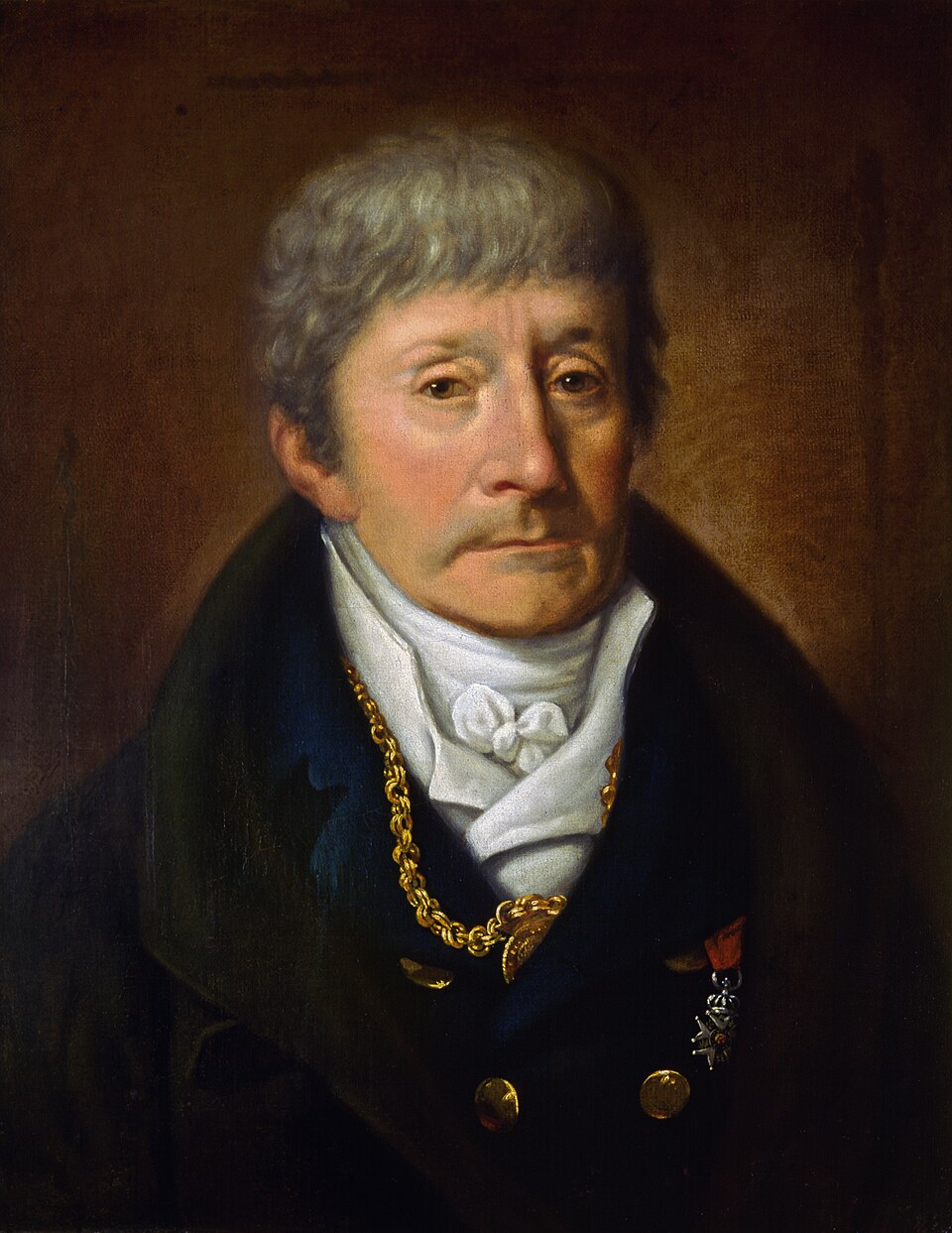
Today’s post began as a response to a question by Jon Haag at the bottom of yesterday’s remarks about the Bard Music Festival, in which I shared news of some newly-rediscovered music by Antonio Salieri: “Do these new found works bring a better appreciation of Antonio’s works or is that still up for debate?”
But of course, I got carried away – enough so that I thought, “Hey, I could use this for today’s post.” With that in mind, here are my two cents about Salieri.
*****
I’m not sure how much is up for debate, really, once people’s awareness is expanded beyond “Amadeus” – a great play and a great film, but reminiscent of my remark on your Freddie Mercury biopic comment the other day, the figure of Salieri was leveraged for dramatic purposes. The historic Salieri was never the envious, scheming hack of Peter Shaffer’s imagination. However, thanks to “Amadeus,” that’s how he is widely perceived.
Ironically, if not for the widespread success of the movie, most people would probably never even have heard of him. So poor Antonio has Shaffer to thank, at least, for making him a household name.
Incidentally, Shaffer was not the first to tell this story. Rumors of Salieri having contributed to Mozart’s early demise have followed him down the centuries. It was the subject of a play by Pushkin and an opera by Rimsky-Korsakov. But it’s all bunk.
Happily, the resulting prurient interest also spurred a revival of performances and recordings of his music. And you know what? The music is not half-bad. Don’t pay attention to the blithe dismissals of classical music know-it-alls (as the genre surely does attract its share of bitchy wisenheimers).
Was Salieri as “good” as Mozart? Of course not. But who was? His music may lack the facility, invention, and humanity of Mozart at his finest. But Salieri was certainly capable, he could delight or be dramatic, and he could write a good tune. I don’t claim to be a Salieri expert, but I have heard more of his music than most.
As for the rediscovery of these 149 pieces, I very much doubt they will change his standing, as it were, but yes, more information always brings a better appreciation, or at least a more complete understanding. It’s seldom that a musical manuscript is discovered that completely revolutionizes anyone’s perception of a composer. It’s more like filling in a detail on a portrait or finding a missing puzzle piece.
These particular works are interesting in that they reveal something of his friendship with confidant and kindred spirit Prince Joseph von Dietrichstein. The pieces were copied in the composer’s own hand, cherrypicked for inclusion in four red leatherbound volumes, presumably to commemorate works of his that were performed at the prince’s gatherings.
Lost works by major composers actually turn up with surprising frequency. A “new” song by Ralph Vaughan Williams was discovered only a few weeks ago. A couple of years ago, there was a waltz attributed to Chopin. The biggest one in recent memory was the rediscovery of a work by Stravinsky, written in memory of his teacher, Rimsky-Korsakov. It’s no masterwork, but it’s interesting, in light of the two composers’ relationship. But it’s still an early work and doesn’t particularly sound like the influential composer Stravinsky was soon to become.
Once in a while, somebody thinks they landed a big fish. In the early 20th century, a new “Beethoven” symphony was found. Of course, it turned out to be by somebody else. In the earlier ‘80s, there was a hullabaloo about a rediscovered Mozart symphony – also probably not by him, but I like it.
Salieri composed 37 operas, in addition to orchestral works, concertos, chamber music, and sacred pieces. His own music aside, he was an influential figure, as Imperial Kapellmeister at the Habsburg court in Vienna. Among his pupils were Beethoven, Schubert, Liszt, and Mozart’s son, Franz Xaver.
Far from blackballing his colleague, Salieri revived “The Marriage of Figaro.” He was also responsible for arranging first performances of Mozart’s Piano Concerto No. 22 (K. 482), the Clarinet Quintet, and the Symphony No. 40. He was full of praise for “The Magic Flute.”
The two composers even collaborated on a cantata, “Per la ricuperata salute di Ofelia” (“For the recovered health of Ophelia”), rediscovered in 2016. The cantata was written in 1785, to celebrate the recently-convalesced soprano Nancy Storace, who was soon to create the role of Susanna in Mozart’s “Figaro.”
This will be one of the works performed at this year’s Bard Music Festival, “Mozart and His World” – as mentioned in yesterday’s post, archived at the link:
https://rossamico.com/2026/06/03/mozart-and-his-world-including-salieri-at-the-bard-music-festival/
——-
Salieri, Concerto for Flute, Oboe and Orchestra
Mozart and Salieri collaborative effort, the cantata “Per la ricuperata salute di Ofelia”
Rediscovered “Odense” Symphony, attributed to Mozart
Stravinsky’s “Funeral Song”
Waltz attributed to Chopin
News of Salieri rediscoveries, now in English
-
Mozart and His World (Including Salieri) at the Bard Music Festival
by
5 responses
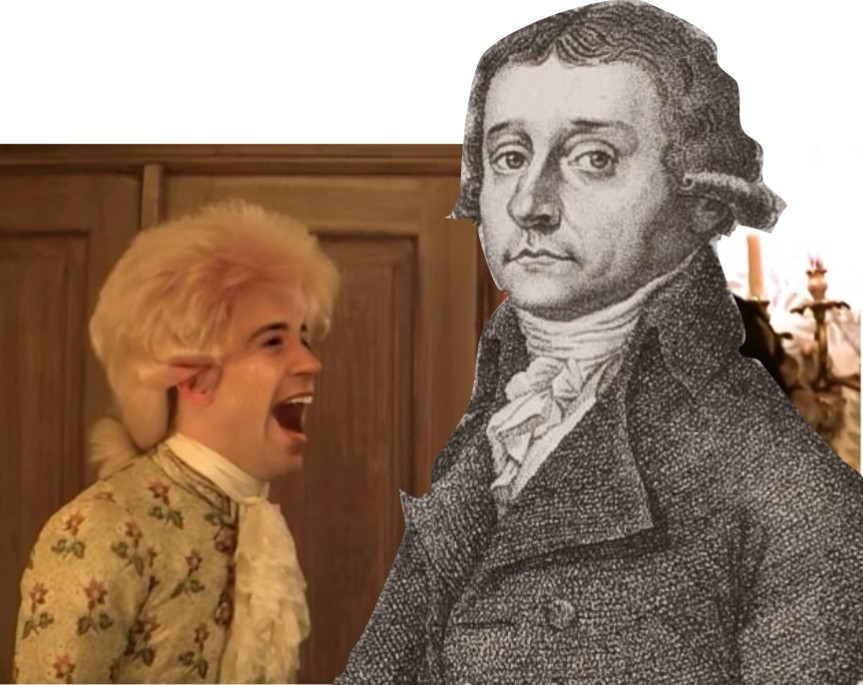
With the news that 149 lost works of Antonio Salieri have come to light, now seems like a good time to remind you about this year’s Bard Music Festival, “Mozart and His World” (to be held at Bard College in Annandale-on-Hudson, NY, August 7-16).
Is there Salieri on the program? Why, yes, yes there is. It falls under the category of “His World.” You see, even when the focus of the festival is on a well-known composer – and what composer is better-known than Mozart? – the planning committee goes into overdrive, racking their brains and spackling in around the edges with composers and works your average person-on-the-street may not have ever heard of, and certainly have never heard.
My preference, of course, is for the years Bard tackles figures such as Bohuslav Martinu or Carlos Chávez or Ralph Vaughan Williams or Erich Wolfgang Korngold; but under the Mozart umbrella, Christoph Willibald Gluck, Josef Mysliveček, Paul Wranitzky, Emanuel Schickaneder, Giovanni Paisiello, Muzio Clementi, Franz Xaver Süssmayr, Franz Xaver Mozart (Mozart’s composer son), and composer sons of the great Johann Sebastian Bach will have their moments to shine. Some of the works will be quite substantial, such as Michael Haydn’s Requiem in C minor.
And these are only the composers you might have heard of, through reading about Mozart in histories or program notes. How often, if ever, have you actually heard their music?
I don’t care about your level of expertise, or how jaded you may be, between the unusual repertoire, the imaginative juxtaposition of pieces, the pre-concert talks, and the Saturday morning panels with scholars and historians, you will ALWAYS learn something. Even if I personally may bristle at the idea of a Mozart festival – nothing wrong with it, it just doesn’t excite me – once you get me in the hall, I know it’s going to be fabulous.
The Bard Music Festival is part of the college’s larger celebration of the arts, Bard SummerScape (June 25-August 16), which encompasses opera, theater, dance, and cabaret at the campus’ Spiegeltent. If Mozart really doesn’t float your boat, there will be a fully-staged production of Richard Strauss’ opera “Die ägyptische Helena” (“The Egyptian Helen,” July 24-August 2). When’s the last time you heard that?
The Mozart festival will conclude with a semi-staged performance of “The Abduction from the Seraglio.”
Hang in there: 2027 will bring “Gershwin and His World.” That’s a subject that can shoot out tendrils in so many different, fascinating directions.
For tickets and information about Bard SummerScape, the Bard Music Festival, and “Mozart and His World,” visit https://fishercenter.bard.edu/.
——–
A blurb about the rediscovered Salieri works (which include canons, duets, and trios, in the composer’s hand), with a link to the original German source:
https://slippedisc.com/2026/06/found-149-autograph-works-by-salieri/
A selection from Salieri’s “Prima la musica e poi le parole” (“First the music and then the words”), first performed on the same occasion that introduced Mozart’s “Schauspieldirektor” (“The Impresario”), and his collaboration with Mozart, the cantata “Per la ricuperate salute di Ofelia” (“For the recovered health of Ophelia”), rediscovered in 2015, will be included on a Bard Music Festival concert on August 9.
@fishercenterbard
-
June Is Bustin’ Out at the Princeton Festival
by
It’s June, and the performance pavilion is up at Morven Museum & Garden! Who’s ready to hear some music? Opera, cabaret, Baroque, dance, Great Ladies of Jazz, Time for Three, the Bacon Brothers, Queen Nation, and a pops concert in celebration of America’s 250th birthday – the Princeton Festival will begin on Friday and run through June 21.
Main stage events will be held on the grounds of Morven, at 55 Stockton Street (Route 206), with Baroque concerts held across the way, at Princeton’s Trinity Church (33 Mercer Street).
On opening night, Broadway superstar Sierra Boggess (“The Little Mermaid,” “The Phantom of the Opera”) will perform cabaret-style, with piano, sharing showtunes, songs, and personal anecdotes (Morven, Friday at 7 p.m.).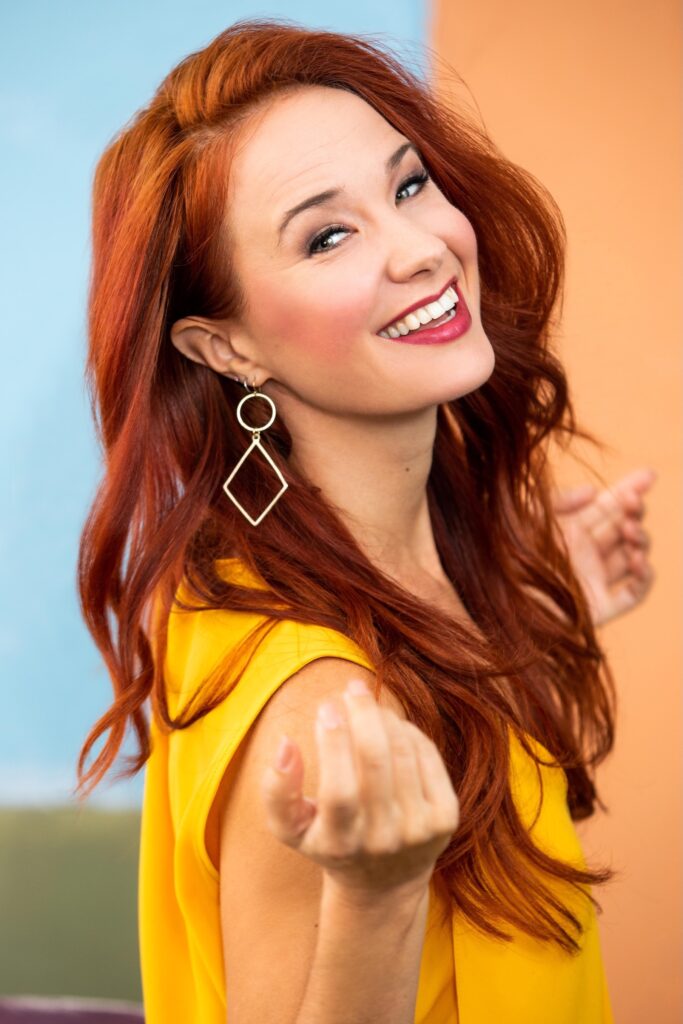
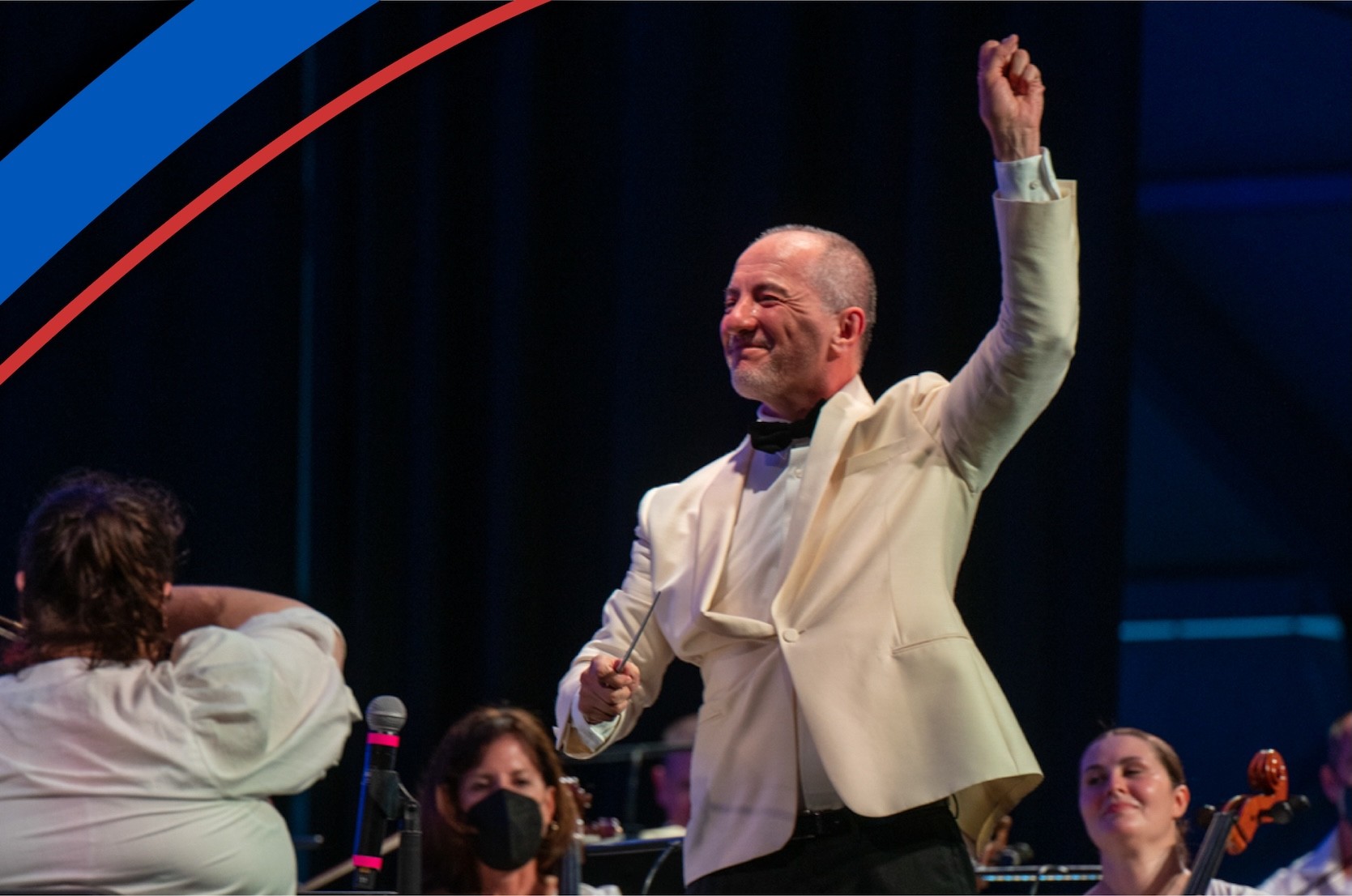
Then will be a big treat for opera lovers, as world-renowned soprano and Metropolitan Opera star Sondra Radvanovsky will headline a program of moving arias, duets, and orchestral interludes from the Italian repertoire, including works by Puccini, Verdi, Mascagni, and Giordano. For the duets, she’ll be joined by Festival veteran Victor Starsky, who will also perform the showstopper “Nessun Dorma.” The Princeton Symphony Orchestra will be conducted by Rossen Milanov (Morven, Saturday at 8 p.m.).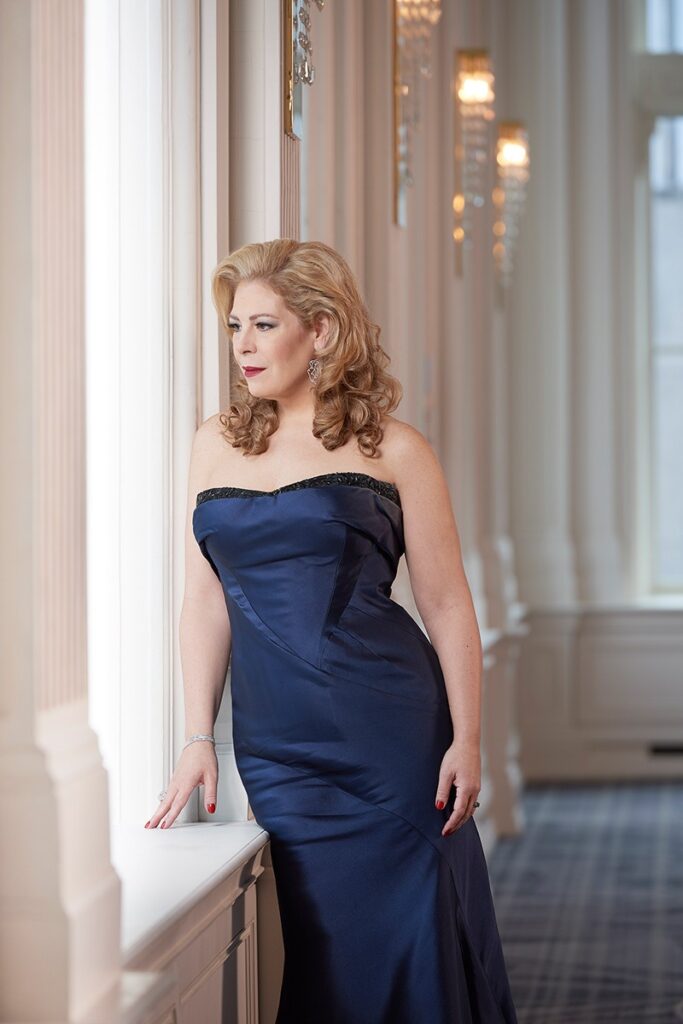
Sunday will be the Festival’s Community Day, which will include free morning Yoga in the Garden (9 a.m.) and, in the afternoon, family friendly activities, such as an Instrument Petting Zoo, a Musical Story Time, a Quilting Exhibition “Harriet Powers: American Icon,” with the Princeton Sankofa Stitchers Modern Quilt Guild, and American Repertory Ballet‘s 30-minute “Swan Lake Experience,” an accelerated story of the ballet with audience participation (12-3 p.m.).
In the evening, Milanov and the PSO will return in support of the dancers for a program including celebrated pas de deux from Tchaikovsky masterworks (including “Swan Lake”), a ballet set to a neglected gem by Jean Françaix – his Piano Concerto, with Steven Beck the soloist – and a world premiere choreographed to music by Pulitzer Prize winner Caroline Shaw (Morven, Sunday at 7 p.m.).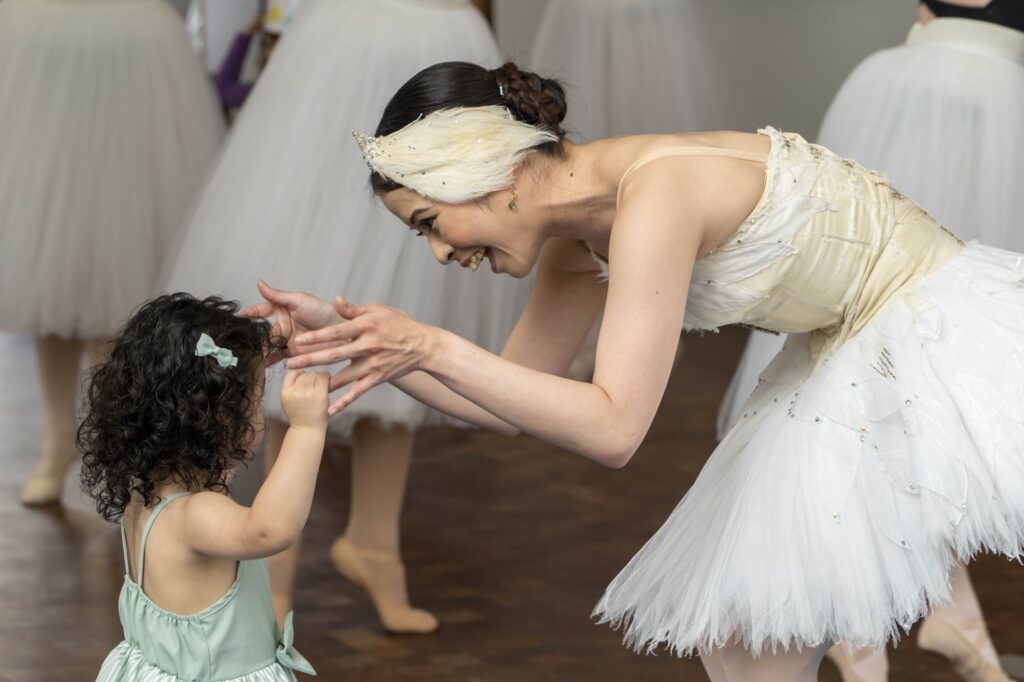
Two Baroque concerts will be offered on weeknights at Trinity Church, with The Sebastians performing a program of Bach cantatas, BWV 140 “Wachet auf, ruft uns die Stimme” (“Sleepers Awake”) and BWV 80 “Ein feste Burg ist unser Gott” (“A Mighty Fortress Is Our God”), alongside the Orchestral Suite No. 2 in B minor (Trinity, next Tuesday at 7 p.m.).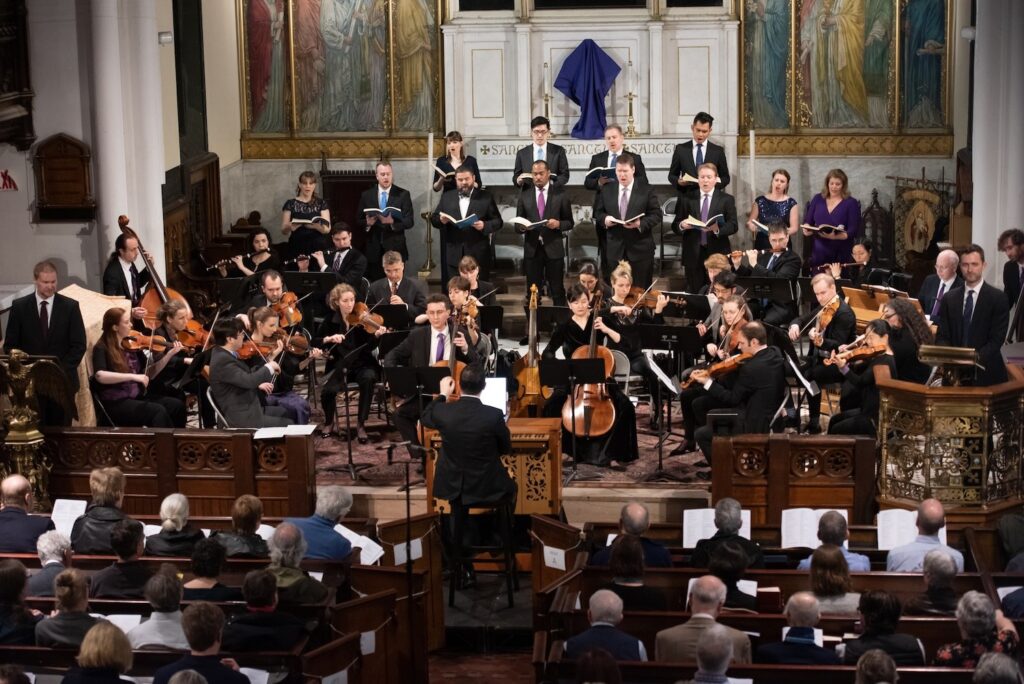
Vivaldi’s “The Four Seasons” will highlight a program performed by the ensemble Twelfth Night that will also include works by Pietro Locatelli, Arcangelo Corelli, and Francesco Durante (Trinity, next Thursday at 7 p.m.).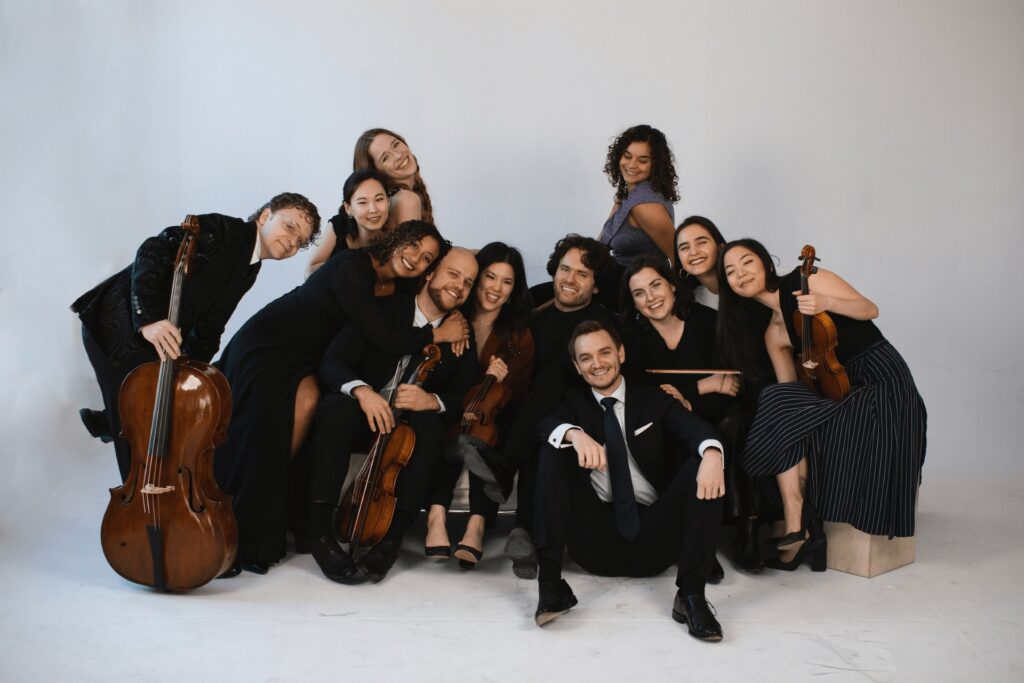
This year’s fully-staged opera will be Puccini’s “Madama Butterfly.” Soprano Toni Marie Palmertree, who really threw herself into the role (and off Castel Sant’Angelo’s parapet) last year as Tosca – and who recently sang “Butterfly” at the Met – will sing Cio-Cio-San. Victor Starsky, who gave an impassioned performance as Tosca’s lover, Cavarodossi (and, again, will sing with Radvanovksy this Saturday) – will return as Pinkerton. Once again, Milanov will conduct the PSO. The opera will be heard in two performances (Morven, Friday, June 12, at 7 p.m.., and Sunday, June 14, at 4 p.m.).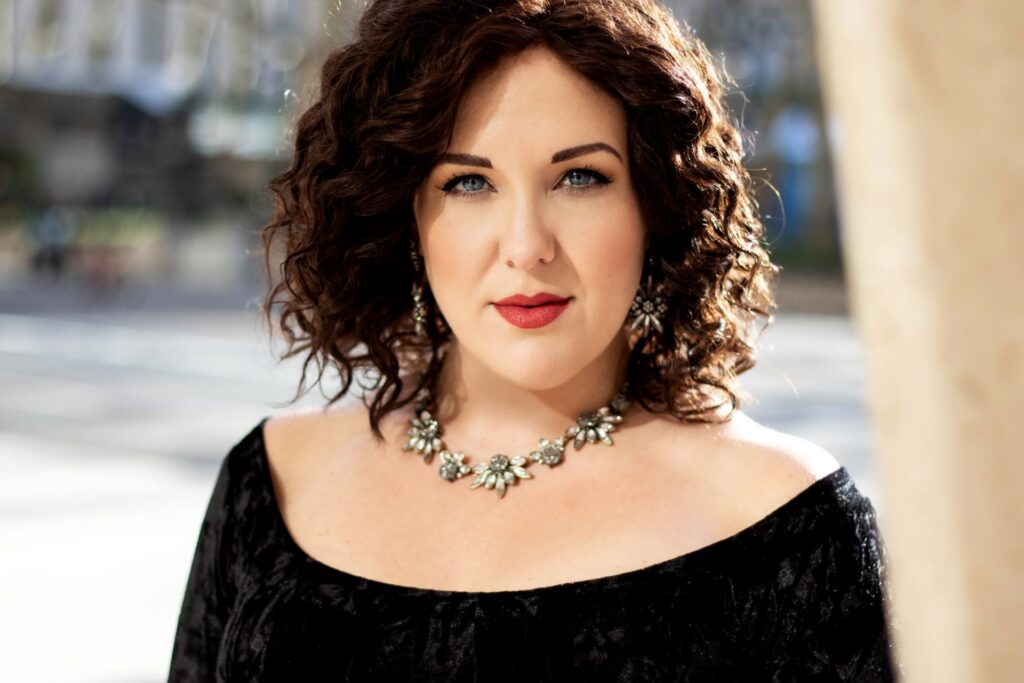
Impassioned music-making of another sort will rock the pavilion – and you – as musicians of Queen Nation, billed as the undisputed #1 Queen Tribute Band in the United States, declare themselves the champions in iconic Queen ‘70s and ‘80s-era costumes (Morven, Saturday, June 13, at 7 p.m.).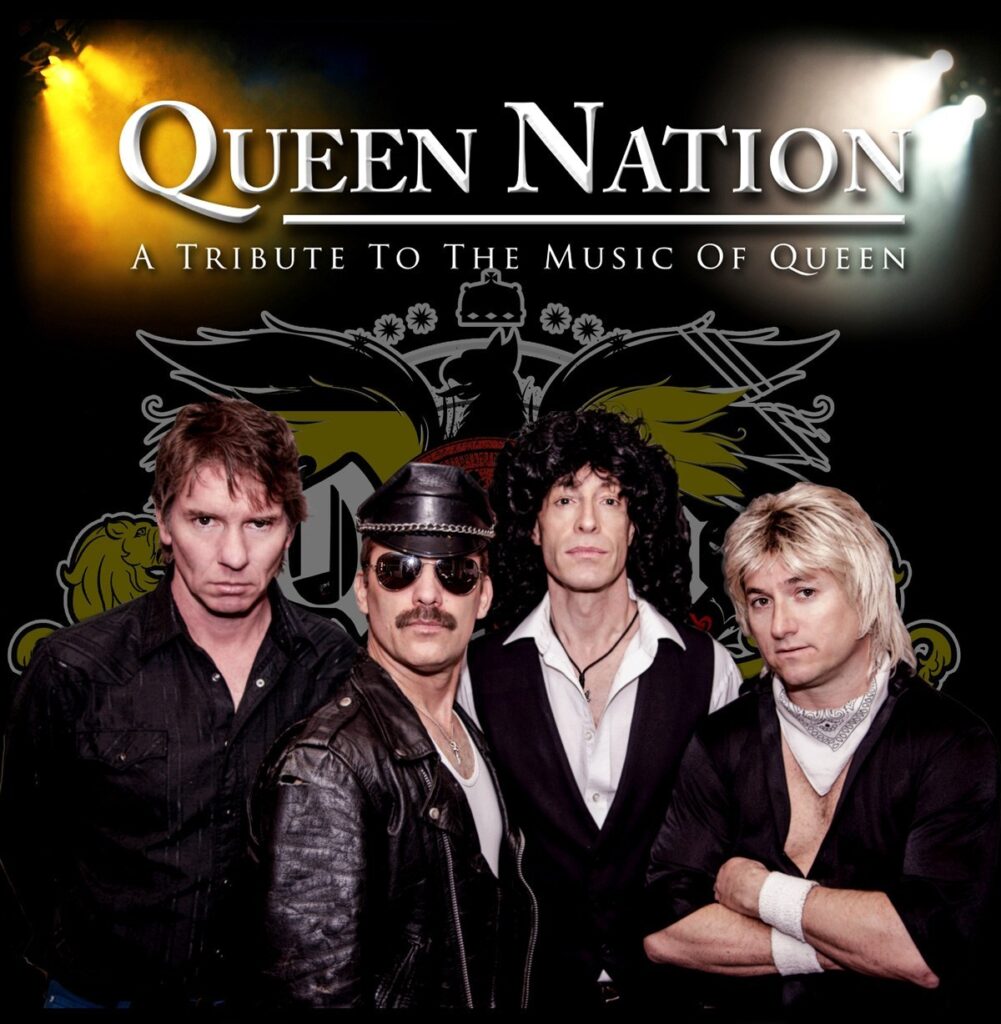
Grammy and Emmy Award-winning ensemble – and Festival favorites – Time for Three will return with another genre-defying program. The trio of Ranaan Meyer (double bass, vocals), Nicolas “Nick” Kendall (violin, vocals) and Charles Yang (violin, vocals) merge classical, Americana, and singer-songwriter traditions into a singular, remarkable sound. As always, in the spirit of spontaneity, as always, the group will announce its selections from the stage (Morven, Thursday, June 18, at 7 p.m.).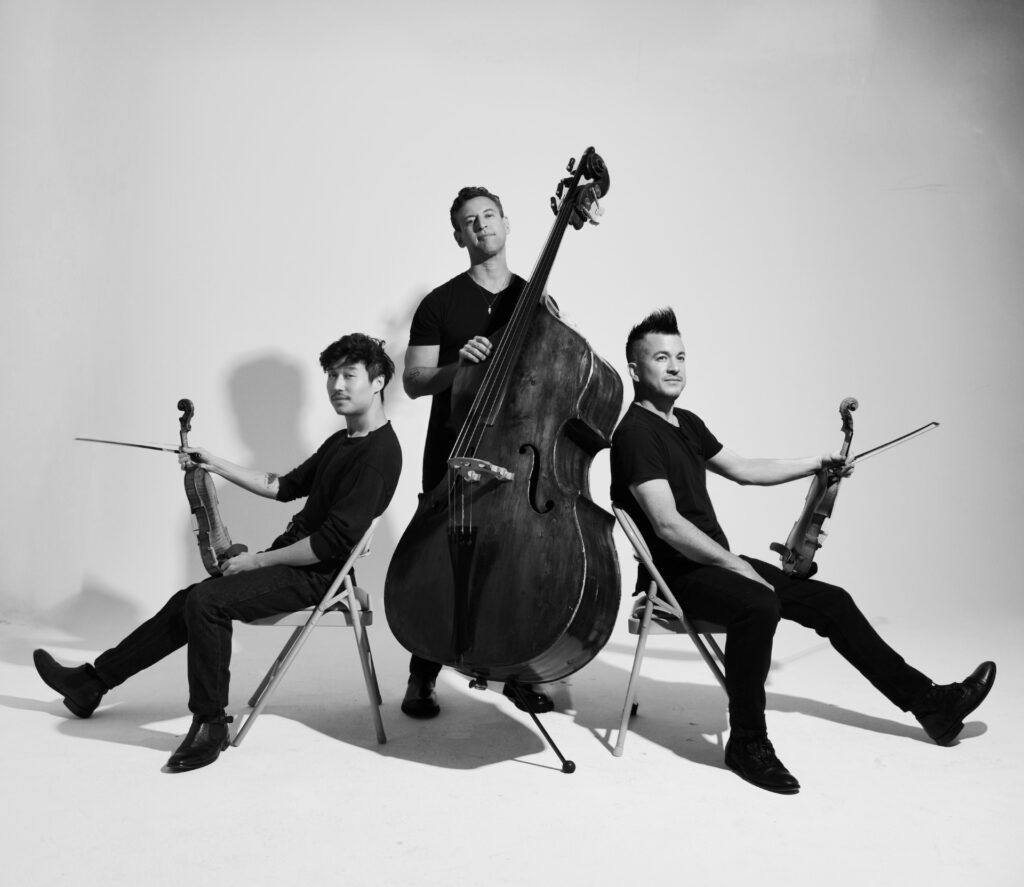
The concluding weekend will be a three-day showcase of American music, in celebration of America’s Semiquincentennial, with additional family events on Sunday. The weekend will be presented in partnership with the Municipality of Princeton.
Great Ladies of Jazz will be a tribute to Ella Fitzgerald, Sarah Vaughan, Billie Holiday, Judy Garland, and Ginger Rogers, among others, starring Capathia Jenkins and Aisha de Haas. Lucas Waldin will conduct the Princeton Symphony Orchestra (Morven, Friday, June 19, at 7 p.m.).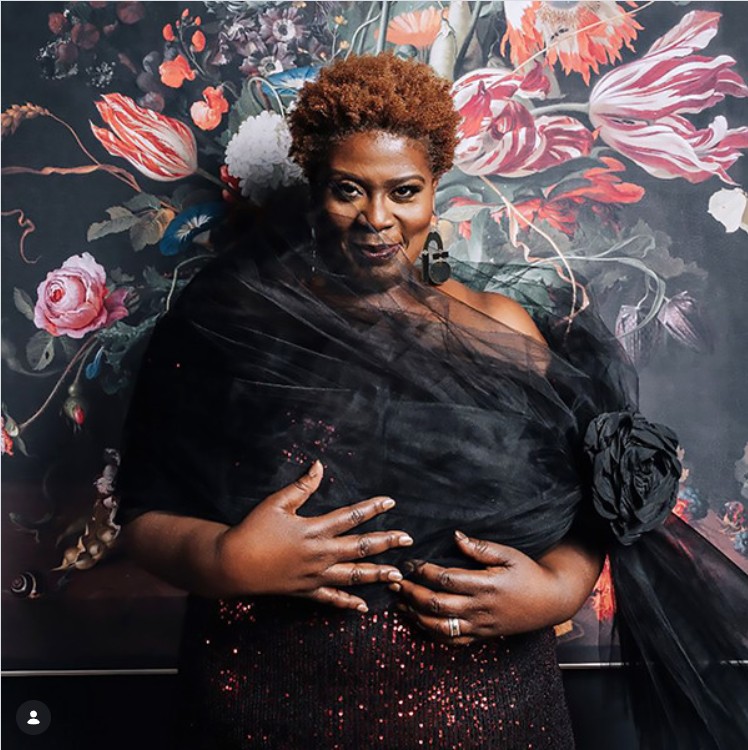
A pre-concert talk, “Jazz and the Civil Rights Movement,” will be delivered by Princeton University voice teacher Dr. Rochelle Ellis. Treats will be available to sample from Tipple & Rose, and Morven’s Museum will be open with free admission from 5-7pm in recognition of Juneteenth.
The Bacon Brothers, Emmy-winner composer Michael and A-list actor Kevin (of “Footloose” and “Apollo 13” fame), will play a mix of folk, rock, soul, and country music. Olsson’s Fine Foods will be onsite with Happy Hour Boxes filled with gourmet cheeses and sandwiches. (Morven, Saturday, June 20, at 7 p.m.).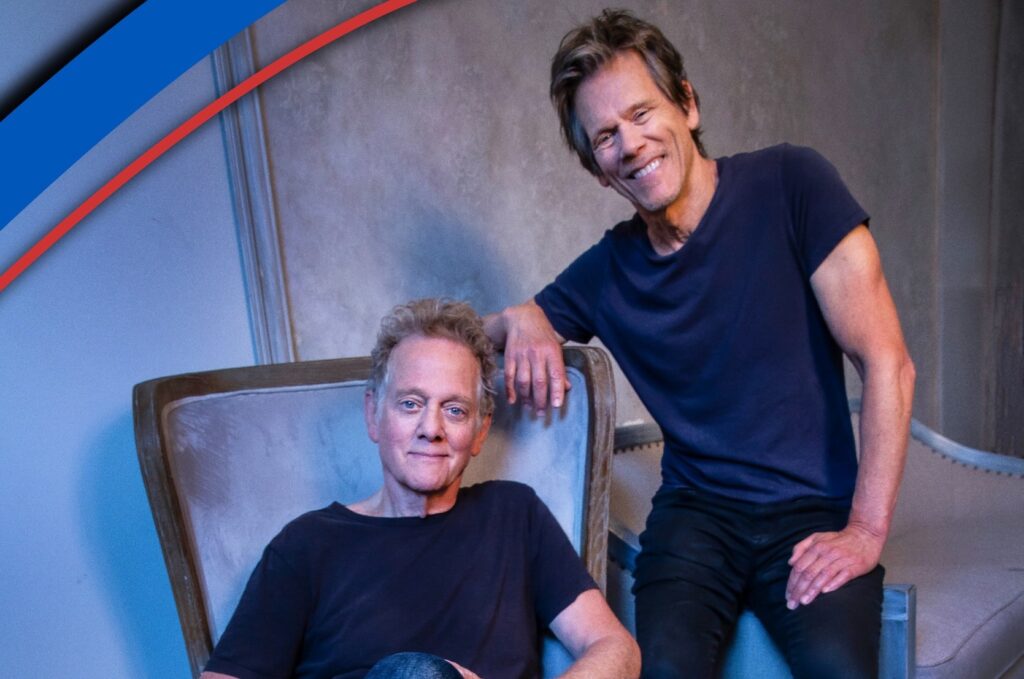
Finally, the Princeton Symphony Orchestra will offer a star-spangled salute with “American Fanfare,” featuring Broadway vocalist Julie Benko (“Funny Girl”). The patriotic program will include works by Aaron Copland, Valerie Coleman, Virgil Thomson, Richard Rodgers, Harold Arlen, and John Philip Sousa. America 250 flags and red, white, and blue pom-poms will be given out to the first 150 to enter the grounds (Morven, Sunday, June 21 at 3 p.m.).
Prior to the concert, free family fun for children of all ages will be available, beginning at 1:00.
Picnic boxes from Jammin’ Crepes may be pre-ordered up to 48 hours before each mainstage Festival performance, except the June 6 Sondra Radvanovsky concert.
Tickets and information are available by phone at (609) 497-0020 and online at princetonsymphony.org/festival.
-
Inappropriate Laughter Before an Open Microphone
by
10 responses
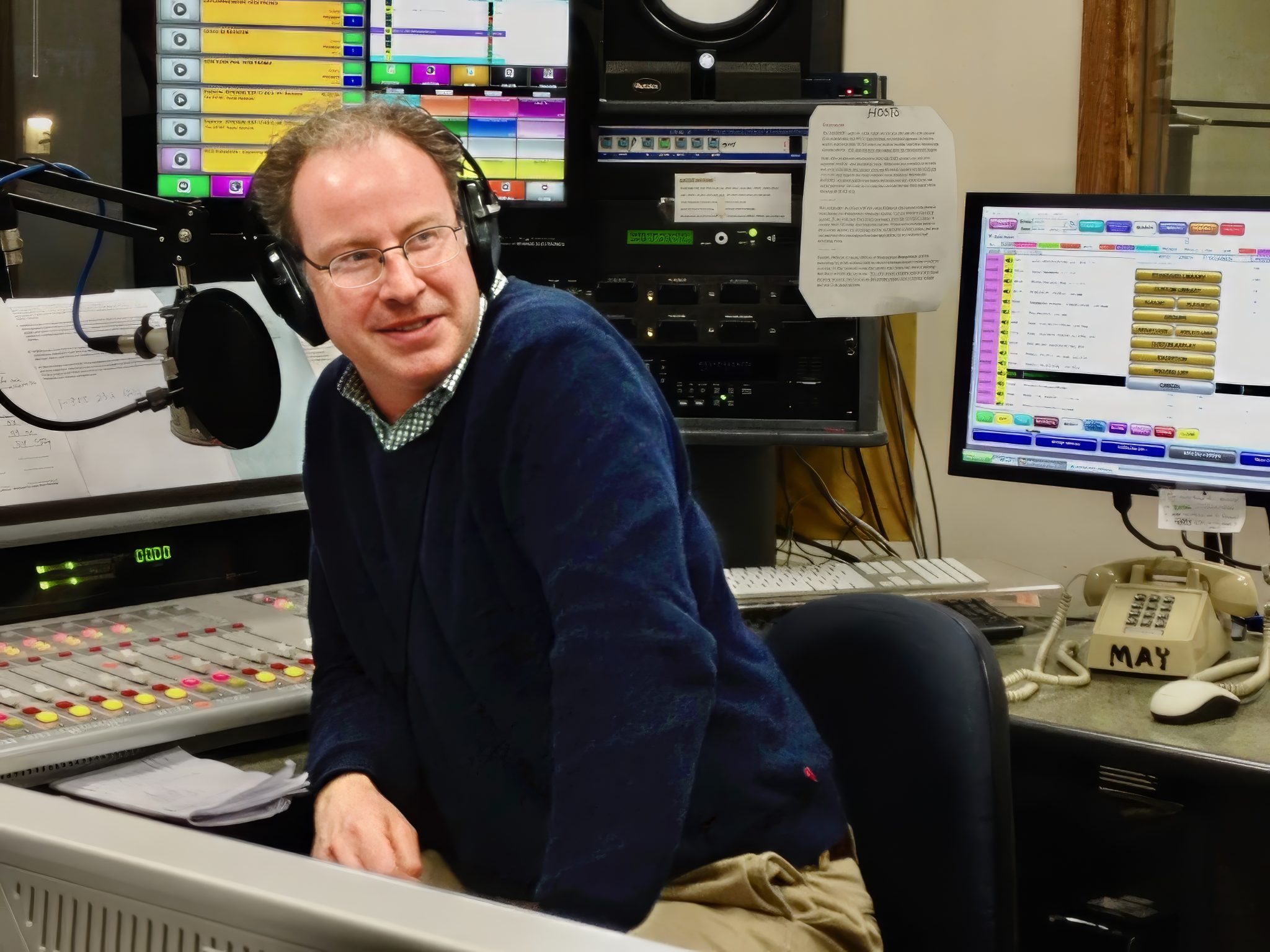
Here’s a little piece of frivolity I was reminded of this morning when responding to a comment by Joel Wagoner about the Polish composer Mieczysław Karłowicz, some of whose music I featured yesterday on “The Lost Chord.”
Joel, a longtime listener to my radio programs on several stations over the better part of three decades, reminded me that I had introduced him to Karłowicz’s music. He also recalled that the composer’s death, in an avalanche, was memorialized in a symphonic poem (“Kościelec”) by Wojiech Kilar.
This brought to mind an incident that took place, on the air, before an open microphone, in defiance of this most somber of biographical details.
I was introducing some of Karłowicz’s music and talking about the composer’s gloomy disposition and pessimistic nature; then, for whatever reason, I got to the part about the avalanche and I started laughing. The poetic justice of the manner of his demise just struck me as hilarious. I tried to fight it, but you know how it is – it’s like laughing in church or at a funeral or during a serious moment in a play – the more inappropriate it seemed, the harder it was to suppress it.
When you’re at the control board, you’re always supposed to pot down for a cough or a sneeze or to clear your throat – at least, you do if you’re a professional – but what do you do when you can’t stop laughing? I suppose there are worse things. If anyone was offended, I never heard about it.
It’s not the only time this happened to me on the air. Another time, I remember, someone called me up to ask, “Ross, what’s so funny?” I don’t remember now, but I’m sure it was something else inappropriate that popped into my head, and I couldn’t tell her.
This doesn’t bode well for my impending years in the old age home, when, in my senility, all my inhibitions fall away, and everything out my mouth is raw id.
Tag Cloud
Aaron Copland (93) Beethoven (95) Composer (114) Film Music (126) Film Score (143) Film Scores (255) Halloween (94) John Williams (189) KWAX (229) Leonard Bernstein (101) Marlboro Music Festival (125) Movie Music (141) Mozart (87) Opera (203) Philadelphia Orchestra (89) Picture Perfect (174) Princeton Symphony Orchestra (107) Radio (87) Ross Amico (244) Roy's Tie-Dye Sci-Fi Corner (290) The Classical Network (101) The Lost Chord (268) Vaughan Williams (103) WPRB (396) WWFM (881)
3 responses