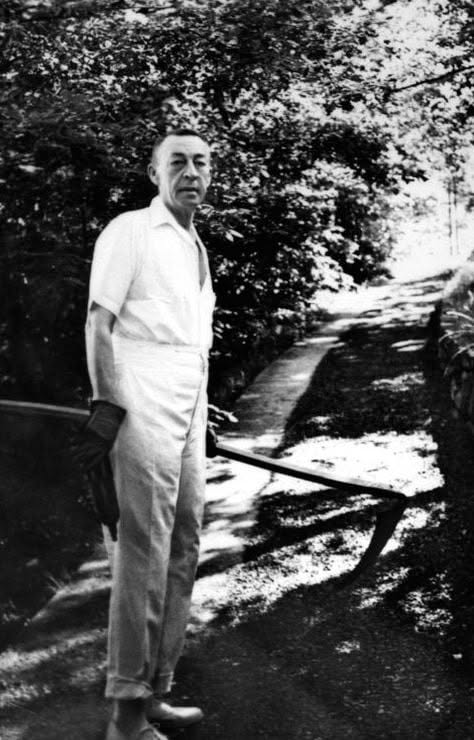
Everybody loves “Rhapsody on a Theme of Paganini.” One of Sergei Rachmaninoff’s greatest hits, it’s possible to hear it performed somewhere nearby just about every season. And why not? It’s a nice showcase for a pianist, with a catchy tune (from Niccolò Paganini’s 24th Caprice for solo violin) put through a series of virtuosic, playful and reflective variations.
Best of all is the famous 18th variation, in which the composer ingeniously flips the melody and turns it into one of the most luscious, romantic outpourings in the repertoire. You probably know it. It’s been used in numerous movies (“Somewhere in Time,” “Groundhog Day,” “Dead Again,” “The Story of Three Loves,” “Ronin”) and been excerpted for zillions of classical music compilation albums.
Rachmaninoff may have been a melancholy soul, but he also had a good sense of humor. Immediately cognizant of the 18th variation’s potential for broad appeal, he quipped, “This one’s for my agent.”
The final variation proved such a knucklebuster, the composer himself experienced anxiety over his ability to navigate it successfully before an audience. Prior to the work’s premiere, a colleague suggested he take a shot beforehand to calm his nerves. Allegedly he did so before every performance of the piece, which led him to dub the 24th variation, the “Crème de Menthe Variation.”
It was not for nothing that Stravinsky characterized Rachmaninoff as “six-foot-two of Russian gloom.” (Never mind the fact that Rachmaninoff was actually 6’ 6”.) He could be incorrigibly dour. So listen closely for his signature quotations of the “Dies Irae” – “Day of Wrath” – from the Mass for the Dead, also used in so many movies (“The Shining”) and by so many other composers (Hector Berlioz in his “Symphonie fantastique”). The 7th variation is an introspective meditation on it, and it comes back later, toward the end of the piece, as a quick brass chorale, to propel the piano to the finish.
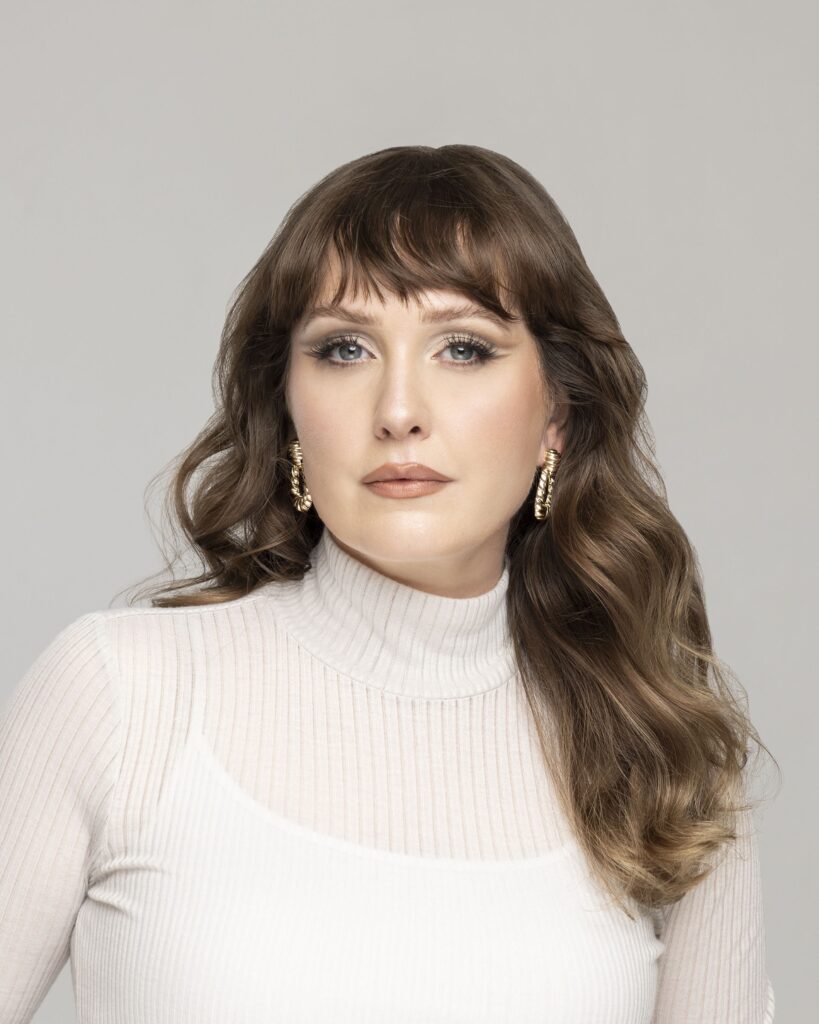
Hear “Rhapsody on a Theme of Paganini” on this weekend’s season-opening concerts of the Princeton Symphony Orchestra. Dmitry Shishkin will be the soloist. Also on the program, the Concerto for Orchestra by Béla Bartók and Joan Tower’s Suite from Concerto for Orchestra. Performances will take place at Princeton University’s Richardson Auditorium, Saturday at 7:30 and Sunday at 4:00. For tickets and information visit princetonsymphony.org.
On a related note, PSO principal bassoonist Brad Balliett will be at Princeton Public Library tonight at 6:30 to talk about, and answer all your burning questions in regard to, the bassoon. The event is free and open to the public. Attendees will have a chance to win tickets to this weekend’s concerts.
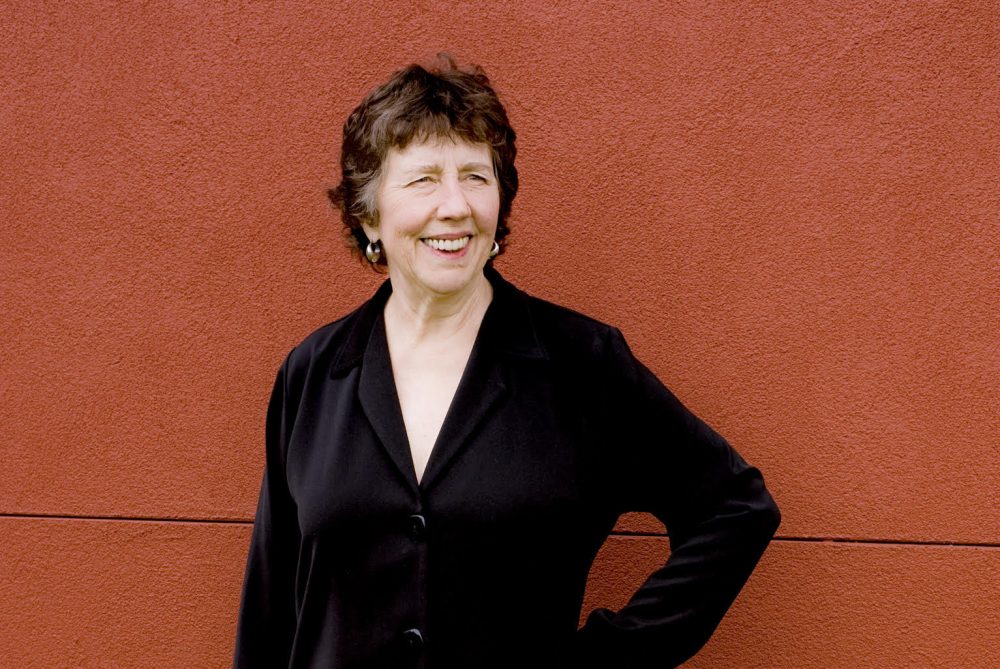
Here’s a good work for Labor Day, to mark Joan Tower’s birthday. However, “Made in America” (2004) really has nothing to do with manufacturing. Rather, it’s a musical appreciation of the United States by a composer who spent many of her formative years (ages 9-18) in Bolivia, where her father managed the tin mines.
Tower describes her inspiration for the work in her program notes:
“I crossed a fairly big bridge at the age of nine when my family moved to South America (La Paz, Bolivia), where we stayed for nine years. I had to learn a new language, a new culture, and how to live at 13,000 feet! It was a lively culture with many saints’ days celebrated through music and dance, but the large Inca population in Bolivia was generally poor and there was little chance of moving up in class or work position. When I returned to the United States, I was proud to have free choices, upward mobility, and the chance to try to become who I wanted to be. I also enjoyed the basic luxuries of an American citizen that we so often take for granted: hot running water, blankets for the cold winters, floors that are not made of dirt, and easy modes of transportation, among many other things. So when I started composing this piece, the song ‘America the Beautiful’ kept coming into my consciousness and eventually became the main theme for the work. The beauty of the song is undeniable and I loved working with it as a musical idea. One can never take for granted, however, the strength of a musical idea – as Beethoven (one of my strongest influences) knew so well. This theme is challenged by other more aggressive and dissonant ideas that keep interrupting, unsettling it, but ‘America the Beautiful’ keeps resurfacing in different guises (some small and tender, others big and magnanimous), as if to say, ‘I’m still here, ever changing, but holding my own.’ A musical struggle is heard throughout the work. Perhaps it was my unconscious reacting to the challenge of how do we keep America beautiful.”
The piece received its first performance in October 2005.
Tower is widely regarded as one of America’s foremost living composers, and is also one of the most successful women in the field.
The Princeton Symphony Orchestra will perform her Suite from Concerto for Orchestra on its season-opening concerts, alongside Rachmaninoff’s “Rhapsody on a Theme of Paganini” (with pianist Dmitry Shishkin) and Bartok’s Concerto for Orchestra (at Princeton University’s Richardson Auditorium, Oct. 17 & 18). For more information, visit princetonsymphony.org.
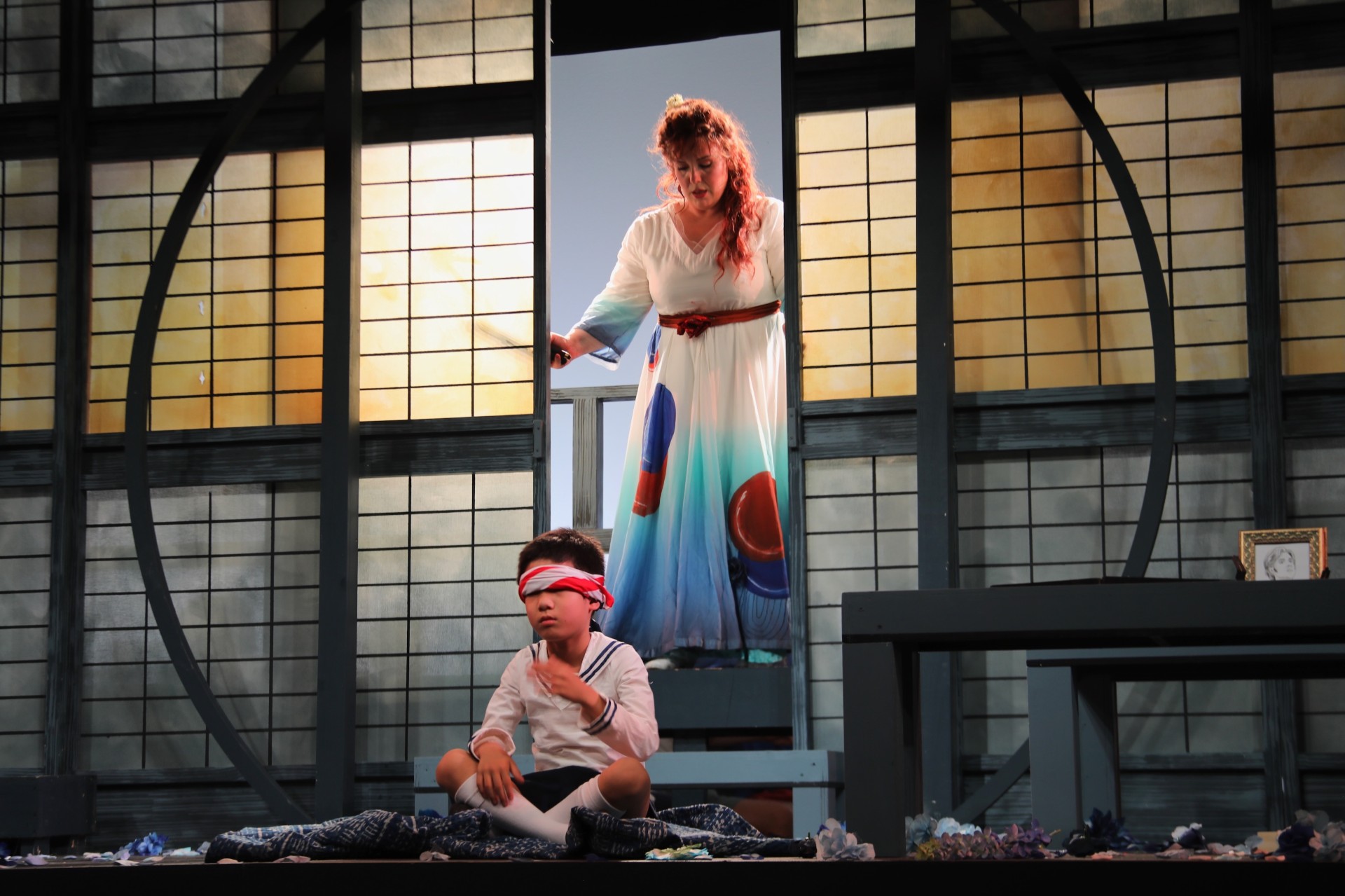
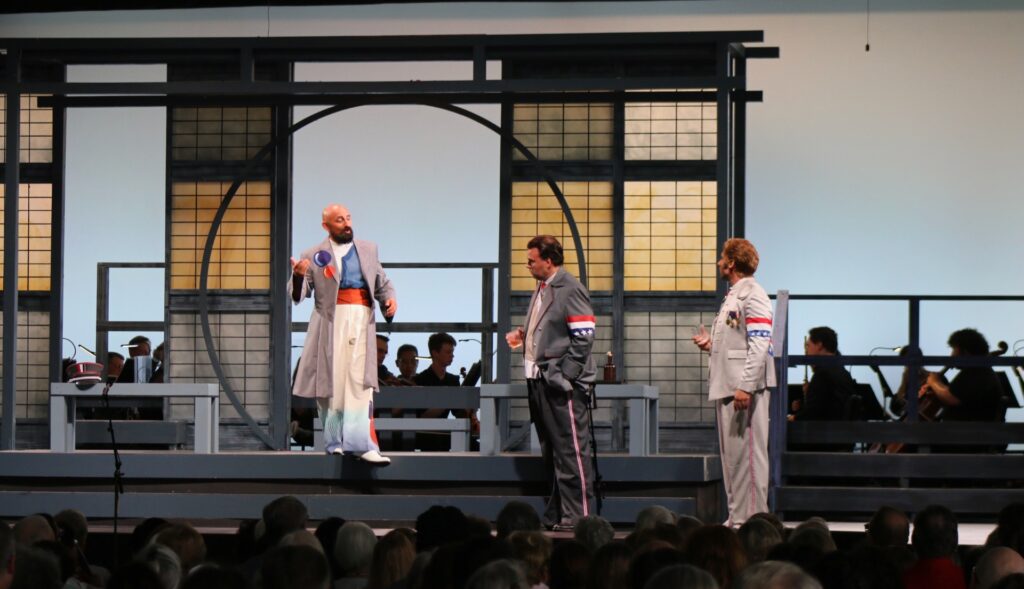
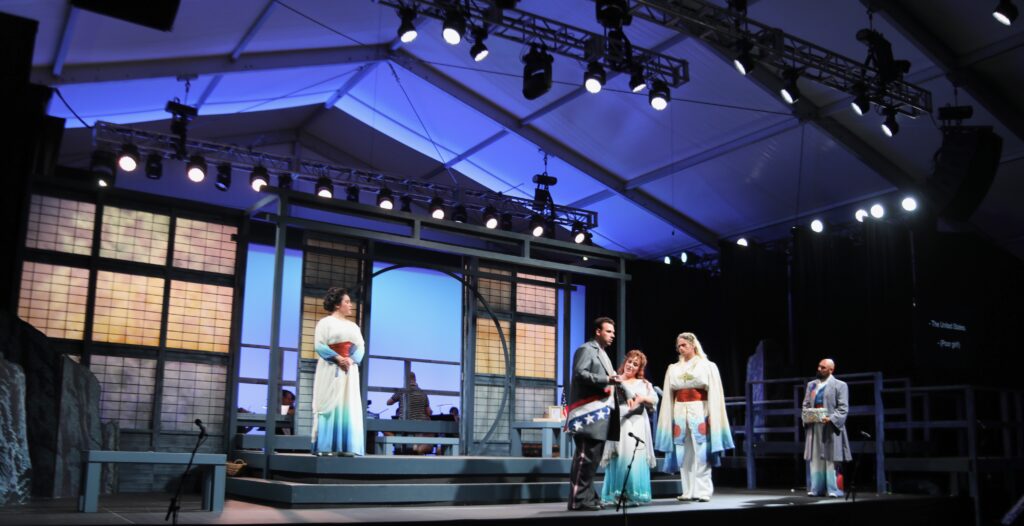
Not all the drama at Friday night’s performance of “Madama Butterfly” at the Princeton Festival was on stage. Friday afternoon, it was learned that soprano Toni Marie Palmertree, who performed the title role at the Met this season, and floored the audience with her big voice and passionate commitment in last year’s festival production of “Tosca,” would not be able to sing. So Brenna Markey, who had been cast as Kate Pinkerton – a much more modest role, with the character appearing only in the final act – stepped up to assume the vocal part while standing with the orchestra, somewhere behind the shoji that serves as the backdrop for much of the action, as Palmertree seamlessly lip synched and embodied the character physically.
Believe it or not, this is not an unknown occurrence in opera. It’s not an everyday experience, by any means, but it happens with more frequency than, say, a shark attack.
Even so, this proved to be an especially harmonious piece of collaboration and improvisation. Palmertree performed her part, as Markey did her thing, with as much conviction as she would have, had the entire portrayal rested with her. Consider the challenges, the innumerable interpretive choices that a singer makes, practically intuitively. Any number of these would necessarily have been different from what Palmertree herself might have chosen. They had to be fielded – absorbed, assimilated, and responded to – instantaneously.
Also of concern, naturally, was how a pantomimed Butterfly would meld with the rest of the ensemble, as the other singers would also have to react and blend their voices to match a backstage performer totally invisible to them. Yet to a person, they all supported the illusion, while expressively meeting the demands of their individual roles, which could not have been easy. We’re talking about some serious “Roger Rabbit” interaction here.
Kudos to the sound crew, which must have really had to ride Markey’s microphone to keep the blend realistic (the rest of the cast was unamplified) and at a level that, for anyone in the audience who happened to walk in late and miss the announcement, unobtrusive, in purely musical terms. I doubt, if one were to close his or her eyes that, on a superficial level, he or she would have noticed the difference – except perhaps for one element. More about that in a bit.
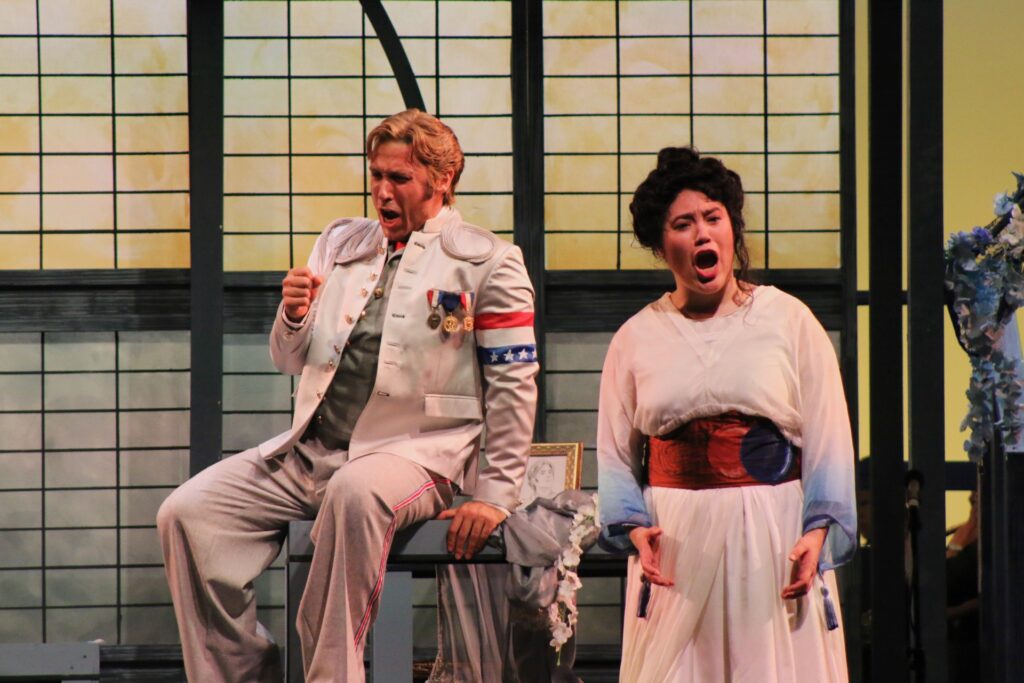
In particular, tenor Victor Starsky, who made such a strong impression last year as Cavaradossi (and held his own opposite internationally renowned soprano Sondra Radvanovsky at the festival last week), impressed with more than just his voice. It can’t be easy to exchange those ardent phrases believably with a vocal partner who isn’t actually standing in front of you.
I was also blindsided by mezzo-soprano Kayla Nanto, whose Suzuki really snuck up on me. Her characterization broke my heart well before the final curtain’s coup de grâce. Of course, a lot of that is already baked into the work’s construction. But it sure does help to have performers of this caliber!
In fact, I am hard pressed to think of anyone in a major role, or even in a walk-on, who didn’t please. Bass-baritone Nan Wang brought the necessary authority to Bonze. He has one scene, but his shunning of Ciao-Ciao-San continues to resonate in her poverty and isolation.
Tenor Nicholas Nestorak – who sang Spoletta, Scarpia’s right-hand man, in last year’s “Tosca,” and was one of the vocal soloists in Stravinsky’s “Pulcinella” when the Princeton Symphony Orchestra performed it at Richardson Auditorium this past season – played the opportunistic marriage broker Goro, who seemed more genial and less conniving than usual. But maybe I was just distracted by his fun-and-flirty costume. (More on that coming also.) He was in good voice, though.
Baritone Joel Balzun was solid as Pinkerton’s friend, the American consul Sharpless, who repeatedly cautions against his cavalier manner and the perils of fishing in forbidden waters. “This might be a joke to you,” he warns, “but she believes it.”
“A vagabond Yankee enjoys himself and does business without concern for risk,” Pinkerton sings.
Of course, this statement has increased resonance in 2026, and revisiting the opera the other night, it seemed astonishingly contemporary in other unanticipated ways. I mean, Butterfly was always 15 at the start, but now with the Epstein files being so much in the news, it’s hard not to have current events unwittingly color one’s reactions.
Clearly, the production could have gone at it with a heavy hand, but the details are still left to speak for themselves. It’s the audience’s perception of the material that’s shifted to a perhaps unexpected degree, with what Pinkerton represents bringing a stronger kick (and ick) than might have been the case in the past.
That’s no reflection on Victor Starsky’s characterization. The tenor also sings it straight. Pinkerton’s a young man, footloose and fancy free in what was then referred to as the Orient. Life’s a lark and he indulges his passions in what he perceives as a kind of fairy tale pleasure garden. So intoxicated is he, he confides, he’s not even sure if it’s a whim or if he really is in love.
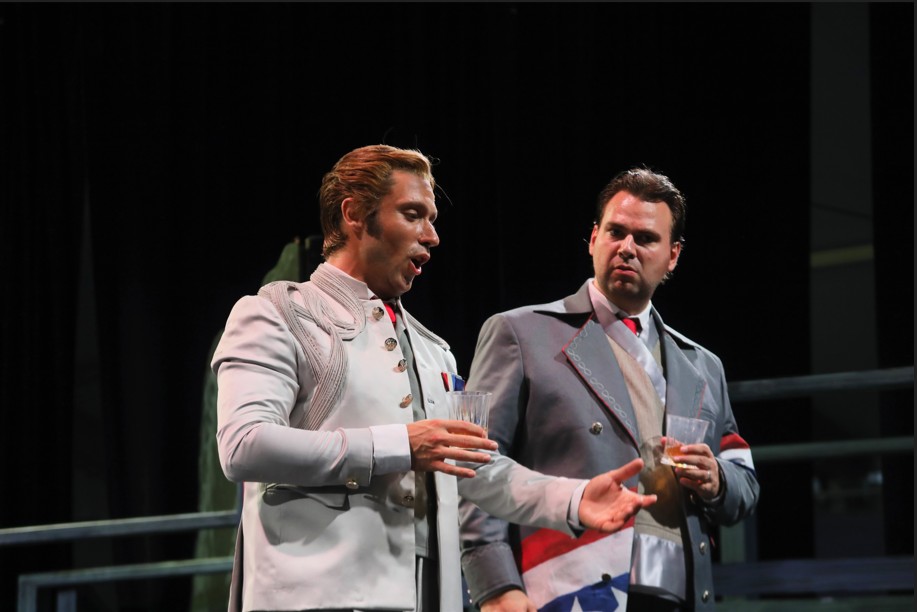
In his meeting with Sharpless, he raises his glass to toast, “America forever!” He also has his friend drink to the day he “marries for real to a true American wife.” It’s hard to feel any sympathy for this character – he’s frustrating as hell and his actions are despicable – but he shouldn’t be played as a villain. He’s just clueless, self-centered, and oblivious to consequences. Even at the end, although he is devastated by the results of his actions, his capacity for empathy proves limited. Everything is always all about him.
I have to say, this production makes some very peculiar aesthetic choices in the costume department (the costume designs are by Neil Fortun), and many of them come across as misguidedly whimsical.
Pinkerton makes his entrance in a white jacket emblazoned with a stylized American flag and red, white, and blue arm band, for me conjuring associations with an Evel Knievel stunt suit.
Sharpless’ attire bears a similar design, but on a gray frock coat, suggesting his diplomatic position.
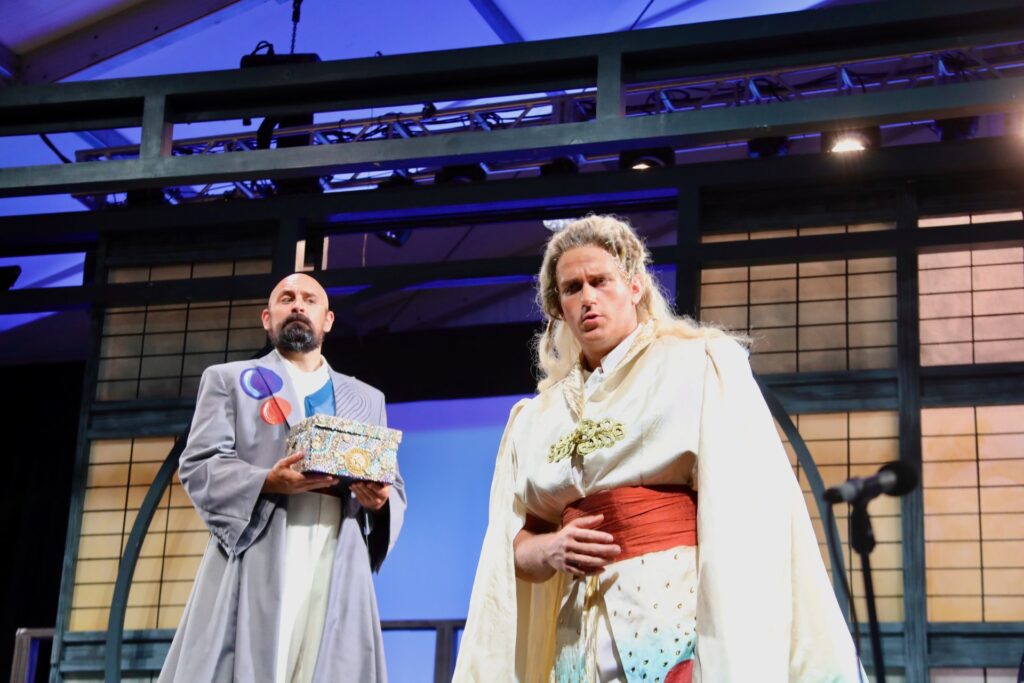
Perhaps most amusing of all is Butterfly’s would-be suitor, Yamadori (baritone Jacob Hanes), who shows up looking like glam elf Legolas. Don’t get me wrong, I would have loved to have worn that get-up, if I could have pulled it off. But I will never be blond enough or have so much hair again. Not a criticism of Hanes, but the costume made him memorable for all the wrong reasons. But I could tell he was digging it at the curtain call (as I would have too!).
The broader sartorial vibe suggests a utopian science fiction movie, an indeterminate land, though the shoji, paper lanterns, and some of the hair styles anchor it in Japan.
Conditions are very different now than they were at the time of the opera’s first performance, more than 125 years ago. We’re living in a more reflective, internationally-conscious age. Or some of us are. “Butterfly” is an opera that, more than most, draws criticism for, among other things, a tendency for Westerners to play the East Asian parts. And while I am sensitive to that concern, I’m not sure handing out Pagliacci party pajamas, raided from Ringling Brothers clown college, is the solution.
This production has no “yellow face” or uncomfortably-pronounced attempts at “Asian” make-up. (Butterfly has wavy auburn hair.) But with the quasi-kimonos and would-be nihongami hairstyles, it is unquestionably set in Japan. So what’s the point of the costumes? Are we supposed to be in Oz? Hanging with Willy Wonka? At a Lord of the Rings birthday party? (There are balloon-like patterns on everything.) If they wanted to go full-on Jedi “sweet 16” sleepover, they should have just done it.
By contrast, the scenic designer Blair Mielnik came up with a fairly traditional, functional set, with aforementioned shoji, complete with sliding door, a porch, and a kind of rustic boardwalk at stage left, which allowed not only for character entrances and exits, but also created another tier for the singers.
Despite the use of the aisles for some character entrances and exits and processionals to and from the stage, nothing really exploited the unique dimensions of the performance pavilion to the degree of last year’s spinetingling moment when the audience suddenly found itself surrounded by a choral procession at the Basilica di Sant’Andrea della Valle. But “Butterfly” is a different opera, lacking the political machinations and ecclesiastical grandeur that heighten the human drama at the heart of “Tosca.”
Silhouettes against rice paper are nothing new, but the punctuation mark of a cascade of cherry blossoms at the end was a nice touch (Eve Summer is the stage director), a visual expression of the emotional final blow.
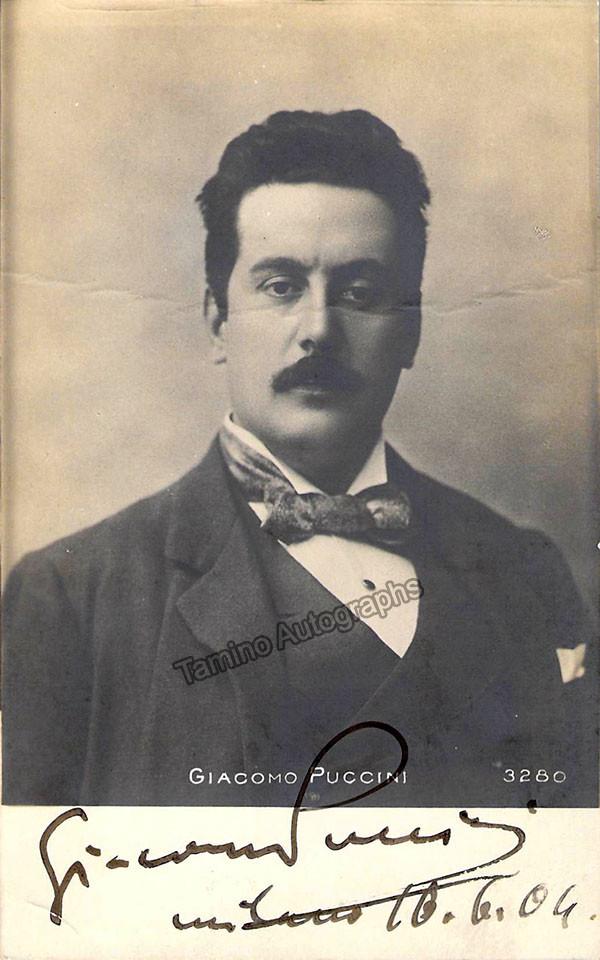
Puccini really twists the knife in this one (literally and figuratively). Butterfly sings of her namesake, “They say overseas if it falls into someone’s hands it is pierced with a pin.” Her excruciating downfall is almost too much to bear. Why do we continue to do this to ourselves? Why do audiences voluntarily, eagerly subject themselves to these sado-masochistic, verismo tragedies? Because Puccini is seldom less than swooningly beautiful. The music at times would be downright saccharine if it wasn’t composed with such sincerity, and if every note didn’t convey such authentic (albeit heightened) human emotion.
But even under the best of circumstances, “Butterfly” is rough: three acts of relentlessly heartbreaking degradation. Yet here I was, still haunted by the “Humming Chorus” the next morning. It’s an undeniably powerful piece of theater, and a beautiful one, but it is hard.
It’s also a peculiar choice for this summer of America’s Sesquicentennial. Of all the operas, they had to choose one in which the United States is shown at its selfish, imperialist, consequences-be-damned worst. Lieutenant Benjamin Franklin Pinkerton, who serves on the gunboat USS Abraham Lincoln, is supported by grotesque distortions of the “Star-Spangled Banner.”
I understand American operas aren’t likely to pack the house, but if they were going to do Puccini, couldn’t they have gone with “La fanciulla del West” (“The Girl of the Golden West”) – perhaps the world’s first spaghetti western – set in a California mining town? The music is equally beautiful, local color is emphasized over politics (foreigners resent U.S. imperialism, but they sure are fascinated by cowboys), and it has a happy ending. Also it’s set in the mountains in winter, allowing everyone to think cool thoughts.
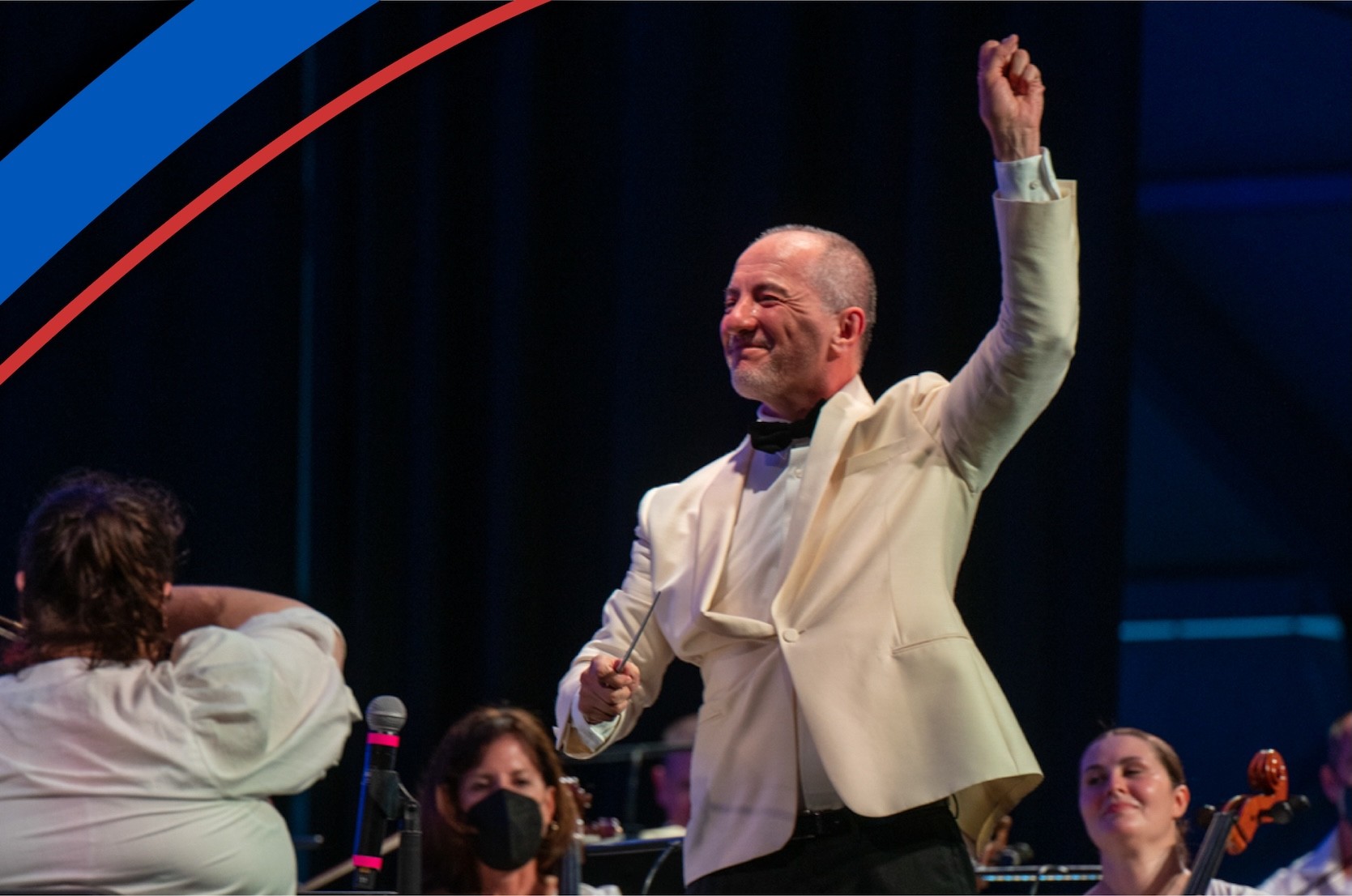
Be that as it may, the orchestra played “Madama Butterfly” with emotion, momentum, and striking unanimity for its 3-hour-plus running time, under Rossen Milanov’s assured direction, which surely demonstrated their extraordinary commitment to the score – which was all the more remarkable, as they were essentially hot-boxed between shoji and large screen, on which were projected colors and shades according to the dramatic demands of the moment, at the back of the tent. On Friday, the heat index by late afternoon had hit 100.
Soprano Aubry Ballarò covered for the unexpectedly promoted Markey. Ballarò, as I noted following her appearance with the PSO earlier this past season (when she appeared with Nestorak in “Pulcinella”), has a smaller voice. The character of Kate Pinkerton doesn’t have a lot to do, which is unfortunate, because Ballarò proved that she has more to offer when she is given other singers to work against. She has a beautiful voice, but on Friday, I could barely hear her.
Unquestionably, it was a great night for Markey, but Starsky reminded me of what was missing from an otherwise admirable performance, and that was the visceral power of the human voice emanating from a singer on stage, projecting into the audience. Friday, it couldn’t be helped. The show went on, the drama was intact, and Markey really did save the day.
There’s one more performance of “Madama Butterfly” at the Princeton Festival, Sunday, June 14, at 4 p.m. Whether or not Palmertree will recover her voice, Markey will sing from the wings, or if she can be costumed and drilled sufficiently in the blocking so that she herself can appear onstage, remains to be seen. But no matter who assays the title role, you can be guaranteed to experience the opera with really first-rate singers and an orchestra that does them – and Puccini – proud.
The Princeton Festival runs through June 21 at Morven Museum & Garden, 55 Mercer Street (Route 206), in Princeton. For tickets and information, visit princetonsymphony.org/festival.
It’s June, and the performance pavilion is up at Morven Museum & Garden! Who’s ready to hear some music? Opera, cabaret, Baroque, dance, Great Ladies of Jazz, Time for Three, the Bacon Brothers, Queen Nation, and a pops concert in celebration of America’s 250th birthday – the Princeton Festival will begin on Friday and run through June 21.
Main stage events will be held on the grounds of Morven, at 55 Stockton Street (Route 206), with Baroque concerts held across the way, at Princeton’s Trinity Church (33 Mercer Street).
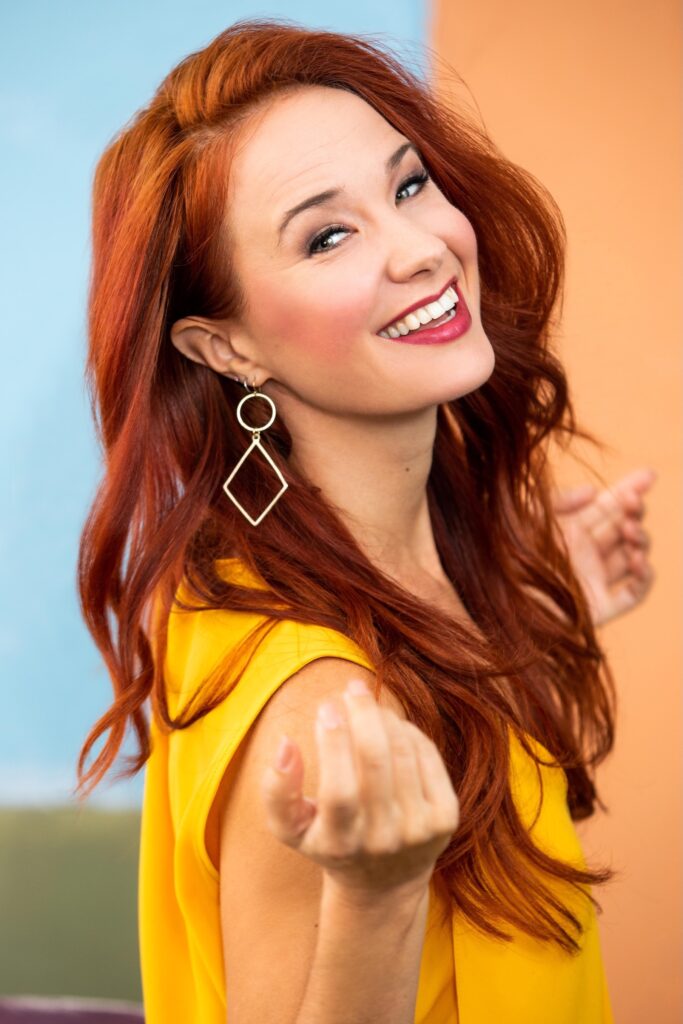
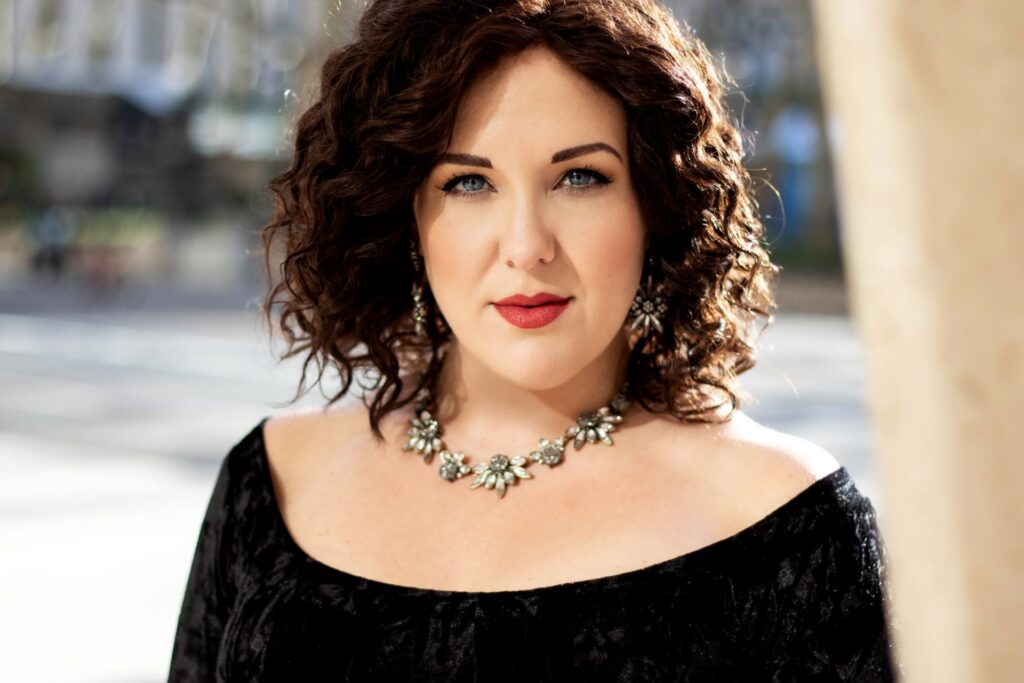
On opening night, Broadway superstar Sierra Boggess (“The Little Mermaid,” “The Phantom of the Opera”) will perform cabaret-style, with piano, sharing showtunes, songs, and personal anecdotes (Morven, Friday at 7 p.m.).
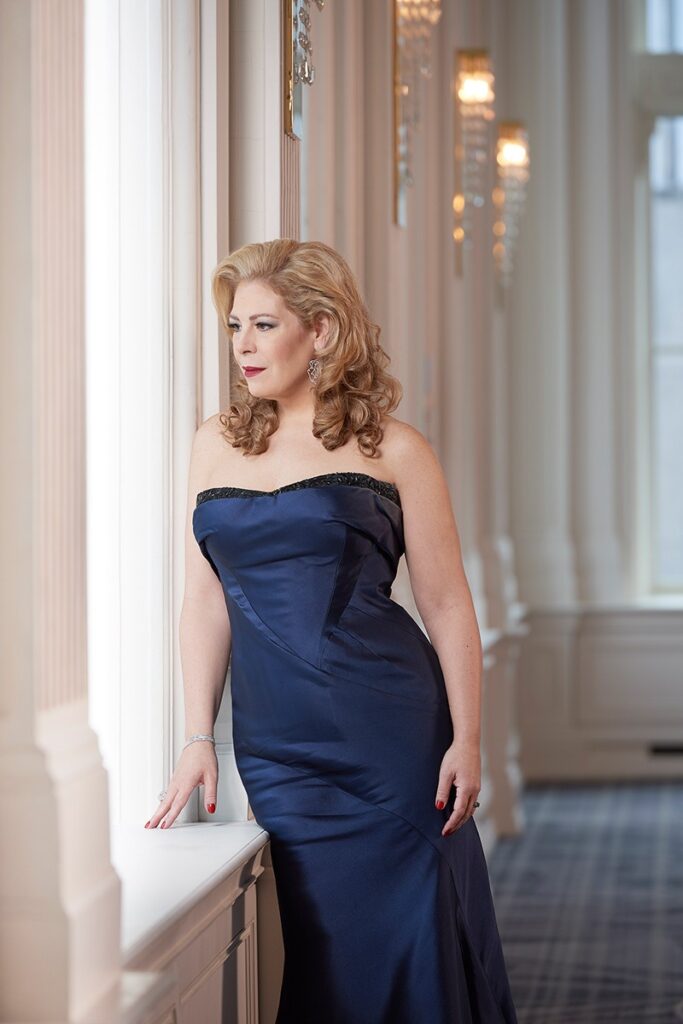
Then will be a big treat for opera lovers, as world-renowned soprano and Metropolitan Opera star Sondra Radvanovsky will headline a program of moving arias, duets, and orchestral interludes from the Italian repertoire, including works by Puccini, Verdi, Mascagni, and Giordano. For the duets, she’ll be joined by Festival veteran Victor Starsky, who will also perform the showstopper “Nessun Dorma.” The Princeton Symphony Orchestra will be conducted by Rossen Milanov (Morven, Saturday at 8 p.m.).
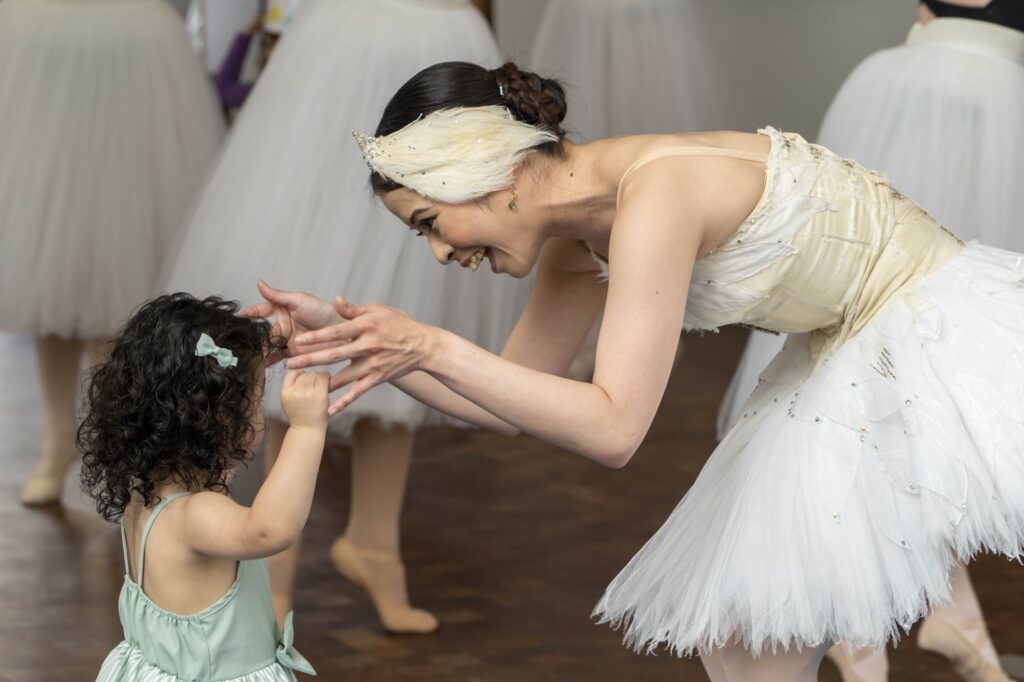
Sunday will be the Festival’s Community Day, which will include free morning Yoga in the Garden (9 a.m.) and, in the afternoon, family friendly activities, such as an Instrument Petting Zoo, a Musical Story Time, a Quilting Exhibition “Harriet Powers: American Icon,” with the Princeton Sankofa Stitchers Modern Quilt Guild, and American Repertory Ballet‘s 30-minute “Swan Lake Experience,” an accelerated story of the ballet with audience participation (12-3 p.m.).
In the evening, Milanov and the PSO will return in support of the dancers for a program including celebrated pas de deux from Tchaikovsky masterworks (including “Swan Lake”), a ballet set to a neglected gem by Jean Françaix – his Piano Concerto, with Steven Beck the soloist – and a world premiere choreographed to music by Pulitzer Prize winner Caroline Shaw (Morven, Sunday at 7 p.m.).
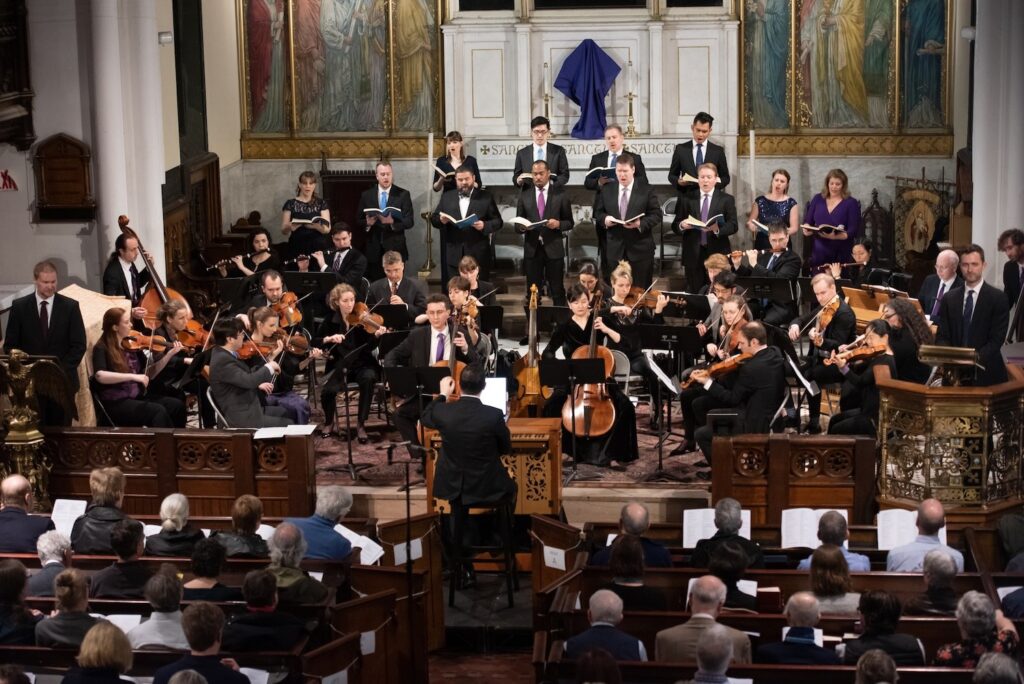
Two Baroque concerts will be offered on weeknights at Trinity Church, with The Sebastians performing a program of Bach cantatas, BWV 140 “Wachet auf, ruft uns die Stimme” (“Sleepers Awake”) and BWV 80 “Ein feste Burg ist unser Gott” (“A Mighty Fortress Is Our God”), alongside the Orchestral Suite No. 2 in B minor (Trinity, next Tuesday at 7 p.m.).
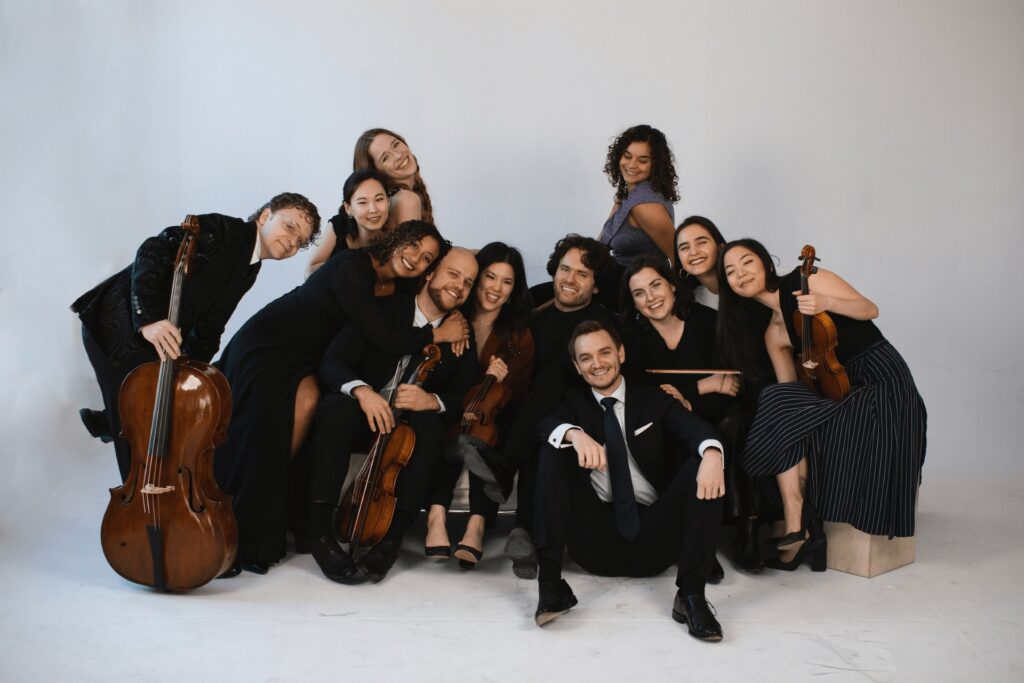
Vivaldi’s “The Four Seasons” will highlight a program performed by the ensemble Twelfth Night that will also include works by Pietro Locatelli, Arcangelo Corelli, and Francesco Durante (Trinity, next Thursday at 7 p.m.).
This year’s fully-staged opera will be Puccini’s “Madama Butterfly.” Soprano Toni Marie Palmertree, who really threw herself into the role (and off Castel Sant’Angelo’s parapet) last year as Tosca – and who recently sang “Butterfly” at the Met – will sing Cio-Cio-San. Victor Starsky, who gave an impassioned performance as Tosca’s lover, Cavarodossi (and, again, will sing with Radvanovksy this Saturday) – will return as Pinkerton. Once again, Milanov will conduct the PSO. The opera will be heard in two performances (Morven, Friday, June 12, at 7 p.m.., and Sunday, June 14, at 4 p.m.).
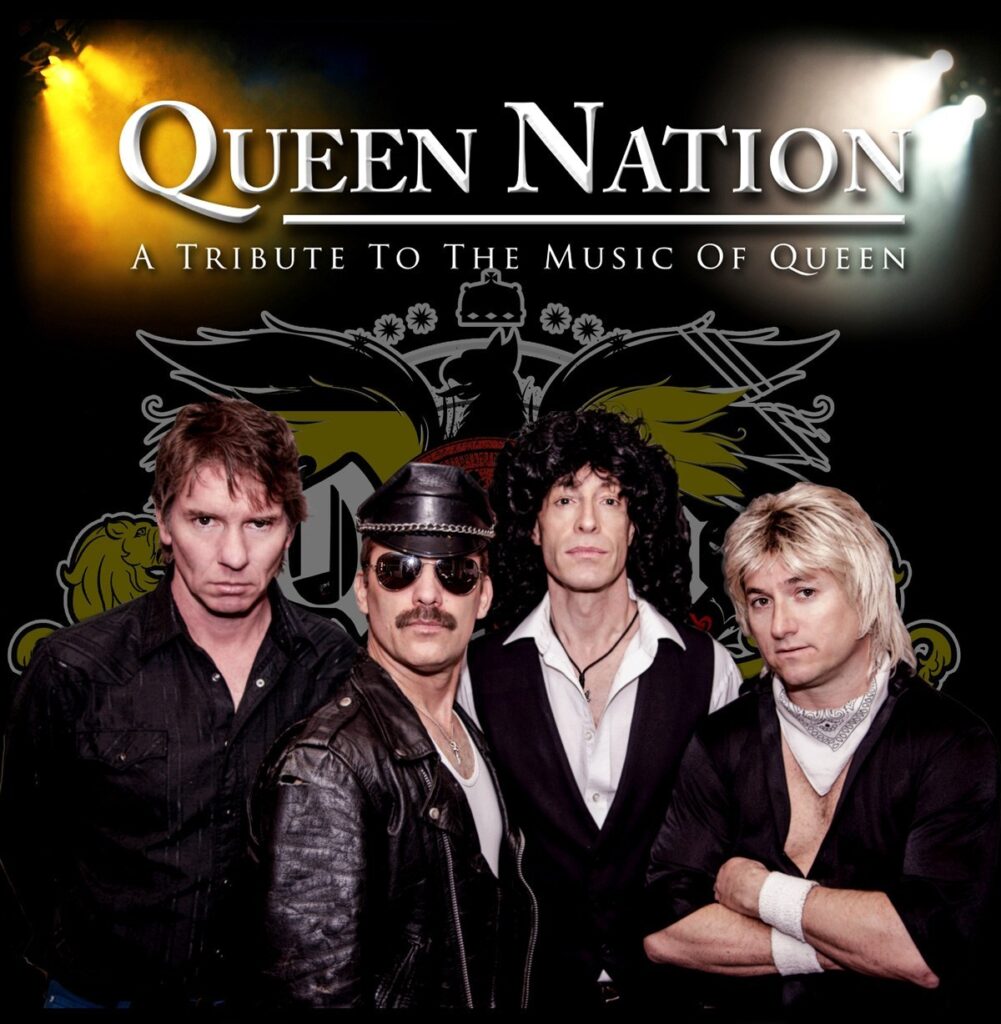
Impassioned music-making of another sort will rock the pavilion – and you – as musicians of Queen Nation, billed as the undisputed #1 Queen Tribute Band in the United States, declare themselves the champions in iconic Queen ‘70s and ‘80s-era costumes (Morven, Saturday, June 13, at 7 p.m.).
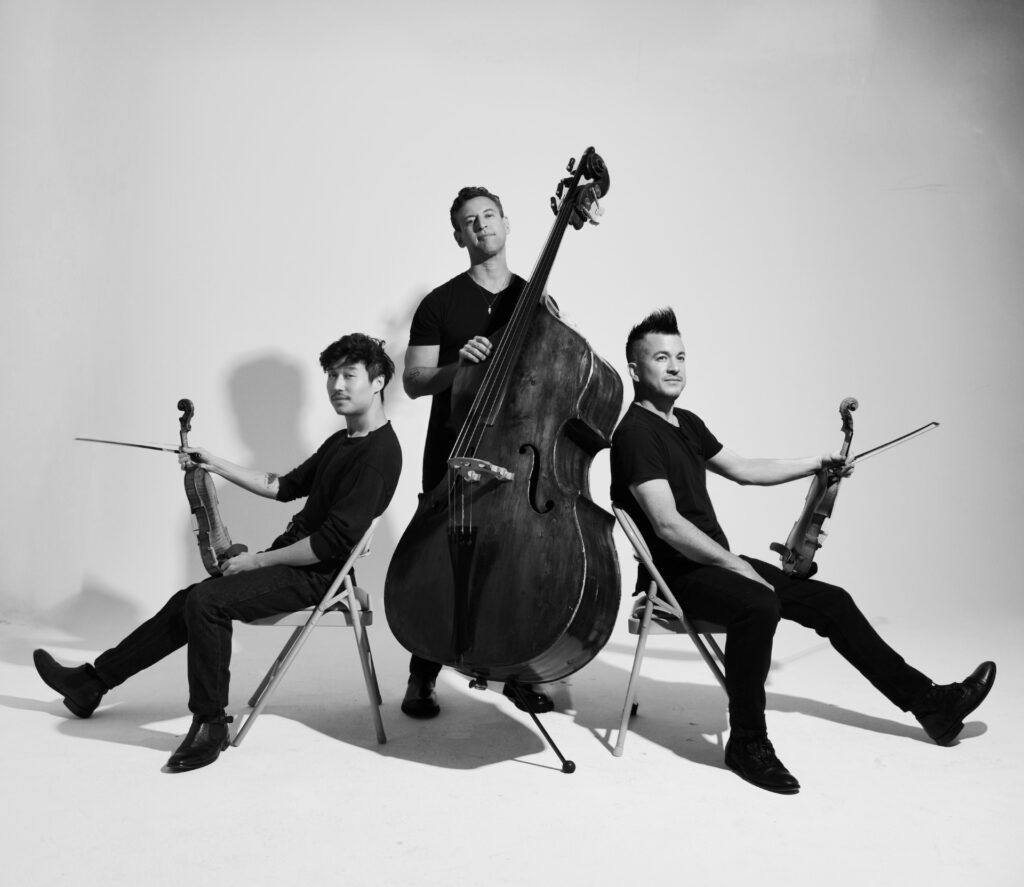
Grammy and Emmy Award-winning ensemble – and Festival favorites – Time for Three will return with another genre-defying program. The trio of Ranaan Meyer (double bass, vocals), Nicolas “Nick” Kendall (violin, vocals) and Charles Yang (violin, vocals) merge classical, Americana, and singer-songwriter traditions into a singular, remarkable sound. As always, in the spirit of spontaneity, as always, the group will announce its selections from the stage (Morven, Thursday, June 18, at 7 p.m.).
The concluding weekend will be a three-day showcase of American music, in celebration of America’s Semiquincentennial, with additional family events on Sunday. The weekend will be presented in partnership with the Municipality of Princeton.
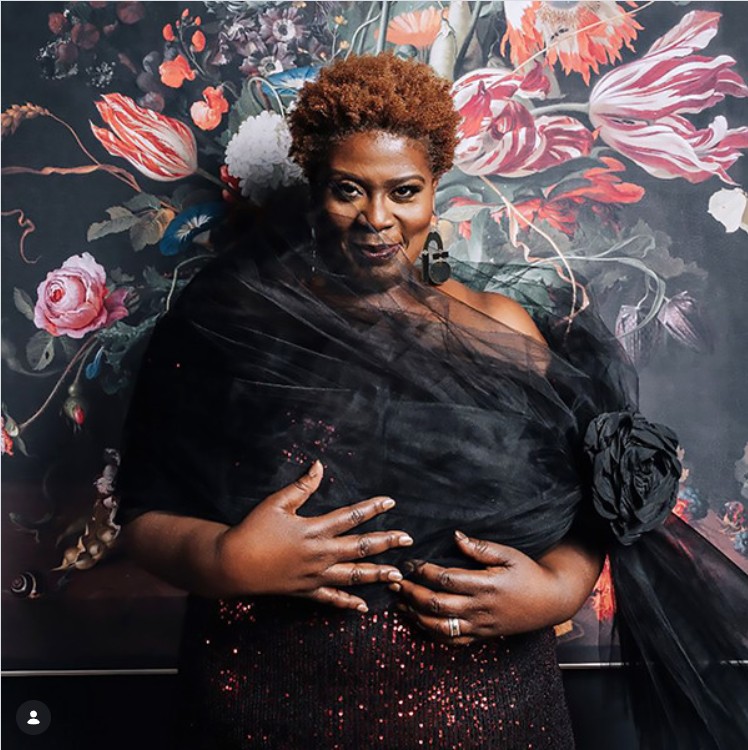
Great Ladies of Jazz will be a tribute to Ella Fitzgerald, Sarah Vaughan, Billie Holiday, Judy Garland, and Ginger Rogers, among others, starring Capathia Jenkins and Aisha de Haas. Lucas Waldin will conduct the Princeton Symphony Orchestra (Morven, Friday, June 19, at 7 p.m.).
A pre-concert talk, “Jazz and the Civil Rights Movement,” will be delivered by Princeton University voice teacher Dr. Rochelle Ellis. Treats will be available to sample from Tipple & Rose, and Morven’s Museum will be open with free admission from 5-7pm in recognition of Juneteenth.
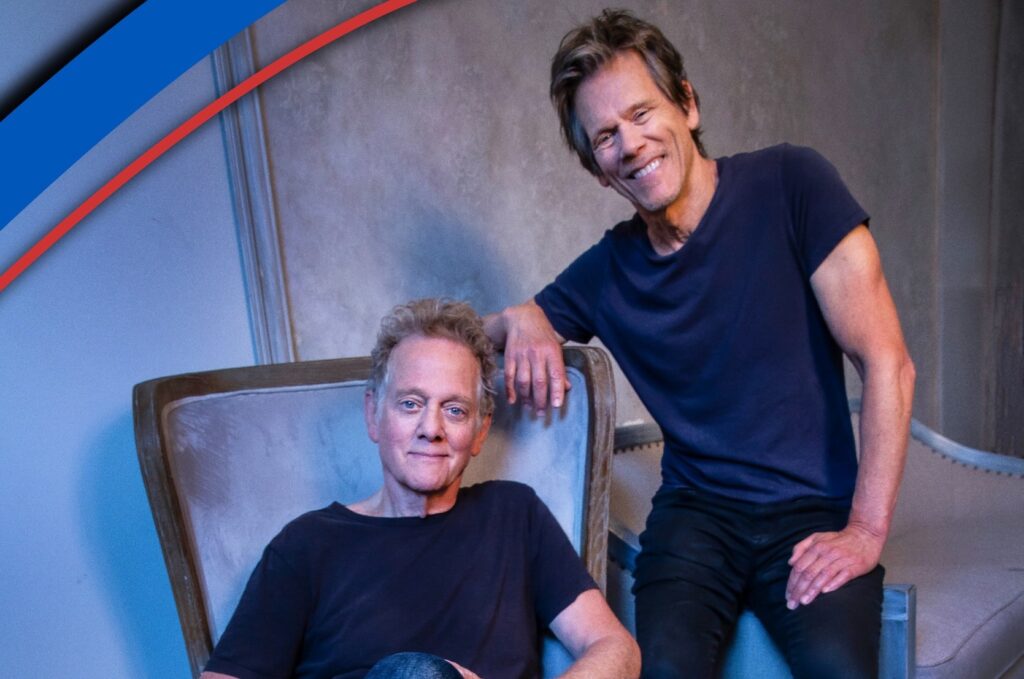
The Bacon Brothers, Emmy-winner composer Michael and A-list actor Kevin (of “Footloose” and “Apollo 13” fame), will play a mix of folk, rock, soul, and country music. Olsson’s Fine Foods will be onsite with Happy Hour Boxes filled with gourmet cheeses and sandwiches. (Morven, Saturday, June 20, at 7 p.m.).
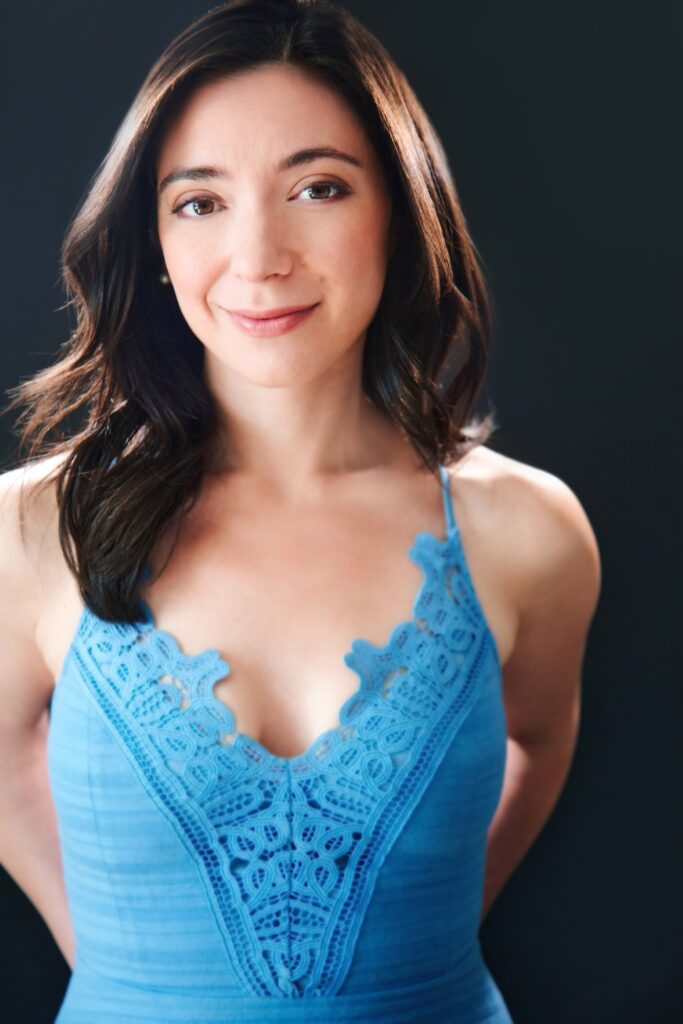
Finally, the Princeton Symphony Orchestra will offer a star-spangled salute with “American Fanfare,” featuring Broadway vocalist Julie Benko (“Funny Girl”). The patriotic program will include works by Aaron Copland, Valerie Coleman, Virgil Thomson, Richard Rodgers, Harold Arlen, and John Philip Sousa. America 250 flags and red, white, and blue pom-poms will be given out to the first 150 to enter the grounds (Morven, Sunday, June 21 at 3 p.m.).
Prior to the concert, free family fun for children of all ages will be available, beginning at 1:00.
Picnic boxes from Jammin’ Crepes may be pre-ordered up to 48 hours before each mainstage Festival performance, except the June 6 Sondra Radvanovsky concert.
Tickets and information are available by phone at (609) 497-0020 and online at princetonsymphony.org/festival.
If you needed a reminder of just how good an orchestra the Princeton Symphony Orchestra is, you needed look no further than this past weekend’s concerts, in which the ensemble played two new works with such commitment that you would have sworn that they are standard repertoire.
“Extra(ordinarily) Fancy,” composed in 2019-20 by Princeton alumnus and Curtis graduate Viet Cuong is so much fun, it would not have been out of place among the riotous offerings on a Hoffnung Music Festival concert. Except, unlike the works on those overtly comedic outings, the piece never descends into parody. What we have are two oboe soloists, positioned before a chamber orchestra, complete with harpsichord continuo, embarking on what seems like a piece of ersatz Baroque music, but soon engaging in a battle of wills as one of the oboists decides to spice things up with multiphonics (an extended technique in which the player produces multiple tones at once).
The contagion creeps across the entire orchestra, augmented by xylophones, Leroy Anderson “Sleigh-Ride” style slapsticks, and bass drum. It also ramps up the dance inflections inherent in the ordinarily somewhat lugubrious Baroque passacaglia (itself with roots in courtly dances of 17th century Spain). The soloists, PSO principal oboist Lillian Copeland and Erin Gustafson struck just the right tone, metaphorically speaking, with first rate musicianship and some playful reactions to the discords, employing just enough restraint to get the humorous point across without distracting from the music with too much mugging. Furthermore, at ten minutes, the piece does not outstay its welcome. It’s a great curtain-raiser and deserves wider popularity.
That was followed by the world premiere of a new harpsichord concerto by Princeton resident Julian Grant. The title, “Vaudeville in Teal,” is meant to tip us off not to expect a three-movement concerto in the classical mold, but rather a kind of sequence of varying moods and character that Grant sees as musically analogous to the vaudevilles that were popular around the turn of last century.
As he described it to me when we discussed it last week, “It’s rather like a show with lots of disparate acts. You know, like the old-fashioned vaudevilles used to be. You’d have someone come on and do bird impressions, there’d be a flea circus from Russia, Anna Pavlova would do ‘The Dying Swan,’ you know. Some singer would come on and sing ‘O sole mio.’ I just imagined that the piece would be kind of slightly random sections.”
The movements are given one-word titles, some of them rather whimsical especially in relation to the content: “Curtain,” “Tarantella,” “Threesome,” “Fairies,” “Spiel,” and “Follies.” These flow into one another without break.
Despite the droll concept, you’d have to listen hard to detect anything arch or campy in the music itself. For all Grant’s playfulness, there’s no question it’s a serious piece. Moreover, it is a much more cohesive work than the “vaudeville” conceit would suggest. At the core of Grant’s musical output are 20 operas. So attuned is he to a sense of line that I think it must have carried over to his episodic concerto.
The work is ingeniously scored for harpsichord, string orchestra, obbligato bass clarinet, and bassoon, as the handling of these self-imposed “restrictions” proved masterful. Who knew there could be so many colors to be drawn from such a limited palette? (Speaking of color, the use of “Teal” in the title is much less mysterious than it might at first be assumed: it’s the color of Grant’s harpsichord!) Furthermore, the composer deploys his forces in such a way that he repeatedly sidesteps a major pitfall in writing for such a conversational instrument, as it could easily be drowned out by a modern orchestra. It was fascinating to observe all the ways he managed to address this potential limitation. Even so, the harpsichord was unobtrusively amplified.
Principal clarinetist Pascal Archer (on the bass clarinet) and principal bassoonist Brad Balliett played, alone and in tandem, with gorgeous, often ruminative expressiveness throughout. In fact, everyone was given ample opportunities to shine. The work begins and ends with a figure on double bass, played on the weekend concerts by PSO principal John Grillo. Grillo also had a significant part in “Threesome,” as one third of a trio with bassoon and harpsichord. Concertmaster Basia Danilow was required to step up, figuratively speaking, for glinting solos in “Tarantella” and “Follies.” Periodically the atmospheric strings would snap into focus for satisfying passages that seem to share a spiritual kinship with Béla Bartók and Benjamin Britten. “Spiel” was a spotlit moment for harpsichord alone.
The bass contribution was not the only recurring signpost. There was also a unifying three-note motif to help orient the listener and a kind of recitative played on the harpsichord, notably at the beginning of “Threesome” and again toward the end of the piece.
The eminent harpsichordist Mahan Esfahani was seated in profile to the audience. (Often in Baroque music, the instrument is at the center of the orchestra, with the player facing forward, the keyboard hidden, as was the case in Cuong’s piece.) Esfahani did not play the fabled teal harpsichord, but rather another instrument from the same company, black on the outside, but the raised lid revealing a painted maritime scene.
This was not your great-great-great-great-great-great-great-great-great-great-grandparents’ harpsichord concerto. Esfahani played with the commitment and intensity of a piano soloist, several times rising in the bench as if it were a saddle on a galloping horse because of the expressive demands of the piece. Virtuosic fingerwork on two manuals produced subtle shifts in timbre, especially in moments when he played croisée (depressing notes on the two keyboards at the same time) or repositioned stop levers, kind of like an organist, making the instrument sound more like a lute or a harp. In addition, he frequently adjusted the upper keyboard to engage the instrument’s coupler mechanism (that couples the manuals together).
I should mention, the concerto was actually commissioned by the Manitoba Chamber Orchestra and its music director Anne Manson, who will perform the work with Esfahani this Wednesday (tomorrow) in Winnipeg. That Princeton was granted the premiere was due to a combination of logistics, Esfahani’s flexibility, and Manson’s generosity, as well as her long relationship with the composer.
It says something about how stimulating the music and performances were on the concert’s first half that Igor Stravinsky’s “Pulcinella” – presented after intermission in its rarely-heard complete form – came across, to this listener anyway, as somewhat anticlimactic. Don’t get me wrong: I love “Pulcinella.” As I’ve commented before, this is Stravinsky for people who don’t like Stravinsky, a ballet based on what the composer thought were tunes of Baroque master Giovanni Battista Pergolesi (since found to be misattributed). It’s endlessly melodic, frequently buoyant, and ultimately uplifting music. Stravinsky brings the 18th century source material up to date through the playful use of 20th century rhythms, cadences, and harmonies. It is indeed a felicitous, time-hopping marriage.
Even so, the composer took all the best music and put it into a more frequently-performed concert suite (which the PSO has done in the past), and I can’t say the vocal parts really add all that much to it. That’s not to cast shade on the concert’s soloists, soprano Aubry Ballarò, tenor Nicholas Nestorak, and bass-baritone Hunter Enoch, who did well with what they had to do. Ballarò has a lovely voice, which she employs beautifully, but the words were somewhat lost, even in the intimate setting of Princeton University’s Richardson Auditorium, in a pastoral solo about a pining shepherdess. (The text is in Italian anyway, and there were supertitles throughout.) However, she blossomed in duets or trios with the men’s more powerful instruments.
Ballarò and Nestorak are veterans of the Princeton Festival. She sang Fiordiligi in “Cosi fan tutte” in 2024, and he appeared as Supreme Court Justice Antonin Scalia in Derek Wang’s “Scalia/Ginsberg” in 2022 and as Spoletta in “Tosca” last year. Next month, Ballarò will sing Violetta in “La traviata” at Opera Columbus, with the PSO’s Rossen Milanov in the pit. Earlier this season, she performed Strauss’ “Four Last Songs” under Milanov’s baton with the Chautauqua Symphony Orchestra. Ballarò and Nestorak will reunite with Milanov and the Columbus Symphony in May to perform Carl Orff’s “Trionfo di Afrodite” (“Triumph of Aphrodite).
Nestorak has been on the roster of the Metropolitan Opera since 2021. Enoch, with his pleasingly resonant voice, recently sang in Fabio Luisi’s “Ring” Cycle with the Dallas Symphony Orchestra, even stepping in for Mark Delavan to cover Wotan! The “Ring” performances are being prepared for commercial release.
Back in Princeton: It was a joy to have Copeland and Gustafson, the oboe soloists in Viet Cuong’s piece, back in the woodwind section for “Pulcinella.” They engaged in a few duets there, as well, and Copeland brought an extra degree of elegance to her solos. All of the winds and brass had their moments, but the trombonist, Connor Rowe, really stole the show, thanks in no small part to Stravinsky’s writing, but he definitely brought something extra to it.
Milanov conducted with his usual fluency, at his best possibly in Grant’s piece, which, as a world premiere, had to be deciphered and put together very quickly. It required an opera conductor’s sense of spontaneity and flow to really allow the solos and the interplay with the various instruments to really breathe. It was expertly managed. “Pulcinella” was well-played and, again, a very good performance, but I have heard others with more snap. This is not a technical criticism, merely an interpretive observation. The piece was presented with clarity and grace, wholly befitting its Baroque antecedent, but with less emphasis on Stravinsky’s obsessive rhythmic precision and bite.
All quibbling aside, this might just have been the most stimulating of the PSO’s concerts this season. To paraphrase “Henry V,” those who missed it (still a-bed on account of the time change, perhaps?) should think themselves accursed and hold their manhoods cheap.
The PSO will conclude its season at Richardson on May 9 & 10, with Aaron Copland’s “Letter from Home,” Camille Saint-Saëns’ Cello Concerto No. 1 (with soloist Maja Bogdanović), and Sergei Prokofiev’s Symphony No. 5.
For more information and a look at the orchestra’s 2026-27 offerings, visit princetonsymphony.org. (See the dropdown menu under “Tickets and Events.”)