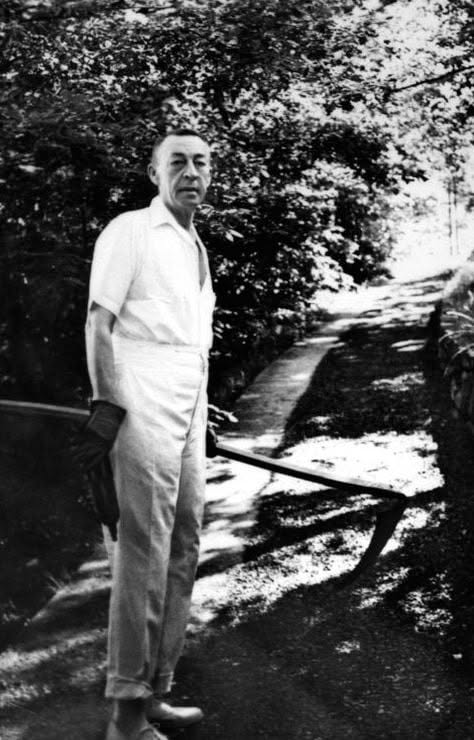
Everybody loves “Rhapsody on a Theme of Paganini.” One of Sergei Rachmaninoff’s greatest hits, it’s possible to hear it performed somewhere nearby just about every season. And why not? It’s a nice showcase for a pianist, with a catchy tune (from Niccolò Paganini’s 24th Caprice for solo violin) put through a series of virtuosic, playful and reflective variations.
Best of all is the famous 18th variation, in which the composer ingeniously flips the melody and turns it into one of the most luscious, romantic outpourings in the repertoire. You probably know it. It’s been used in numerous movies (“Somewhere in Time,” “Groundhog Day,” “Dead Again,” “The Story of Three Loves,” “Ronin”) and been excerpted for zillions of classical music compilation albums.
Rachmaninoff may have been a melancholy soul, but he also had a good sense of humor. Immediately cognizant of the 18th variation’s potential for broad appeal, he quipped, “This one’s for my agent.”
The final variation proved such a knucklebuster, the composer himself experienced anxiety over his ability to navigate it successfully before an audience. Prior to the work’s premiere, a colleague suggested he take a shot beforehand to calm his nerves. Allegedly he did so before every performance of the piece, which led him to dub the 24th variation, the “Crème de Menthe Variation.”
It was not for nothing that Stravinsky characterized Rachmaninoff as “six-foot-two of Russian gloom.” (Never mind the fact that Rachmaninoff was actually 6’ 6”.) He could be incorrigibly dour. So listen closely for his signature quotations of the “Dies Irae” – “Day of Wrath” – from the Mass for the Dead, also used in so many movies (“The Shining”) and by so many other composers (Hector Berlioz in his “Symphonie fantastique”). The 7th variation is an introspective meditation on it, and it comes back later, toward the end of the piece, as a quick brass chorale, to propel the piano to the finish.
Hear “Rhapsody on a Theme of Paganini” on this weekend’s season-opening concerts of the Princeton Symphony Orchestra. Dmitry Shishkin will be the soloist. Also on the program, the Concerto for Orchestra by Béla Bartók and Joan Tower’s Suite from Concerto for Orchestra. Performances will take place at Princeton University’s Richardson Auditorium, Saturday at 7:30 and Sunday at 4:00. For tickets and information visit princetonsymphony.org.
On a related note, PSO principal bassoonist Brad Balliett will be at Princeton Public Library tonight at 6:30 to talk about, and answer all your burning questions in regard to, the bassoon. The event is free and open to the public. Attendees will have a chance to win tickets to this weekend’s concerts.
Could I really have written a 1900-word article today?
Yes. Yes, I could.
Watch for my story on Princeton composer Vince di Mura and the upcoming premiere with the Capital Philharmonic of New Jersey of his latest epic for symphony orchestra, solo violin, and Cuban ensemble, “L’Hôtel Ritz de Paris.”
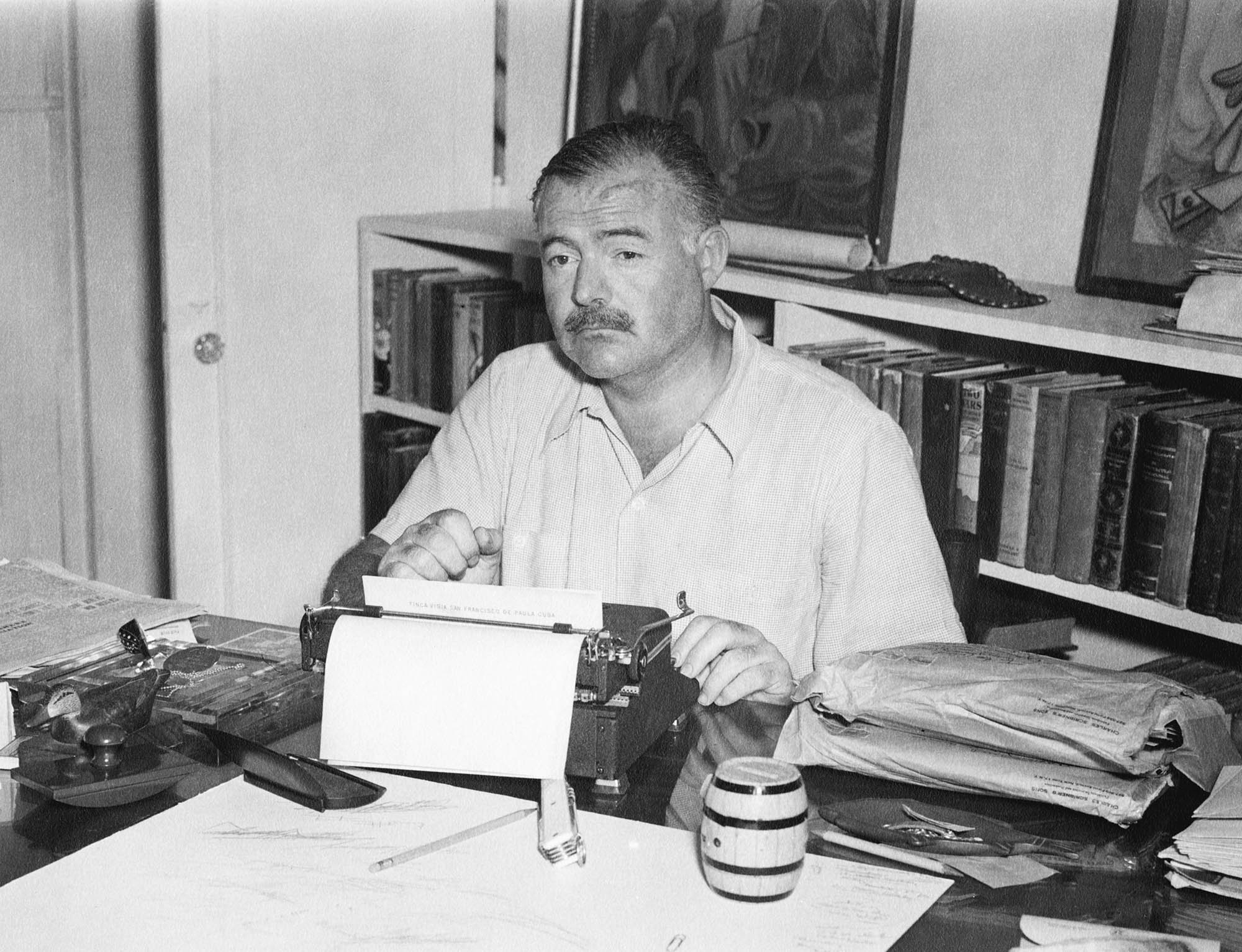
Ernest Hemingway, Hermann Goering and Coco Chanel, oh my!
The concert will take place at Trenton’s Patriots Theater at the War Memorial on Saturday, October 24, at 7:30 p.m. But get there earlier (doors open at 6:10) for a pre-concert performance and World War II French fashion show, with Di Mura at the piano.
With today’s technology, KWAX isn’t just for Oregon listeners anymore. I myself live on the East Coast, but I know a surprising number of people in my area, and through social media, who have turned to this station. We’ve been enjoying it through our internet radios and at kwax.com.
And why? Because KWAX offers things that aren’t so common in classical radio anymore. For one, KWAX broadcasts major works complete, the way a composer intended. I can’t emphasize how important that is to me, to not have a symphony or a concerto hacked off after a single movement, as has become the norm, sadly, on so many other stations.
Furthermore, the announcers – who are actually in-house and not pumped in from a satellite service somewhere – select ALL the recordings they broadcast themselves, making for an unpredictable and stimulating blend of familiar and unusual repertoire. Sometimes you don’t know how much you need Bohuslav Martinů or Gerald Finzi until they make an unexpected appearance.
This is no small thing. The abuse of satellite networks has changed the face of classical radio – eliminating local jobs, destroying the unique character of stations across the country, and dumbing down programming with slice-and-dice playlists. You get none of that with KWAX. It might not be your local station, but it definitely has local character. You will feel like you are a part of Eugene, Oregon.
Add to these qualities, the variety of content – the concert broadcasts, artist interviews, Saturday operas, and syndicated shows – and you have a classical music resource that is very precious indeed.
KWAX respects not only the music, but also its listeners. And it is worthy of listener support.
70 percent of the KWAX budget comes from people just like you, who understand their invaluable role in sustaining the high standards and quality programming, offered by knowledgeable folks, who palpably enjoy what they’re doing, without filling the airwaves with inane, extraneous chatter.
KWAX makes life more pleasant by sharing beautiful music every day.
If the station enhances the quality of your world, bringing you moments of solace, excitement, intelligence, and elevation, please consider making a donation – wherever you are, in whatever amount – by contributing online at kwax.com, or calling 541-345-9451, during regular business hours.
And if you’ve never tuned in, give it a shot! Obviously, today and tomorrow will be fundraising days, so perhaps they won’t be quite so characteristic. But I guarantee you will not be disappointed with what you hear on a regular basis. This is classical music radio the way it should be, presented commercial-free, without a set playlist, and offered with real integrity.
As host of “Picture Perfect,” “The Lost Chord,” and “Sweetness and Light,” I thank you – from behind the microphone AND as a fellow listener.
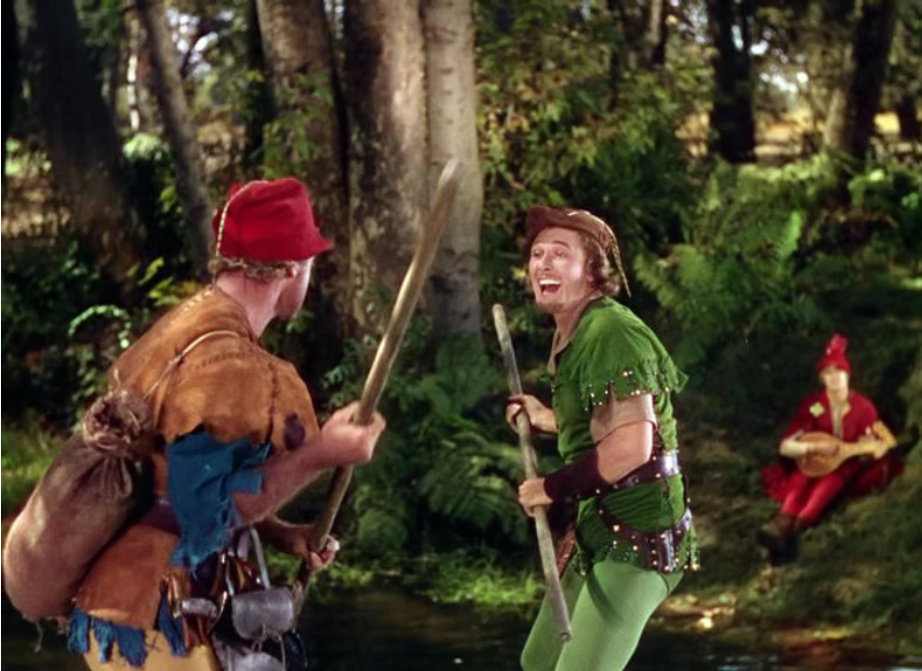
I’ve loved the music of Erich Wolfgang Korngold since I was a kid. I was humming the quarterstaff contest from “The Adventures of Robin Hood” (1938) before I knew a thing about classical music, thanks to enraptured television viewings of the Errol Flynn classic. On one memorable occasion, my best friend and I took down his mom’s curtain rods after the movie and sang Korngold’s gleeful fight music while dueling all over the house.
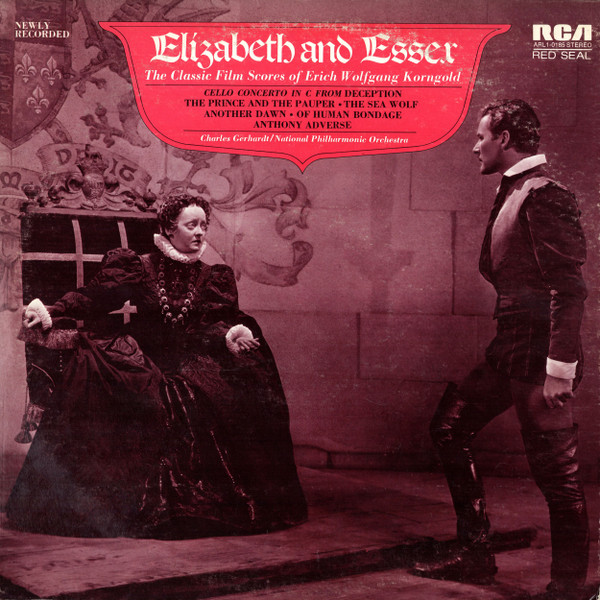
What I wouldn’t know until I was in high school, when I discovered the benchmark Charles Gerhardt LPs of his classic film scores, was that Korngold was one of classical music’s most gifted child prodigies. The toast of Vienna (Mahler declared him a genius and Richard Strauss was “terrified” by his talent), he was already writing operas in his teens. A contract with Warner Bros. brought further fame and fortune and likely saved his life. He was in Hollywood, writing the music for “Robin Hood,” when Hitler annexed Austria.
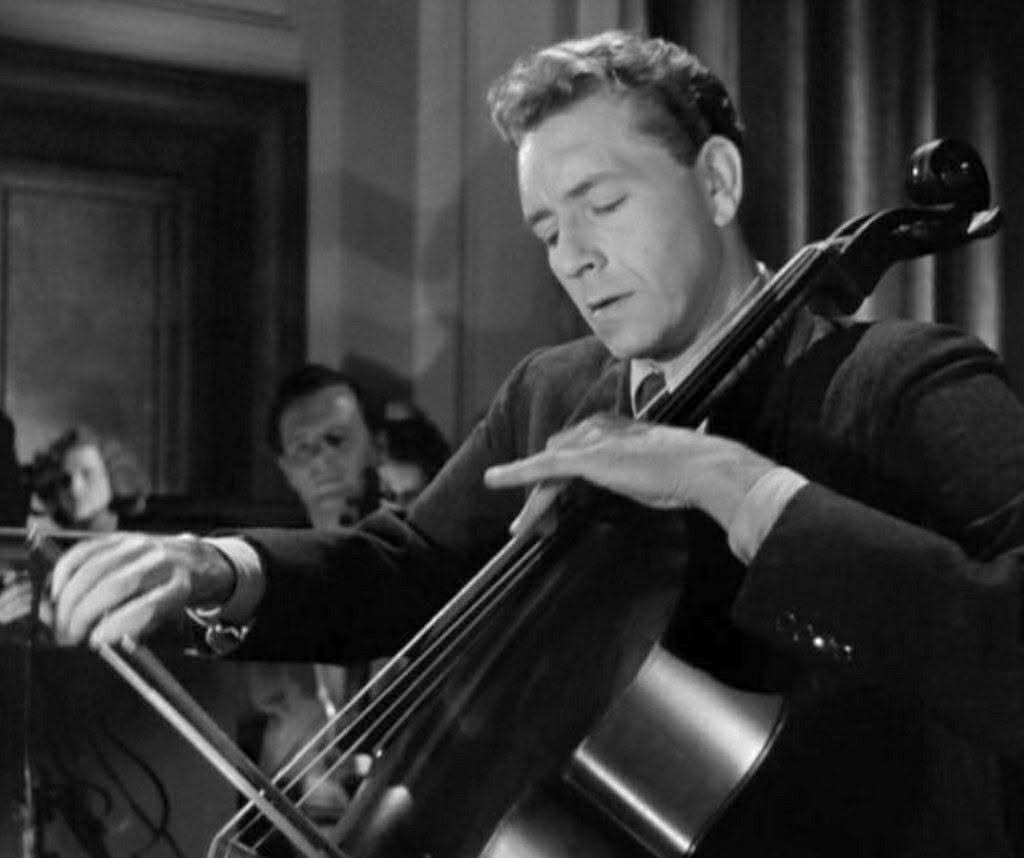
Korngold remained in the U.S. throughout the war, providing scores for Flynn and Bette Davis vehicles. Davis’ “Deception” (1946) brought a noir sensibility to a sinister love triangle involving three musicians. Claude Rains plays an overbearing composer, who attempts to push a psychologically fragile cellist (Casablanca’s Paul Henreid), who survived a concentration camp, past the breaking point with the rigors of his new cello concerto! Naturally, music would play a central part in the story, and Korngold provided an onscreen concerto for the film’s dramatic center.
Once upon a time, Korngold’s postwar Violin Concerto (in 1947 witheringly dismissed by the New York Sun’s Irving Kolodin as “more corn than gold”) was something of a rarity in concert halls, but in recent decades a younger generation of performers has given it a boost into the standard repertoire. Korngold’s Cello Concerto and Piano Concerto for the Left Hand have not been so lucky. Because much of it had to be performed on screen, as part of the action of the film, the cello work is understandably shorter. It could be awkward and expensive to include it on a real-life classical music concert, with the orchestra having to pay a star soloist for a work only half the length of a standard concerto.
So it’s very seldom done, and frankly, even for a Korngold admirer like myself, I always regarded it as something of a poor stepchild. Not that I don’t adore the melodic content (of a character I am certain would NOT please Kolodin). There are some heart-meltingly lovely moments, like pools of sweet refreshment disturbed by intermittent squalls. Following in the footsteps of Liszt (who wrote no cello concertos), Korngold takes elements of the standard concerto form and compresses them into a vertiginously brief span, roiling with dramatic tension. On recordings, the overheated soloist is often pushing back against aggressive tutti passages.
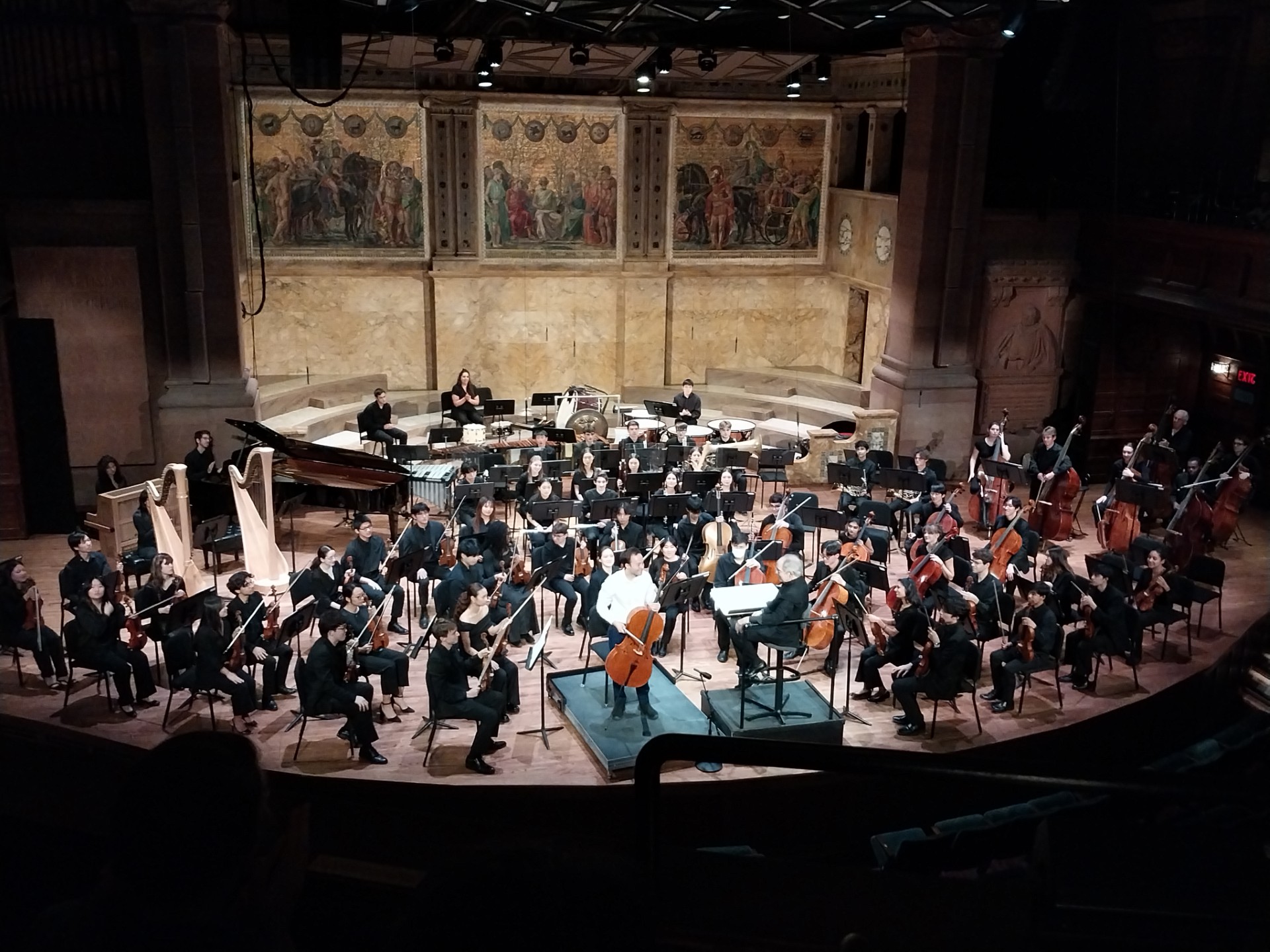
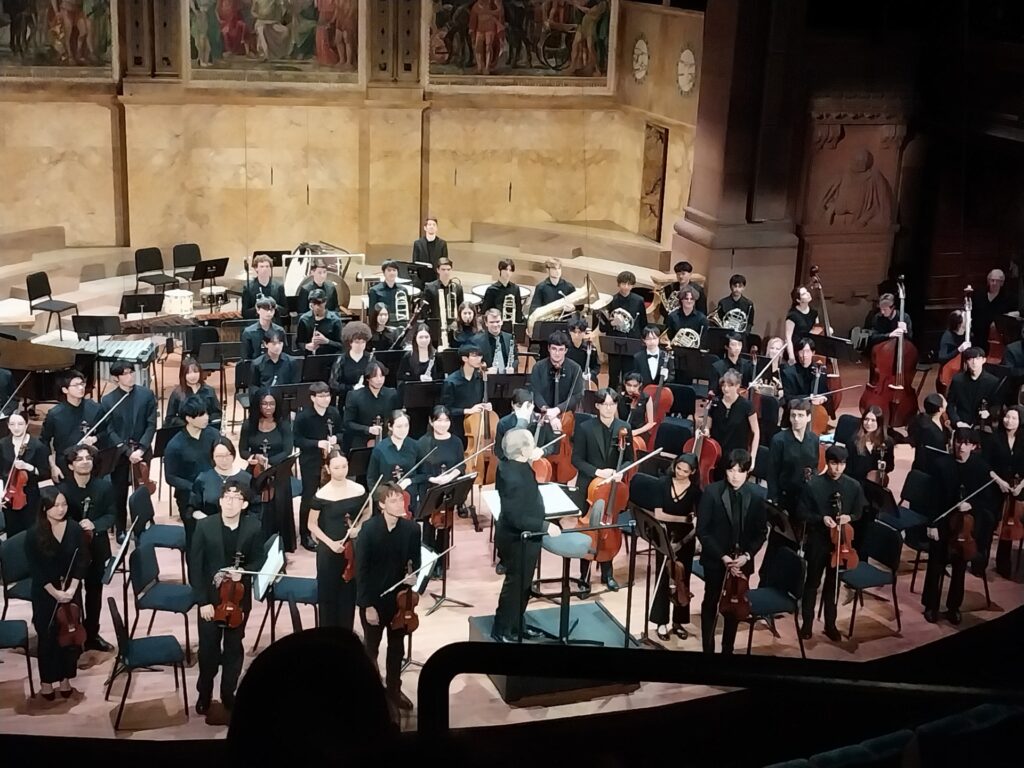
I’ve only heard it performed live once before, so it was with great anticipation that I attended Friday evening’s concert of the Princeton University Orchestra at Richardson Auditorium, on which Korngold’s concerto formed the centerpiece of the program (which was repeated on Saturday night). Now, this is a student orchestra, mind you, but the young musicians play as if they’ve long ago forgotten the fact. Michael Pratt, the ensemble’s music director since 1977, has no qualms about programming the most challenging and at times esoteric works in the repertoire. Granted the personnel turns over all the time, as the students graduate, but I’ve heard this group tackle “Ein Heldenleben,” the complete “Daphnis and Chloé,” several Mahler symphonies, and “The Dream of Gerontius!”
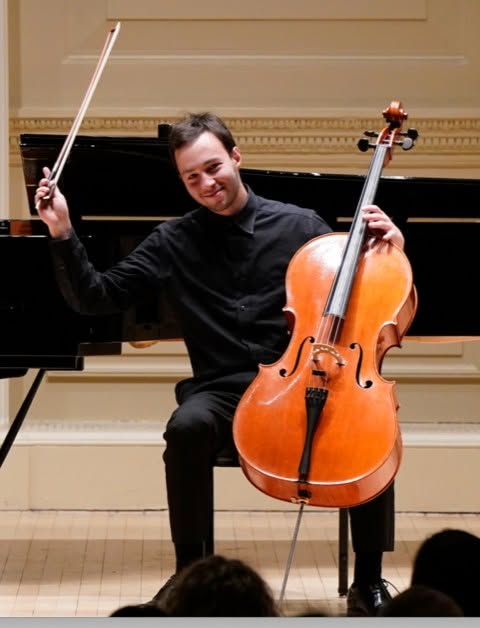
The Korngold soloist was Max Salzinger, now a Princeton sophomore, and he played beautifully, with all the assurance of someone who had clearly internalized the score. The performance was spacious, sumptuous, and wistfully romantic. Lyrical passages breathed. Soloist and orchestra offered a more expansive account, or the appearance of one, than those to which I had grown accustomed. The experience was luxurious and revelatory. Suddenly the piece sounded less like a made-to-order Hollywood film concerto and more like an honest-to-goodness concert work that, yes, really does deserve to take its place alongside the Violin Concerto. This was the Korngold I didn’t know I needed. Listening to it made me feel like a teenager again.
Keep in mind, few of these university performers are music majors. Most of them are pursuing degrees in other fields. Salzinger is an aspiring economist. But clearly the cello is central to his being. He’s already had a ton of experience playing with the orchestra of Indiana’s Hotchkiss School (from which he graduated in 2025), the Hartford Symphony, and the Indianapolis and Interlochen Youth Orchestras, among others. Last year, he won Princeton’s Concerto Competition. It was not the first contest in which he’s come out on top.
Equally impressive was the concert’s opening performance, of Alberto Ginastera’s “Pampeana No. 3,” a piece evocative of the pampas, the grasslands of the composer’s native Argentina, which was played at a near-professional standard. Seriously, this was as fine a performance of this piece as I will likely ever experience, especially live. And what a battery of percussion at its center! I’d be lying if I said I was shocked by the quality of the playing, but it was still a great pleasure to be reminded of just how good these student musicians can be – 80+ performers, with two harps, piano, celesta, and three percussionists, putting their shoulders to it. The woodwind playing, especially some flute duets, played by Liam Browne and Hugh Choi, lent idiomatic color.
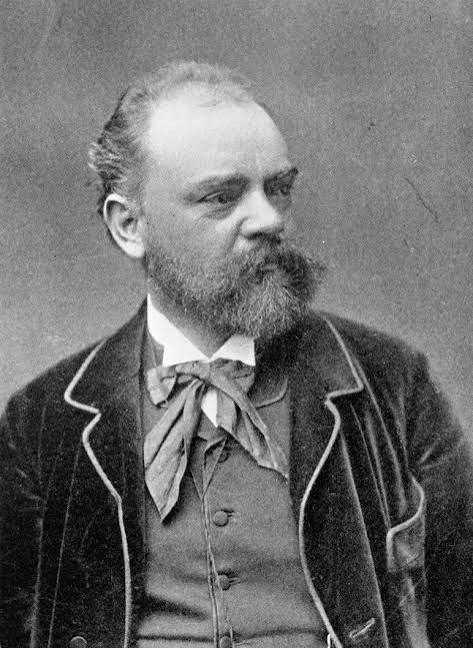
The second half of the program, consisting of Dvořák’s Symphony No. 8, was markedly wilder and woollier, which made me wonder if the bulk of the rehearsal time had been devoted to the other, less familiar pieces. Any kind of shading in the first movement was out the window, with most of the music played at one dynamic – loud – so that many felicitous details of the composer’s score were overwhelmed. I would be remiss, however, not to to give credit to trumpeters Austin Clinard and Matt Cline, who nailed their exposed fanfares both here and in the last movement, which must have taken not only technique, but nerves of steel.
The middle movements were better, especially the second, which was presented with more variety and shading, and all the soloists hit their marks and played with confidence. The third movement, an elegant waltz, was a little underarticulated, but mostly successful. But in the last movement, we were back to everyone going full tilt, subtlety be damned. But my goodness, what an exciting noise!
With the crazy chromaticism of Dvořák’s coda, just as the players are required to really bring on the steam, it already seems as if the entire work is about to fly off the rails (by coincidence, Dvořák was a great admirer of trains), but pile on the youthful energy of the Princeton University Orchestra, with timpanist Milo Salvucci, and you really experience the terror of the sublime. The sensation was so harrowing, I couldn’t help but burst into laughter. What great fun!
So, they’re not the Czech Philharmonic. Who cares? Put your hands together for these kids. They did a great job.
The next set of concerts will take place on November 20 & 21, and will include Benjamin Britten’s “Four Sea Interludes” from “Peter Grimes” and Tchaikovsky’s Symphony No. 6 “Pathétique.”
On February 26 & 27, winners of this year’s concerto competition will be heard.
In the spring, on April 15 & 16, Pratt will conduct Mahler’s Symphony No. 9.
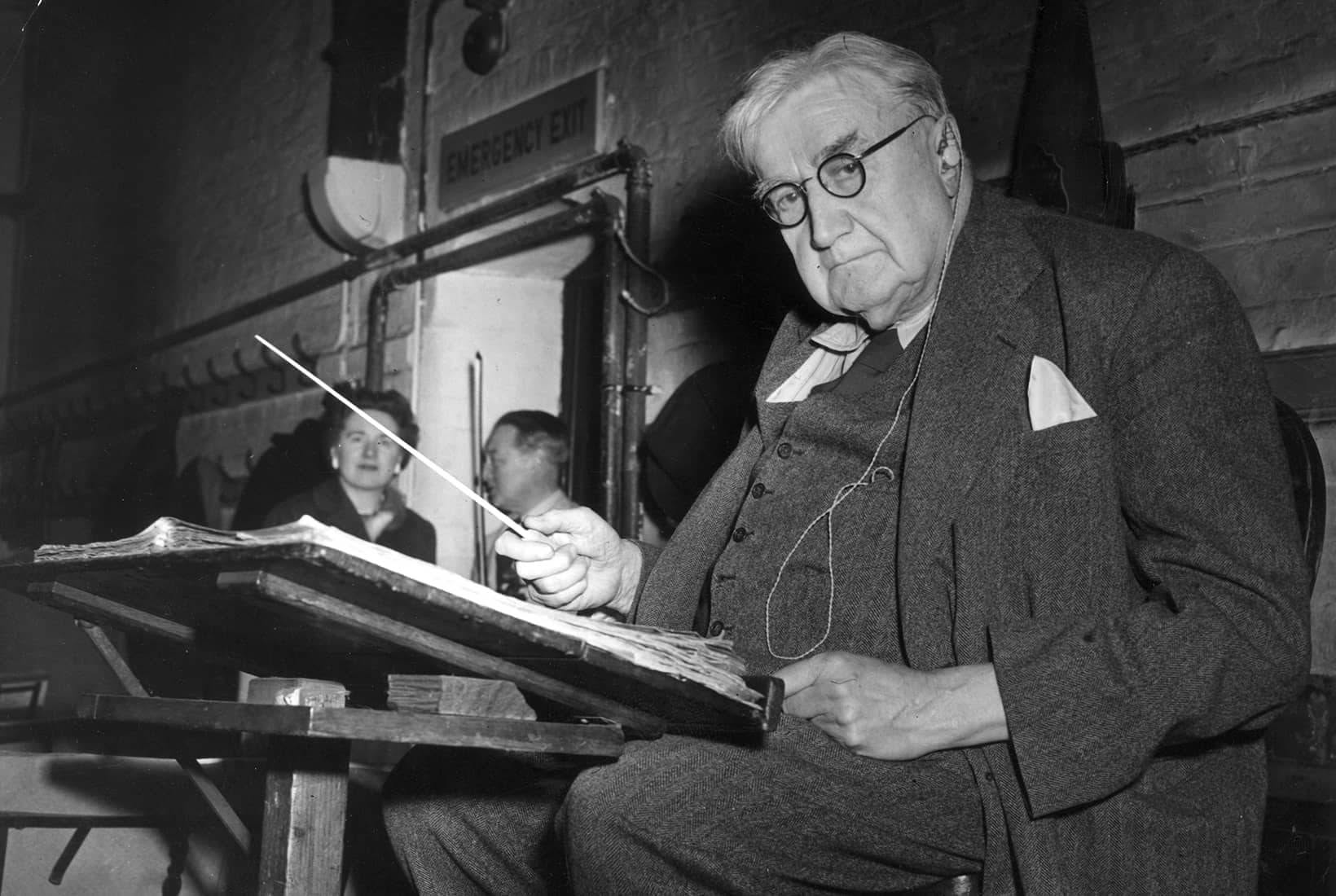
You’ve got a second chance to catch my Vaughan Williams celebration, on this, the eve of his birthday anniversary. It includes some rarely-heard piano music, an orchestral potpourri of themes from his opera “The Poisoned Kiss,” and a hilarious performance of “The Wasps Overture” with the composer himself conducting. Enjoy another helping of cake and ice cream on “Sweetness and Light,” this Sunday evening at 9:00 EDT/6:00 PDT, exclusively on KWAX Classic Oregon. Stream it, wherever you are, at kwax.com!