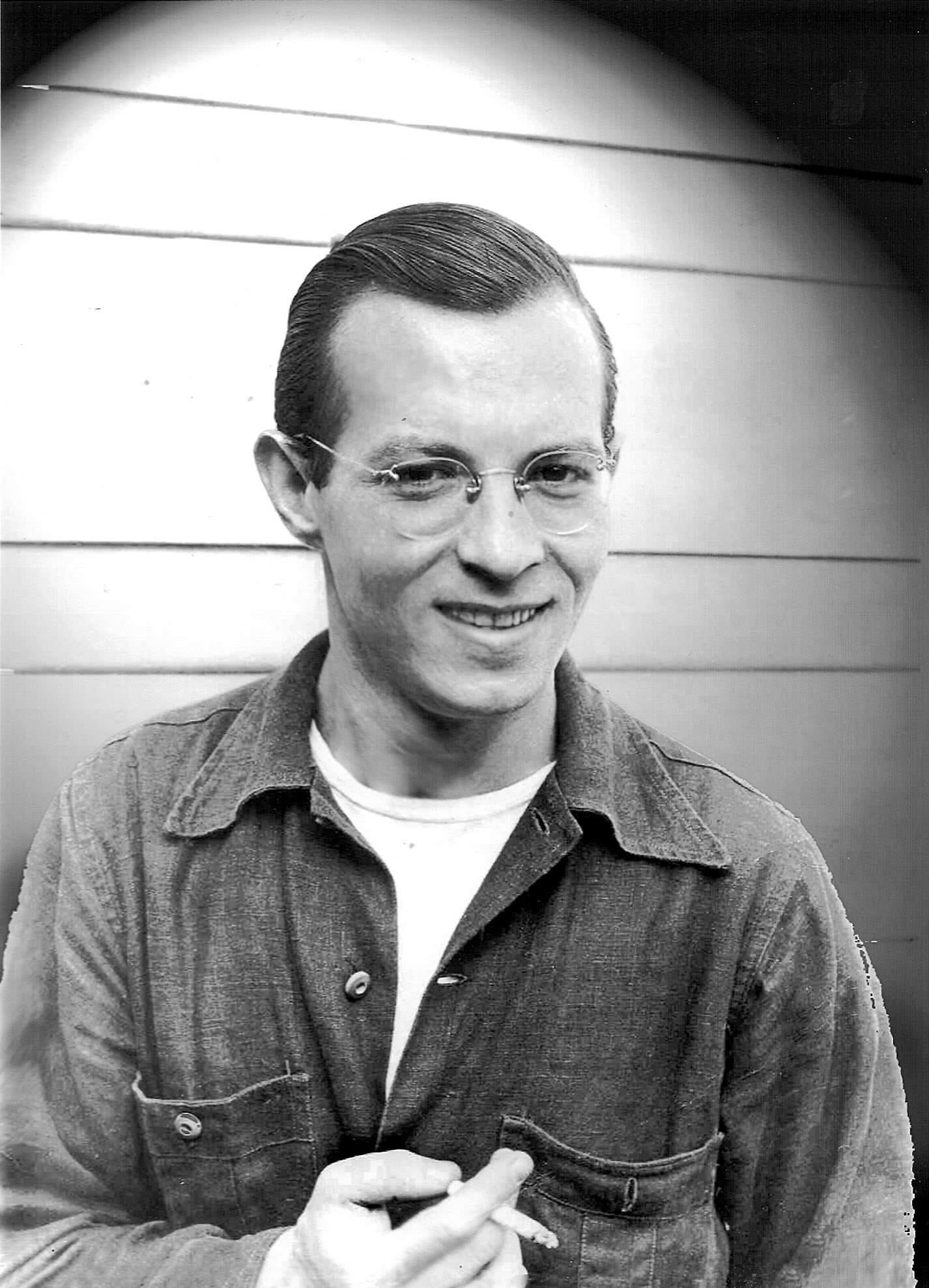
Wow! Here’s a neat discovery. An actual performance of Jerome Moross’ ballet, “Frankie and Johnny.”
You probably know the bluesy song, inspired by one or more sensational crimes of passion, in which a betrayed woman shoots her lover. (“He was her man, but he done her wrong.”) There are now so many variants that it’s taken on the quality of a folk song. Elvis sang it. Johnny Cash sang it. It’s been covered by innumerable jazz artists.
Moross uses it as a kind of Greek chorus (sung by a trio Salvation Army sisters) in his brash and jazzy dance piece, which created a sensation at its premiere in 1938. The work predated Leonard Bernstein’s “Fancy Free” by six years and sent the censors into a moral panic.
Though Moross was adept at writing music in many forms – including concert pieces (a symphony for Beecham), musical theater (the cult classic “The Golden Apple,” including the evergreen “Lazy Afternoon”), and opera (“Sorry, Wrong Number”) – he is best known for his classic film scores. He spent much of his career ping-ponging back and forth between New York and Hollywood.
When “Porgy and Bess” concluded its New York run in 1935, George Gershwin invited Moross to join the show, on tour, as a pianist. It was while on a bus trip to Los Angeles to participate in “Porgy’s” west coast premiere that the 23 year-old made a stop in Albuquerque.
“[A]s we hit the Plains I got so excited,” Moross recollected. “. . . [T]he next day I got to the edge of town and then walked out onto the flat land with a marvelous feeling of being alone in the vastness, with the mountains cutting off the horizon. The whole thing was just too much for me . . . it was marvelous, and I just fell in love with it.”
The experience served him well. Moross drew on the memory of that trip in the writing of some of his most famous music, the Academy Award-nominated score for “The Big Country,” with its sense of wide-open excitement in the face of sweeping vistas. Western high-spirits and American jazz color most of Moross’ output.
Happy birthday, Jerome Moross. You tackled everything with exuberance and vitality.
One of the most thrilling credits sequences of all time?
Surely one of the greatest film scores ever written
Rare historic radio broadcast of the Symphony No. 1, with Moross himself at the piano
“Lazy Afternoon” from “The Golden Apple,” sung by Kaye Ballard from the 1954 original cast recording
Theme to “Wagon Train”
Sonata in G major for Piano Duet and String Quartet