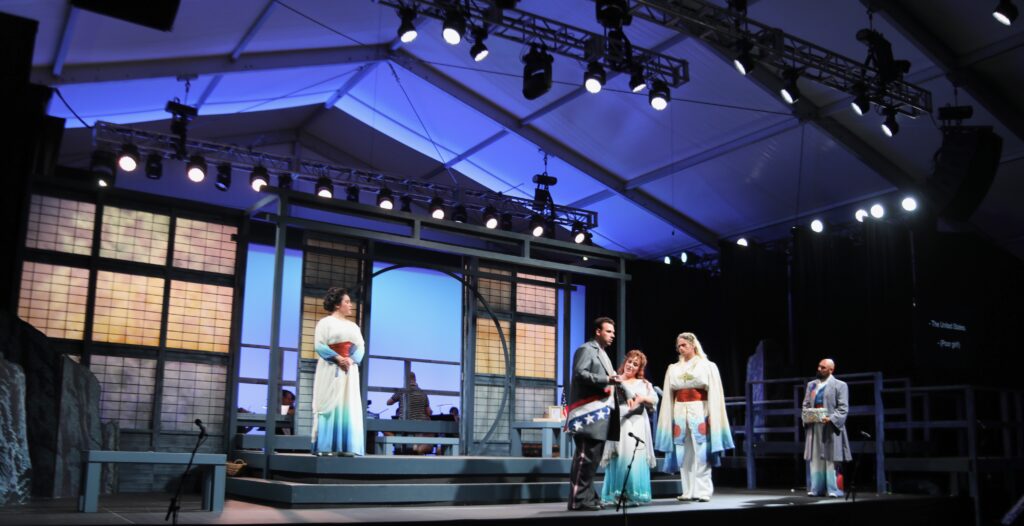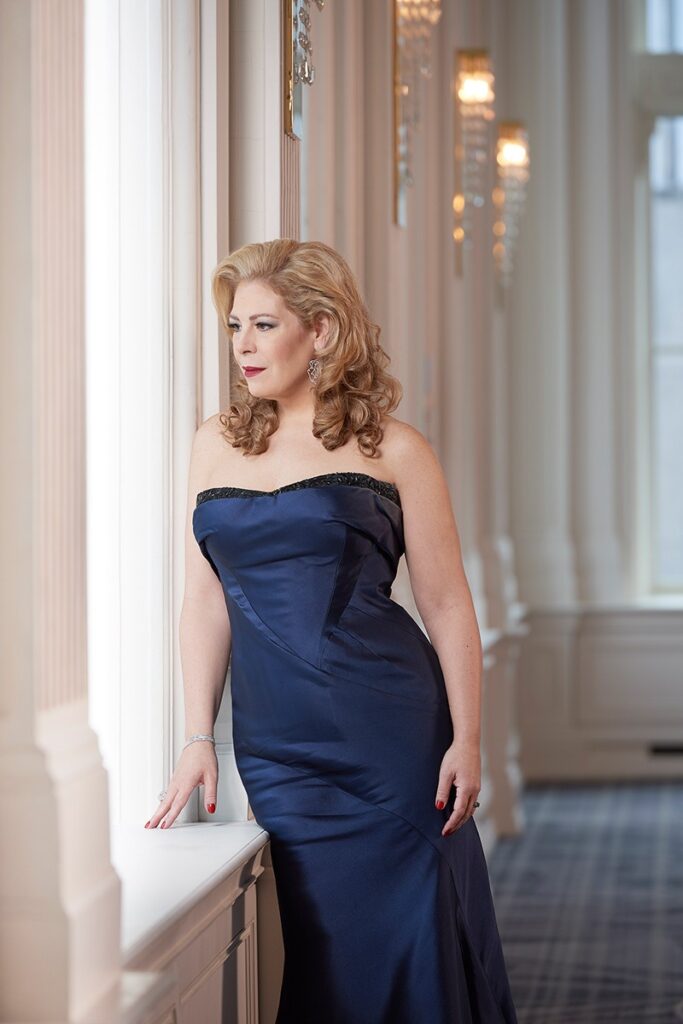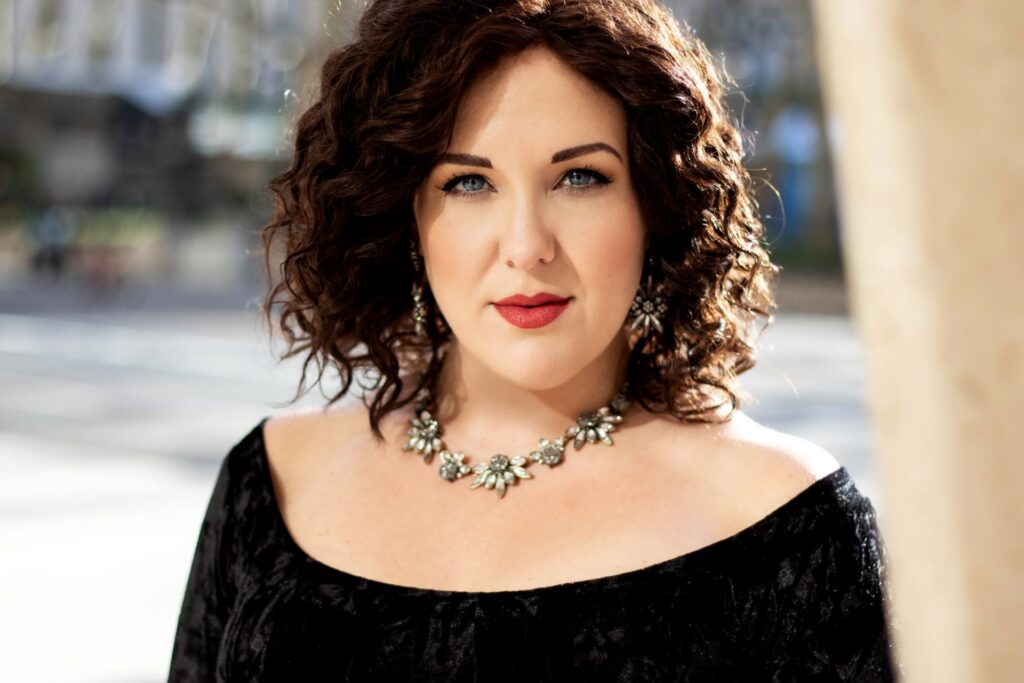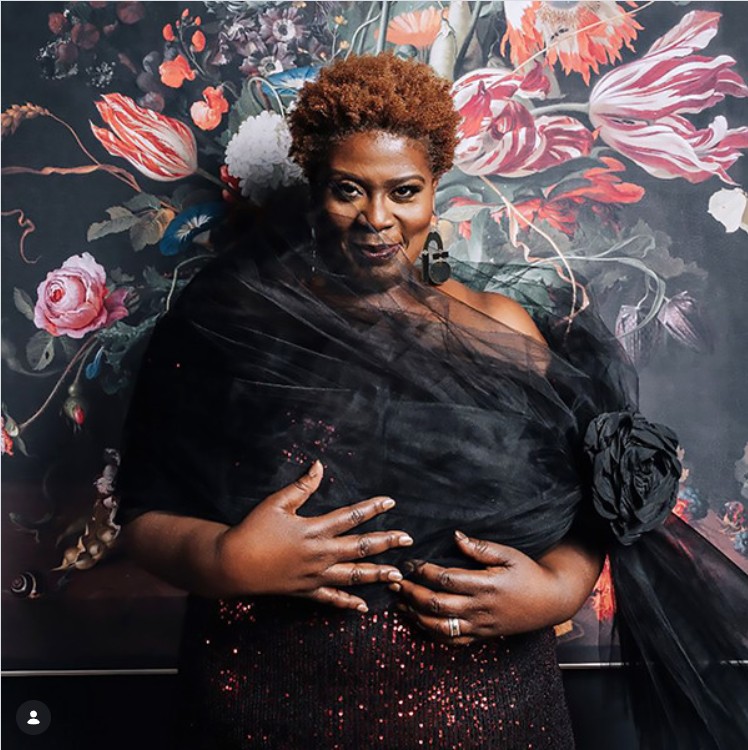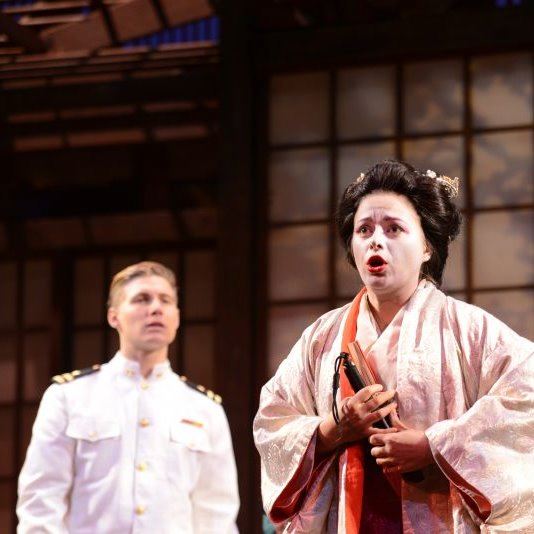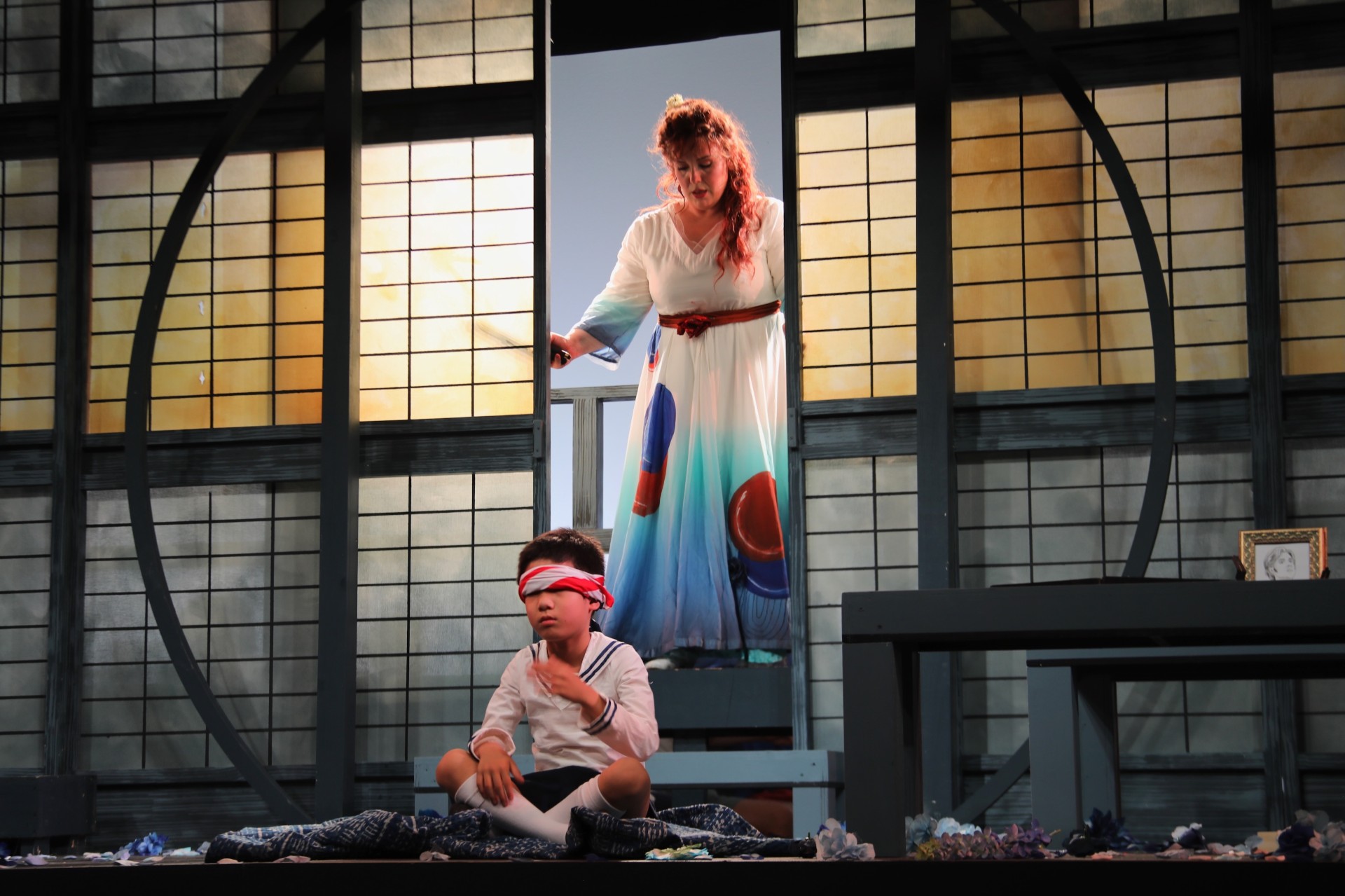
Not all the drama at Friday night’s performance of “Madama Butterfly” at the Princeton Festival was on stage. Friday afternoon, it was learned that soprano Toni Marie Palmertree, who performed the title role at the Met this season, and floored the audience with her big voice and passionate commitment in last year’s festival production of “Tosca,” would not be able to sing. So Brenna Markey, who had been cast as Kate Pinkerton – a much more modest role, with the character appearing only in the final act – stepped up to assume the vocal part while standing with the orchestra, somewhere behind the shoji that serves as the backdrop for much of the action, as Palmertree seamlessly lip synched and embodied the character physically.
Believe it or not, this is not an unknown occurrence in opera. It’s not an everyday experience, by any means, but it happens with more frequency than, say, a shark attack.
Even so, this proved to be an especially harmonious piece of collaboration and improvisation. Palmertree performed her part, as Markey did her thing, with as much conviction as she would have, had the entire portrayal rested with her. Consider the challenges, the innumerable interpretive choices that a singer makes, practically intuitively. Any number of these would necessarily have been different from what Palmertree herself might have chosen. They had to be fielded – absorbed, assimilated, and responded to – instantaneously.
Also of concern, naturally, was how a pantomimed Butterfly would meld with the rest of the ensemble, as the other singers would also have to react and blend their voices to match a backstage performer totally invisible to them. Yet to a person, they all supported the illusion, while expressively meeting the demands of their individual roles, which could not have been easy. We’re talking about some serious “Roger Rabbit” interaction here.
Kudos to the sound crew, which must have really had to ride Markey’s microphone to keep the blend realistic (the rest of the cast was unamplified) and at a level that, for anyone in the audience who happened to walk in late and miss the announcement, unobtrusive, in purely musical terms. I doubt, if one were to close his or her eyes that, on a superficial level, he or she would have noticed the difference – except perhaps for one element. More about that in a bit.
In particular, tenor Victor Starsky, who made such a strong impression last year as Cavaradossi (and held his own opposite internationally renowned soprano Sondra Radvanovsky at the festival last week), impressed with more than just his voice. It can’t be easy to exchange those ardent phrases believably with a vocal partner who isn’t actually standing in front of you.
I was also blindsided by mezzo-soprano Kayla Nanto, whose Suzuki really snuck up on me. Her characterization broke my heart well before the final curtain’s coup de grâce. Of course, a lot of that is already baked into the work’s construction. But it sure does help to have performers of this caliber!
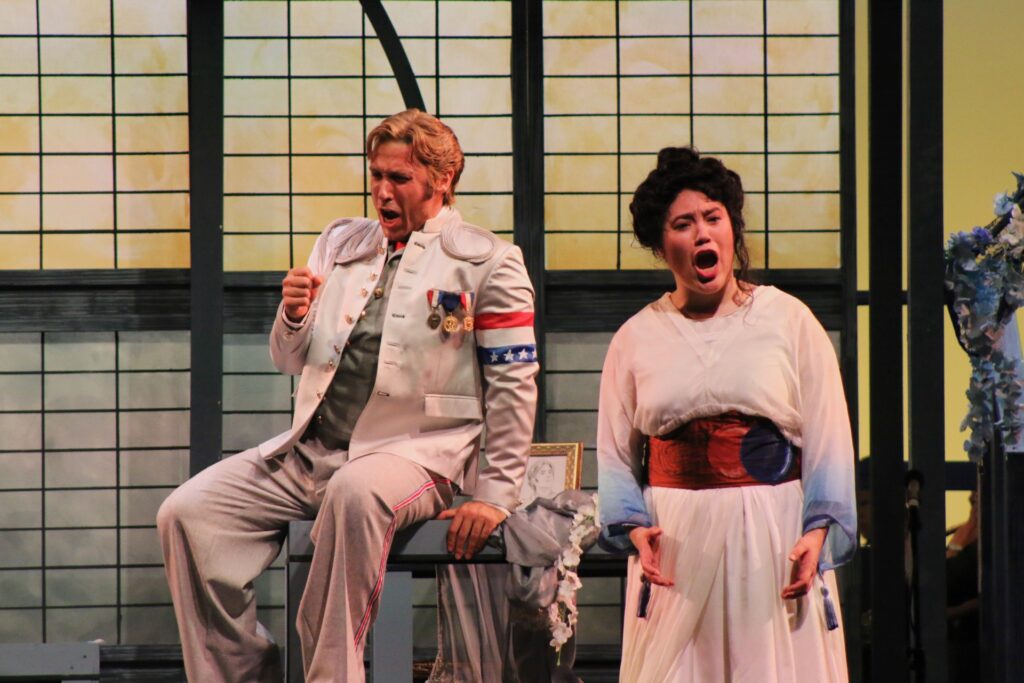
In fact, I am hard pressed to think of anyone in a major role, or even in a walk-on, who didn’t please. Bass-baritone Nan Wang brought the necessary authority to Bonze. He has one scene, but his shunning of Ciao-Ciao-San continues to resonate in her poverty and isolation.
Tenor Nicholas Nestorak – who sang Spoletta, Scarpia’s right-hand man, in last year’s “Tosca,” and was one of the vocal soloists in Stravinsky’s “Pulcinella” when the Princeton Symphony Orchestra performed it at Richardson Auditorium this past season – played the opportunistic marriage broker Goro, who seemed more genial and less conniving than usual. But maybe I was just distracted by his fun-and-flirty costume. (More on that coming also.) He was in good voice, though.
Baritone Joel Balzun was solid as Pinkerton’s friend, the American consul Sharpless, who repeatedly cautions against his cavalier manner and the perils of fishing in forbidden waters. “This might be a joke to you,” he warns, “but she believes it.”
“A vagabond Yankee enjoys himself and does business without concern for risk,” Pinkerton sings.
Of course, this statement has increased resonance in 2026, and revisiting the opera the other night, it seemed astonishingly contemporary in other unanticipated ways. I mean, Butterfly was always 15 at the start, but now with the Epstein files being so much in the news, it’s hard not to have current events unwittingly color one’s reactions.
Clearly, the production could have gone at it with a heavy hand, but the details are still left to speak for themselves. It’s the audience’s perception of the material that’s shifted to a perhaps unexpected degree, with what Pinkerton represents bringing a stronger kick (and ick) than might have been the case in the past.
That’s no reflection on Victor Starsky’s characterization. The tenor also sings it straight. Pinkerton’s a young man, footloose and fancy free in what was then referred to as the Orient. Life’s a lark and he indulges his passions in what he perceives as a kind of fairy tale pleasure garden. So intoxicated is he, he confides, he’s not even sure if it’s a whim or if he really is in love.
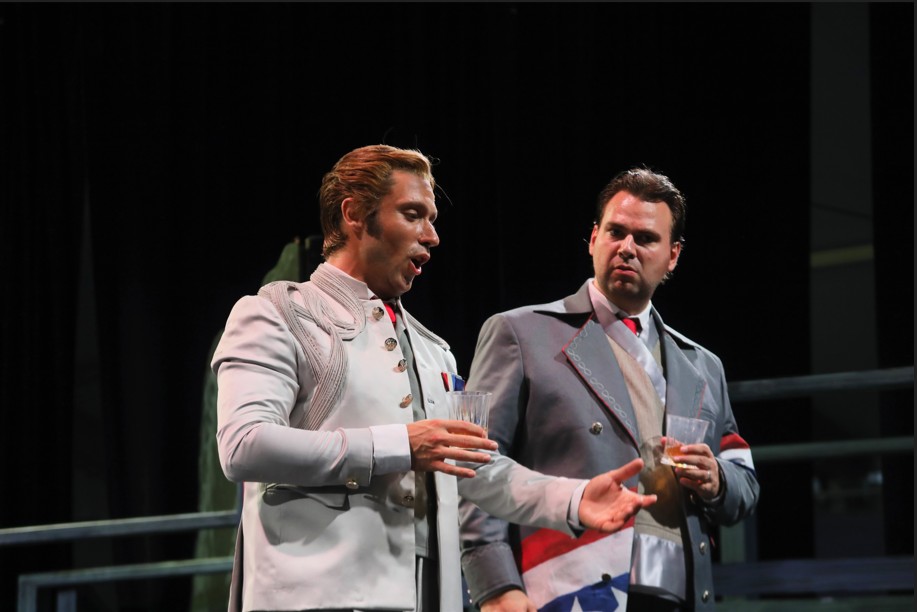
In his meeting with Sharpless, he raises his glass to toast, “America forever!” He also has his friend drink to the day he “marries for real to a true American wife.” It’s hard to feel any sympathy for this character – he’s frustrating as hell and his actions are despicable – but he shouldn’t be played as a villain. He’s just clueless, self-centered, and oblivious to consequences. Even at the end, although he is devastated by the results of his actions, his capacity for empathy proves limited. Everything is always all about him.
I have to say, this production makes some very peculiar aesthetic choices in the costume department (the costume designs are by Neil Fortun), and many of them come across as misguidedly whimsical.
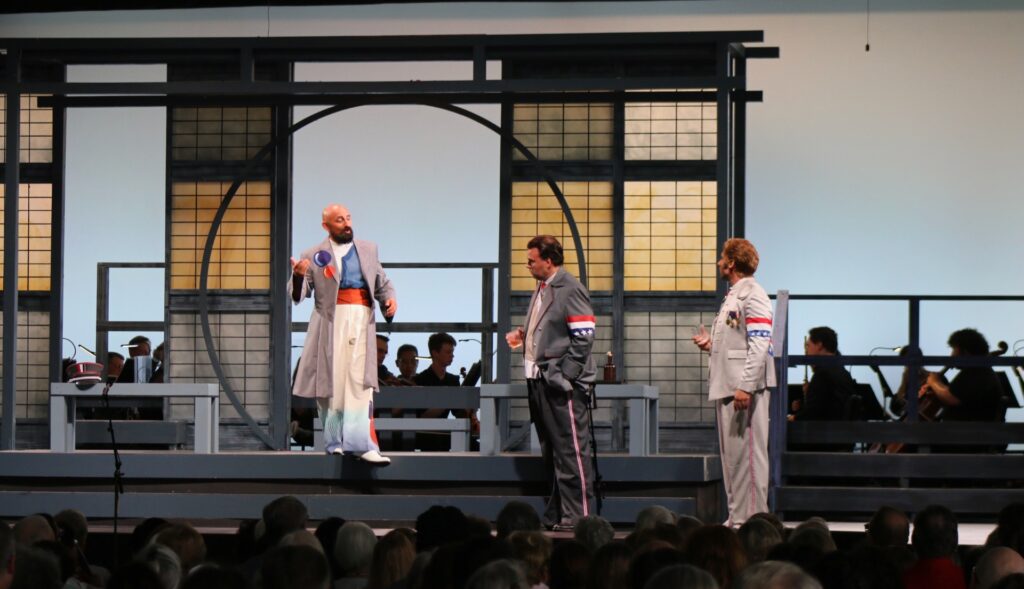
Pinkerton makes his entrance in a white jacket emblazoned with a stylized American flag and red, white, and blue arm band, for me conjuring associations with an Evel Knievel stunt suit.
Sharpless’ attire bears a similar design, but on a gray frock coat, suggesting his diplomatic position.
Perhaps most amusing of all is Butterfly’s would-be suitor, Yamadori (baritone Jacob Hanes), who shows up looking like glam elf Legolas. Don’t get me wrong, I would have loved to have worn that get-up, if I could have pulled it off. But I will never be blond enough or have so much hair again. Not a criticism of Hanes, but the costume made him memorable for all the wrong reasons. But I could tell he was digging it at the curtain call (as I would have too!).
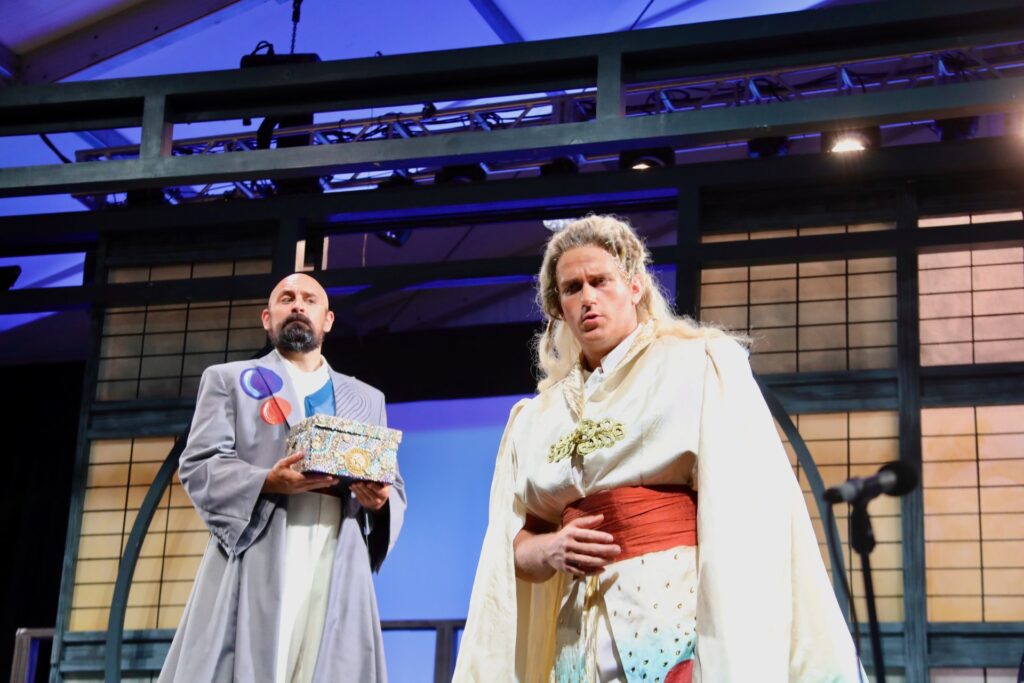
The broader sartorial vibe suggests a utopian science fiction movie, an indeterminate land, though the shoji, paper lanterns, and some of the hair styles anchor it in Japan.
Conditions are very different now than they were at the time of the opera’s first performance, more than 125 years ago. We’re living in a more reflective, internationally-conscious age. Or some of us are. “Butterfly” is an opera that, more than most, draws criticism for, among other things, a tendency for Westerners to play the East Asian parts. And while I am sensitive to that concern, I’m not sure handing out Pagliacci party pajamas, raided from Ringling Brothers clown college, is the solution.
This production has no “yellow face” or uncomfortably-pronounced attempts at “Asian” make-up. (Butterfly has wavy auburn hair.) But with the quasi-kimonos and would-be nihongami hairstyles, it is unquestionably set in Japan. So what’s the point of the costumes? Are we supposed to be in Oz? Hanging with Willy Wonka? At a Lord of the Rings birthday party? (There are balloon-like patterns on everything.) If they wanted to go full-on Jedi “sweet 16” sleepover, they should have just done it.
By contrast, the scenic designer Blair Mielnik came up with a fairly traditional, functional set, with aforementioned shoji, complete with sliding door, a porch, and a kind of rustic boardwalk at stage left, which allowed not only for character entrances and exits, but also created another tier for the singers.
Despite the use of the aisles for some character entrances and exits and processionals to and from the stage, nothing really exploited the unique dimensions of the performance pavilion to the degree of last year’s spinetingling moment when the audience suddenly found itself surrounded by a choral procession at the Basilica di Sant’Andrea della Valle. But “Butterfly” is a different opera, lacking the political machinations and ecclesiastical grandeur that heighten the human drama at the heart of “Tosca.”
Silhouettes against rice paper are nothing new, but the punctuation mark of a cascade of cherry blossoms at the end was a nice touch (Eve Summer is the stage director), a visual expression of the emotional final blow.
Puccini really twists the knife in this one (literally and figuratively). Butterfly sings of her namesake, “They say overseas if it falls into someone’s hands it is pierced with a pin.” Her excruciating downfall is almost too much to bear. Why do we continue to do this to ourselves? Why do audiences voluntarily, eagerly subject themselves to these sado-masochistic, verismo tragedies? Because Puccini is seldom less than swooningly beautiful. The music at times would be downright saccharine if it wasn’t composed with such sincerity, and if every note didn’t convey such authentic (albeit heightened) human emotion.
But even under the best of circumstances, “Butterfly” is rough: three acts of relentlessly heartbreaking degradation. Yet here I was, still haunted by the “Humming Chorus” the next morning. It’s an undeniably powerful piece of theater, and a beautiful one, but it is hard.
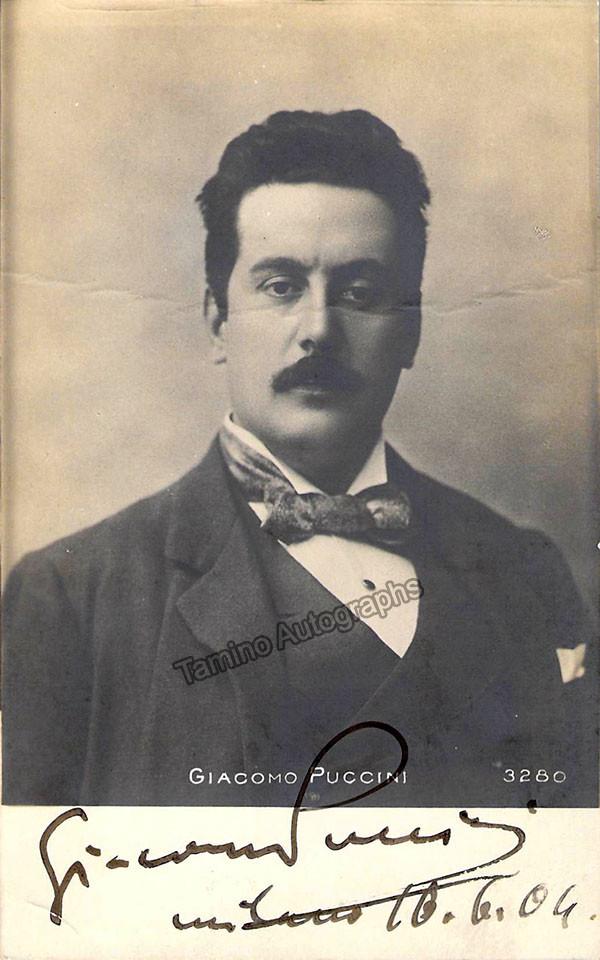
It’s also a peculiar choice for this summer of America’s Sesquicentennial. Of all the operas, they had to choose one in which the United States is shown at its selfish, imperialist, consequences-be-damned worst. Lieutenant Benjamin Franklin Pinkerton, who serves on the gunboat USS Abraham Lincoln, is supported by grotesque distortions of the “Star-Spangled Banner.”
I understand American operas aren’t likely to pack the house, but if they were going to do Puccini, couldn’t they have gone with “La fanciulla del West” (“The Girl of the Golden West”) – perhaps the world’s first spaghetti western – set in a California mining town? The music is equally beautiful, local color is emphasized over politics (foreigners resent U.S. imperialism, but they sure are fascinated by cowboys), and it has a happy ending. Also it’s set in the mountains in winter, allowing everyone to think cool thoughts.
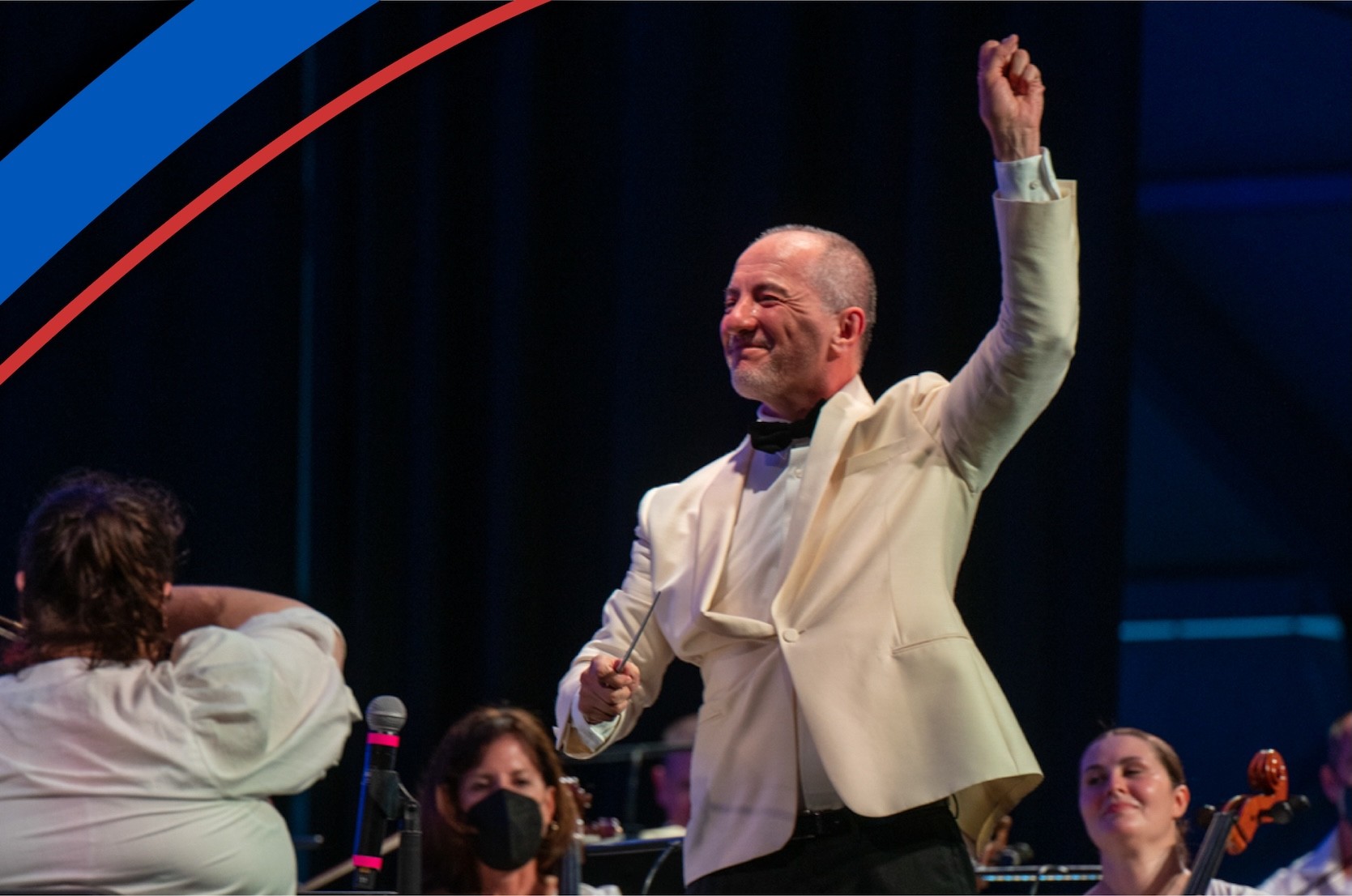
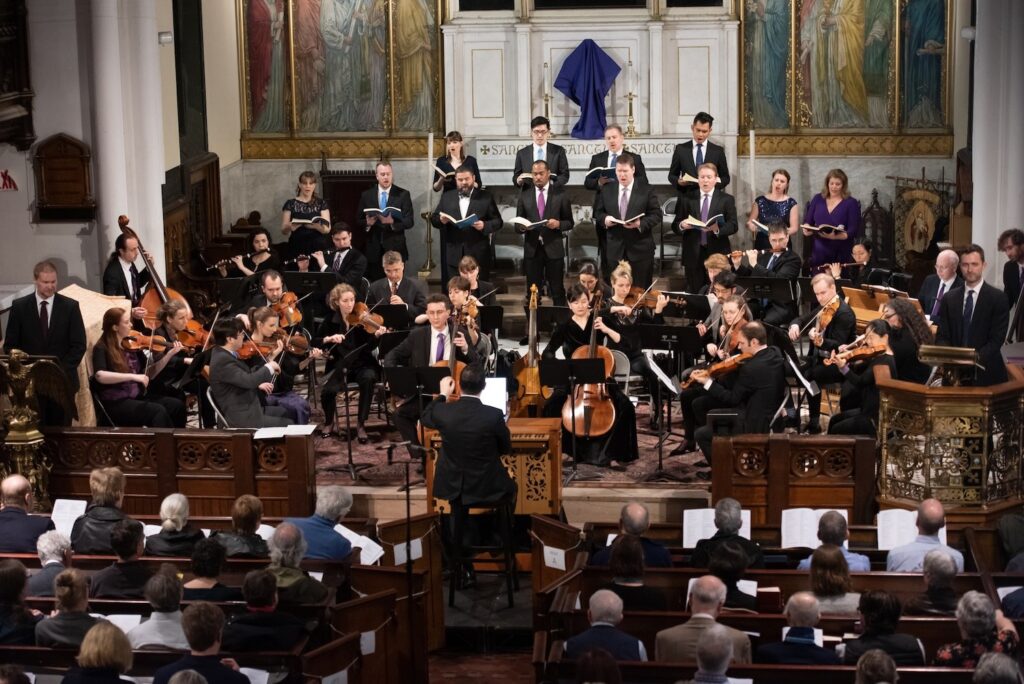
Be that as it may, the orchestra played “Madama Butterfly” with emotion, momentum, and striking unanimity for its 3-hour-plus running time, under Rossen Milanov’s assured direction, which surely demonstrated their extraordinary commitment to the score – which was all the more remarkable, as they were essentially hot-boxed between shoji and large screen, on which were projected colors and shades according to the dramatic demands of the moment, at the back of the tent. On Friday, the heat index by late afternoon had hit 100.
Soprano Aubry Ballarò covered for the unexpectedly promoted Markey. Ballarò, as I noted following her appearance with the PSO earlier this past season (when she appeared with Nestorak in “Pulcinella”), has a smaller voice. The character of Kate Pinkerton doesn’t have a lot to do, which is unfortunate, because Ballarò proved that she has more to offer when she is given other singers to work against. She has a beautiful voice, but on Friday, I could barely hear her.
Unquestionably, it was a great night for Markey, but Starsky reminded me of what was missing from an otherwise admirable performance, and that was the visceral power of the human voice emanating from a singer on stage, projecting into the audience. Friday, it couldn’t be helped. The show went on, the drama was intact, and Markey really did save the day.

There’s one more performance of “Madama Butterfly” at the Princeton Festival, Sunday, June 14, at 4 p.m. Whether or not Palmertree will recover her voice, Markey will sing from the wings, or if she can be costumed and drilled sufficiently in the blocking so that she herself can appear onstage, remains to be seen. But no matter who assays the title role, you can be guaranteed to experience the opera with really first-rate singers and an orchestra that does them – and Puccini – proud.
The Princeton Festival runs through June 21 at Morven Museum & Garden, 55 Mercer Street (Route 206), in Princeton. For tickets and information, visit princetonsymphony.org/festival.