Tag: Mount St. Helens

  • Mount St Helens Blows Up The Lost Chord This Week

    Mount St Helens Blows Up The Lost Chord This Week

    I suppose I should apologize on behalf of my former employer for all the smoke this week. You can’t burn a bridge that’s stood for 28 years without kicking up a little pollution.

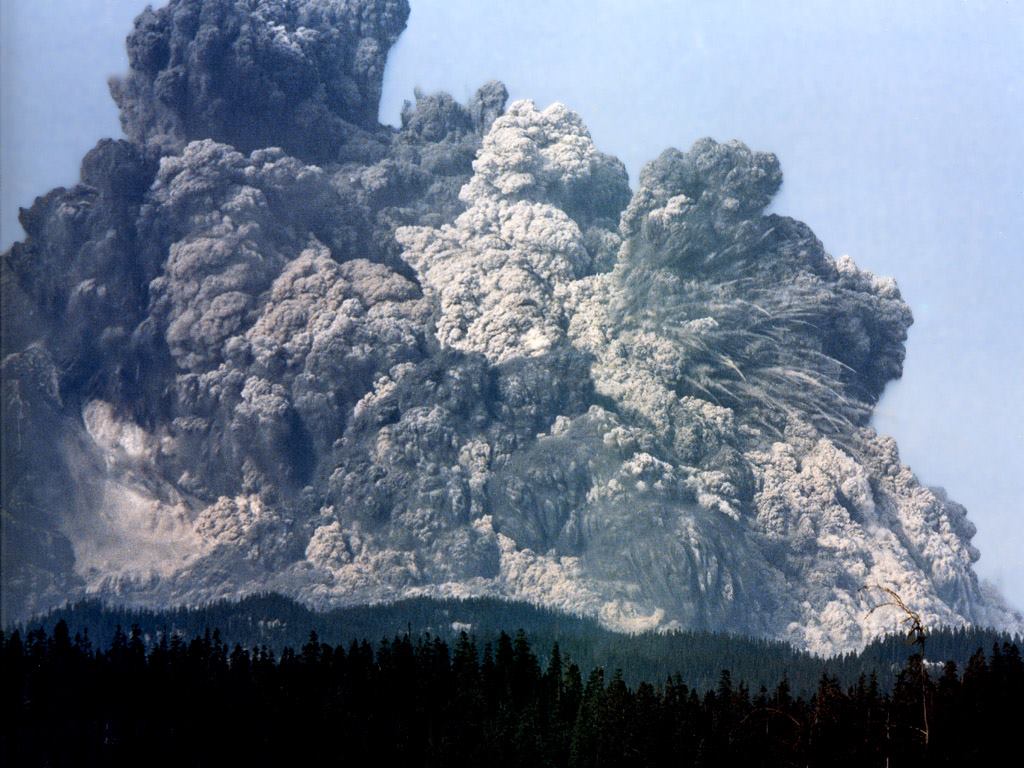
    That said, my unnatural dismissal from a certain local classical music station puts me in mind of some more natural disasters. With my broadcast base shifting for the time being to the Pacific Northwest and KWAX, the radio station of the University of Oregon, my thoughts drift back to 1980 and the fearsome eruption of Mount St. Helens. When Helens blew, she killed 57 people, reduced hundreds of square miles to wasteland, and caused over a billion dollars in damage. The most active volcano in the contiguous United States, Helens is situated only a three-hour drive north of Eugene (home of KWAX).

    This week on “The Lost Chord” we’ll be dancing around the mouth of the volcano, as it were. Composer Alan Hovhaness was always acutely attuned to nature. For decades, he lived outside Seattle, where he enjoyed a fruitful relationship with the Seattle Symphony. Mountains, in particular, inspired a number of his more reverential works. Commenting on his best-known music, the Symphony No. 2, “Mysterious Mountain,” composed in 1955, he wrote, “Mountains are symbols, like pyramids, of man’s attempt to know God. Mountains are symbolic meeting places between the mundane and spiritual worlds.”

    The friction of the natural and the transcendent certainly informs the progression of his Symphony No. 50, the “Mount St. Helens” Symphony, composed in 1983: from a sense of grandeur in the first movement, a prelude and fugue in praise of Helens; the placidity of Paradise Lake, the beauty of which disappeared forever; and the volcano itself, recalled in the third and final movement, most percussively rendered. The violence subsides, and the dawn hymn of the opening returns in triumph.

    Hovhaness’ volcano symphony is like a walk in the park alongside the mad inspirations of Icelandic genius Jon Leifs. Leifs’ “Hekla,” from 1961, is probably the closest you’ll ever want to get to a volcanic eruption. Requiring 19 percussionists banging away on anvils, stones, sirens, plate bells, chains, shotguns, cannons, and a large wooden stump, it has been called the loudest piece of classical music ever written. For their own well-being, the performers were instructed to wear earplugs.

    As a bonus, with what’s left of our hearing, we’ll also enjoy “Volcanic Eruption and Atonement” from Leifs’ ballet, “Baldr.”

    In this graduation season, if there was a degree awarded for distinguished achievement in volcanology, these composers undoubtedly would have graduated “Magma Come Loudly.”

    Prepare to be blown away, this Saturday on “The Lost Chord,” now in syndication on KWAX!

    See below for streaming information.


    Keep in mind, KWAX is on the West Coast, so there’s a three-hour difference for the Trenton-Princeton area. Here are the respective air-times of my shows (with East Coast conversions in parentheses):

    PICTURE PERFECT, the movie music show – Friday on KWAX at 5:00 PACIFIC TIME (8:00 PM EDT)

    THE LOST CHORD, unusual and neglected rep – Saturday on KWAX at 4:00 PACIFIC TIME (7:00 PM EDT)

    Stream them here!
    https://kwax.uoregon.edu/

  • Volcanic Eruptions in Classical Music

    Volcanic Eruptions in Classical Music

    When is cauliflower not good for you? When it turns out that it’s actually Mount St. Helens.

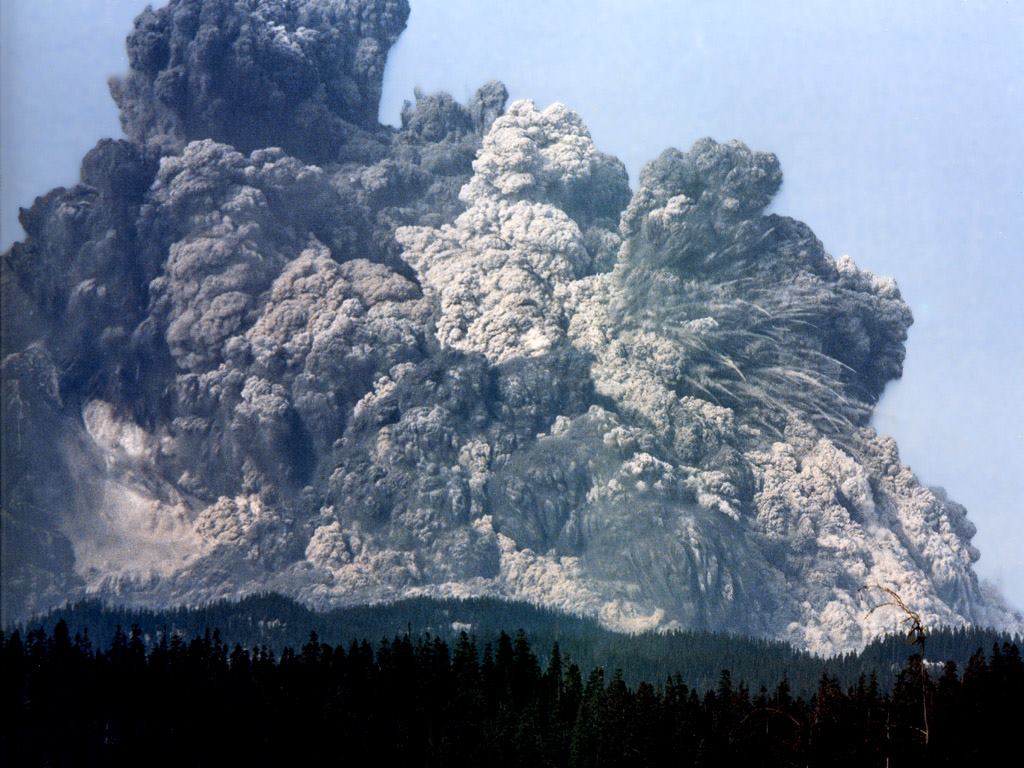
    Mount St. Helens blew on May 18, 1980, killing 57 people, reducing hundreds of square miles to wasteland, and causing over $1 billion in damage. It also happened to inspire a symphony by Alan Hovhaness.

    This Sunday night on “The Lost Chord,” with so much Hawaiian volcanic activity in the news of late, I thought it a good time to revisit Hovhaness’ “Mount St. Helens” Symphony, alongside two works by Icelandic genius Jon Leifs.

    Hovhaness was moved to write his Symphony No. 50 in the wake of Helens’ cataclysmic eruption, the deadliest in U.S. history. The composer always viewed mountains as symbols of man’s attempt to know God – symbolic meeting places between the mundane and spiritual worlds.

    The friction of the natural and the spiritual inform the progression of the symphony, from a sense of grandeur in the first movement, a prelude and fugue in praise of Helens; the placidity of Paradise Lake, the beauty of which disappeared forever; and the volcano itself, recalled in the third and final movement, most percussively rendered. The violence subsides, and the dawn hymn of the opening returns in triumph.

    Hovhaness’ volcano symphony is like a walk in the park alongside Leifs’ mad inspirations. Leifs’ “Hekla,” from 1961, is probably the closest you’ll ever want to get to a volcanic eruption. Requiring 19 percussionists banging away on anvils, stones, sirens, plate bells, chains, shotguns, cannons, and a large wooden stump, it has been called the loudest piece of classical music ever written. For their own well-being, the performers were instructed to wear earplugs.

    As a bonus, with what’s left of our hearing, we’ll also enjoy “Volcanic Eruption and Atonement” from Leifs’ ballet, “Baldr.”

    If there was a degree awarded for distinguished achievement in volcanic music, these composers would certainly have graduated “Magma Come Loudly.” Prepare to be blown away, this Sunday night at 10:00 EDT, on WWFM – The Classical Network and wwfm.org.


    PHOTO: That ain’t cauliflower: Mount St. Helens in 1980

  • Classical Music Mount St Helens Bach Birthday

    Classical Music Mount St Helens Bach Birthday

    When is cauliflower not good for you? When it turns out that it’s actually Mount St. Helens.

    Mount St. Helens blew on May 18, 1980, killing 57 people, reducing hundreds of square miles to wasteland, and causing over $1 billion in damage. It also happened to inspire a symphony by Alan Hovhaness. You’ll hear it today on The Classical Network, as we celebrate Hovhaness’ birthday (b. 1911).

    We’ll also have music by Greek composer Nikos Skalkottas (b. 1904), one of the great film themes by Bruce Broughton (b. 1945), and a concerto by my favorite of the sons of Bach, Carl Philipp Emanuel (b. 1714).

    Are you planning on “Giving Bach?” Be one of 500 to make a donation by March 21 – Johann Sebastian Bach’s birthday – and we’ll cancel fundraising on that day and simply enjoy his music. Furthermore, we’ll host a free concert that evening at Miller Chapel on the campus of Princeton Theological Seminary, with musicians of New York’s Trinity Wall Street performing a selection of his cantatas and organ works.

    Contribute today at wwfm.org, or call during regular business hours at 1-888-232-1212. As always, thank you for your support of WWFM – The Classical Network.

  • Mount St Helens Eruption Remembering the 1980 Disaster

    Mount St Helens Eruption Remembering the 1980 Disaster

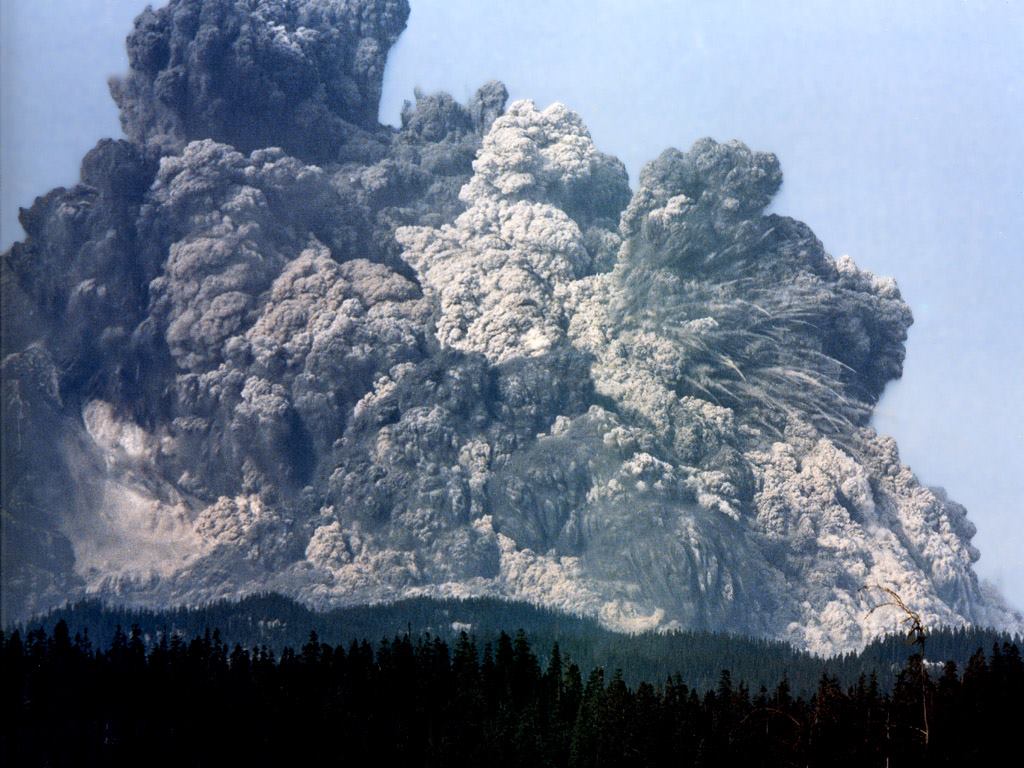
    It was on this date in 1980 that Mount St. Helens blew, killing 57 people, reducing hundreds of square miles to wasteland, and causing over $1 billion in damage.

    Sounds worthy of a symphony to me.

    https://www.youtube.com/watch?v=CLs7rT8AGe4

    PHOTO: That ain’t cauliflower

Tag Cloud

Aaron Copland (92) Beethoven (95) Composer (114) Film Music (120) Film Score (143) Film Scores (255) Halloween (94) John Williams (185) KWAX (229) Leonard Bernstein (100) Marlboro Music Festival (125) Movie Music (135) Opera (198) Philadelphia Orchestra (88) Picture Perfect (174) Princeton Symphony Orchestra (106) Radio (87) Ralph Vaughan Williams (85) Ross Amico (244) Roy's Tie-Dye Sci-Fi Corner (290) The Classical Network (101) The Lost Chord (268) Vaughan Williams (103) WPRB (396) WWFM (881)

DON’T MISS A BEAT

Receive a weekly digest every Sunday at noon by signing up here


RECENT POSTS