Get ready to Gluck out.
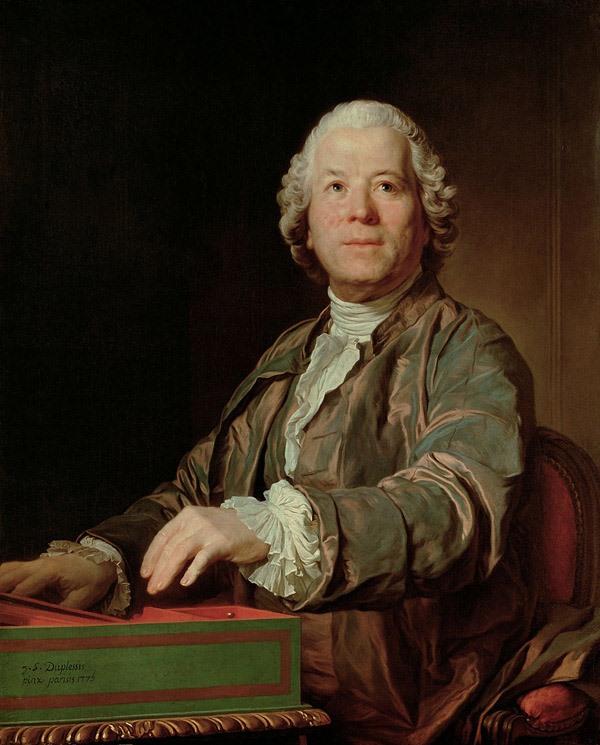
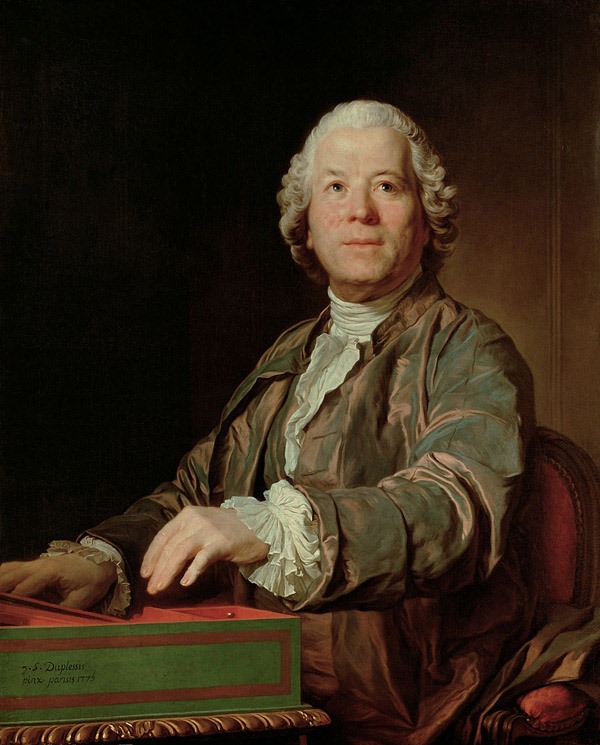
Today marks the anniversary of the birth of Christoph Willibald Gluck (1714-1787), a composer concert promoters and marketers seem to have a hard time getting their heads around. Give them Verdi, Wagner or even Britten, and they’ll run with it. But Gluck? Who he?
Oh yeah. Isn’t he the guy who wrote the “Dance of the Blessed Spirits?”
We always hear about Gluck being a reformer, and in truth his influence on the future of opera was incalculable. He shunned floridity for its own sake. He was not a sensualist. He rebelled against the superficial effects of “opera seria,” with its showy arias ornamented beyond recognition by star castrati, to arrive at something closer to naturalism.
With Gluck, words and music bore equal weight. Drama was of the foremost importance. He tossed out the dry recitative to create a more continuous flow in the action. Performers took a back seat to emotional truth. The effect was kind of a chaste grandeur, simplicity at the service of theatrical power. Works like “Orfeo ed Euridice” and “Alceste” were radical for their time.
Gluck’s influence runs through Mozart to Weber, Berlioz and Wagner. Yet today his works are less frequently performed than those of any of his followers.
Find out more about Gluck in “Gluck the Reformer” (featuring John Eliot Gardiner, William Christie and others):
Then join me this afternoon, when among my featured works will be a selection of Gluck arias and ballet music, and even a monumental arrangement of a Gluck overture by Richard Wagner. We’ll also honor Frederick Fennell and Gilbert Kalish on their birthdays.
“Glück” means “happiness” in German, you know. We’ll cram in as much happiness as we can, this Monday afternoon from 4 to 7 p.m. EDT, on WWFM – The Classical Network and wwfm.org.