Tag: Princeton University Orchestra

  • Princeton University Orchestra Punches Above Its Weight

    Princeton University Orchestra Punches Above Its Weight


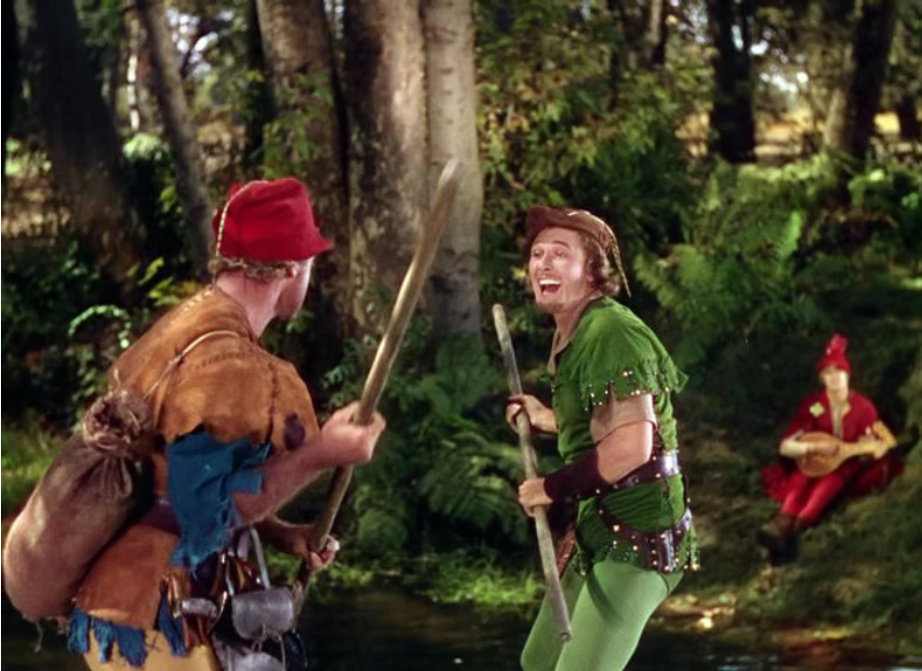
    I’ve loved the music of Erich Wolfgang Korngold since I was a kid. I was humming the quarterstaff contest from “The Adventures of Robin Hood” (1938) before I knew a thing about classical music, thanks to enraptured television viewings of the Errol Flynn classic. On one memorable occasion, my best friend and I took down his mom’s curtain rods after the movie and sang Korngold’s gleeful fight music while dueling all over the house.

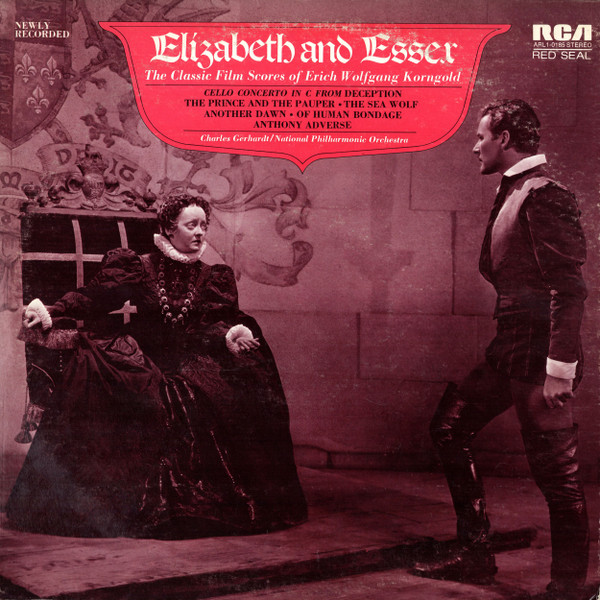
    What I wouldn’t know until I was in high school, when I discovered the benchmark Charles Gerhardt LPs of his classic film scores, was that Korngold was one of classical music’s most gifted child prodigies. The toast of Vienna (Mahler declared him a genius and Richard Strauss was “terrified” by his talent), he was already writing operas in his teens. A contract with Warner Bros. brought further fame and fortune and likely saved his life. He was in Hollywood, writing the music for “Robin Hood,” when Hitler annexed Austria.

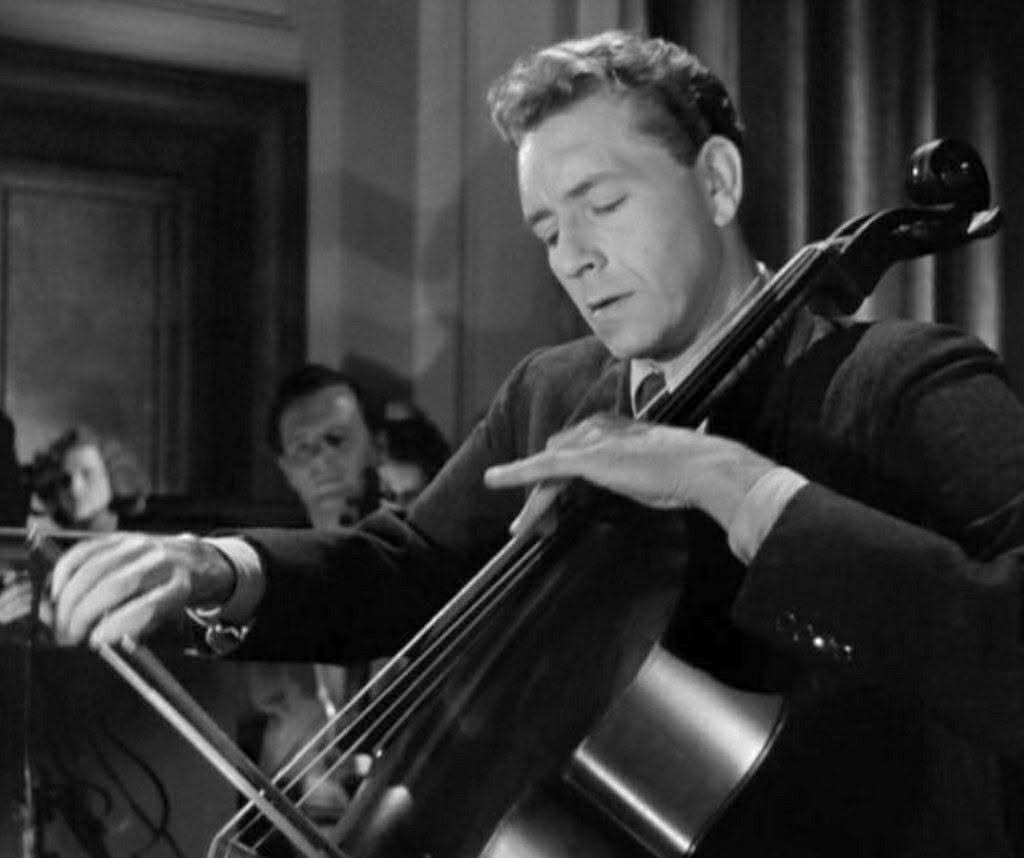
    Korngold remained in the U.S. throughout the war, providing scores for Flynn and Bette Davis vehicles. Davis’ “Deception” (1946) brought a noir sensibility to a sinister love triangle involving three musicians. Claude Rains plays an overbearing composer, who attempts to push a psychologically fragile cellist (Casablanca’s Paul Henreid), who survived a concentration camp, past the breaking point with the rigors of his new cello concerto! Naturally, music would play a central part in the story, and Korngold provided an onscreen concerto for the film’s dramatic center.

    Once upon a time, Korngold’s postwar Violin Concerto (in 1947 witheringly dismissed by the New York Sun’s Irving Kolodin as “more corn than gold”) was something of a rarity in concert halls, but in recent decades a younger generation of performers has given it a boost into the standard repertoire. Korngold’s Cello Concerto and Piano Concerto for the Left Hand have not been so lucky. Because much of it had to be performed on screen, as part of the action of the film, the cello work is understandably shorter. It could be awkward and expensive to include it on a real-life classical music concert, with the orchestra having to pay a star soloist for a work only half the length of a standard concerto.

    So it’s very seldom done, and frankly, even for a Korngold admirer like myself, I always regarded it as something of a poor stepchild. Not that I don’t adore the melodic content (of a character I am certain would NOT please Kolodin). There are some heart-meltingly lovely moments, like pools of sweet refreshment disturbed by intermittent squalls. Following in the footsteps of Liszt (who wrote no cello concertos), Korngold takes elements of the standard concerto form and compresses them into a vertiginously brief span, roiling with dramatic tension. On recordings, the overheated soloist is often pushing back against aggressive tutti passages.

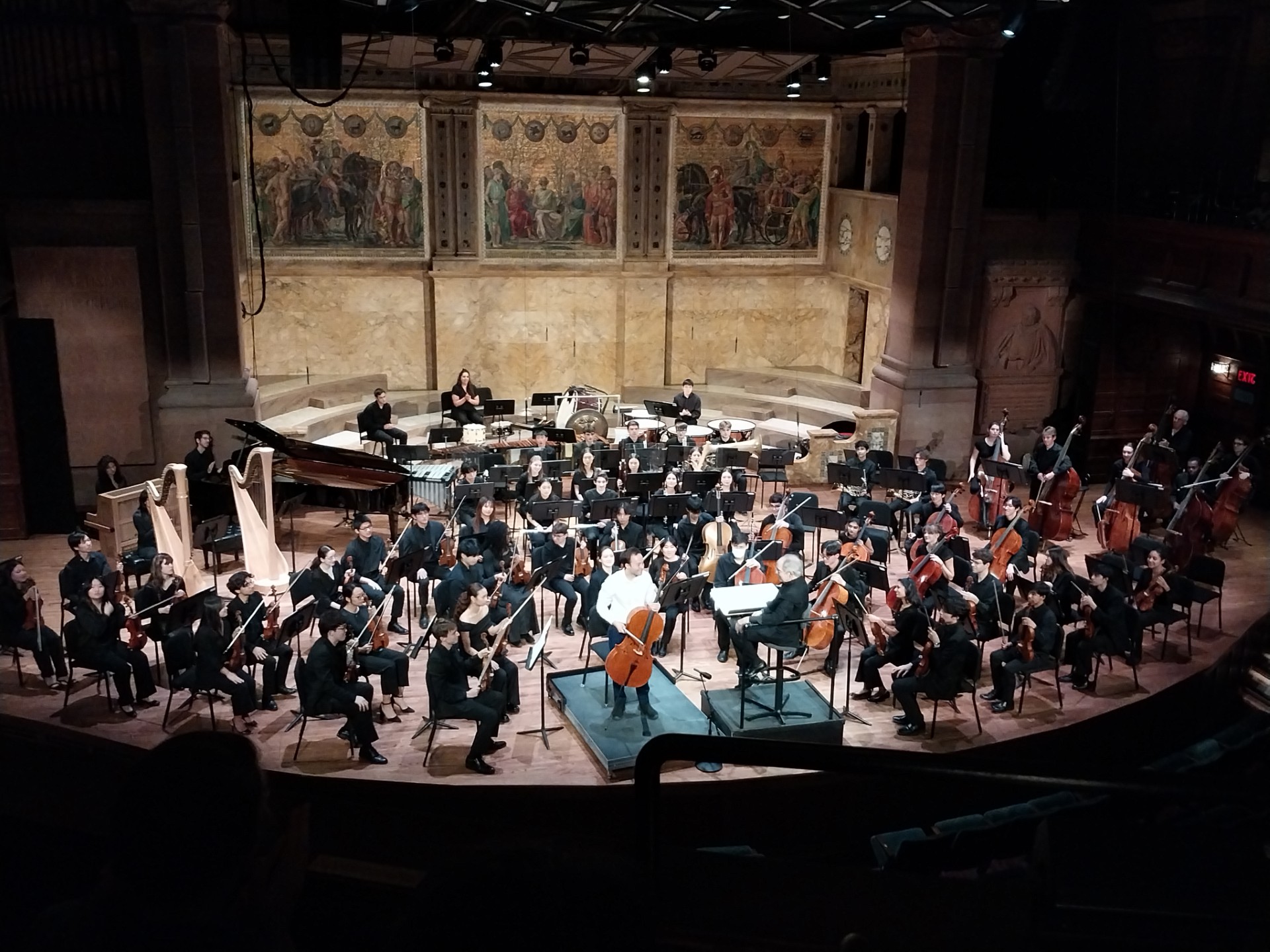
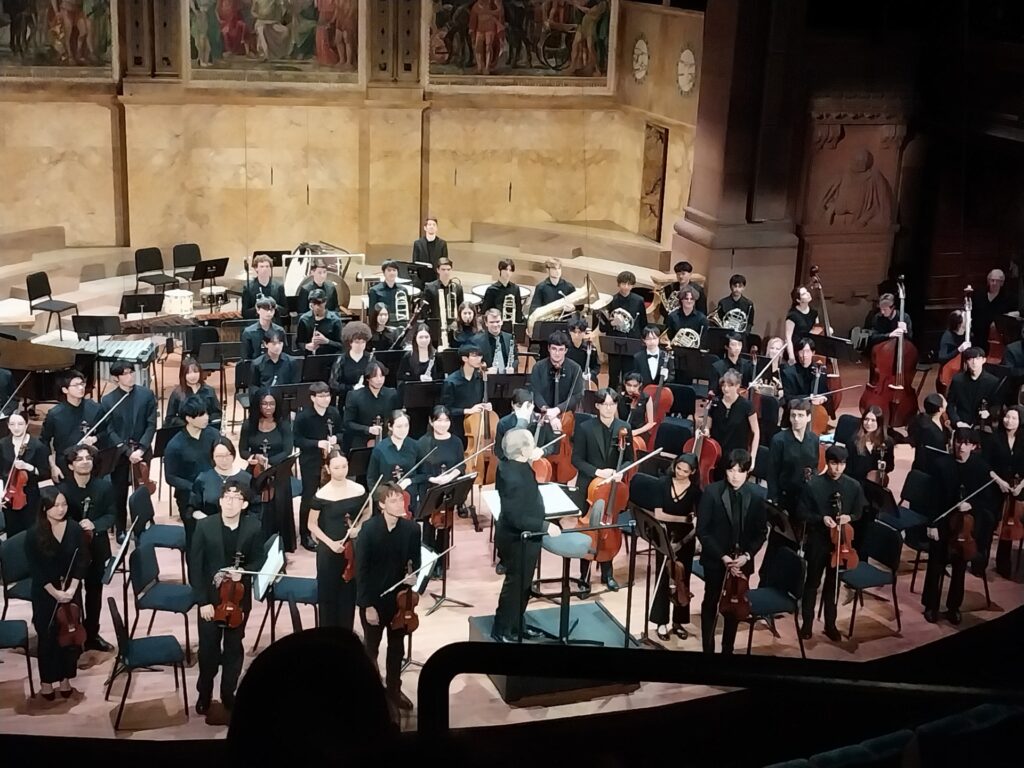
    I’ve only heard it performed live once before, so it was with great anticipation that I attended Friday evening’s concert of the Princeton University Orchestra at Richardson Auditorium, on which Korngold’s concerto formed the centerpiece of the program (which was repeated on Saturday night). Now, this is a student orchestra, mind you, but the young musicians play as if they’ve long ago forgotten the fact. Michael Pratt, the ensemble’s music director since 1977, has no qualms about programming the most challenging and at times esoteric works in the repertoire. Granted the personnel turns over all the time, as the students graduate, but I’ve heard this group tackle “Ein Heldenleben,” the complete “Daphnis and Chloé,” several Mahler symphonies, and “The Dream of Gerontius!”

    The Korngold soloist was Max Salzinger, now a Princeton sophomore, and he played beautifully, with all the assurance of someone who had clearly internalized the score. The performance was spacious, sumptuous, and wistfully romantic. Lyrical passages breathed. Soloist and orchestra offered a more expansive account, or the appearance of one, than those to which I had grown accustomed. The experience was luxurious and revelatory. Suddenly the piece sounded less like a made-to-order Hollywood film concerto and more like an honest-to-goodness concert work that, yes, really does deserve to take its place alongside the Violin Concerto. This was the Korngold I didn’t know I needed. Listening to it made me feel like a teenager again.
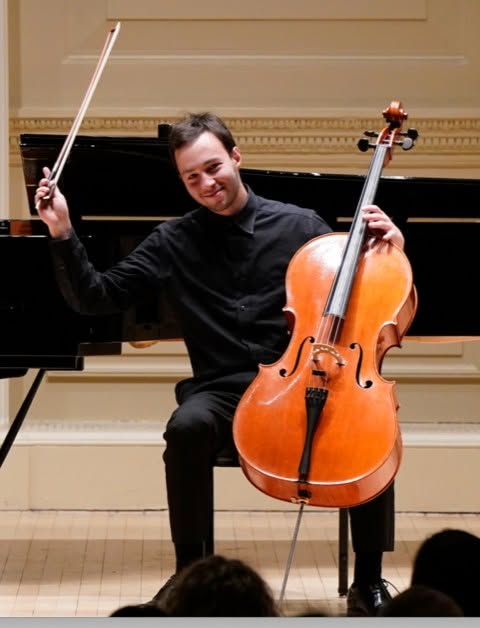

    Keep in mind, few of these university performers are music majors. Most of them are pursuing degrees in other fields. Salzinger is an aspiring economist. But clearly the cello is central to his being. He’s already had a ton of experience playing with the orchestra of Indiana’s Hotchkiss School (from which he graduated in 2025), the Hartford Symphony, and the Indianapolis and Interlochen Youth Orchestras, among others. Last year, he won Princeton’s Concerto Competition. It was not the first contest in which he’s come out on top.

    Equally impressive was the concert’s opening performance, of Alberto Ginastera’s “Pampeana No. 3,” a piece evocative of the pampas, the grasslands of the composer’s native Argentina, which was played at a near-professional standard. Seriously, this was as fine a performance of this piece as I will likely ever experience, especially live. And what a battery of percussion at its center! I’d be lying if I said I was shocked by the quality of the playing, but it was still a great pleasure to be reminded of just how good these student musicians can be – 80+ performers, with two harps, piano, celesta, and three percussionists, putting their shoulders to it. The woodwind playing, especially some flute duets, played by Liam Browne and Hugh Choi, lent idiomatic color.
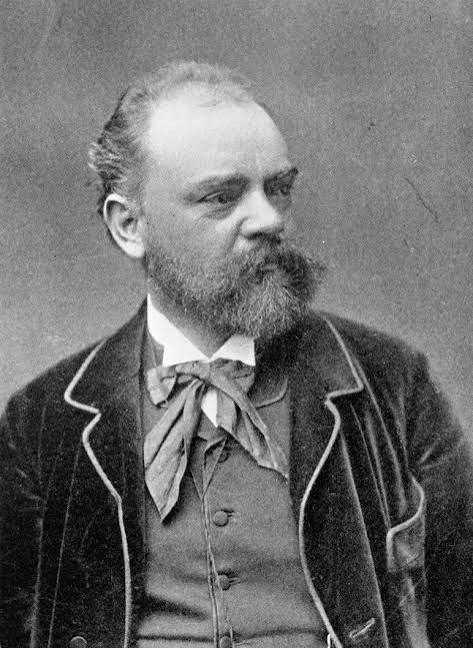

    The second half of the program, consisting of Dvořák’s Symphony No. 8, was markedly wilder and woollier, which made me wonder if the bulk of the rehearsal time had been devoted to the other, less familiar pieces. Any kind of shading in the first movement was out the window, with most of the music played at one dynamic – loud – so that many felicitous details of the composer’s score were overwhelmed. I would be remiss, however, not to to give credit to trumpeters Austin Clinard and Matt Cline, who nailed their exposed fanfares both here and in the last movement, which must have taken not only technique, but nerves of steel.

    The middle movements were better, especially the second, which was presented with more variety and shading, and all the soloists hit their marks and played with confidence. The third movement, an elegant waltz, was a little underarticulated, but mostly successful. But in the last movement, we were back to everyone going full tilt, subtlety be damned. But my goodness, what an exciting noise!

    With the crazy chromaticism of Dvořák’s coda, just as the players are required to really bring on the steam, it already seems as if the entire work is about to fly off the rails (by coincidence, Dvořák was a great admirer of trains), but pile on the youthful energy of the Princeton University Orchestra, with timpanist Milo Salvucci, and you really experience the terror of the sublime. The sensation was so harrowing, I couldn’t help but burst into laughter. What great fun!

    So, they’re not the Czech Philharmonic. Who cares? Put your hands together for these kids. They did a great job.

    The next set of concerts will take place on November 20 & 21, and will include Benjamin Britten’s “Four Sea Interludes” from “Peter Grimes” and Tchaikovsky’s Symphony No. 6 “Pathétique.”

    On February 26 & 27, winners of this year’s concerto competition will be heard.

    In the spring, on April 15 & 16, Pratt will conduct Mahler’s Symphony No. 9.

    For more information, visit https://orchestra.princeton.edu/current-season/
  • Korngold in Princeton

    Korngold in Princeton

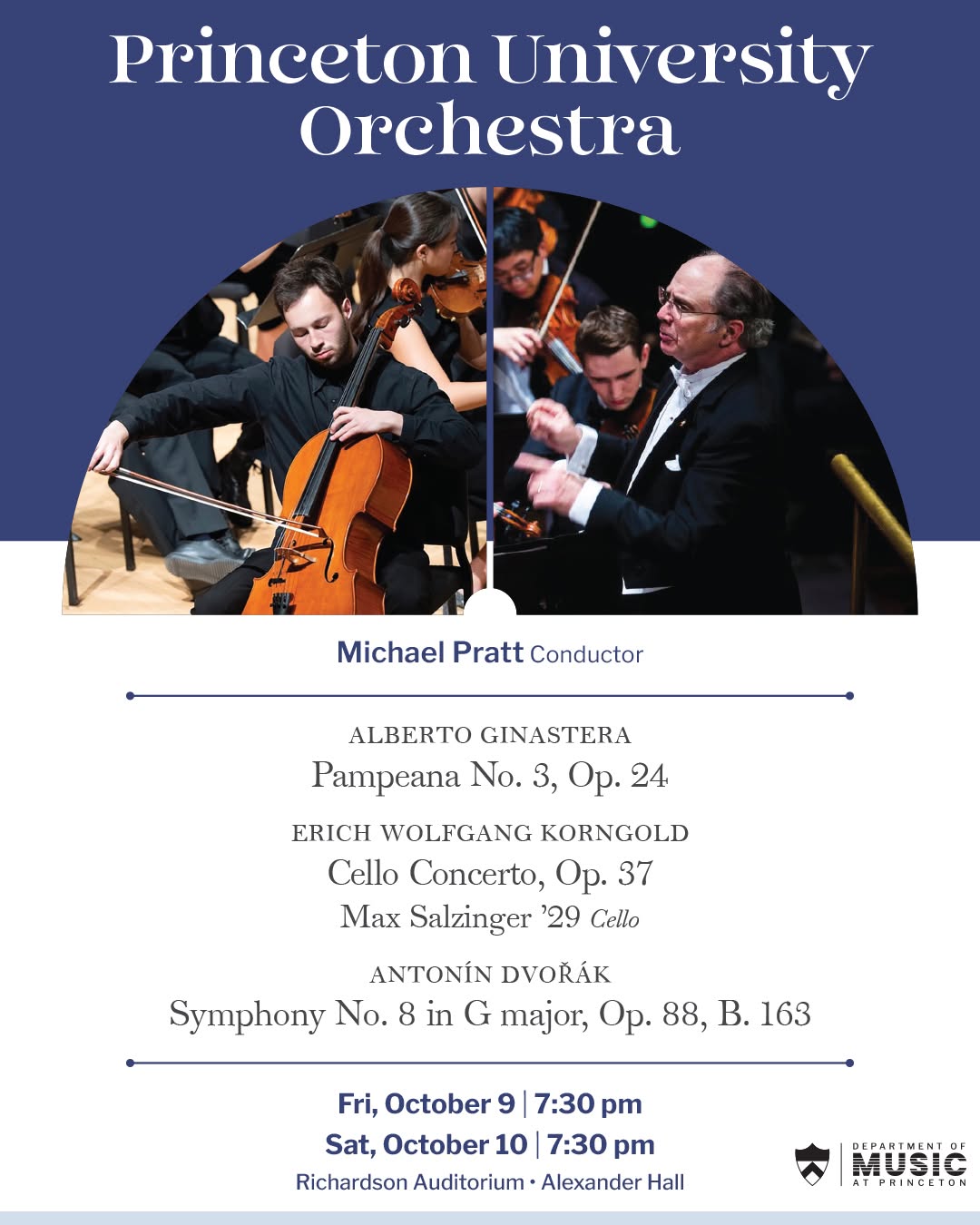
    And suddenly, for me, the 2026-27 concert season gets underway. I know performing arts organizations have been busy for the past few weeks, but this weekend is the first that my dance card is on fire. How could I resist this program by the Princeton University Orchestra? Ginastera, Korngold, and my favorite Dvořák symphony!

    Conductor Michael Pratt, the orchestra’s music director since 1977, is a genius at getting his students – few of whom are actual music majors (most of them are pursuing degrees in astrophysics, bioengineering, computer science, linguistics, sociology, philosophy, and other pointy-headed Princeton fields) – to play the most demanding repertoire. I’ve heard them perform “Ein Heldenleben,” the complete “Daphnis and Chloé,” several Mahler symphonies, and “The Dream of Gerontius,” among others. They’re always very good, and sometimes they even excel themselves. Furthermore, they play in Princeton’s intimate and historic Richardson Auditorium. Yowzers!

    The cello soloist in the Korngold concerto is Max Salzinger (’29), winner of this year’s orchestra concerto competition. Korngold wrote the concerto for the 1946 Bette Davis-Claude Rains music-noir “Deception.” In the film, Paul Henreid (Casablanca’s Victor Laszlo) appears to play the solo part, but really he’s just making facial expressions, as in the closer shots, his hands are actually tied behind his back. Two professional cellists crouch behind him, one of their arms in either sleeve of a specially designed coat to give the actor’s pantomimed performance greater verisimilitude.

    The cellist on the film’s soundtrack, the one that’s actually heard, is Eleanor Aller, the wife of Felix Slatkin (concertmaster of the 20th Century Fox studio orchestra and founder of the Hollywood String Quartet) and mother of conductor Leonard Slatkin. She was pregnant with her other son, Frederick Zlotkin, at the time. Zlotkin also grew up to be a professional cellist.

    I’ve only ever heard the concerto performed live in concert once before. Naturally, I am very much looking forward to hearing it again, as Korngold is also one of my favorite composers.

    Right here in my own backyard, too!

    The Princeton University Orchestra program will be presented at Richardson Auditorium on both Friday and Saturday at 7:30 p.m.

    For more information, visit:

    https://music.princeton.edu/events/2026/princeton-university-orchestra-ginastera-korngold-dvořák

    The other night? Why, Dalia Stasevska conducts the Philadelphia Orchestra in Sibelius’ “Pohjola’s Daughter” and Respighi’s “Pines of Rome,” with Gil Shaham the soloist in Saint-Saëns’ Violin Concerto No. 3, at Philadelphia’s Kimmel Center for the Performing Arts. I’m a lucky boy!

  • Princeton Revives Neglected American Symphony

    Princeton Revives Neglected American Symphony

    Roy Harris was born on Lincoln’s birthday in a log cabin in Lincoln County, Oklahoma. If that doesn’t imbue a composer with a sense of destiny, I don’t know what will.

    Harris went on to became one of our great American symphonists. In particular, his Symphony No. 3 of 1939 has been much beloved and frequently performed. Unfortunately, we don’t hear all that much of his music anymore. And that’s a damned shame.

    So thank you, Princeton University Orchestra, for reviving Harris’ Symphony No. 3 on your opening concerts this weekend at Richardson Auditorium, Saturday at 7:30 p.m. and Sunday at 3:00, on the same program with Hector Berlioz’s “Symphonie fantastique.”

    Most of the orchestra’s personnel, mind you, are not music majors, but rather committed dilettantes pursuing degrees in other fields, such as astrophysics, bioengineering, computer science, linguistics, sociology, philosophy, and a lot of other things in no way related to music. Also, a substantial number of the players turn over every year as students graduate.

    Yet on those occasions when I have been privileged to hear them perform, the orchestra has never been less than solid – interpretively safe, perhaps, but on occasion they surpass themselves. And I have heard them tackle Mahler’s 3rd, “Ein Heldenleben,” and the complete “Daphnis and Chloé.”

    Most recently, a performance with the Princeton University Glee Club of Elgar’s “The Dream of Gerontius” was revelatory, finally unlocking the magic of the piece for me, which I had previously known only from recordings. Music director Michael Pratt, who has led the orchestra since 1977, is a miracle worker.

    I can’t wait to hear Harris’ symphony. I’d travel a lot further to enjoy music from this now-neglected “greatest generation” of American symphonists. What a delight to have some of it right here, in my own backyard!

    For tickets, follow the link:

    https://tickets.princeton.edu/

    The orchestra’s 2025-26 season:

    Current Season

  • Dreamy Gerontius

    Dreamy Gerontius

    If you’re within driving distance of Princeton and aren’t holding tickets to tonight’s performance of George Antheil’s “Ballet Mécanique” in Trenton (by the New Jersey Capital Philharmonic Orchestra), you owe it to yourself to do everything in your power to try to catch the second performance of Edward Elgar’s “The Dream of Gerontius” by the Princeton University Orchestra and Princeton University Glee Club.

    I happen to be extremely fond of Elgar, and this is always deemed to be one of his best pieces (with the “Enigma Variations,” it’s the work that really solidified his reputation as the foremost English composer of his generation); but if I’m to be honest, I’ve always found it to be kind of meh. Beyond the Demons Chorus, there really isn’t any of that Elgarian swagger (it’s the flip side of “Enigma”), and the whole bears a heavy Wagnerian stamp. But last night it was so beautiful, and came across so much better than on recordings. It’s one of those pieces that simply has to be experienced live. Do it!

    The soloists were all wonderful, with tenor Anthony Dean Griffey, the Met’s “Peter Grimes,” as Gerontius, countertenor Aryeh Nussbaum Cohen, a Princeton alumnus, as the Angel (unusually, as the part is usually taken by a mezzo-soprano), and bass-baritone Andrew Foster Williams, singing from balcony and platform (extending stage left to accommodate organist Eric Plutz and double basses), as the Priest and Angel of Agony.

    I have no idea how Michael Pratt maintains the quality of his orchestra. First of all, the musicians are mostly dilettantes, pursuing degrees in other fields, like astrophysics, bioengineering, computer science, linguistics, sociology, philosophy, and anything else in no way related to music. Second, a substantial portion of the personnel must turn over every year as students graduate. I’ve heard the orchestra a number of times before (Mahler 3, “Ein Heldenleben,” “Daphnis and Chloe”), and they’ve always been very good, if perhaps interpretatively safe, but last night they excelled. I can’t believe anyone could have done it any better.

    Princeton University Glee Club, supplying the three choirs, was transcendent. They sang with spirit and celestial joy. Their director, Gabriel Crouch, formerly a member of the King’s Singers and founder of Gallicantus, stepped up his game to conduct the massed forces of orchestra and singers. A very, very fine job he did. The concert was shamefully under-attended, with many empty seats, but those in the audience cheered like a full house.

    Take it from someone who owns at least four recordings of the piece (conducted by Boult, Britten, Hickox, and Sargent): those recordings may offer some superior musicianship and insights, but none of them outstrip the “Gerontius” I experienced last night. The young musicians were strikingly committed – I caught a few of them even smiling – in this astonishingly somber, bold piece of programming for such an overly sensitive, culturally retrogressive age.

    “Gerontius” is standard repertoire in the U.K. but not bound to pack houses in the U.S. Its somber nature encourages introspection and contemplation. The subject matter is no less than a speculative journey into the afterlife.

    That this solemn, 90-minute work by a dead white male who was always photographed in heavy tweeds and a stuffy push-broom mustache, and who has become further weighted with the post-colonial baggage of “Empire” (he wrote a lot of ceremonial music and those “Pomp and Circumstance” marches), that this musical monument steeped in profound religious feeling, would so engage these young performers of varied backgrounds and ethnicities is a powerful rebuttal to the reductive 21st century impulse to damn anything that doesn’t perfectly blend with our own thoughts, experiences, or systems of belief. Watching those who poured their souls into it last night, and realizing they will have a role in shaping the future, gave me a rare glimmer of hope.

    “The Dream of Gerontius” is a human masterpiece. Open your heart and see it.

    https://music.princeton.edu/event/the-walter-l-nollner-memorial-concert-dream-of-gerontius/2024-04-20/

  • Vaughan Williams Tuba Concerto Princeton

    Vaughan Williams Tuba Concerto Princeton

    Anyone else plan to be in attendance when Ralph Vaughan Williams’ Tuba Concerto is performed in Princeton this weekend?

    The work will appear on two concerts by the Princeton University Orchestra, on Friday and Saturday at 7:30 p.m. Wesley Sanders (’26) will be the soloist. Also on the program will be Robert Schumann’s Cello Concerto, with Kaivalya Kulkami (’26), and Peter Ilych Tchaikovsky’s Violin Concerto, with Daniel Lee (’27). Michael Pratt will conduct.

    Looking ahead, there’s more English music in the offing for the spring, when Edward Elgar’s milestone oratorio “The Dream of Gerontius” will be performed on April 19 & 20.

    All concerts will be held at Richardson Auditorium in Alexander Hall on the campus of Princeton University. I last heard the students play “Ein Heldenleben” there last season and was suitably impressed.

    View the rehearsal clips on the Princeton University Orchestra Facebook page. Then, for tickets and information, visit music.princeton.edu/events/


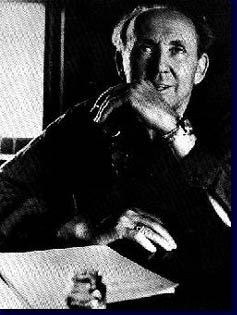
    PHOTO: Vaughan Williams, looking as miserable as you would imagine, being serenaded by the tuba. The composer wrote the first ever concerto for the instrument in 1954. A late and unusual work, the piece was dedicated to Philip Catelinet, principal tubist of the London Symphony Orchestra. “Glorious John” Barbirolli conducted the premiere. These are the forces heard on the work’s first recording. Give a listen, and I’ll see you at Richardson.

Tag Cloud

Aaron Copland (94) Beethoven (95) Composer (114) Film Music (148) Film Score (143) Film Scores (255) Halloween (97) John Williams (196) KWAX (232) Leonard Bernstein (105) Marlboro Music Festival (125) Movie Music (163) Mozart (91) Opera (215) Philadelphia Orchestra (90) Picture Perfect (174) Princeton Symphony Orchestra (110) Radio (90) Ross Amico (244) Roy's Tie-Dye Sci-Fi Corner (290) The Classical Network (101) The Lost Chord (269) Vaughan Williams (107) WPRB (397) WWFM (881)

DON’T MISS A BEAT

Receive a weekly digest every Sunday at noon by signing up here


RECENT POSTS