Tag: Reynaldo Hahn

  • Reynaldo Hahn A Musical Bon Vivant at 150

    Reynaldo Hahn A Musical Bon Vivant at 150

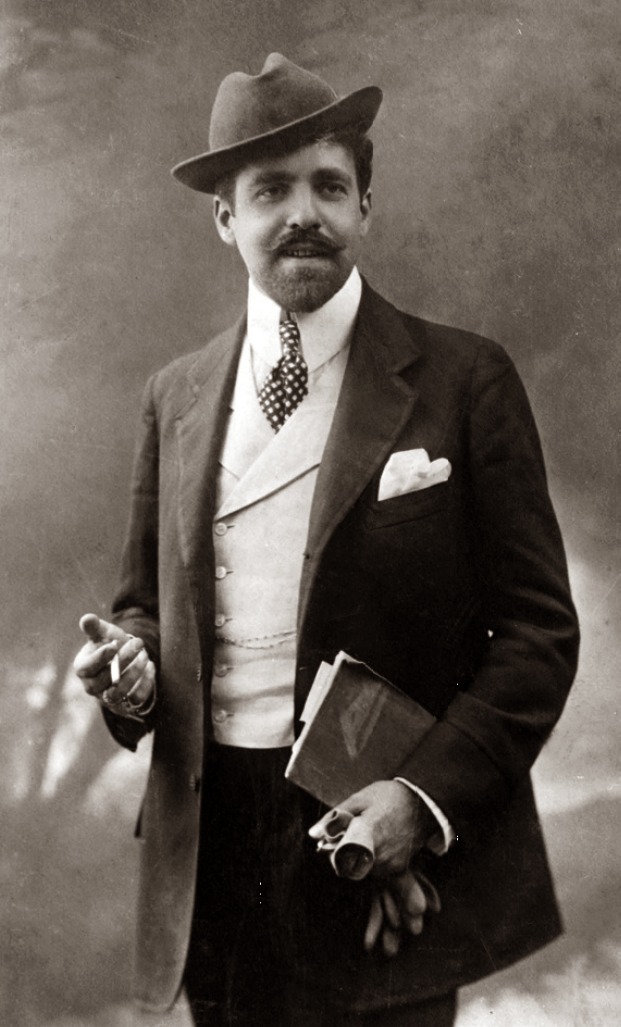
    Born 150 years ago today: bon vivant Reynaldo Hahn.

    Hahn was born in Caracas, Venezuela, in 1874, the youngest of twelve children. His father was a German-Jewish businessman, a convert to Catholicism, who arrived in Venezuela in 1845 at the age of 22 and married a Venezuelan woman of Basque origin. Political instability drove the family to resettle in Paris, where young Reynaldo was given a cosmopolitan education.

    He studied composition at the Paris Conservatory (which he entered at the age of 11) with Charles Gounod and Jules Massenet, among others. He took private lessons with Camille Saint-Saëns.

    Hahn met Marcel Proust at the age of 19, and the two essentially combusted. Their affair lasted for two years and is thought to have been Proust’s only real relationship. The romance may have fizzled, but the friendship was lifelong. Hahn’s influence permeates Proust’s “Remembrance of Things Past” (a.k.a. “In Search of Lost Time”), often cited as one of the greatest novels of the 20th century. It’s certainly one of the longest. It was Hahn who suggested the “petite phrase” that recurs symbolically throughout Proust’s magnum opus, really a theme from Saint-Saëns’ Violin Sonata in D minor.

    Hahn composed operas, tone poems, concertos, chamber music, a successful operetta (“Ciboulette”), and a musical comedy (“Mozart”). But far and away he is best remembered for his elegant art songs – or mélodies – of which he composed over 100.

    He certainly enjoyed the good life, nattily attired, living in a lavishly appointed flat, and always with fine cigarettes at hand. He also gained a considerable reputation as a most charming performer. His delightfully informal presentations at musical evenings of the Belle Epoque would involve him leaning far back at the piano, cigarette dangling from a corner of his mouth, and casting languid glances at the audience through long lashes. Sample his artistry below.

    Happy 150, Reynaldo Hahn!


    Hahn conducts one of his most frequently heard works, “Le bal de Béatrice d’Este” for winds, percussion, two harps, and piano

    One of his most famous songs, “À Cloris”

    Another, “L’heure exquise” (“The Exquisite Moment”)

    Hahn sings in 1909. (Great photos too!)

    Always fond of this one

    Hahn’s Piano Concerto
  • Reynaldo Hahn Bon Vivant Birthday Hit

    Reynaldo Hahn Bon Vivant Birthday Hit

    August 9. Get a hit of bon vivant Reynaldo Hahn.

    Hahn was born in Caracas, Venezuela, on this date in 1874. He was the youngest of twelve children of a German-Jewish businessman, a convert to Catholicism, who arrived in Venezuela in 1845 at the age of 22 and married a Venezuelan woman of Basque origin. Political instability drove the family to resettle in Paris, where young Reynaldo was given a cosmopolitan education.

    He studied composition at the Paris Conservatory (which he entered at the age of 11) with Charles Gounod and Jules Massenet, among others. He also took private lessons with Camille Saint-Saëns.

    Hahn met Marcel Proust at the age of 19, and the two essentially combusted. Their affair lasted for two years and is thought to have been Proust’s only real relationship. The romance may have fizzled, but the friendship was lifelong. Hahn’s influence permeates Proust’s “Remembrance of Things Past” (now frequently translated as “In Search of Lost Time”), often cited as one of the greatest novels of the 20th century. It’s certainly one of the longest.

    Hahn composed operas, tone poems, concertos, chamber music, a successful operetta (“Ciboulette”), and a musical comedy (“Mozart”). But far and away he is best remembered for his art songs – or mélodies – of which he composed over 100.

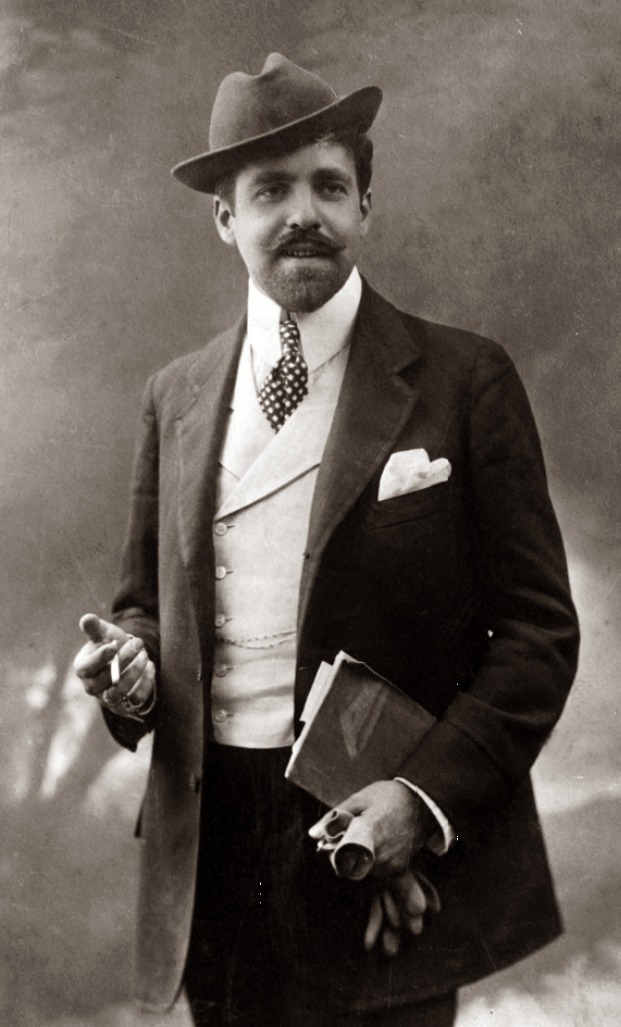
    He certainly enjoyed the good life, nattily attired, living in a lavishly appointed flat, and always with fine cigarettes at hand. He also gained a considerable reputation as a most charming performer. His delightfully informal presentations at musical evenings of the Belle Epoque would involve him leaning far back at the piano, cigarette dangling from a corner of his mouth, and casting languid glances at the audience through long lashes. Sample his artistry below.

    Happy birthday, Reynaldo Hahn!


    Hahn conducts one of his most frequently heard works, “Le bal de Béatrice d’Este” for winds, percussion, two harps, and piano

    One of his most famous songs, “À Cloris”

    Another, “L’heure exquise” (“The Exquisite Moment”)

    https://www.youtube.com/watch?v=aRnE7EYnp1A

    Hahn sings in 1909. (Great photos too!)

    Always fond of this one

    Hahn’s Piano Concerto
  • Afternoon Classical Delights WWFM

    Afternoon Classical Delights WWFM

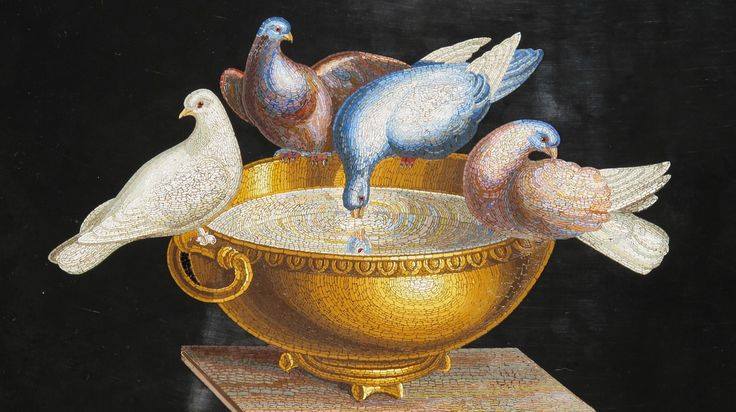
    Looking for a little refreshment for your Monday afternoon? Drink deep from “Pliny’s Fountain.” Arthur Meulemans’ opulent tone poem could have made Ottorini Respighi weep with envy. It’s one of three rarely-heard highlights I’ll be presenting this afternoon, including a brassy symphony by Nikolai Myaskovsky and a melodically appealing string quartet by Reynaldo Hahn, a composer better known for his art songs. We’ll have those and much more, between 4 and 7 p.m. EDT, on WWFM – The Classical Network and at wwfm.org.


    IMAGE: Pliny’s doves at their refreshment

  • Brazilian Music & Shostakovich Leningrad Symphony

    Brazilian Music & Shostakovich Leningrad Symphony

    Boa tarde!

    As we have for the past several weekdays, we’ll be interspersing into our playlist a few works by Brazilian composers and on Brazilian themes, the better to satisfy your musical curiosity, since television coverage of the Olympic Games in Rio cleaves pretty closely to the arenas.

    We’ll also observe the birthday anniversary of Reynaldo Hahn, a figure whose origins were in Venezuela, though he spent much of his creative life in Paris, where he became an exquisite composer of art songs (and the longtime companion of Marcel Proust). Sure, his songs turn up in recitals from time to time, and once in a while you’ll hear his delightful work for winds, harp and piano, “The Ball of Beatrice d’Este,” but we’ll actually get to enjoy his Piano Concerto.

    It’s also the anniversary of the first performance in Leningrad, in 1942, of Shostakovich’s Symphony No. 7, the so-called “Leningrad Symphony,” a work that so embodied the plight of a city under foreign siege that its citizens were both moved to tears and inspired to battle on. The Soviets blared the performance over loud speakers pointed away from the city and toward the German lines, knocking out the Nazi artillery beforehand to ensure the enemy could absorb the defiant work in all its bombastic glory.

    I hope you’ll join me this afternoon on WWFM – The Classical Network and at wwfm.org. I’ll be here in all my bombastic glory until 4:00 EDT.

Tag Cloud

Aaron Copland (92) Beethoven (95) Composer (114) Film Music (120) Film Score (143) Film Scores (255) Halloween (94) John Williams (185) KWAX (229) Leonard Bernstein (100) Marlboro Music Festival (125) Movie Music (135) Opera (198) Philadelphia Orchestra (88) Picture Perfect (174) Princeton Symphony Orchestra (106) Radio (87) Ralph Vaughan Williams (85) Ross Amico (244) Roy's Tie-Dye Sci-Fi Corner (290) The Classical Network (101) The Lost Chord (268) Vaughan Williams (103) WPRB (396) WWFM (881)

DON’T MISS A BEAT

Receive a weekly digest every Sunday at noon by signing up here


RECENT POSTS