Tag: Robin Hood

  • Princeton University Orchestra Punches Above Its Weight

    Princeton University Orchestra Punches Above Its Weight


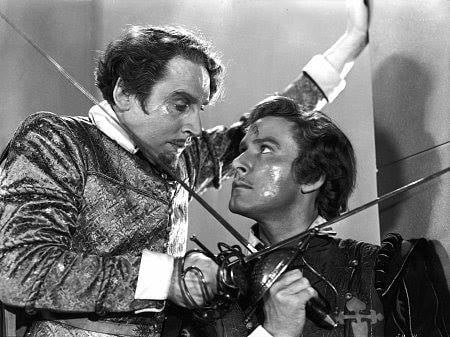
    I’ve loved the music of Erich Wolfgang Korngold since I was a kid. I was humming the quarterstaff contest from “The Adventures of Robin Hood” (1938) before I knew a thing about classical music, thanks to enraptured television viewings of the Errol Flynn classic. On one memorable occasion, my best friend and I took down his mom’s curtain rods after the movie and sang Korngold’s gleeful fight music while dueling all over the house.
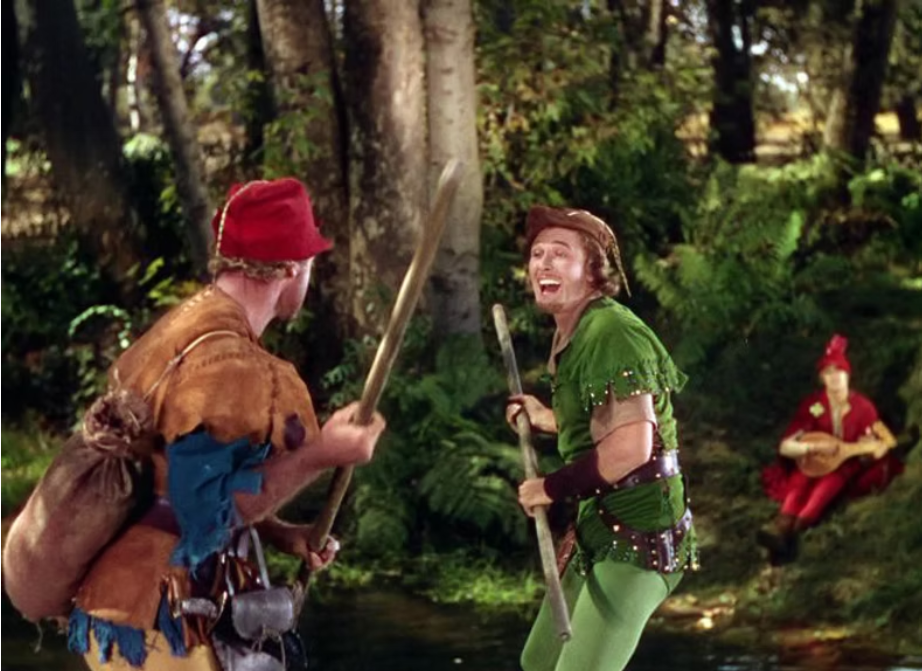

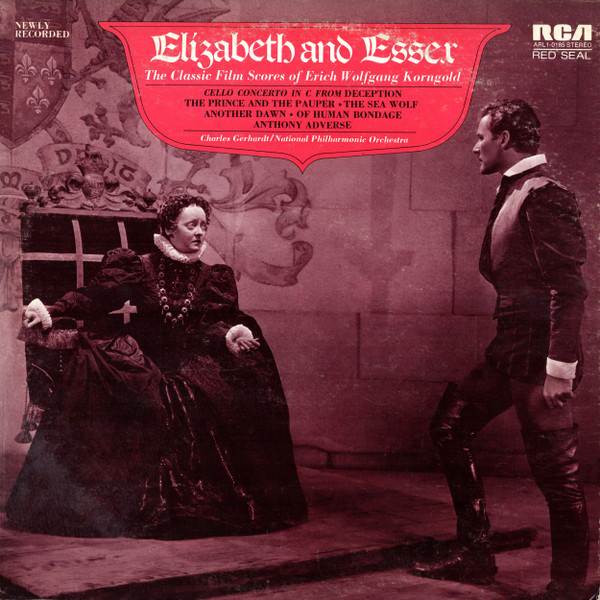
    What I wouldn’t know until I was in high school, when I discovered the benchmark Charles Gerhardt LPs of his classic film scores, was that Korngold was one of classical music’s most gifted child prodigies. The toast of Vienna (Mahler declared him a genius and Richard Strauss was “terrified” by his talent), he was already writing operas in his teens. A contract with Warner Bros. brought further fame and fortune and likely saved his life. He was in Hollywood, writing the music for “Robin Hood,” when Hitler annexed Austria.

    Korngold remained in the U.S. throughout the war, providing scores for Flynn and Bette Davis vehicles. Davis’ “Deception” (1946) brought a noir sensibility to a sinister love triangle involving three musicians. Claude Rains plays an overbearing composer, who attempts to push a psychologically fragile cellist (Casablanca’s Paul Henreid), who survived a concentration camp, past the breaking point with the rigors of his new cello concerto! Naturally, music would play a central part in the story, and Korngold provided an onscreen concerto for the film’s dramatic center.
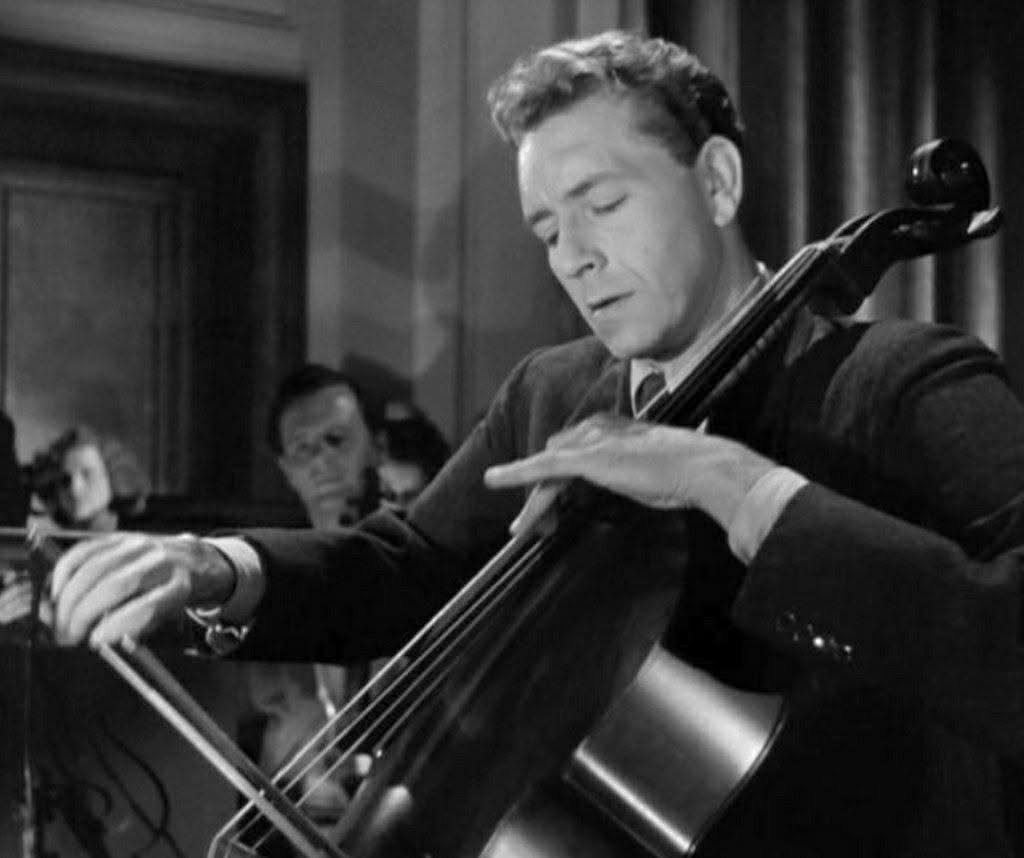

    Once upon a time, Korngold’s postwar Violin Concerto (in 1947 witheringly dismissed by the New York Sun’s Irving Kolodin as “more corn than gold”) was something of a rarity in concert halls, but in recent decades a younger generation of performers has given it a boost into the standard repertoire. Korngold’s Cello Concerto and Piano Concerto for the Left Hand have not been so lucky. Because much of it had to be performed on screen, as part of the action of the film, the cello work is understandably shorter. It could be awkward and expensive to include it on a real-life classical music concert, with the orchestra having to pay a star soloist for a work only half the length of a standard concerto.

    So it’s very seldom done, and frankly, even for a Korngold admirer like myself, I always regarded it as something of a poor stepchild. Not that I don’t adore the melodic content (of a character I am certain would NOT please Kolodin). There are some heart-meltingly lovely moments, like pools of sweet refreshment disturbed by intermittent squalls. Following in the footsteps of Liszt (who wrote no cello concertos), Korngold takes elements of the standard concerto form and compresses them into a vertiginously brief span, roiling with dramatic tension. On recordings, the overheated soloist is often pushing back against aggressive tutti passages.

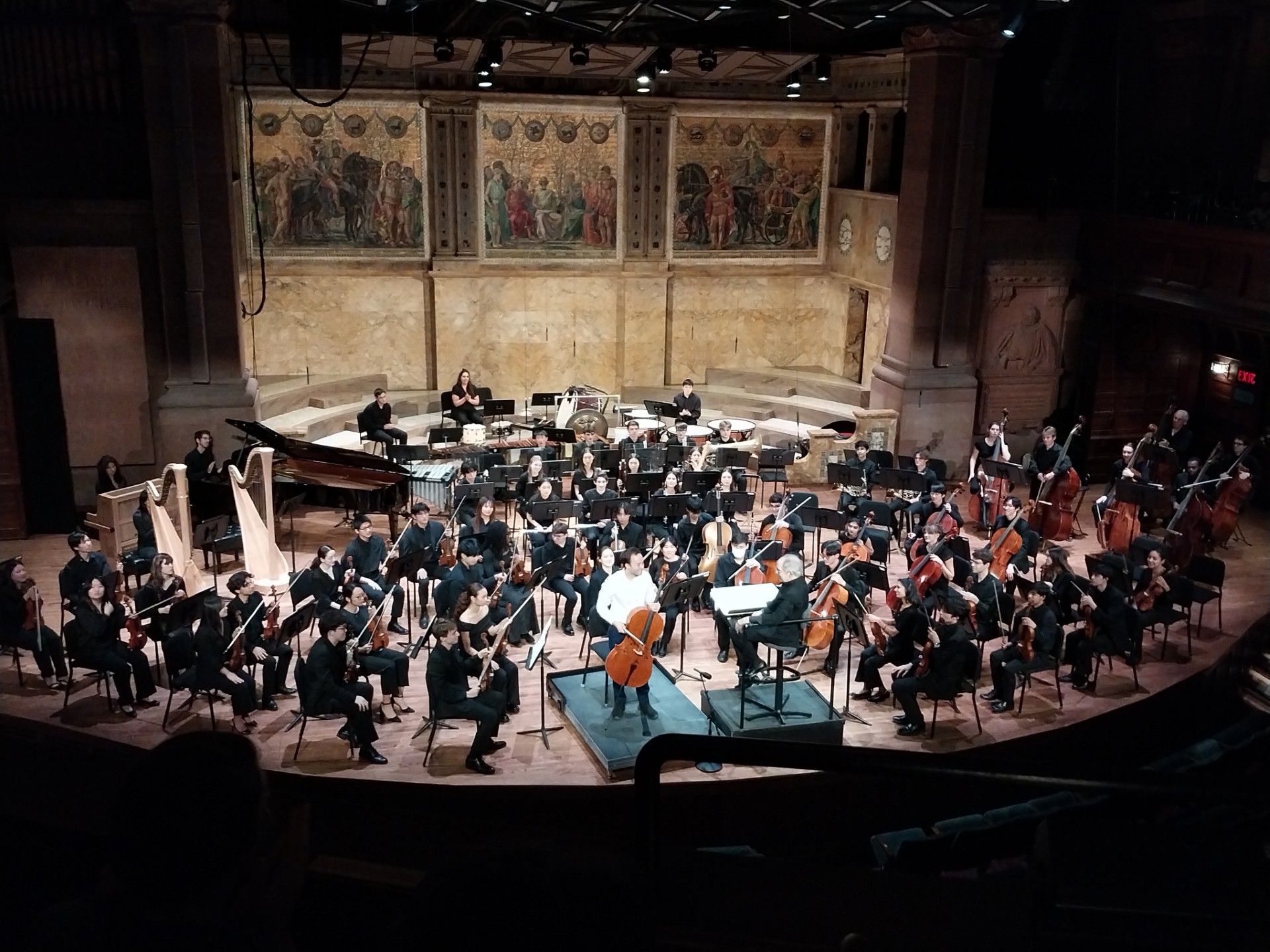
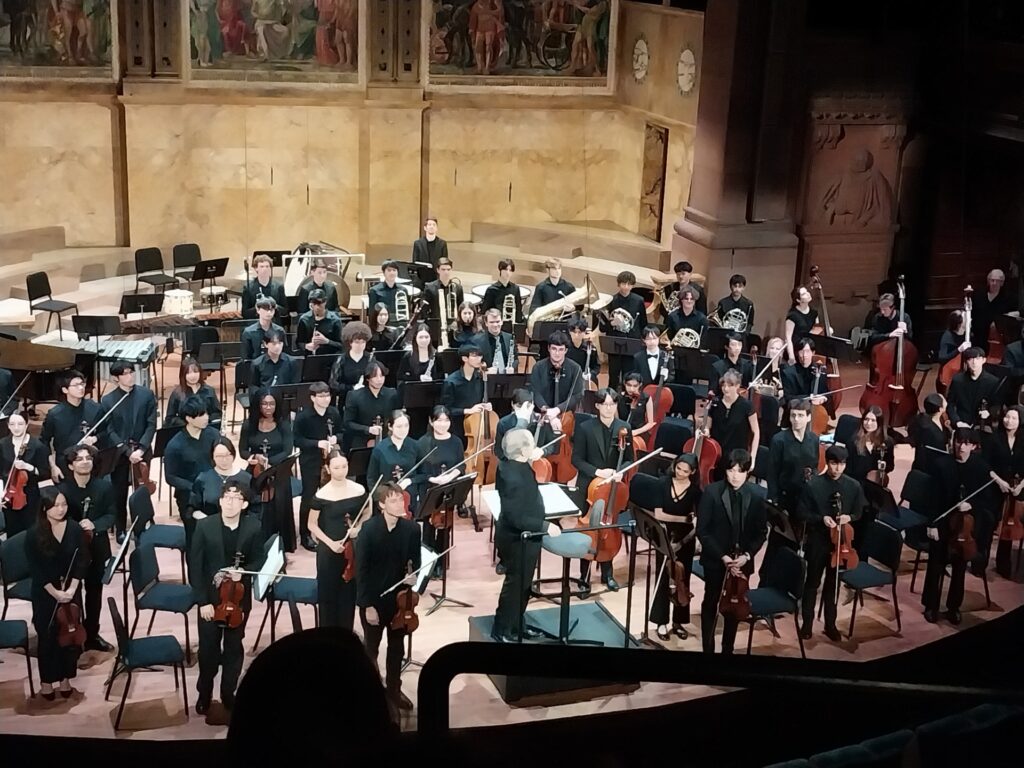
    I’ve only heard it performed live once before, so it was with great anticipation that I attended Friday evening’s concert of the Princeton University Orchestra at Richardson Auditorium, on which Korngold’s concerto formed the centerpiece of the program (which was repeated on Saturday night). Now, this is a student orchestra, mind you, but the young musicians play as if they’ve long ago forgotten the fact. Michael Pratt, the ensemble’s music director since 1977, has no qualms about programming the most challenging and at times esoteric works in the repertoire. Granted the personnel turns over all the time, as the students graduate, but I’ve heard this group tackle “Ein Heldenleben,” the complete “Daphnis and Chloé,” several Mahler symphonies, and “The Dream of Gerontius!”

    The Korngold soloist was Max Salzinger, now a Princeton sophomore, and he played beautifully, with all the assurance of someone who had clearly internalized the score. The performance was spacious, sumptuous, and wistfully romantic. Lyrical passages breathed. Soloist and orchestra offered a more expansive account, or the appearance of one, than those to which I had grown accustomed. The experience was luxurious and revelatory. Suddenly the piece sounded less like a made-to-order Hollywood film concerto and more like an honest-to-goodness concert work that, yes, really does deserve to take its place alongside the Violin Concerto. This was the Korngold I didn’t know I needed. Listening to it made me feel like a teenager again.
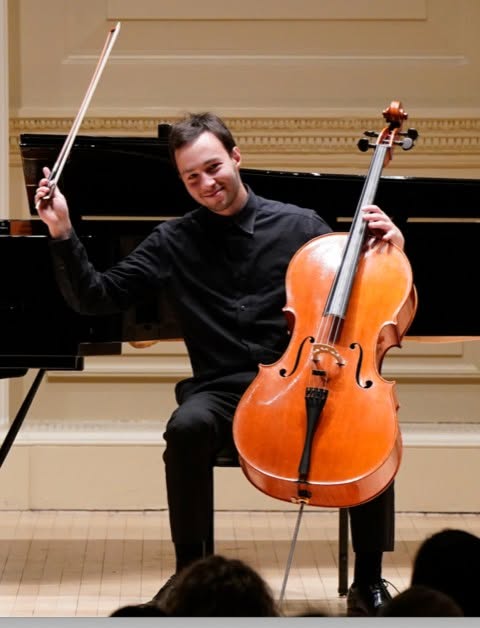

    Keep in mind, few of these university performers are music majors. Most of them are pursuing degrees in other fields. Salzinger is an aspiring economist. But clearly the cello is central to his being. He’s already had a ton of experience playing with the orchestra of Indiana’s Hotchkiss School (from which he graduated in 2025), the Hartford Symphony, and the Indianapolis and Interlochen Youth Orchestras, among others. Last year, he won Princeton’s Concerto Competition. It was not the first contest in which he’s come out on top.

    Equally impressive was the concert’s opening performance, of Alberto Ginastera’s “Pampeana No. 3,” a piece evocative of the pampas, the grasslands of the composer’s native Argentina, which was played at a near-professional standard. Seriously, this was as fine a performance of this piece as I will likely ever experience, especially live. And what a battery of percussion at its center! I’d be lying if I said I was shocked by the quality of the playing, but it was still a great pleasure to be reminded of just how good these student musicians can be – 80+ performers, with two harps, piano, celesta, and three percussionists, putting their shoulders to it. The woodwind playing, especially some flute duets, played by Liam Browne and Hugh Choi, lent idiomatic color.
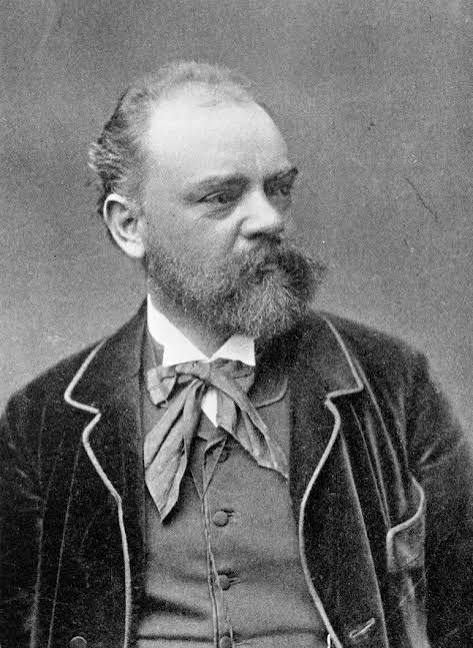

    The second half of the program, consisting of Dvořák’s Symphony No. 8, was markedly wilder and woollier, which made me wonder if the bulk of the rehearsal time had been devoted to the other, less familiar pieces. Any kind of shading in the first movement was out the window, with most of the music played at one dynamic – loud – so that many felicitous details of the composer’s score were overwhelmed. I would be remiss, however, not to to give credit to trumpeters Austin Clinard and Matt Cline, who nailed their exposed fanfares both here and in the last movement, which must have taken not only technique, but nerves of steel.

    The middle movements were better, especially the second, which was presented with more variety and shading, and all the soloists hit their marks and played with confidence. The third movement, an elegant waltz, was a little underarticulated, but mostly successful. But in the last movement, we were back to everyone going full tilt, subtlety be damned. But my goodness, what an exciting noise!

    With the crazy chromaticism of Dvořák’s coda, just as the players are required to really bring on the steam, it already seems as if the entire work is about to fly off the rails (by coincidence, Dvořák was a great admirer of trains), but pile on the youthful energy of the Princeton University Orchestra, with timpanist Milo Salvucci, and you really experience the terror of the sublime. The sensation was so harrowing, I couldn’t help but burst into laughter. What great fun!

    So, they’re not the Czech Philharmonic. Who cares? Put your hands together for these kids. They did a great job.

    The next set of concerts will take place on November 20 & 21, and will include Benjamin Britten’s “Four Sea Interludes” from “Peter Grimes” and Tchaikovsky’s Symphony No. 6 “Pathétique.”

    On February 26 & 27, winners of this year’s concerto competition will be heard.

    In the spring, on April 15 & 16, Pratt will conduct Mahler’s Symphony No. 9.

    For more information, visit https://orchestra.princeton.edu/current-season/
  • Barley and the Grape on “Sweetness and Light”

    Barley and the Grape on “Sweetness and Light”

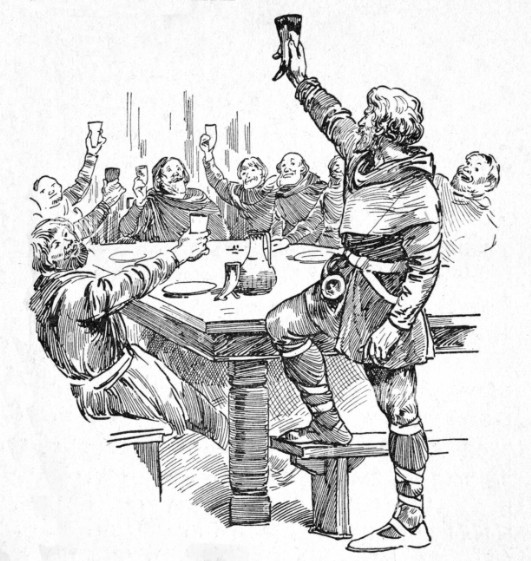
    Raise your steins and goblets! “Sweetness and Light” can now be heard twice a week! If you miss the Saturday morning broadcast, pop on by on Sunday evening for a recap – or in the case of this week’s program, a nightcap. In this season of the harvest and Oktoberfest, we’ll roll out the barrels for a salute to BARLEY AND THE GRAPE.

    When lyrics were added to the best-known polka of Czech composer Jaromir Vejvoda, it also became perhaps the most famous Czech song. Originally conceived as the “Modřanská Polka” – or “Polka of Modřany” – with words it took on a new life as “Škoda lásky” (“Unrequited Love”). It was also a hit in Germany as “Rosamunde.” World-wide popularity ensued, as soldiers adopted it as a drinking song during World War II and introduced it at home as the “Beer Barrel Polka.” We’ll Czech it out around the midpoint of the program.

    The hour will also include the “Revelry Overture” by Montague Phillips and Leopold Godowsky’s “Symphonic Metamorphosis on ‘Wine, Women and Song’” after Johann Strauss II. We’ll hoist our kantharoi to celebrate the god of wine and carouse to ballet music from Jules Massenet’s opera “Bacchus” and the “Procession of Bacchus” from Léo Delibes’ ballet “Sylvia.”

    We’ll also quaff to drinking songs by Reginald De Koven (“Brown October Ale” from the comic opera “Robin Hood”) and Henry Purcell (himself a casualty of one too many pub-crawls).

    We’ve a powerful thirst for BARLEY AND THE GRAPE on “Sweetness and Light.” The taps are open, this Saturday morning at 11:00 EDT/8:00 PDT – NOW WITH A REPEAT, Sunday evening at 9:00 EDT/6:00 PDT – exclusively on KWAX Classical Oregon!

    Stream it wherever you are at the link:

    https://kwax.uoregon.edu/

  • Erich Wolfgang Korngold on “Picture Perfect”

    Erich Wolfgang Korngold on “Picture Perfect”

    May 29 marks the birthday of one of my favorite composers: Erich Wolfgang Korngold (1897-1957). Thanks to a steady diet of Errol Flynn films, Korngold will forever be a part of the soundtrack to my life.

    Korngold went from being one of Europe’s most astounding musical prodigies – his works admired by Mahler, Strauss and Puccini, and championed by Schnabel, Weingartner and Klemperer – to becoming one of Hollywood’s transformative film composers. He is a link from Old World opulence to New World fantasy, his music gracing a number of Warner Brothers’ classic historical adventures.

    The best ones starred Flynn, and this week on “Picture Perfect,” we’ll hear music from “The Sea Hawk” (1940) and “The Adventures of Robin Hood” (1938), as well as the mostly forgotten “Another Dawn” (1937). Flynn stars alongside Kay Francis and Ian Hunter (who would go on to play Richard the Lionheart in “Robin Hood”) in this love triangle involving pilots in a British desert colony.

    The film may be an obscurity to all save classic movie buffs, but Korngold thought enough of his music that he salvaged the main title as the opening theme of his Violin Concerto, premiered by Heifetz in 1947.

    It was an invitation from theatrical impresario Max Reinhardt that brought Korngold to Hollywood in the first place, for a cinematic adaptation of “A Midsummer Night’s Dream” (1935). The film stars James Cagney, Dick Powell and Olivia de Havilland, in her big screen debut, with Mickey Rooney an irrepressible Puck.

    For the project, Korngold adapted the famous incidental music of Felix Mendelssohn, interweaving material from Mendelssohn’s symphonies and orchestrating some of the “Songs without Words.” Even so, the music bears the composer’s unmistakable stamp, as you’ll hear in the opening number, lifted from the “Scottish Symphony,” but infused with plenty of Korngoldian swagger.

    I hope you’ll join me, as the playlist is all-Korngold this week on “Picture Perfect,” music for the movies, now in syndication on KWAX Classical Oregon!

    Happy birthday, EWK!

    ——-

    Clip and save the start times for all three of my recorded shows:

    PICTURE PERFECT, the movie music show – Friday at 8:00 PM EDT/5:00 PM PDT

    SWEETNESS AND LIGHT, the light music program – Saturday at 11:00 AM EDT/8:00 AM PDT

    THE LOST CHORD, unusual and neglected rep – Saturday at 7:00 PM EDT/4:00 PM PDT

    Stream them, wherever you are, at the link!

    https://kwax.uoregon.edu
  • Woodland Walks on “Sweetness and Light”

    Woodland Walks on “Sweetness and Light”

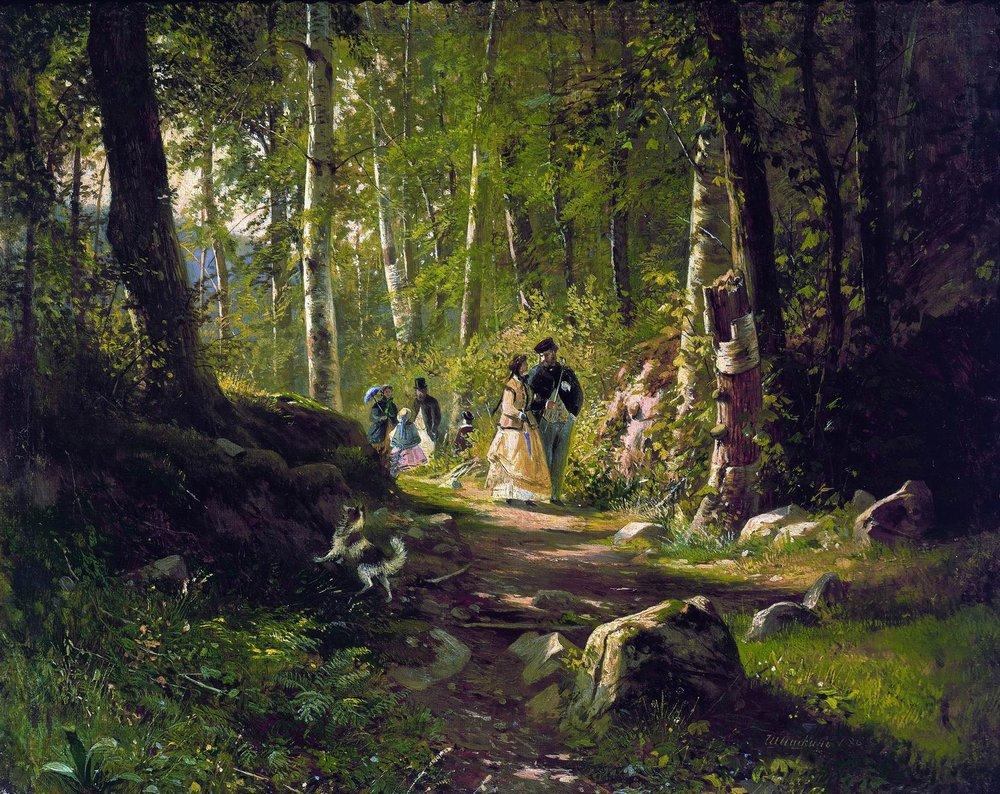
    It’s well into May, the birds are singing, and the trees are vibrant and cheering (at least from where I type, in the Northern Hemisphere). All in all, the conditions are perfect for a musical walk in the woods this morning on “Sweetness and Light.”

    We’ll visit the forests of Sherwood and Arden, respectively, courtesy of Frederic Curzon’s “Robin Hood Suite” and William Walton’s music for a 1936 film version of “As You Like It.” In between, we’ll enjoy a trip to the Vienna woods with Johann Strauss II and explore the lush forests of Lithuania with Mikalojus Čiurlionis. We’ll even partake in a woodland revel courtesy of George Melachrino, oh my!

    No need to put on a hat or tuck your pants into heavy socks. The ticks and snakes will be most amicable on “Sweetness and Light,” this Saturday morning at 11:00 EDT/8:00 EDT, exclusively on KWAX Classical Oregon!

    Stream it, wherever you are, at the link:

    https://kwax.uoregon.edu/

    ——-

    PAINTING: “A Walk in the Forest” (1869) by Ivan Shiskin

  • Robin Hood Movie Adaptations Ranked

    Robin Hood Movie Adaptations Ranked

    You might think me a “bold rascal” or a “saucy fellow” or perhaps even a “Saxon cockerel” this week on “Picture Perfect,” as I offer my highly-opinionated assessments of four screen adaptations of the Robin Hood legends.

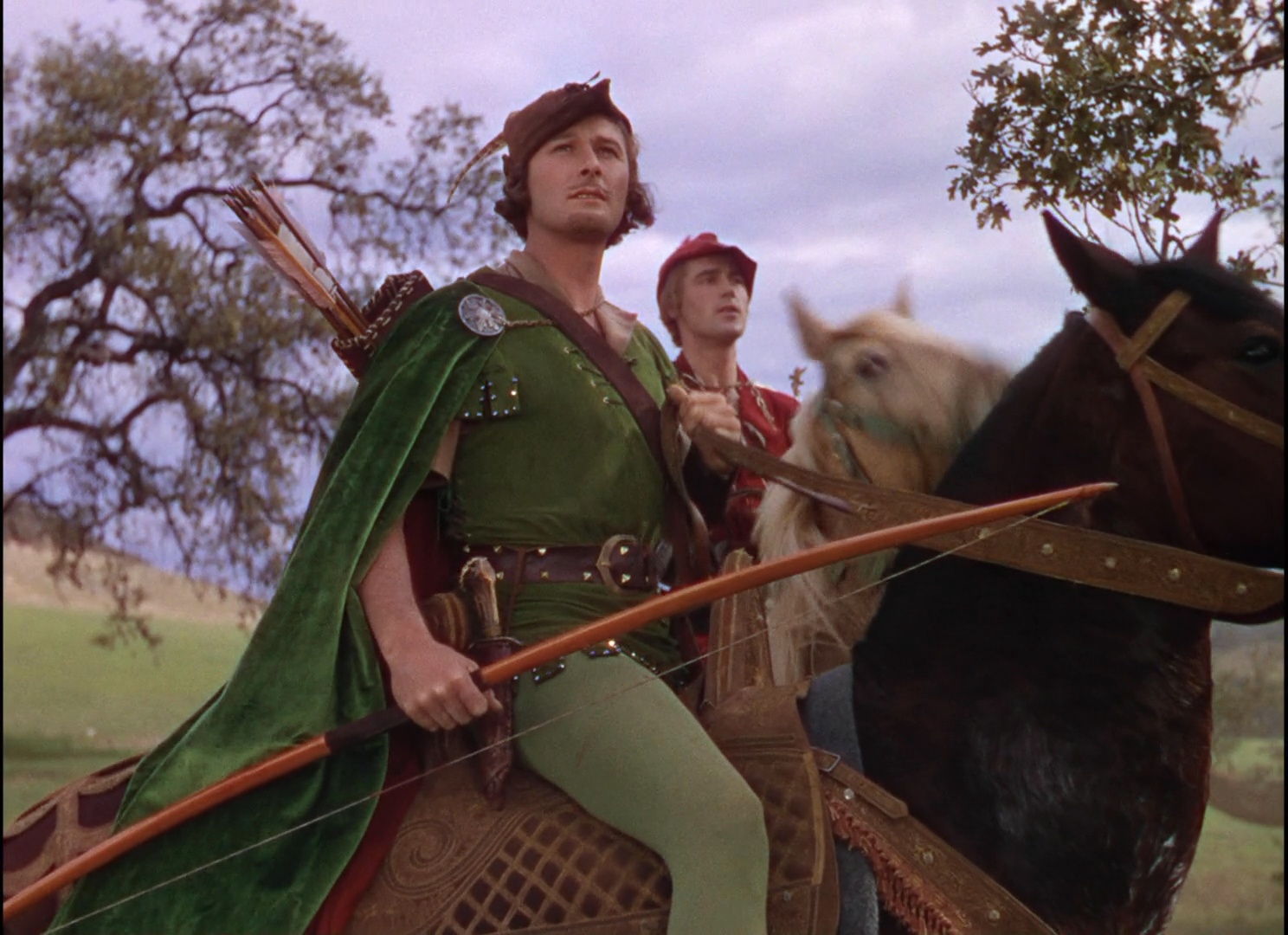
    We’ll begin with “The Adventures of Robin Hood” (1938), directed by Michael Curtiz, taking over from William Keighley. One of the all-time Technicolor classics, its stellar cast includes Errol Flynn, Olivia De Havilland, Basil Rathbone, Claude Rains, Alan Hale, Eugene Pallette, Melville Cooper, and many, many others – a veritable who’s who of classic movie actors. Everything about it – the screenplay, the production design, the buoyant tone, the stylish choreography – is as a Robin Hood film should be. That includes, not least of all, its Academy Award-winning music by Erich Wolfgang Korngold.

    While Flynn will always be the definitive Robin Hood, we’ll consider another very interesting take on the character, which in my opinion doesn’t quite come off, in Richard Lester’s revisionist meditation, “Robin and Marian” (1976). Sean Connery plays a middle-aged Robin who returns from the crusades to rekindle his romance with Maid Marian, played by Audrey Hepburn, and to settle his account, once and for all, with the Sheriff of Nottingham, played by Robert Shaw. Again, you can’t beat the cast, which also includes Nichol Williamson, Richard Harris, and Denholm Elliot.

    The elegiac tone is precisely what Lester was aiming for. The story is both a meditation on the beloved Robin Hood characters in middle age AND a melancholy reflection on the passage of time. However, the screenplay, by James Goldman, of “The Lion in Winter” fame, probably could have been a little more inventive, despite an ending that hues closer to the actual legends. It’s undoubtedly a moving film, but somehow it leaves one feeling rather grim.

    There was some tension between the director and producer, Ray Stark, as to whether the film should be an artistic statement or hew more closely to the mainstream. Initially composer Michel Legrand was engaged to write the music. Lester found the results agreeable, but Stark did not. At the very least, Stark wanted a more insinuating love theme, as a concession to the audience. So John Barry was brought on board to write a replacement score. Out of necessity, Barry had to do so very quickly. But Barry being Barry, he was able to fulfill Stark’s objective and infuse the story with some memorable musical heartache.

    At least there was some attempt at poignancy and philosophical provocation in “Robin and Marian.” By contrast, there was little reason to resurrect the legends for “Robin Hood: Prince of Thieves” (1991). Little reason, that is, unless they were going to make it GOOD.

    The project seemed doomed from the start, with Kevin Costner cast as the lead. I have nothing against Costner, who made a string of very fine movies in the 1980s, culminating in his multiple Oscar-winner, “Dances with Wolves,” in 1990. But by no stretch of the imagination is he a believable Englishman. Pile on the grit and ramp up the violence, add a superfluous witch, forget to put in the FUN, and what’s left is a soul-numbing experience.

    Alan Rickman brings the film sporadically to life with his lunatic update of Basil Rathbone. But the salt-and-pepper buddy approach, Morgan Freeman as Robin’s sidekick, and a battle-hardened Maid Marian, played by Mary Elizabeth Mastrantonio, don’t really ring true for the 12th century, although I suppose they are pretty characteristic of the 1990s – and the 2020s, now that I think about it. This Robin Hood truly was a prince of thieves. I certainly wished I had my two-and-a-half hours back.

    I thought the score was pretty lackluster too, but having endured another 30 years of modern movies since then, the music for “Robin Hood: Prince of Thieves” has come to sound like a veritable classic. The score is credited to composer Michael Kamen, who had the assistance of no less than 15 orchestrators. There’s no question the theme is rousing. Like most of the elements of the film, however, I found myself questioning whether it is really appropriate. Judge for yourself.

    We’ll wrap things up on firmer ground with an adaptation of Sir Walter Scott’s classic novel “Ivanhoe” (1952), in which Robin Hood, Friar Tuck, and of course Richard the Lionheart play important supporting roles. The film stars Robert Taylor, Elizabeth Taylor (no relation), Joan Fontaine, and the usually supercilious, but here somewhat sympathetic, George Sanders. The fine score is by three-time Academy Award-winner Miklós Rózsa, who of course is best remembered for having composed the music for such epic films as “Quo Vadis,” “Ben-Hur,” and “King of Kings.”

    May I obey all your commands with equal pleasure, sire! We’ll make it our mission to fight for the rich and deprecate the poor (movies, that is), as we plunder the legends of Robin Hood, on “Picture Perfect,” now in syndication on KWAX, the radio station of the University of Oregon!


    Remember, KWAX is on the West Coast, so there’s a three-hour difference for those of you listening in the East. Here are the respective air-times for all three of my recorded shows (with East Coast conversions in parentheses):

    PICTURE PERFECT, the movie music show – Friday on KWAX at 5:00 PM PACIFIC TIME (8:00 PM EASTERN)

    SWEETNESS AND LIGHT, the light music program – ALL NEW! – Saturday on KWAX at 8:00 AM PACIFIC TIME (11:00 AM EASTERN)

    THE LOST CHORD, unusual and neglected rep – Saturday on KWAX at 4:00 PM PACIFIC TIME (7:00 PM EASTERN)

    Stream all three, at the times indicated, by following the link!

    https://kwax.uoregon.edu/


    Robin is a bold rascal:

Tag Cloud

Aaron Copland (94) Beethoven (95) Composer (114) Film Music (151) Film Score (143) Film Scores (255) Halloween (103) John Williams (198) KWAX (233) Leonard Bernstein (105) Marlboro Music Festival (125) Movie Music (166) Mozart (91) Opera (219) Philadelphia Orchestra (91) Picture Perfect (174) Princeton Symphony Orchestra (110) Radio (90) Ross Amico (244) Roy's Tie-Dye Sci-Fi Corner (290) The Classical Network (101) The Lost Chord (269) Vaughan Williams (107) WPRB (397) WWFM (881)

DON’T MISS A BEAT

Receive a weekly digest every Sunday at noon by signing up here


RECENT POSTS