Tag: William Kraft

  • Early Music Month Renaissance Inspiration KWAX

    Early Music Month Renaissance Inspiration KWAX

    Yea, we change the clocks tonight, so we lose an hour’s sleep. But odd’s bodkins, man! It’s never too late to be Early!

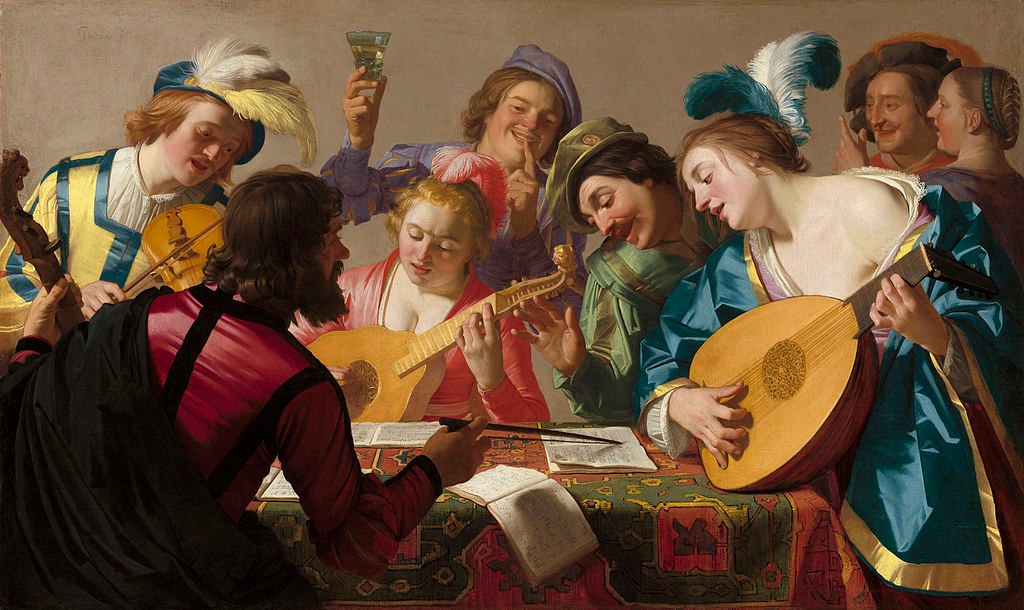
    This week on “The Lost Chord,” for Early Music Month, we hearken to works by 20th and 21st century composers who found inspiration in music of the Renaissance.

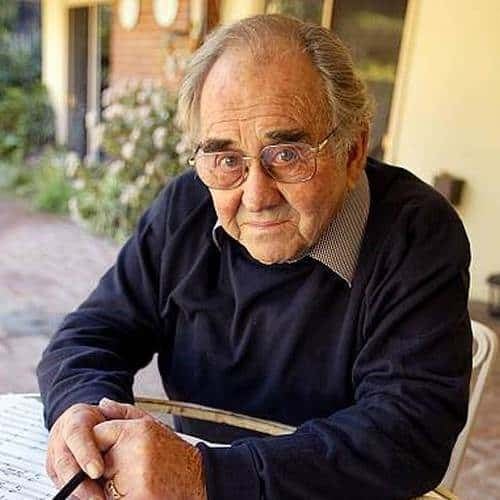
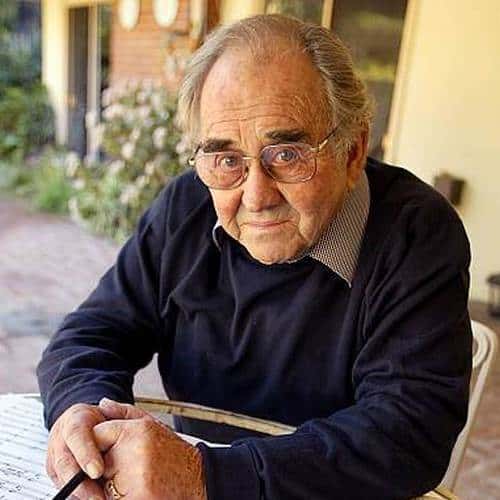
    William Kraft (1923-2022), long associated with the Los Angeles Philharmonic, wrote “Vintage Renaissance” on a commission from the Boston Pops. The work incorporates two 15th century melodies: “Danza,” by Francesco de la Torre, and an anonymous “bransle.”

    George Frederick McKay (1899-1970), the so-called “Dean of Northwest Composers,” founded the composition department at the University of Washington, where he taught for over 40 years. His “Suite on Sixteenth Century Hymn Tunes” is based on works by Louis Bourgeois (c. 1510-1559), compiler of Calvinist hymn tunes and composer of the Protestant doxology known as the “Old 100th.”

    Lukas Foss (1922-2009), the German-born musical prodigy who settled in the United States in 1937, composed his “Renaissance Concerto” in 1986. The work, for flute and orchestra, falls into four movements: “Intrada;” “Baroque Interlude” (on a theme of Rameau); “Recitative” (after Monteverdi); and “Jouissance” (after a 1612 madrigal by a composer of the name David Melville).

    I hope you’ll join me as American composers cast an affectionate look back. “It’s Never Too Late to Be Early,” on “The Lost Chord,” now in syndication on KWAX, the radio station of the University of Oregon!


    Clip and save the start times for all three of my recorded shows:

    PICTURE PERFECT, the movie music show – Friday at 8:00 PM EST/5:00 PM PST

    SWEETNESS AND LIGHT, the light music program – Saturday at 11:00 AM EST/8:00 AM PST

    THE LOST CHORD, unusual and neglected rep – Saturday at 7:00 PM EST/4:00 PM PST

    Stream them, wherever you are, at the link!
    https://kwax.uoregon.edu/

  • William Kraft A Centennial Celebration

    William Kraft A Centennial Celebration

    Whether as a composer, a performer, or a conductor, he was all Kraft.

    William Kraft, a triple threat, was born 100 years ago today.

    Born in Chicago in 1923, he was raised in Santa Barbara, and it was on the West Coast that he made his greatest mark for over 40 years.

    Already as a young man and freelance musician in Manhattan, he was rubbing shoulders with some of the most remarkable musicians of his day.

    He studied composition at Columbia with Otto Luening, Vladimir Ussachevsky, and Jack Beeson. Closer to home, he also took lessons with Henry Cowell. He learned orchestration from Henry Brant, percussion with Morris Goldenberg, and timpani with Saul Goodman, for 50 years principal timpanist of the New York Philharmonic. He also studied conducting with Rudolph Thomas and Fritz Zweig.

    After a brief stint with the Dallas Symphony Orchestra, he returned to California, where from 1955 to 1985, he served as percussionist with the Los Angeles Philharmonic. He later became its first composer-in-residence. For several seasons, he also served as regular guest conductor and assistant conductor. In 1991, he began teaching at the University of California.

    He organized and directed the Los Angeles Percussion Ensemble, a group that gave first performances and made first recordings of works by Alberto Ginastera, Lou Harrison, Ernst Krenek, Igor Stravinsky, and Edgard Varèse.

    Kraft was in charge of all percussion activities for Stravinsky in Los Angeles and appeared on some of the composer’s own recordings, including “L’Histoire du soldat.” As a soloist, Kraft performed in the American premieres of Karlheinz Stockhausen’s “Zyklus” and Pierre Boulez’ “Le marteau sans maître.”

    Also, as one of the more unlikely composers to score a success with the Boston Pops, Kraft was enlisted alongside Sir Peter Maxwell Davies, Oliver Knussen, Joseph Schwantner, and John Adams to write works to be premiered under the baton of John Williams. Come to think of it, these Boston Pops commissions would make a terrific album! (To my knowledge only Maxwell Davies’ “An Orkney Wedding with Sunrise” was ever recorded by them and issued commercially.)

    Kraft composed “Vintage Renaissance” for the Pops in 1989. The work incorporates two Renaissance melodies: “Danza” by Francesco de la Torre, and an anonymous “bransle” (pronounced “brawl”).

    Like Williams, Kraft sometimes worked in film, although his projects as composer tended to be a little less prestigious. He wrote music for the slasher flick “Psychic Killer” (1975), the risible “Avalanche” (1978), and Ralph Bakshi’s “Fire and Ice.”

    However, was also active in the music departments on more reputable fare, appearing as a percussionist on the soundtracks to “North by Northwest,” “None But the Brave” (scored by Williams), “Inside Daisy Clover,” “The War Wagon,” “A Man Called Horse,” “The Life and Times of Judge Roy Bean,” and “The Great Santini.” As a conductor, he led studio orchestras in recording the music for “Dead Again,” “Indochine,” and “Carlito’s Way.”

    Kraft was chair of the composition department at USC. He retired in 2002. He died as recently as February of last year at the age of 98!


    “Vintage Renaissance”

    Concerto for Four Percussion Soloists and Orchestra

    “French Suite”

    Bakshi’s “Fire and Ice”

    Kraft on percussion in Stravinsky’s “The Soldier’s Tale”

    An interview with Bruce Duffie

    http://www.bruceduffie.com/wm-kraft.html

  • Early Music Month Modern Takes on Renaissance

    Early Music Month Modern Takes on Renaissance

    Yea, we changed the clocks last night, so we lost an hour’s sleep. But odd’s bodkins, man! It’s never too late to be Early!

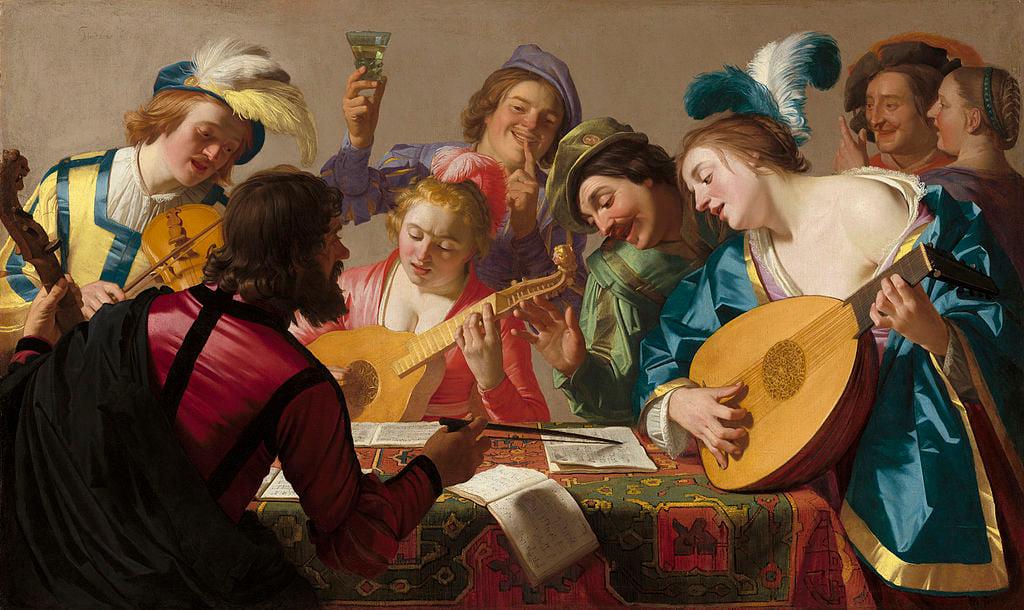
    This Sunday night on “The Lost Chord,” for Early Music Month, we hearken to works by 20th and 21st century composers who found inspiration in music of the Renaissance.

    William Kraft (1923-2022), long associated with the Los Angeles Philharmonic, wrote “Vintage Renaissance” on a commission from the Boston Pops. The work incorporates two 15th century melodies: “Danza,” by Francesco de la Torre, and an anonymous “bransle.”

    George Frederick McKay (1899-1970), the so-called “Dean of Northwest Composers,” founded the composition department at the University of Washington, where he taught for over 40 years. His “Suite on Sixteenth Century Hymn Tunes” is based on works by Louis Bourgeois (c. 1510-1559), compiler of Calvinist hymn tunes and composer of the Protestant doxology known as the “Old 100th.”

    Lukas Foss (1922-2009), the German-born musical prodigy who settled in the United States in 1937, composed his “Renaissance Concerto” in 1986. The work, for flute and orchestra, falls into four movements: “Intrada;” “Baroque Interlude” (on a theme of Rameau); “Recitative” (after Monteverdi); and “Jouissance” (after a 1612 madrigal by a composer of the name David Melville).

    If the Academy Awards can exhibit scant regard in scheduling its broadcast at a time when it’s guaranteed to lose a sizable portion of its audience to Morpheus, so can I. I hope you’ll join me – if not tonight, then later on the webcast – as American composers cast an affectionate look back. “It’s Never Too Late to Be Early,” this Sunday night at 10:00 EDT, on WWFM – The Classical Network and wwfm.org.

  • William Kraft Composer Performer Conductor

    William Kraft Composer Performer Conductor

    Whether as a composer, a performer, or a conductor, he was all Kraft.

    William Kraft, a triple threat, died on Saturday at the age of 98.

    Born in Chicago in 1923, he was raised in Santa Barbara, and it was on the West Coast that he made his greatest mark for over 40 years.

    Already as a young man and freelance musician in Manhattan, he was rubbing shoulders with some of the most remarkable musicians of his day.

    He studied composition at Columbia with Otto Luening, Vladimir Ussachevsky, and Jack Beeson. Closer to home, he also took lessons with Henry Cowell. He learned orchestration from Henry Brant, percussion with Morris Goldenberg, and timpani with Saul Goodman, for 50 years principal timpanist of the New York Philharmonic. He also studied conducting with Rudolph Thomas and Fritz Zweig.

    After a brief stint with the Dallas Symphony Orchestra, he returned to California, where from 1955 to 1985, he served as percussionist with the Los Angeles Philharmonic. He later became its first composer-in-residence. For several seasons, he also served as regular guest conductor and assistant conductor. In 1991, he began teaching at the University of California.

    He organized and directed the Los Angeles Percussion Ensemble, a group that gave first performances and made first recordings of works by Alberto Ginastera, Lou Harrison, Ernst Krenek, Igor Stravinsky, and Edgard Varèse.

    Kraft was in charge of all percussion activities for Stravinsky in Los Angeles and appeared on some of the composer’s own recordings, including “L’Histoire du soldat.” As a soloist, Kraft performed in the American premieres of Karlheinz Stockhausen’s “Zyklus” and Pierre Boulez’ “Le marteau sans maître.”

    Also, as one of the more unlikely composers to score a success with the Boston Pops, Kraft was enlisted alongside Sir Peter Maxwell Davies, Oliver Knussen, Joseph Schwantner, and John Adams to write works to be premiered under the baton of John Williams. Come to think of it, these Boston Pops commissions would make a terrific album! (To my knowledge only Maxwell Davies’ “An Orkney Wedding with Sunrise” was ever recorded by them and issued commercially.)

    Kraft composed “Vintage Renaissance” for the Pops in 1989. The work incorporates two Renaissance melodies: “Danza” by Francesco de la Torre, and an anonymous “bransle” (pronounced “brawl”).

    Like Williams, Kraft sometimes worked in film, although his projects as composer tended to be a little less prestigious. He wrote music for the slasher flick “Psychic Killer” (1975), the risible “Avalanche” (1978), and Ralph Bakshi’s “Fire and Ice.”

    However, was also active in the music departments on more reputable fare, appearing as a percussionist on the soundtracks to “North by Northwest,” “None But the Brave” (scored by Williams), “Inside Daisy Clover,” “The War Wagon,” “A Man Called Horse,” “The Life and Times of Judge Roy Bean,” and “The Great Santini.” As a conductor, he led studio orchestras in recording the music for “Dead Again,” “Indochine,” and “Carlito’s Way.”

    Kraft was chair of the composition department at USC. He retired in 2002.


    “Vintage Renaissance”

    Concerto for Four Percussion Soloists and Orchestra

    “French Suite”

    Bakshi’s “Fire and Ice”

    Kraft on percussion in Stravinsky’s “The Soldier’s Tale”

    An interview with Bruce Duffie

    http://www.bruceduffie.com/wm-kraft.html

  • Early Music Month on The Lost Chord

    Early Music Month on The Lost Chord

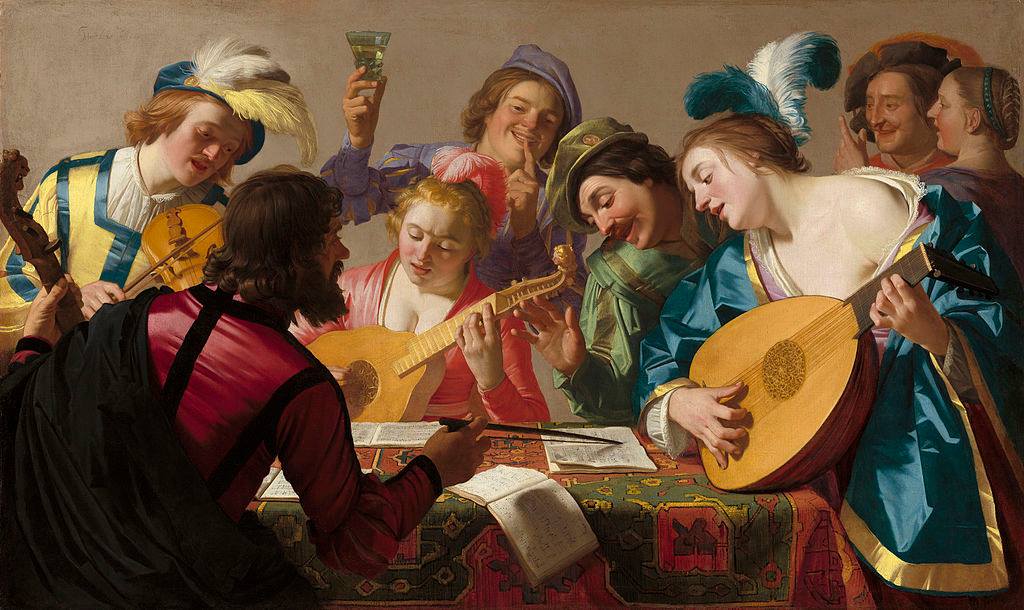
    This Sunday night on “The Lost Chord,” we’ll celebrate Early Music Month with three works by contemporary American composers who look back to the Renaissance.

    William Kraft (b. 1923), long associated with the Los Angeles Philharmonic, composed “Vintage Renaissance” for the Boston Pops. The work incorporates two 15th century melodies: “Danza,” by Francesco de la Torre, and an anonymous “bransle.”

    George Frederick McKay (1899-1970), the so-called “Dean of Northwest Composers,” founded the composition department at the University of Washington, where he taught for over 40 years. His “Suite on Sixteenth Century Hymn Tunes” is based on works by Louis Bourgeois (c. 1510-1559), compiler of Calvinist hymn tunes and composer of the Protestant doxology known as the “Old 100th.”

    Lukas Foss (1922-2009), the German-born musical prodigy who settled in the United States in 1937, composed his “Renaissance Concerto” in 1986. The work, for flute and orchestra, falls into four movements: “Intrada;” “Baroque Interlude” (on a theme of Rameau); “Recitative” (after Monteverdi); and “Jouissance” (after a 1612 madrigal by a composer of the name David Melville).

    I hope you’ll join me, as American composers cast an affectionate look back, on “It’s Never Too Late to Be Early,” this Sunday night at 10:00 EDT, on WWFM – The Classical Network and wwfm.org.

Tag Cloud

Aaron Copland (92) Beethoven (95) Composer (114) Film Music (120) Film Score (143) Film Scores (255) Halloween (94) John Williams (185) KWAX (229) Leonard Bernstein (100) Marlboro Music Festival (125) Movie Music (135) Opera (198) Philadelphia Orchestra (88) Picture Perfect (174) Princeton Symphony Orchestra (106) Radio (87) Ralph Vaughan Williams (85) Ross Amico (244) Roy's Tie-Dye Sci-Fi Corner (290) The Classical Network (101) The Lost Chord (268) Vaughan Williams (103) WPRB (396) WWFM (881)

DON’T MISS A BEAT

Receive a weekly digest every Sunday at noon by signing up here


RECENT POSTS