Every year on Romeo Casacarino’s birthday, I try to come up with a fresh angle, if I am able, to remember him and to promote the music of this rewarding Philadelphia composer, still too little heard, but gaining traction all the time. A longtime professor at the now-defunct Combs College of Music, Cascarino emerged from South Philadelphia a child prodigy, a “student” of Paul Nordoff (he was also invited to Tanglewood to take lessons with Aaron Copland), but really an autodidact, who dug deep into the collections of the Philadelphia Public Library.
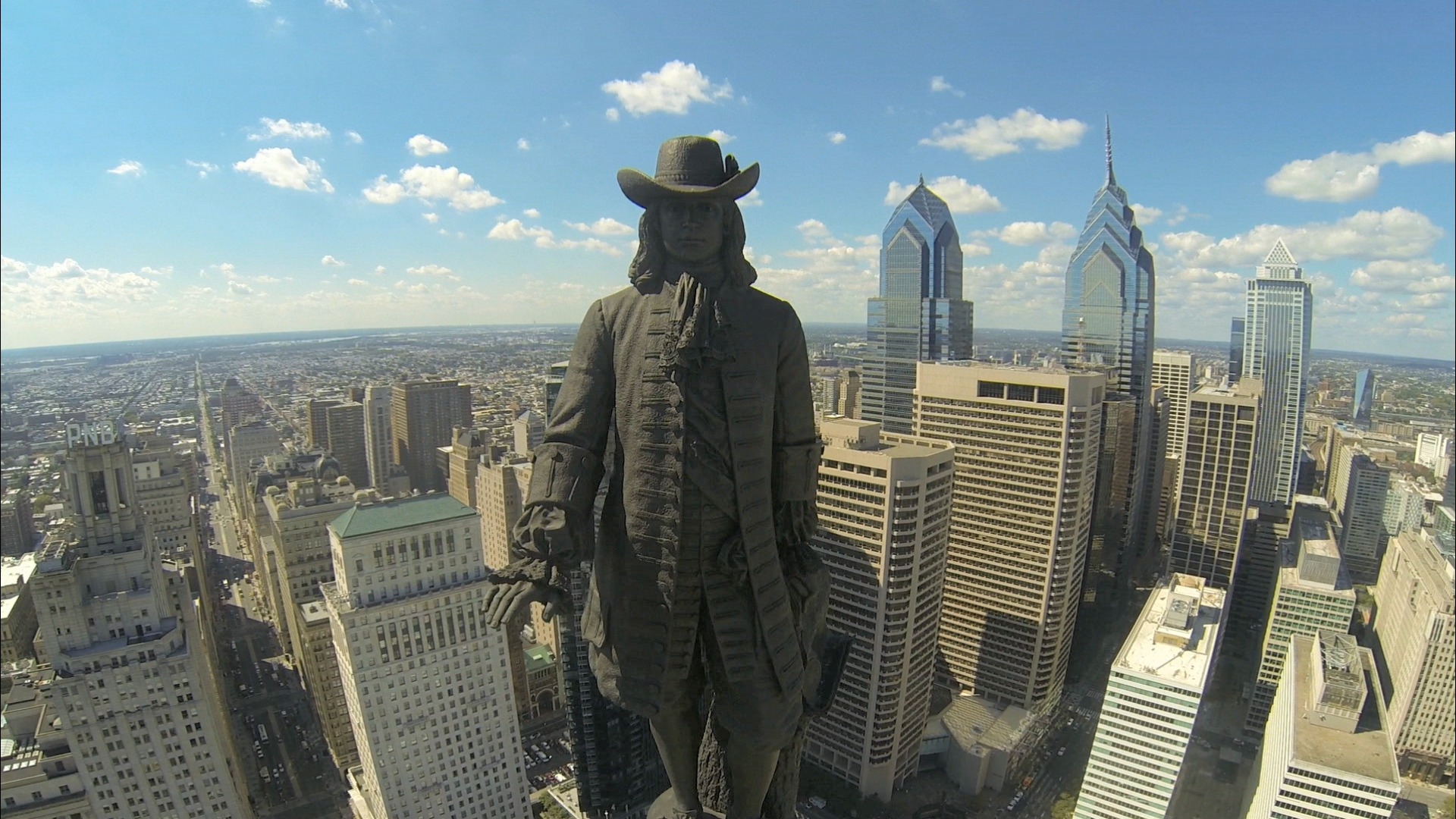
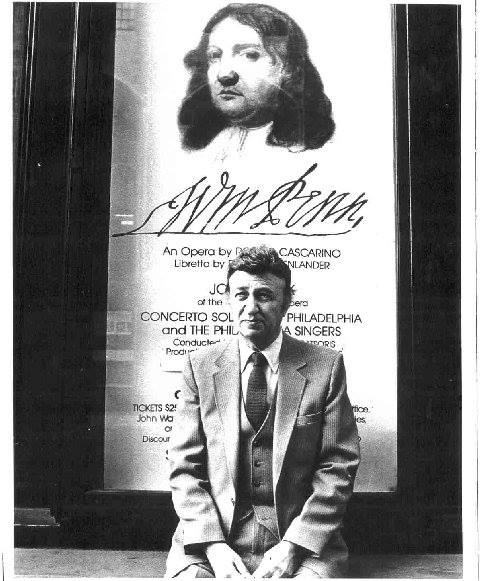
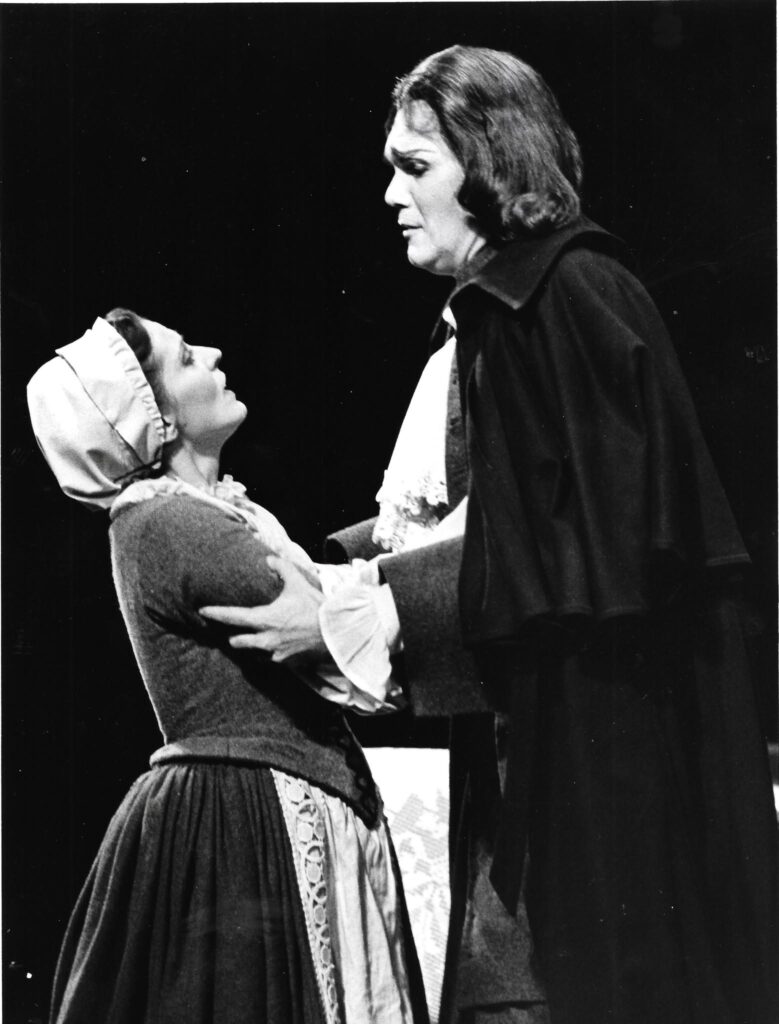
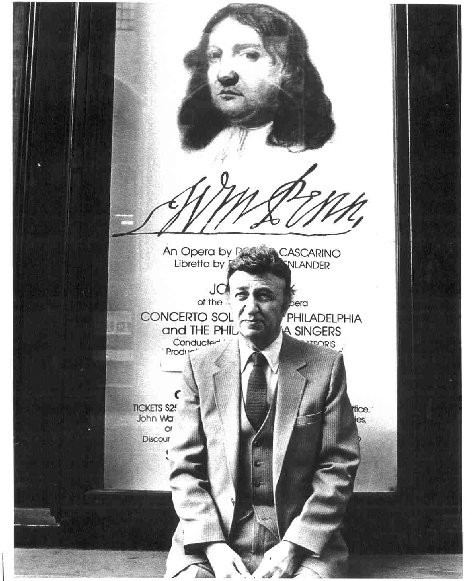
He wrote a Bassoon Concerto for army buddy Sol Schoenbach, principal bassoonist of the Philadelphia Orchestra, which still gets a lot of play. He labored over a handful of exquisitely-crafted tone pictures that often radiate a seductively dreamy “magic hour” glow. If only he had written more. But he was a meticulous artist, always in search of “le mot juste” – or rather, “la note juste” – the absolute correct note or combinations of notes to express precisely what he intuited. No doubt he would have written more, had he not poured so much of himself into his magnum opus, the opera “William Penn,” which he labored at for a quarter century. The work was given its first performances at Philadelphia’s Academy of Music in 1982, with Metropolitan Opera bass-baritone John Cheek in the title role.
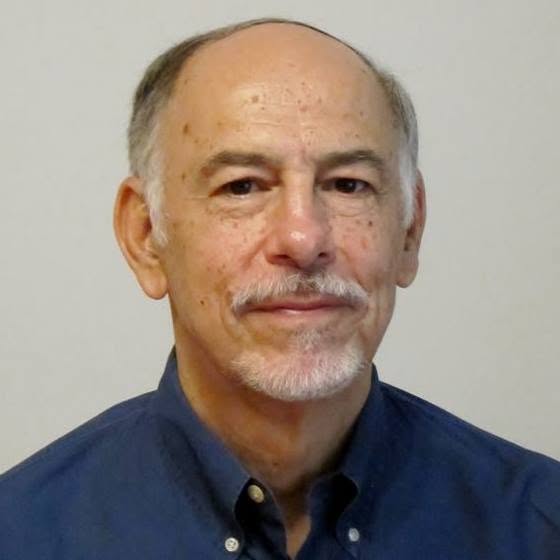
And this is where I come to the fresh approach, brought to mind, sadly, because of the passing of Cascarino’s champion and dear friend, Tom Di Nardo. Tom was a music writer for the Philadelphia Evening Bulletin and the Philadelphia Daily News, the author of several books, and a guy who, in his quiet, unassuming way, managed to move mountains. He did so without flash and often without recognition. He was the very definition of modesty and selflessness, always thinking of, and often doing things for, others. Some of these things could be extraordinary.
Several of his efforts contributed to Cascarino’s wider exposure and boosted his reputation significantly. I would go so far as to say that, after the composer’s wife, soprano Dolores Ferraro, Tom was Cascarino’s greatest champion. Somehow, without the composer’s knowledge, he managed to secure the Academy of Music (actually the easy part) and assemble an army of musicians and technicians to give “William Penn” its debut. He also saw to it that the performances were recorded and archived.
Furthermore, several years after Cascarino’s death, he was instrumental in pulling together an orchestra (principally musicians of the Chamber Orchestra of Philadelphia) and arranging for a recording with conductor JoAnn Falletta of Cascarino’s orchestral works, which was released on the Naxos label in 2006.
Still more recently, he assisted in securing performers for a recording of Cascarino’s collection of eight songs, “Pathways of Love,” and his setting of “Danny Boy.” These performances are now available as digital downloads.
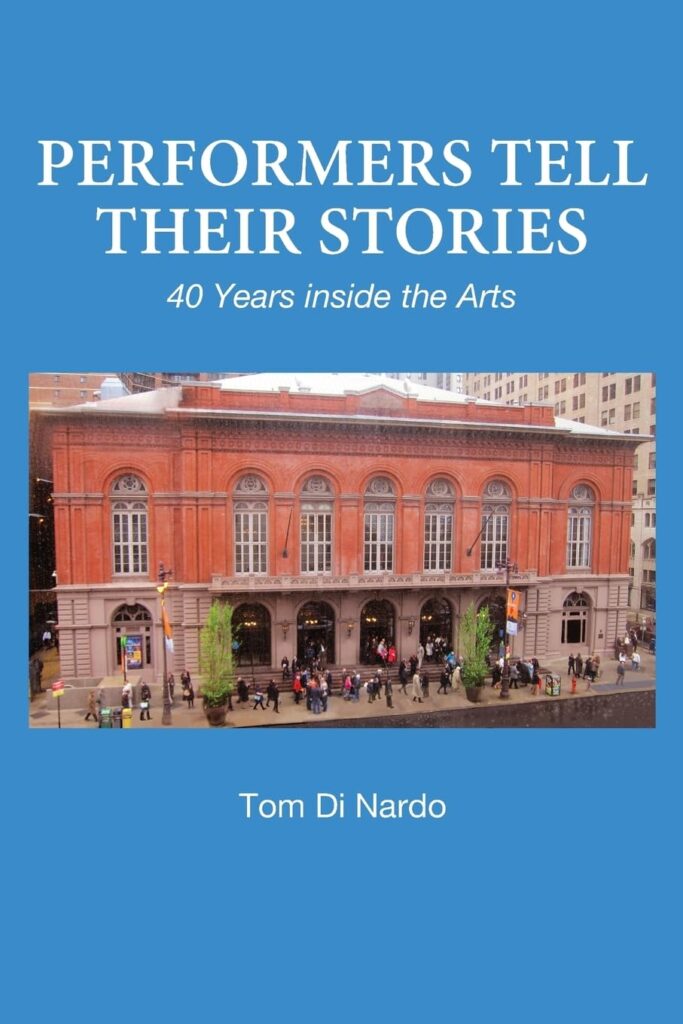
Tom wrote about his experiences with staging the opera at the Academy of Music and arranging for the orchestral recordings for Naxos, and a great deal more. He made it a point to interview as many prominent musicians who came through Philadelphia as possible, classical or otherwise, including Renée Fleming, Stéphane Grappelli, Sarah Chang, Bill Evans, John Williams, Andrés Segovia, Eric Owens, Max Roach, Ignat Solzhenitsyn, Peter Schickele, and André Watts, as well as every Philadelphia Orchestra music director from Eugene Ormandy to Yannick Nézet-Séguin. He also shared anecdotes about his colorful encounters with Luciano Pavarotti, Mel Tormé, Betty Comden & Adolph Green, and Denyce Graves, among others.
These achievements are all the more remarkable as music was Tom’s avocation, if his life’s great passion. To keep food on the table, he worked as an engineer for Philadelphia Electric Company (PECO).
Long since retired, Tom died last week while on a trip to Sicily. I was astonished to learn that he was 89 years old. I knew Tom through Dolores, so I encountered him socially on a number of occasions, and interviewed him once, about Romeo, for my radio program “The Lost Chord.” The last time I chatted with him was at a concert of the Main Line Symphony Orchestra a couple of years ago.
I share the news of his passing today, because I see some of his other friends have already done so and also because of his close association with Romeo Cascarino. I encourage you to check out the appreciation by Kile Smith at the first link below. For all I’ve written here, I couldn’t do it as well as Kile. My post is largely informational, as I wanted to talk about his connection to Romeo. Kile does a great job getting at the man with a lot fewer brush strokes and remembering him in human terms.
https://www.facebook.com/photo?fbid=10233423040573595&set=a.4017195143910
I also found this: Tom speaking with pianist Hugh Sung for Sung’s web series “A Musical Life.”
The Naxos album of Cascarino’s orchestral works, which Tom executive produced (and provided the liner notes for, naturally):
R.I.P. Tom Di Nardo. You will be remembered, and missed, by many.
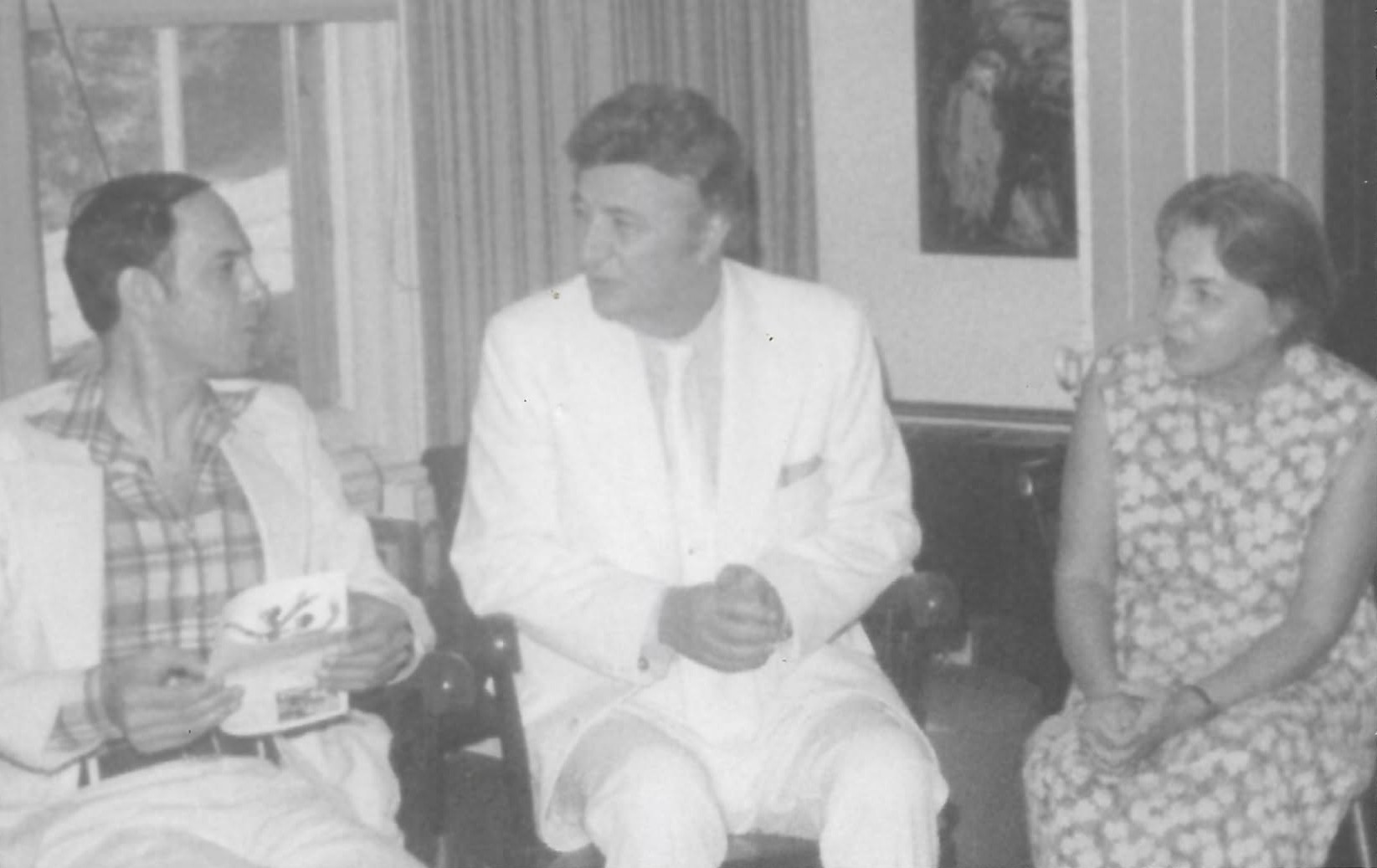
TOP PHOTO (left to right): Di Nardo, Cascarino, and “William Penn” librettist Peggy Gwynn