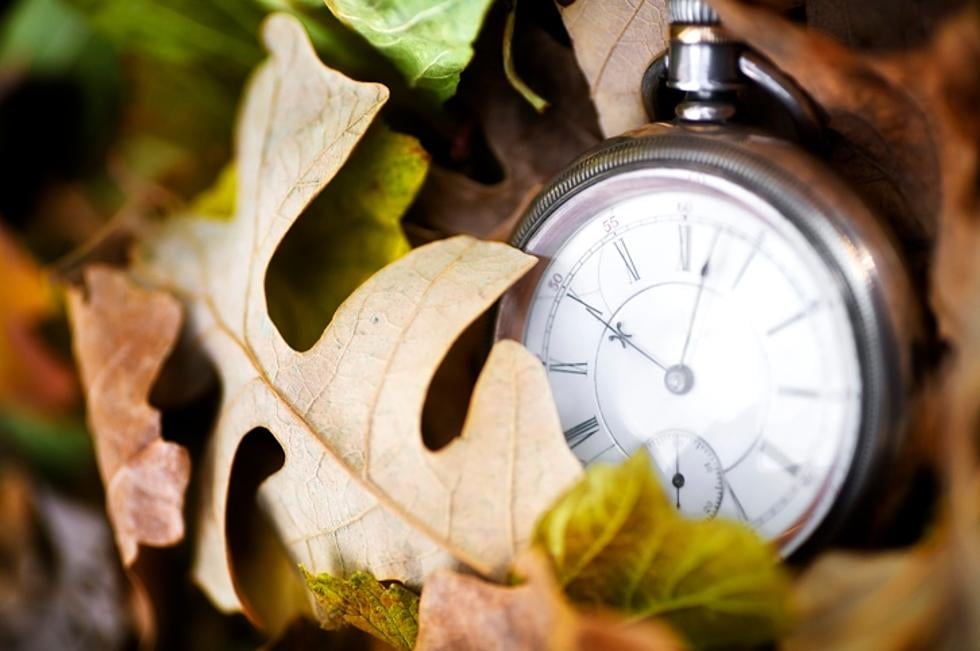
Don’t forget to change your clocks tonight for an extra hour of autumn!
Tag: Autumn
-
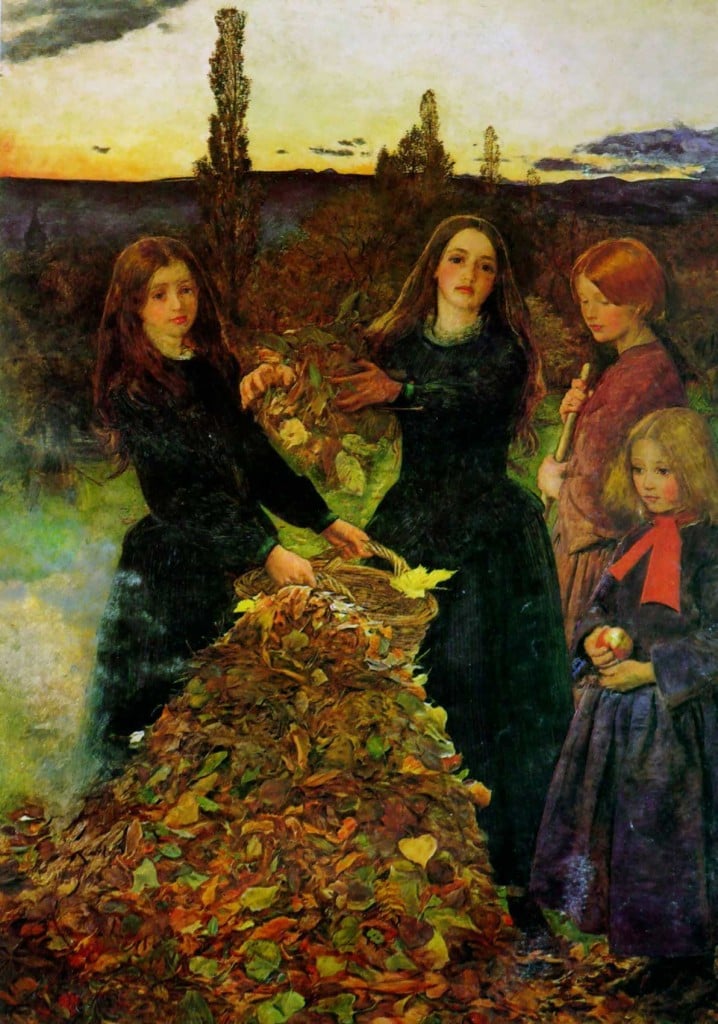
Autumn Classical Music Women Composers
La-dee-dah, dee-dah-dee-dum, ‘tis Autumn. Now somebody please tell the weather!
Unfortunately, we all know the drill by now. 90 degrees at the equinox, things cool down somewhat, we put on a sweater, and then it’s back to 110 for Hallowe’en. It makes me long for the days when I would defy my mother so as not to have to wear a coat over my costume.
I hope you’ll join me today on The Classical Network, as I continue to highlight music by women composers – in this month of the Clara Schumann bicentennial – even as I rail against nature with selections to mark the change of season by Cécile Chaminade, Fanny Mendelssohn, Imogen Holst, and Peggy Stuart Coolidge.
I’ll also celebrate the birthday anniversaries of William Levi Dawson, Alexander Arutiunian, and Robert Helps, and offer a musical remembrance of Christopher Rouse, who died on Friday at the age of 70.
The playlist will be as variegated as an enticing pile of leaves. I’ll be munching on Spiced Wafers and making like Nat King Cole, from 4 to 7 p.m. EDT, on WWFM 89.1 FM the Classical Network and wwfm.org.
-

Sweetzels Spiced Wafers Autumn Disappointment
I stopped by the store to pick up some Sweetzels Spiced Wafers, and they didn’t have any. I don’t even particularly like Spiced Wafers, but c’mon, people… it’s autumn!
https://www.phillyvoice.com/bad-you-sweetzels-spiced-wafers-and-bassetts-sweetzels-cream-ice-cream/
Instead, I had to resort to Leibniz Butter Biscuits to get me through my air shift. Don’t show this to my doctor.
-
Central Jersey Autumn Colors and Music
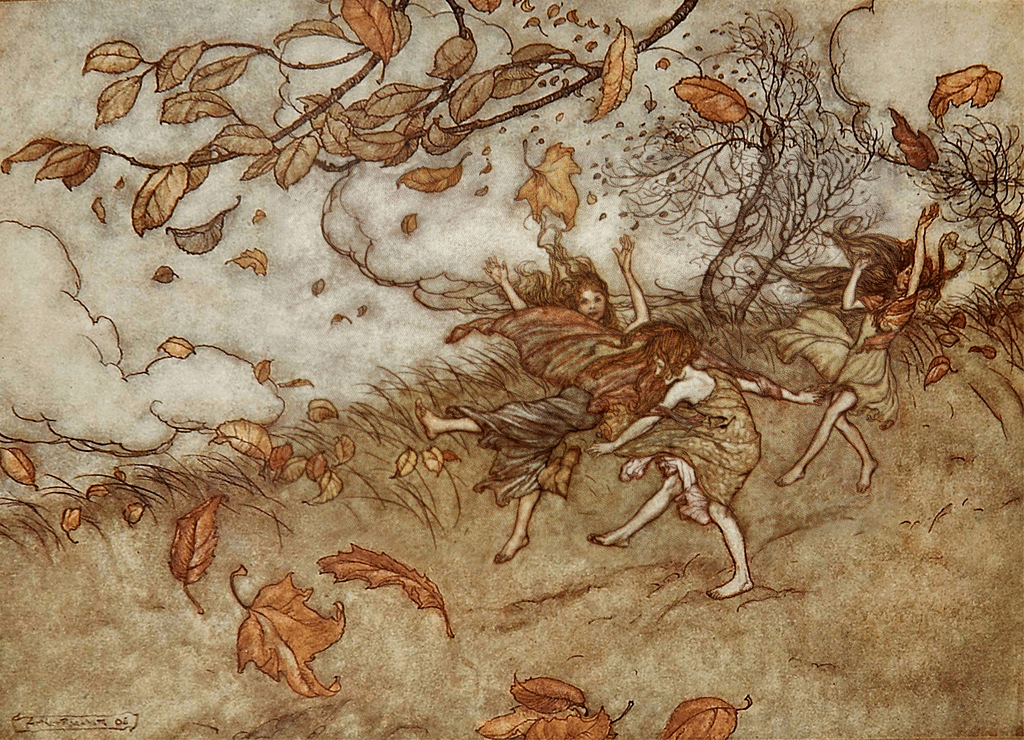
In recent years, I’ve noticed that autumn doesn’t really arrive at full force in Central Jersey until right around the turn of November. True to form, Saturday was a gloriously moody day, a kaleidoscope of sunshine and clouds that set off the luminous foliage to its best advantage.
Of course, it was also probably the windiest day of the season. There was a price to pay for the mesmerizing whirl of fallen leaves, in that now a lot of the trees stand in varying degrees of undress. Also, may I just say, the clean-up crews are a little to vigilant with their leaf-blowers – which I think should be banned, in any case – so that all too often the lawns and streets are left as barren presentiments of bleak winter. I want to crunch through shriveled leaves, dammit, and collect the damp ones that still cling to life and color.
Be that as it may, now that we’ve more or less put away the Hallowe’en decorations for another year, it’s time to fully embrace the season in music, so expect a fair amount of autumnal color to dress up my playlists over the coming week.
Alongside the usual birthday celebrations, I’ll be itching for a leaf battle, between 4 and 7 p.m. EST, on WWFM – The Classical Network and wwfm.org.
-

Celebrating Autumn with American Composers
After one last dose of tropical miserableness, coquettish Summer decided to show us what she could do yesterday with a glorious afternoon in the Princeton area that really was more like Autumn. It turns out she was holding back all along, the big tease. Well, good riddance, baby!
We all know that Summer is high maintenance and that Autumn has the better disposition anyway. Why fight all the time with Summer, when it’s so much easier to get along with Autumn? The riot of colors, the crunching leaves underfoot, the comfy sweaters, hot beverages savored, used book fairs, classic horror movies, infinite night skies, and Thanksgiving. Welcome, O Happy Season!
This Sunday night on “The Lost Chord,” we’ll celebrate the first full day of autumn with musical evocations by two American composers.
Henry Hadley (1871-1937) studied at home with George Whitefield Chadwick and in Vienna with Eusebius Mandyczewski. In Europe, he befriended Richard Strauss and conducted the Berlin Philharmonic in his own Symphony No. 3. He was assistant conductor at the Mainz Opera, later music director of the Seattle Symphony, and became the first conductor of the San Francisco Symphony. One of his operas, “Cleopatra’s Night,” was performed at New York’s Metropolitan Opera. He served a stint as assistant conductor of the New York Philharmonic, he founded the National Association of Composers and Conductors, and he was instrumental in establishing the Berkshire Music Festival at Tanglewood. He guest conducted orchestras from Buenos Aires to Tokyo. Why then do so few remember him?
We’ll dig deep into the leaf pile of music history to revive Hadley’s Symphony No. 2, from 1901, subtitled “The Four Seasons.” The work begins with an evocation of a turbulent winter storm, followed by “Spring,” then “Summer.” The symphony concludes with a melancholy portrait of autumn, enlivened by the appearance of some rollicking hunting horns.
Toward the end of the hour, we’ll have just enough time for music by Leo Sowerby (1895-1968), sometimes called “the Dean of American Church Music.” Sowerby was awarded the Pulitzer Prize for Music in 1946 for his cantata “Canticle to the Sun.” As antidote to the reflective nature of Hadley’s “Autumn,” we’ll conclude with the exuberant “Comes Autumn Time,” an uplifting work for solo organ.
I hope you’ll join me for “Well-Seasoned” – American composers of experience celebrate autumn – this Sunday night at 10:00 EDT, on WWFM – The Classical Network and wwfm.org.
Tag Cloud
Aaron Copland (94) Beethoven (95) Composer (114) Film Music (150) Film Score (143) Film Scores (255) Halloween (102) John Williams (198) KWAX (233) Leonard Bernstein (105) Marlboro Music Festival (125) Movie Music (165) Mozart (91) Opera (215) Philadelphia Orchestra (90) Picture Perfect (174) Princeton Symphony Orchestra (110) Radio (90) Ross Amico (244) Roy's Tie-Dye Sci-Fi Corner (290) The Classical Network (101) The Lost Chord (269) Vaughan Williams (107) WPRB (397) WWFM (881)