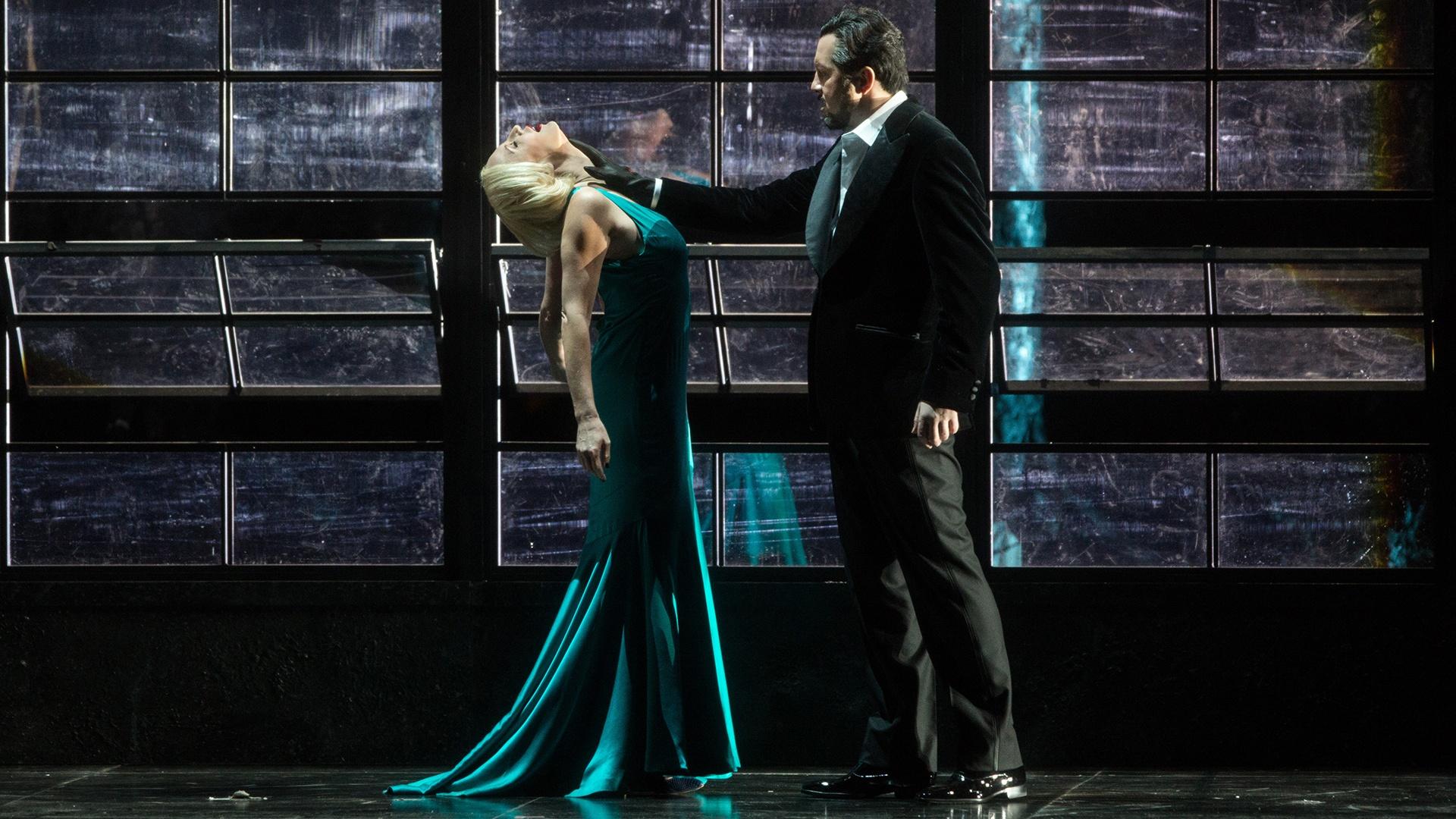
Like any myth worth its salt, the disturbing fairy story of Duke Bluebeard embeds itself in the recesses of the unconscious, only to color and confirm subterranean anxieties or perceived truths about the wider world.
The best-known version of the story is the one by Charles Perrault, set down in the 17th century. Perrault’s popular retellings of Little Red Riding Hood, Cinderella, The Sleeping Beauty, and Puss in Boots served to codify these timeless folk tales for the modern age.
Bluebeard as an archetype informs the characterizations of so many of the tortured antiheroes of the Gothic novel – the mysterious and brooding nobleman who lives in a dank castle of many chambers that surely contain their share of skeletons, be they literal or figurative.
Sometimes Bluebeard really is the menace of Perrault, the volatile madman who lives in a house full of corpses. At others (as in “Jane Eyre”), he is a tragic hero who harbors a guilty secret that cuts him off from all happiness, love, and normalcy. Only gradually do the heavy doors grind open on rusty hinges to reveal their truths. The chambers are like the dark corners of his psyche, vulnerabilities he holds close, to the point of near-destruction or even beyond. Only understanding and acceptance have the power to alter his world.
That said, sometimes Bluebeard really is a murderous creep who’s all about control and over-the-top cruelty.
And what about his bride, named Judith in Béla Bartók’s opera, “Bluebeard’s Castle?” Is her curiosity a liberating force or a destructive one? The parable of fatal curiosity extends back through the Biblical stories of Lot’s wife and Eve and the Classical myths of Pandora, Eurydice, and Psyche.
The tale positively drips with allegory. If there is anything that is clear about the Bluebeard story, it’s that it would take two very special people to make this unusual relationship work. There’s no way any outside observer would ever, ever, EVER understand.
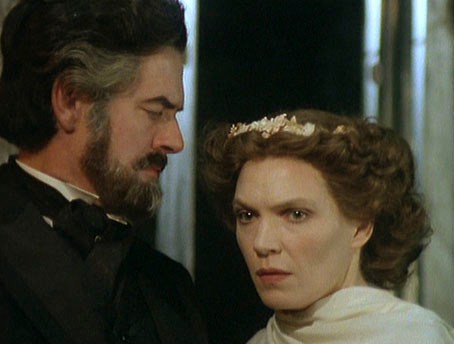
On Béla Bartók’s birthday, I stumbled across this 1988 film of “Duke Bluebeard’s Castle.” It’s not sung in the original Hungarian. English-speaking viewers may find that a plus; anyone else, I think, will find compensation in its atmosphere and insight.
In whatever language, the music is still terrific. Happy birthday, Béla Bartók!