Tag: Christoph Willibald Gluck

  • Glück: Opera, Reform, and Lasting Influence

    Glück: Opera, Reform, and Lasting Influence

    In German, the word for happiness and good fortune is the same: Glück.

    These qualities also happen to characterize the composer who bears that name (albeit without the umlaut).

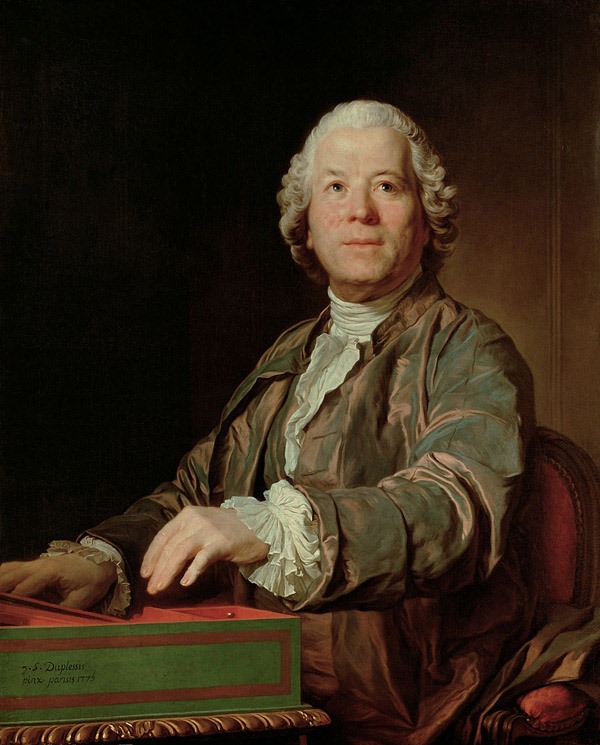
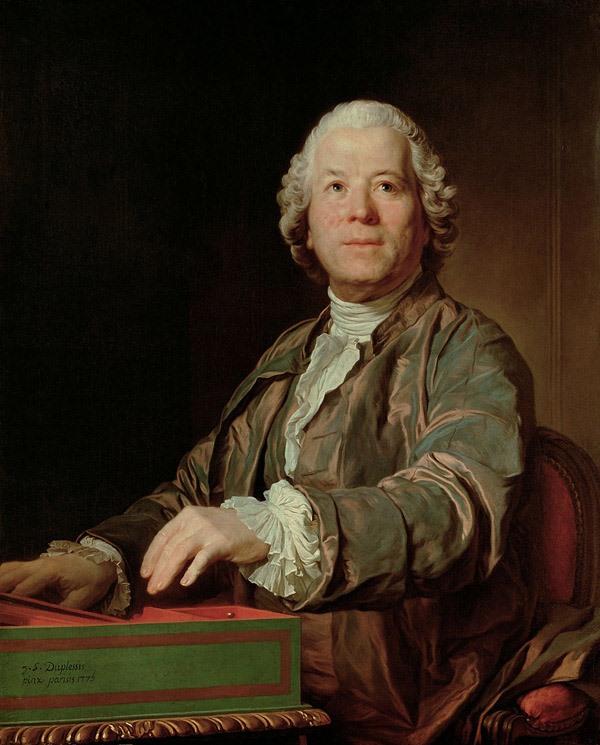
    Christoph Willibald Gluck has come down to us as one the great operatic reformers. Yet, of his own operas (about 35 survive), he’s pretty much remembered for but a single work, “Orfeo ed Euridice” – especially the “Dance of the Blessed Spirits.”

    Gluck’s own blessed spirit lives on primarily through his influence on others – Mozart, Weber, Berlioz, and Wagner.

    One can certainly hear anticipations of Mozart’s “Don Giovanni,” not only in Gluck’s ballet “Don Juan,” but also in his overture to the opera “Iphigénie en Tauride.” Furthermore, there’s no way Mozart did not know Gluck’s “Don Juan” fandango when he himself came to include one in “The Marriage of Figaro.”

    More broadly, for Gluck, words and music were to bear equal weight. No more, the florid, showy arias of yore, ornamented beyond recognition by star castrati. Beautiful singing was to remain, of course, but DRAMA was to be of foremost importance.

    It was musical theater’s good fortune to attract Christoph Willibald Gluck. Happy birthday to a man who made his own luck. Zum Geburtstag viel Glück!


    Otto Klemperer conducts Wagner’s arrangement of the overture to Gluck’s “Iphigénie en Tauride”

    The ballet “Don Juan”

    Gluck’s “Fandango” staged

    https://www.youtube.com/watch?v=LTAqT7MY-Dc

    Mozart’s “Fandango” staged

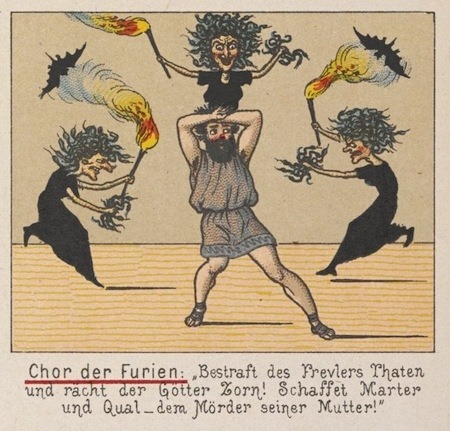
    “Dance of the Furies, from “Don Juan” (later reused in “Orfeo”)

    Documentary “Gluck the Reformer,” with John Eliot Gardiner, William Christie and others
  • Gluck’s Orfeo The Opera Reformer Remembered

    Gluck’s Orfeo The Opera Reformer Remembered

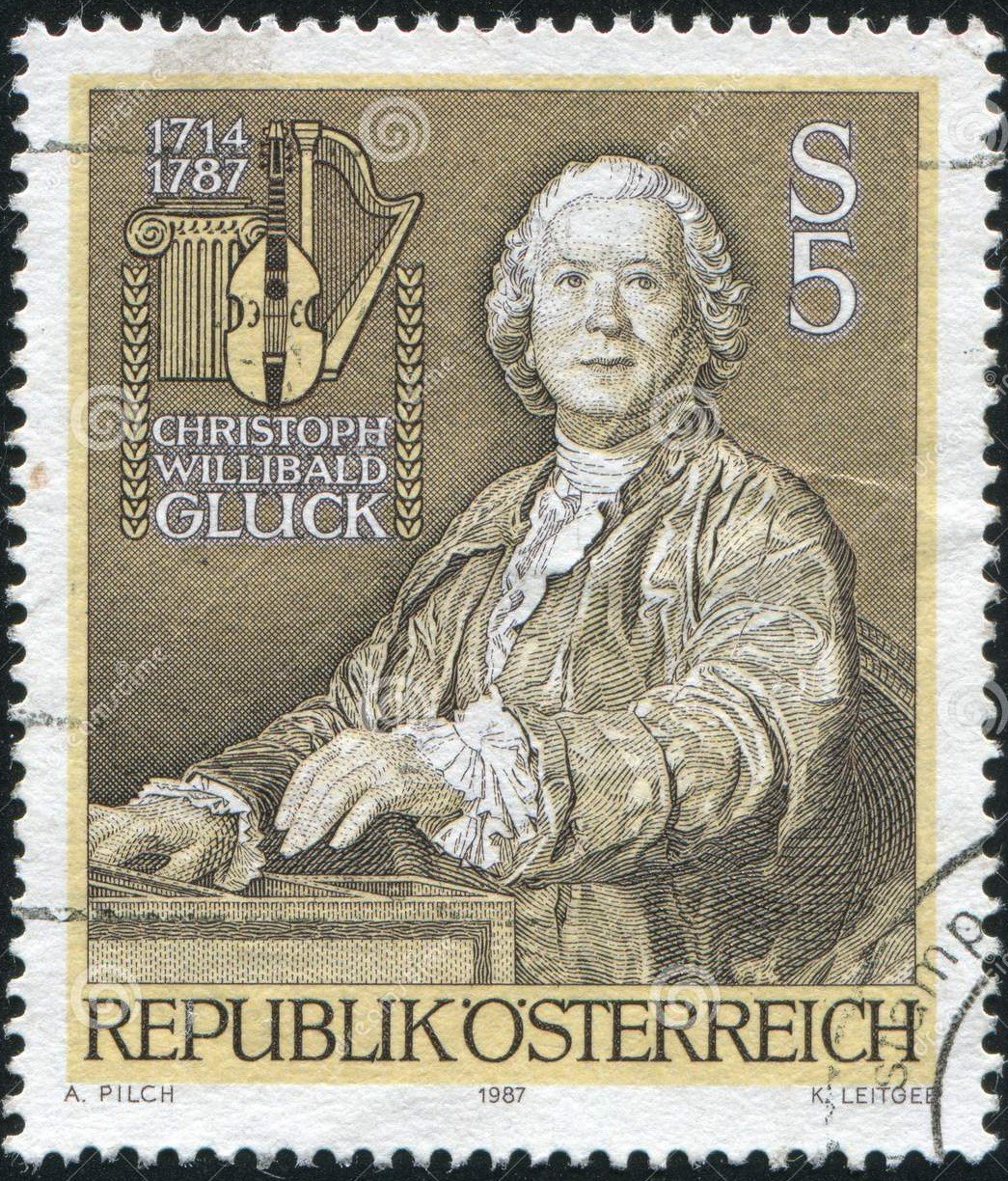
    Christoph Willibald Gluck has come down to us as one the great operatic reformers. Yet, of his dozens of operas (about 35 survive), he’s pretty much remembered for but a single work, “Orfeo ed Euridice” – especially the “Dance of the Blessed Spirits.”

    On the other side of the coin is his “Dance of the Furies.” I wonder if he would find the diablerie of this interpretation as intriguing as I do.

    Think you don’t know the “Dance of the Blessed Spirits?” Click here!

    Gluck’s own blessed spirit lives on primarily through his influence on others – Mozart, Weber, Berlioz, and Wagner. For Gluck, words and music were to bear equal weight. No more, the florid, showy arias of yore, ornamented beyond recognition by star castrati. DRAMA was to be of foremost importance.

    Dame Janet Baker sings “Che farò senza Euridice?”:

    Don’t be sad, Gluck. “Glück” is German for happiness!

    Happy birthday, Christoph. Zum Geburtstag viel Glück!

  • Gluck The Eccentric Genius of Opera Reform

    Gluck The Eccentric Genius of Opera Reform

    Here comes my annual post on Christoph Willibald Gluck (1714-1787).

    For a man whose surname means “happiness,” he certainly could be a mercurial fellow.

    Once, during an appearance at London’s Haymarket Theatre, Gluck strode onstage, not to sit down at a keyboard or to wow his audience on a stringed instrument. Instead he picked up two sticks and started to play an array of glasses filled with different levels of water – to the accompaniment of symphony orchestra. That’s just the kind of guy he was.

    Another time, when conducting, a double-bassist hit a wrong note, and Gluck got down on the floor and crawled on his hands and knees through the tangle of humanity until he reached the offender and gave him a violent pinch. That too was the kind of guy he was.

    He once had his piano carried out to a field to demonstrate that he enjoyed composing in nature. Perhaps this is just the kind of behavior one should expect from the composer of “Dance of the Blessed Spirits.”

    We are forever hearing about Gluck – if we hear about him at all, that is – as being a reformer, and in truth his influence on the future of opera was incalculable. He shunned floridity for its own sake. Despite his evident love of nature, he was not a sensualist. He rebelled against the superficial effects of “opera seria,” with its showy arias ornamented beyond recognition by star castrati, to arrive at something closer to naturalism.

    With Gluck, words and music bore equal weight. Drama was of the foremost importance. He tossed out the dry recitative to create a more continuous flow in the action. Performers took a back seat to emotional truth. The effect was kind of a chaste grandeur, simplicity at the service of theatrical power. Works like “Orfeo ed Euridice” and “Alceste” were radical for their time.

    Gluck’s influence runs through Mozart to Weber, Berlioz and Wagner. Yet today his works are less frequently performed than those of any of his followers.

    Find out more about Gluck in “Gluck the Reformer” (featuring John Eliot Gardiner, William Christie and others):

    Happy birthday, Gluck. Please don’t pinch me if I got it wrong!


    Chorus of the Furies from “Iphigénie en Tauride” (1778)

  • Gluck Opera Reformer You Should Know

    Gluck Opera Reformer You Should Know

    Get ready to Gluck out.

    Today marks the anniversary of the birth of Christoph Willibald Gluck (1714-1787), a composer concert promoters and marketers seem to have a hard time getting their heads around. Give them Verdi, Wagner or even Britten, and they’ll run with it. But Gluck? Who he?

    Oh yeah. Isn’t he the guy who wrote the “Dance of the Blessed Spirits?”

    We always hear about Gluck being a reformer, and in truth his influence on the future of opera was incalculable. He shunned floridity for its own sake. He was not a sensualist. He rebelled against the superficial effects of “opera seria,” with its showy arias ornamented beyond recognition by star castrati, to arrive at something closer to naturalism.

    With Gluck, words and music bore equal weight. Drama was of the foremost importance. He tossed out the dry recitative to create a more continuous flow in the action. Performers took a back seat to emotional truth. The effect was kind of a chaste grandeur, simplicity at the service of theatrical power. Works like “Orfeo ed Euridice” and “Alceste” were radical for their time.

    Gluck’s influence runs through Mozart to Weber, Berlioz and Wagner. Yet today his works are less frequently performed than those of any of his followers.

    Find out more about Gluck in “Gluck the Reformer” (featuring John Eliot Gardiner, William Christie and others):

    Then join me this afternoon, when among my featured works will be a selection of Gluck arias and ballet music, and even a monumental arrangement of a Gluck overture by Richard Wagner. We’ll also honor Frederick Fennell and Gilbert Kalish on their birthdays.

    “Glück” means “happiness” in German, you know. We’ll cram in as much happiness as we can, this Monday afternoon from 4 to 7 p.m. EDT, on WWFM – The Classical Network and wwfm.org.

  • Gluck’s 300th Why You Should Know His Opera

    Gluck’s 300th Why You Should Know His Opera

    Today is the 300th birthday of Christoph Willibald Gluck, a composer concert promoters and marketers seem to have a hard time getting their heads around. Give them Verdi, Wagner or even Britten, and they’ll run with it. But Gluck? Who he?

    Oh yeah. Isn’t he the guy who wrote the “Dance of the Blessed Spirits?”

    We always hear about Gluck being a reformer, and in truth his influence on the future of opera was incalculable. He shunned floridity for its own sake. He was not a sensualist. He rebelled against the superficial effects of “opera seria,” with its showy arias ornamented beyond recognition by star castrati, to arrive at something closer to naturalism.

    With Gluck, words and music bore equal weight. Drama was of the foremost importance. He tossed out the dry recitative to create a more continuous flow in the action. Performers took a back seat to emotional truth. The effect was kind of a chaste grandeur, simplicity at the service of theatrical power. Works like “Orfeo ed Euridice” and “Alceste” were radical for their time.

    Gluck’s influence runs through Mozart to Weber, Berlioz and Wagner. Yet today his works are less frequently performed than those of any of his followers.

    Be that as it may, the Friends of Christoph Willibald Gluck, situated in Bavaria near the composer’s birthplace, aren’t about to let the anniversary pass unnoticed.

    http://www.gluckstadt-berching.de/

    Find out more about Gluck in “Gluck the Reformer” (featuring John Eliot Gardiner, William Christie and others):

    Happy 300th, C.W. Gluck!

Tag Cloud

Aaron Copland (92) Beethoven (95) Composer (114) Film Music (120) Film Score (143) Film Scores (255) Halloween (94) John Williams (185) KWAX (229) Leonard Bernstein (100) Marlboro Music Festival (125) Movie Music (135) Opera (198) Philadelphia Orchestra (88) Picture Perfect (174) Princeton Symphony Orchestra (106) Radio (87) Ralph Vaughan Williams (85) Ross Amico (244) Roy's Tie-Dye Sci-Fi Corner (290) The Classical Network (101) The Lost Chord (268) Vaughan Williams (103) WPRB (396) WWFM (881)

DON’T MISS A BEAT

Receive a weekly digest every Sunday at noon by signing up here


RECENT POSTS