Everybody loves “Rhapsody on a Theme of Paganini.” One of Sergei Rachmaninoff’s greatest hits, it’s possible to hear it performed somewhere nearby just about every season. And why not? It’s a nice showcase for a pianist, with a catchy tune (from Niccolò Paganini’s 24th Caprice for solo violin) put through a series of virtuosic, playful and reflective variations.
Best of all is the famous 18th variation, in which the composer ingeniously flips the melody and turns it into one of the most luscious, romantic outpourings in the repertoire. You probably know it. It’s been used in numerous movies (“Somewhere in Time,” “Groundhog Day,” “Dead Again,” “The Story of Three Loves,” “Ronin”) and been excerpted for zillions of classical music compilation albums.
Rachmaninoff may have been a melancholy soul, but he also had a good sense of humor. Immediately cognizant of the 18th variation’s potential for broad appeal, he quipped, “This one’s for my agent.”
The final variation proved such a knucklebuster, the composer himself experienced anxiety over his ability to navigate it successfully before an audience. Prior to the work’s premiere, a colleague suggested he take a shot beforehand to calm his nerves. Allegedly he did so before every performance of the piece, which led him to dub the 24th variation, the “Crème de Menthe Variation.”
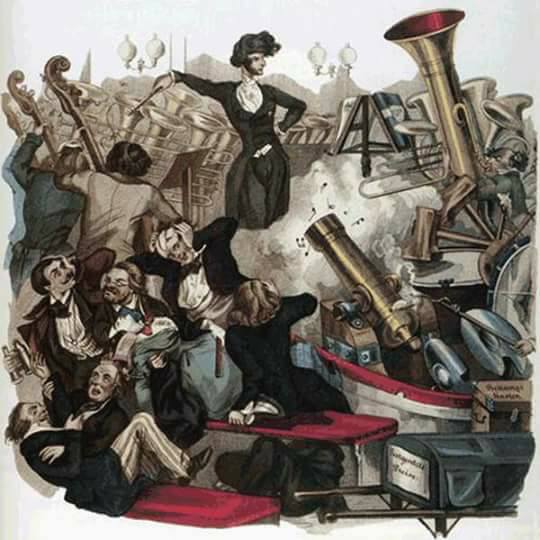
It was not for nothing that Stravinsky characterized Rachmaninoff as “six-foot-two of Russian gloom.” (Never mind the fact that Rachmaninoff was actually 6’ 6”.) He could be incorrigibly dour. So listen closely for his signature quotations of the “Dies Irae” – “Day of Wrath” – from the Mass for the Dead, also used in so many movies (“The Shining”) and by so many other composers (Hector Berlioz in his “Symphonie fantastique”). The 7th variation is an introspective meditation on it, and it comes back later, toward the end of the piece, as a quick brass chorale, to propel the piano to the finish.
Hear “Rhapsody on a Theme of Paganini” on this weekend’s season-opening concerts of the Princeton Symphony Orchestra. Dmitry Shishkin will be the soloist. Also on the program, the Concerto for Orchestra by Béla Bartók and Joan Tower’s Suite from Concerto for Orchestra. Performances will take place at Princeton University’s Richardson Auditorium, Saturday at 7:30 and Sunday at 4:00. For tickets and information visit princetonsymphony.org.
On a related note, PSO principal bassoonist Brad Balliett will be at Princeton Public Library tonight at 6:30 to talk about, and answer all your burning questions in regard to, the bassoon. The event is free and open to the public. Attendees will have a chance to win tickets to this weekend’s concerts.
https://www.princetonsymphony.org/events/pso-soundtracks-meet-bassoon
The 18th variation
https://www.youtube.com/watch?v=MM1dk13m0tI&t
———-
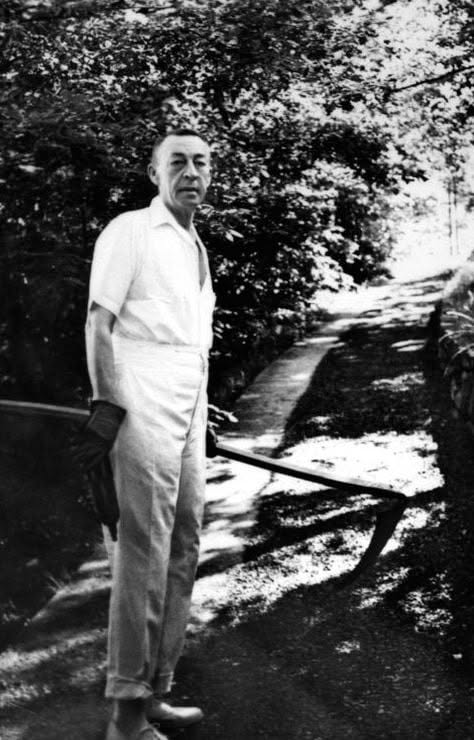
PHOTO: Sergei Rachmaninoff: Don’t fear the reaper