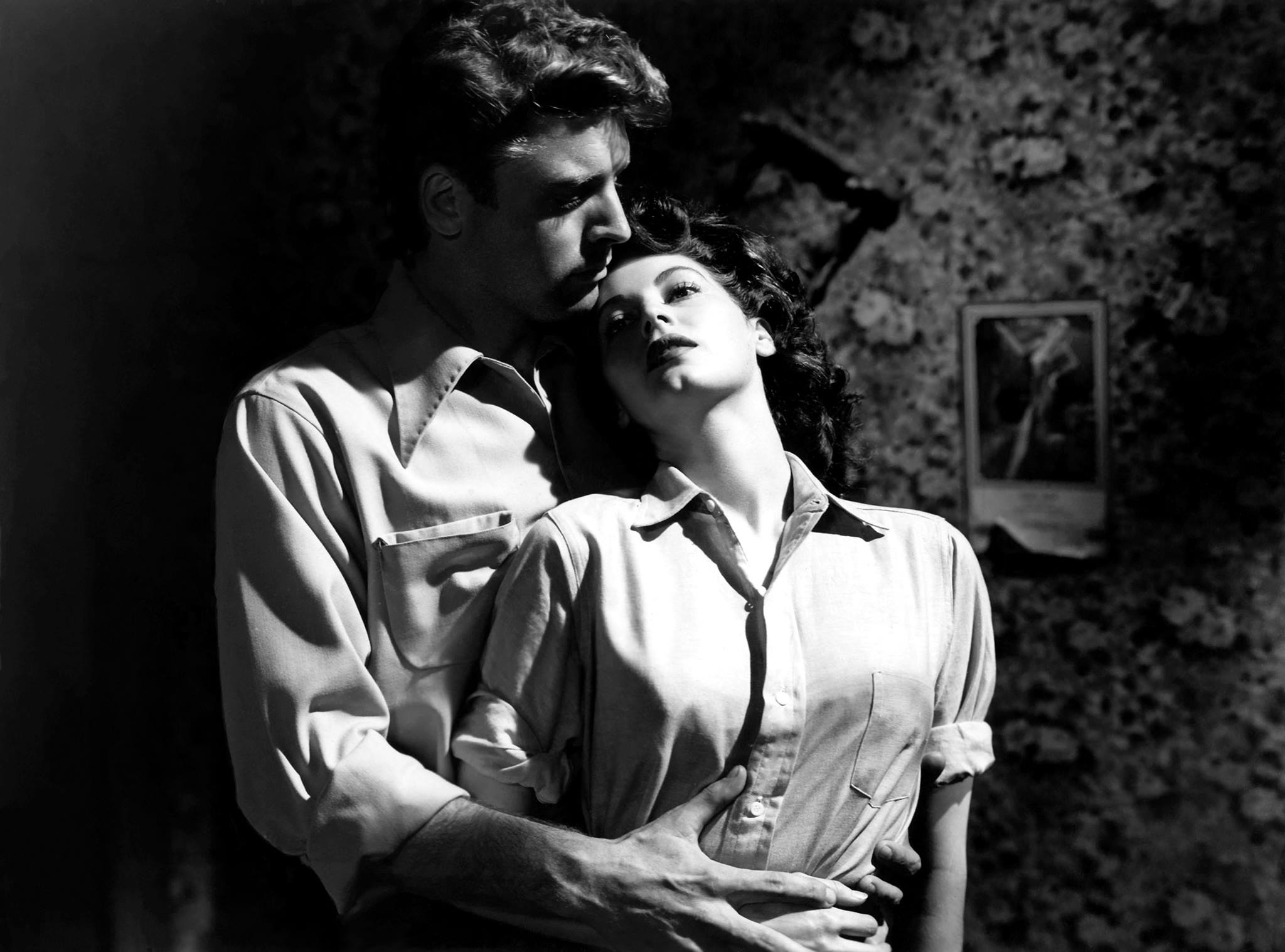
Nick sat down against the charred stump and smoked a cigarette. He lit a match and watched it burn and as it burned he thought of boxers and marlins and the Spanish Civil War. The stories were brave and strong and good. He ordered a mojito and prepared to face the music.
This week on “Picture Perfect,” the focus is on Ernest Hemingway.
Seemingly at odds with Hemingway’s minimalist, “iceberg” style, big screen adaptations of the writer’s work show what the stories don’t tell. In the case of 1946’s “The Killers,” the screenwriters unapologetically just made stuff up, an entire back story explaining the motivations for the hit of boxer “Swede” Anderson. Fortunately, those screenwriters happened to include an uncredited John Huston, who virtually codified noir with “The Maltese Falcon.”
“The Killers” provided Burt Lancaster with his break-out role. It also features a knock-out score by Miklós Rózsa, in which he uses the dum-dee-dum-dum motto later made famous by the television series “Dragnet.”
In 1977, George C. Scott reunited with his “Patton” director, Franklin J. Schaffner, for an adaptation of Hemingway’s posthumously published novel, “Islands in the Stream.” Scott gives one of his best performances as a Hemingway-like figure living on a Caribbean island. “Patton” composer Jerry Goldsmith wrote the music. Goldsmith spoke of it often as his favorite score.
Hemingway himself handpicked the leads for the 1943 adaptation of “For Whom the Bell Tolls,” with Gary Cooper and Ingrid Bergman falling in love against the backdrop of the Spanish Civil War. The music was by the prolific and versatile Victor Young.
And finally, Spencer Tracy is the whole show, as he faces off against a large marlin, in the 1958 version of “The Old Man and the Sea.” Dimitri Tiomkin’s music earned him his fourth Academy Award.
Join me for an hour of laconic grace and stoic manliness on “Picture Perfect,” music for the movies, now in syndication on KWAX Classical Oregon!
———-
Clip and save the start times for all three of my recorded shows:
PICTURE PERFECT, the movie music show – Friday at 8:00 PM EDT/5:00 PM PDT
SWEETNESS AND LIGHT, the light music program – Saturday at 11:00 AM EDT/8:00 AM PDT
THE LOST CHORD, unusual and neglected rep – Saturday at 7:00 PM EDT/4:00 PM PDT
Stream them, wherever you are, at the link!
https://kwax.uoregon.edu/
Tag: Jerry Goldsmith
-
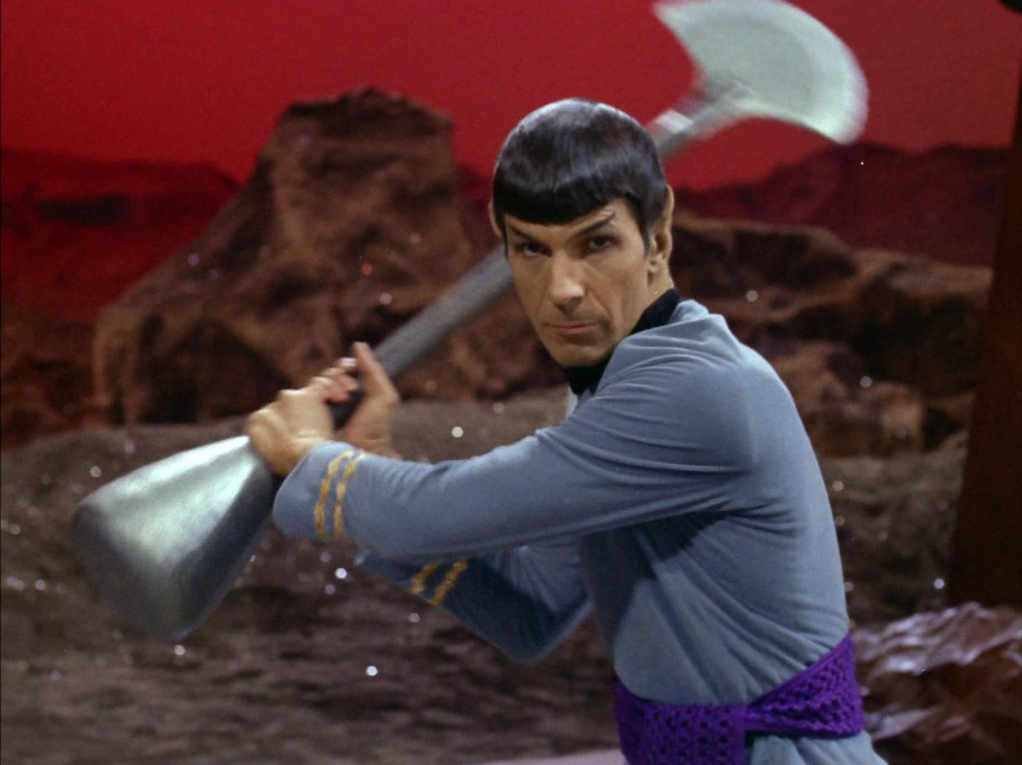
Star Trek at 60 on “Picture Perfect”
Space… the final frontier. This week on “Picture Perfect,” beam aboard for some of the best “Star Trek” music in the galaxy, as we mark the 60th anniversary of the first broadcast of the original series on September 8, 1966. We’ll hear enterprising selections from the beloved media franchise.
In retrospect, it’s hard to conceive of “Star Trek,” the original series (1966-69), staggering toward cancellation after a mere three seasons on NBC, so much a part our shared cultural consciousness it has become. The show’s popularity expanded through syndication. Still, prior to the blockbuster success of “Star Wars,” the only other “Trek” would be an animated series that aired on Saturday morning television from 1973 to 1974.
In 1977, the one-two box office punch of “Star Wars” and “Close Encounters of the Third Kind” revealed a latent hunger for science fiction that gave “Star Trek” the final boost it needed to reach the big screen.
“Star Trek: The Motion Picture” (1979), long-awaited, was ambitious to a fault. Its approach seemed especially ponderous next to the souped-up dog fights of a galaxy far, far away. However, there was undeniably a nostalgic satisfaction in seeing the original crew reassembled on the deck of a refurbished Enterprise, and the production values were nothing less than first-rate.
Robert Wise directed. Wise was involved in the production of any number of classic films, dating back to the 1930s, including “The Day the Earth Stood Still,” “West Side Story,” “The Haunting,” and “The Sound of Music.” He also edited “Citizen Kane.”
“Star Trek: The Motion Picture” sported state-of-the-art special effects (by Douglas Trumbull no less), and a knock-out music score by Jerry Goldsmith. I remember leaving the theater on the film’s opening night and remarking that the movie was all right, but the music was fantastic.
There’s a six-minute, music-and-special effects showpiece of a shuttle flying around the drydocked Enterprise that’s a perfect marriage of music and film. It’s like nothing you’re ever likely to encounter in movies today – and more’s the pity.
The “ST: TMP” theme has always been a fan favorite, but its resurrection, beginning with the launch of the television series “Star Trek: The Next Generation,” cemented its broader familiarity.
“Star Trek” had always positioned itself as thoughtful science fiction, and in the case of the first film perhaps it tried a mite too hard. “ST: TMP” strove for stately, but what it wound up achieving was stasis. Although a box office success, the film received mixed reviews and performed below industry expectations. However, it still made enough money to justify a sequel.
“Star Trek II: The Wrath of Khan” (1982) was a belated continuation of an episode from the original series, “Space Seed,” in which a genetically engineered superman is revived from suspended animation and attempts to take over the Enterprise. Khan, of course, was played by Ricardo Montalban, now with gleaming chest and silver mullet – worlds away from his contemporaneous characterization as Mr. Roarke on TV’s “Fantasy Island.”
The tone of the film proved a refreshing change of pace, playing up the character relationships that made the original series so enjoyable and providing enough action to satisfy audiences attuned to post-“Star Wars” spectacle. Moreover, it cleverly draws on nautical iconography – while “Star Wars” had its dogfights, “Wrath of Khan” deals more in broadsides – and that nautical flavor extends to the film’s brilliant score, by James Horner. The project propelled Horner onto the A-list of film composers.
Another memorable episode of the original series dealt with the usually unflappable Spock losing his cool, as he teeters into pon farr, a period of madness that strikes every seven years during which a Vulcan must mate or die.
“Amok Time” (1967) opened the show’s second season. It featured alien-world papier-mâché boulders, oversized Q-tip like weapons, and what is now widely recognized as the “Star Trek fight music.” This music was reused in several subsequent episodes and has since been widely parodied.
The composer was Gerald Fried, who wrote the music for Stanley Kubrick’s first four films. He also provided most of the score for the landmark television mini-series “Roots.”
Following the disappointing box office of “Star Trek: Nemesis” in 2002, the film franchise was put on hiatus for the next six-and-a-half years, possibly the result of “Star Trek” fatigue – too many movies and too many television series.
J.J. Abrams was hired in the hopes of revitalizing “Trek” with a fresh makeover. Abrams’ approach might best be summed up as “Damn the social issues! Damn the philosophical underpinnings! Damn the continuity! Full speed ahead!” The result is undoubtedly entertaining, though very much of our time, with a lot of action at the expense of the ideas and humanity that made earlier incarnations more resonant.
The “reboot” scored a hit with critics and general audiences, though it remains controversial with fans of the original series. Even the title suggests a new beginning, as the film was titled, simply, “Star Trek” (2009). The story employs an alternative timeline, so that the filmmakers are no longer beholden to more than 40 years’ worth of accrued “Star Trek” lore. It’s the kind of thing that is done all the time in comic books. Whether or not the result is for the best, I leave to you.
Neither is the music quite as rich as that for some of the earlier installments, though it does generate a fair amount of excitement within the context of the film. The composer is Michael Giacchino.
I hope you’ll join me for these selections from “Star Trek,” on “Picture Perfect,” music for the movies. The music won’t be the only thing that’s transporting. Set phasers for “fun,” on “Picture Perfect,” music for the movies, now in syndication on KWAX Classical Oregon!
———-
Clip and save the start times for all three of my recorded shows:
PICTURE PERFECT, the movie music show – Friday at 8:00 PM EDT/5:00 PM PDT
SWEETNESS AND LIGHT, the light music program – Saturday at 11:00 AM EDT/8:00 AM PDT
THE LOST CHORD, unusual and neglected rep – Saturday at 7:00 PM EDT/4:00 PM PDT
Stream them, wherever you are, at the link!
https://kwax.uoregon.edu/
———-
The first four “Star Trek” movies are back in theaters through September 8, the anniversary of the original series’ debut. Each film is coupled with a classic “Star Trek” episode. If you missed my post about it yesterday, you’ll find more information here:
https://rossamico.com/2026/09/03/star-trek-at-60-celebrated-on-the-big-screen/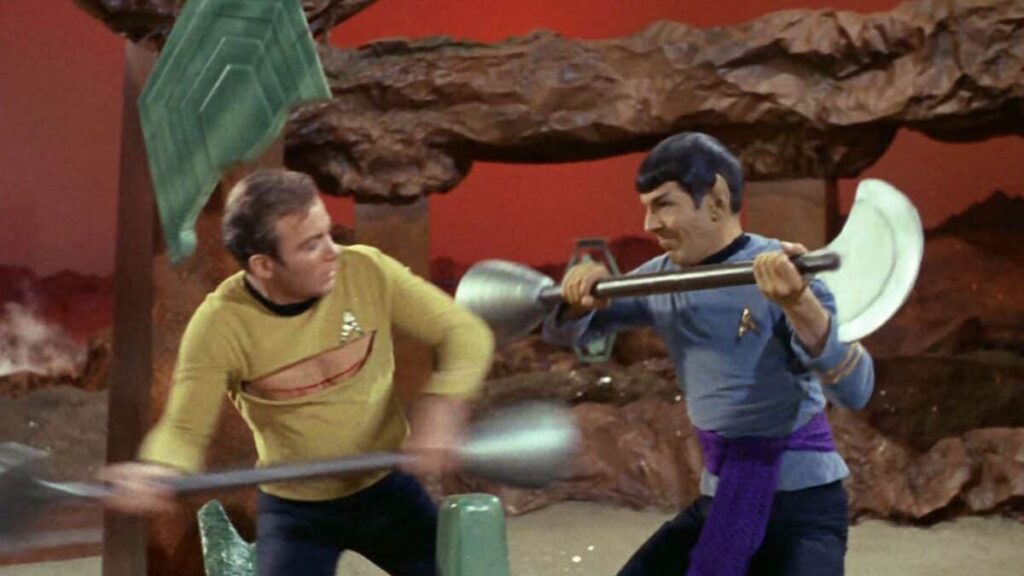
-
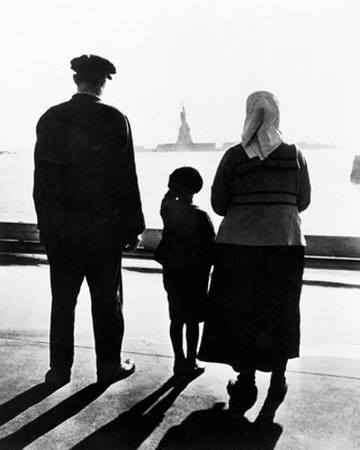
Spirits of Independence on “The Lost Chord”
At a time when immigration seems to be such a divisive issue, it’s instructive to look back to political cartoons of the 19th and early 20th centuries, when bomb-toting Bolsheviks seemed poised to take down our democracy, the Chinese were inscrutable back-stabbers, the Jews were bearers of poverty and disease, and the Irish were simian-faced hooligans and drunks. Anxiety about outsiders has always been with us, yet somehow we got over each successive alien group, and the country has plugged along just fine.
This week on “The Lost Chord,” we’ll get a little perspective, courtesy of composer Peter Boyer. From 1892 to 1954, more than 12 million immigrants passed through Ellis Island in search of a better life. More than 40 percent of the U.S. population – over 100 million Americans – can trace its roots to someone who came to this country along that route.
Boyer’s “Ellis Island: The Dream of America” incorporates texts from testimonials archived as part of the Ellis Island Oral History Project. They are real words of real people telling their own stories. The work is performed by actors, rather than speakers or narrators, who deliver their monologues in the first person. In a powerful epilogue, each of them comes together to recite a stanza from Emma Lazarus’ poem, “The New Colossus.” It’s so effective – and affecting – I get a little choked up just thinking about it.
You will, too, if you join me for “Spirits of Independence,” on “The Lost Chord,” now in syndication on KWAX Classical Oregon!
——-
Clip and save the start times for all three of my recorded shows:
PICTURE PERFECT, the movie music show – Friday at 8:00 PM EDT/5:00 PM PDT
SWEETNESS AND LIGHT, the light music program – Saturday at 11:00 AM EDT/8:00 AM PDT
THE LOST CHORD, unusual and neglected rep – Saturday at 7:00 PM EDT/4:00 PM PDT
Stream them, wherever you are, at the link!
https://kwax.uoregon.edu
——-
BONUS: The hour will open with Jerry Goldsmith’s “Fireworks.” Happy 4th! -
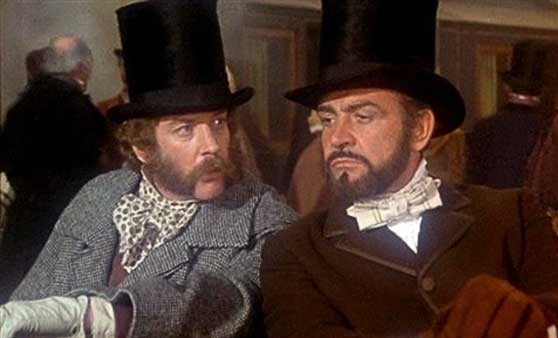
All Aboard! Taking the Train on “Picture Perfect”
Trains have always been very good for drama. They are symbols of departures and arrivals. They are conveyors of prisoners and vehicles of escape. They are objects of romance and objects to “hobo around” on. They are harbingers of civilization, and they are transports be robbed. You can fight on top of them. You can make out with Eva Marie Saint, or you can protect Marie Windsor so that she can testify against the mob. You can shuffle off to Buffalo.
From the beginning, trains have provided good escapist fun at the movies. This week on “Picture Perfect,” we’ve got an hour of music from four memorable films in which trains play an important role.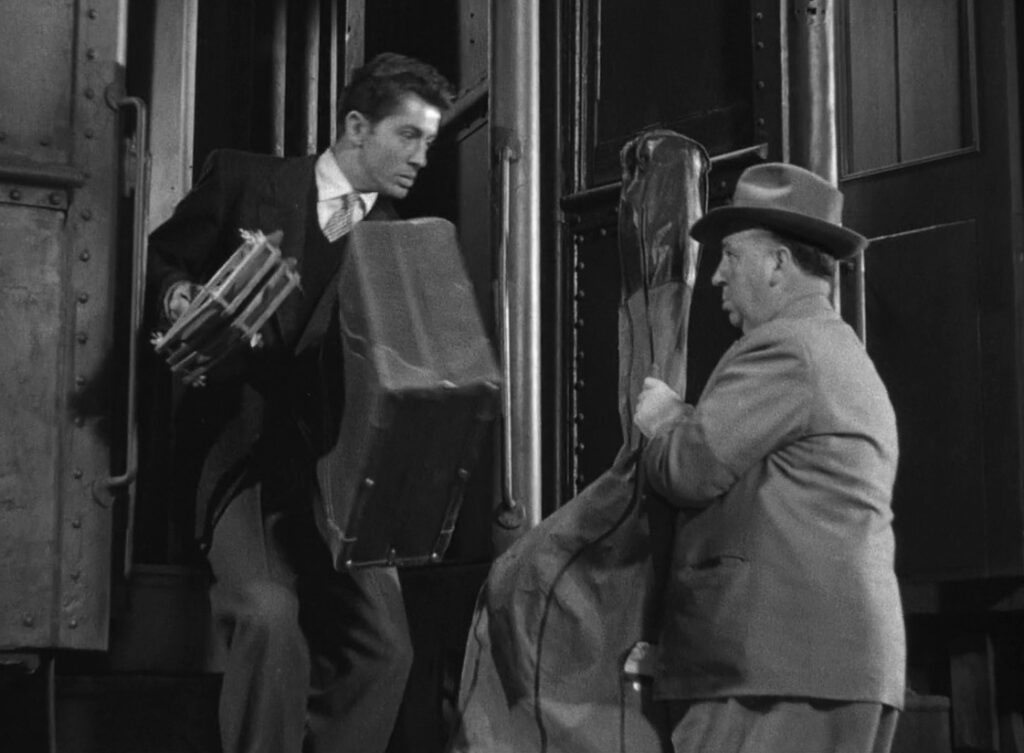
In “Strangers on a Train” (1951), arguably Alfred Hitchcock’s most underrated film of the 1950s, Farley Granger plays a tennis pro who unwittingly becomes involved in a double-murder plot (criss-cross!) through a chance encounter on a passenger train with a psychopath named Bruno (probably Robert Walker’s finest performance). The music is by Dimitri Tiomkin, who scored four films for Hitch – including “Shadow of a Doubt,” “I Confess,” and “Dial M for Murder.”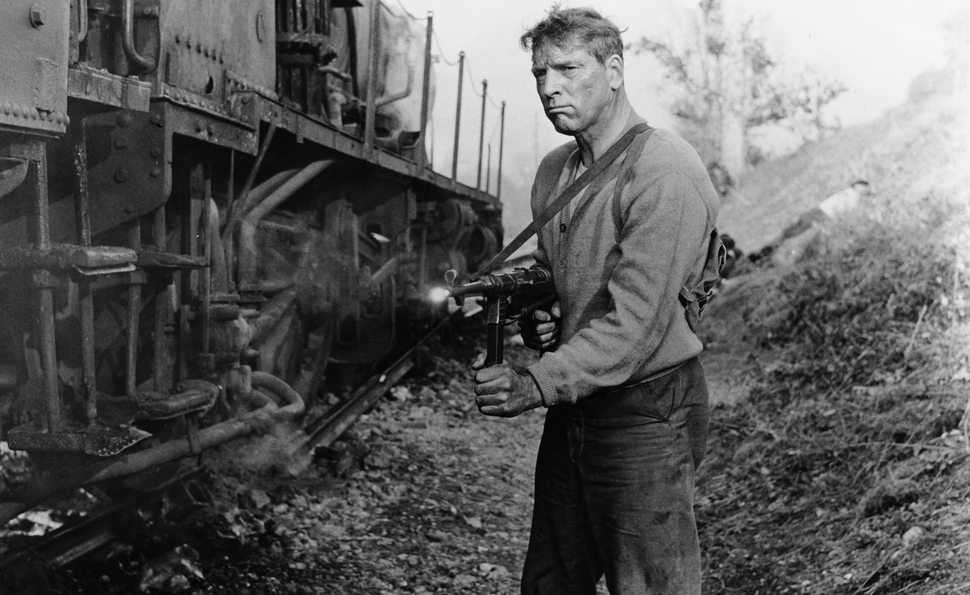
Burt Lancaster stars in a film titled, simply, “The Train” (1964), as a reluctant railroad inspector who is persuaded to join the French Underground’s efforts to delay the transport of masterpieces looted from the museums of Paris by the Nazis, since Allied liberation of France is imminent. Paul Scofield plays the art-loving German officer determined to move the art at all costs. Real trains were destroyed in the making of the film, real dynamite was employed, and Lancaster, as was often the case, did all his own stunts. The score is by Maurice Jarre.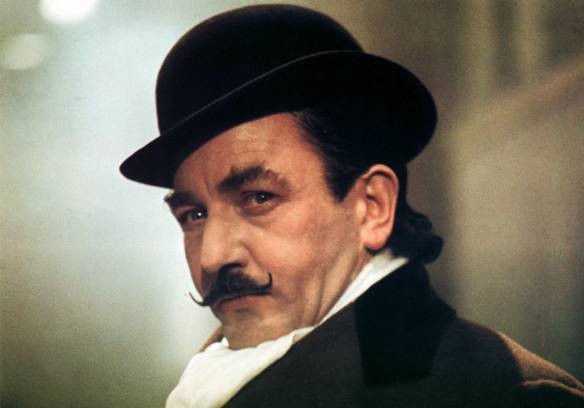
“Murder on the Orient Express” (1974) is based on one of the best-known Agatha Christie vehicles involving her recurring character, celebrated detective Hercule Poirot. Albert Finney portrays Poirot most memorably in this, the first and best of the all-star Christie thrillers, set on a long-distance passenger train connecting Paris to Istanbul. The list of suspects includes Lauren Bacall, Martin Balsam, Ingrid Bergman, Sean Connery, John Gielgud, Anthony Perkins, Richard Widmark, and Michael York. The unforgettable score is by Richard Rodney Bennett.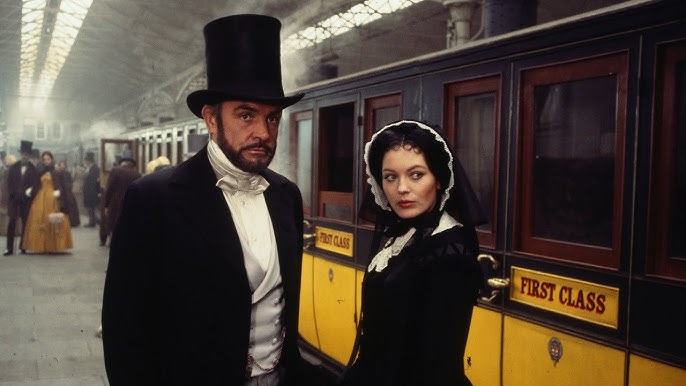
Finally, we turn to the lighthearted caper “The Great Train Robbery” (1979), starring Sean Connery, Donald Sutherland, and Leslie-Anne Down. Michael Crichton wrote the screenplay, after his own novel, which in turn was based on an actual historical incident – an 1855 heist, in which an unbelievable amount of gold disappeared from a moving train. Crichton also directed the film. The music is by the great Jerry Goldsmith.
All aboard! We’ll be taking the train today, on “Picture Perfect,” music for the movies, now in syndication on KWAX Classical Oregon!
——–
Clip and save the start times for all three of my recorded shows:
PICTURE PERFECT, the movie music show – Friday at 8:00 PM EDT/5:00 PM PDT
SWEETNESS AND LIGHT, the light music program – Saturday at 11:00 AM EDT/8:00 AM PDT
THE LOST CHORD, unusual and neglected rep – Saturday at 7:00 PM EDT/4:00 PM PDT
Stream them, wherever you are, at the link!
https://kwax.uoregon.edu -

Metaphorical Big Cats on “Picture Perfect”
Friday the 13th! Beware of ladders, broken mirrors, and… black cats?
Unluckily, metaphorical big cats is the focus this week on “Picture Perfect.”
Simone Simon’s barely repressed desires are made manifest in Val Lewton’s “Cat People” (1942). Lewton was a master of suggestion, with a majority of the horrors in his films imagined, rather than seen. Part of the approach was practical, the result of shoestring budgets imposed by RKO. Whatever the case, the insinuating weirdness undeniably produced psychological chills. In fact, it was only as a concession to the studio that a literal big cat was included at all. The music was by RKO workhorse Roy Webb.
Sean Connery plays a Berber chieftain who faces off against Teddy Roosevelt in “The Wind and the Lion” (1975). In a letter to Roosevelt (played in the film by Brian Keith), Connery’s character writes, “I, like the lion, must stay in my place, while you, like the wind, will never know yours.” Jerry Goldsmith provided one of his best scores for the Moroccan adventure. In fact, he was fairly confident he finally had a lock on the Oscar. He experienced a harsh reality check when he went to see “Jaws.” (Goldsmith would win his only Academy Award the following year for his music to “The Omen.”)
Luchino Visconti’s epic telling of Giuseppe Tomasi di Lampedusa’s “The Leopard” (1963) is a melancholy exploration of the fading Sicilian aristocracy. A bewhiskered Burt Lancaster plays Prince Fabrizio, who feels himself slipping into obsolescence. Nino Rota gives the film a full-blooded, operatic soundtrack, full of lyricism and pathos.
Finally, Lyn Murray provides the breezy accompaniment for Alfred Hitchcock’s “To Catch a Thief” (1955), with Cary Grant a reformed burglar, known as The Cat, who attempts to clear himself of some “copycat” crimes while romancing Grace Kelly on the French Riviera.
We throw salt over our left shoulder and caution to the winds, with an hour of music for metaphorical big cats – any excuse to ignore Valentine’s Day and get “The Wind and the Lion” and “The Leopard” on the same program – on “Picture Perfect,” music for the movies, now in syndication on KWAX Classical Oregon!
——–
Clip and save the start times for all three of my recorded shows:
PICTURE PERFECT, the movie music show – Friday at 8:00 PM EST/5:00 PM PST
SWEETNESS AND LIGHT, the light music program – Saturday at 11:00 AM EST/8:00 AM PST
THE LOST CHORD, unusual and neglected rep – Saturday at 7:00 PM EST/4:00 PM PST
Stream them, wherever you are, at the link!
https://kwax.uoregon.edu
Tag Cloud
Aaron Copland (94) Beethoven (95) Composer (114) Film Music (148) Film Score (143) Film Scores (255) Halloween (97) John Williams (196) KWAX (232) Leonard Bernstein (105) Marlboro Music Festival (125) Movie Music (163) Mozart (91) Opera (215) Philadelphia Orchestra (90) Picture Perfect (174) Princeton Symphony Orchestra (110) Radio (90) Ross Amico (244) Roy's Tie-Dye Sci-Fi Corner (290) The Classical Network (101) The Lost Chord (269) Vaughan Williams (107) WPRB (397) WWFM (881)