Tag: John Foulds

  • John Foulds’ World Requiem Forgotten Masterpiece?

    John Foulds’ World Requiem Forgotten Masterpiece?

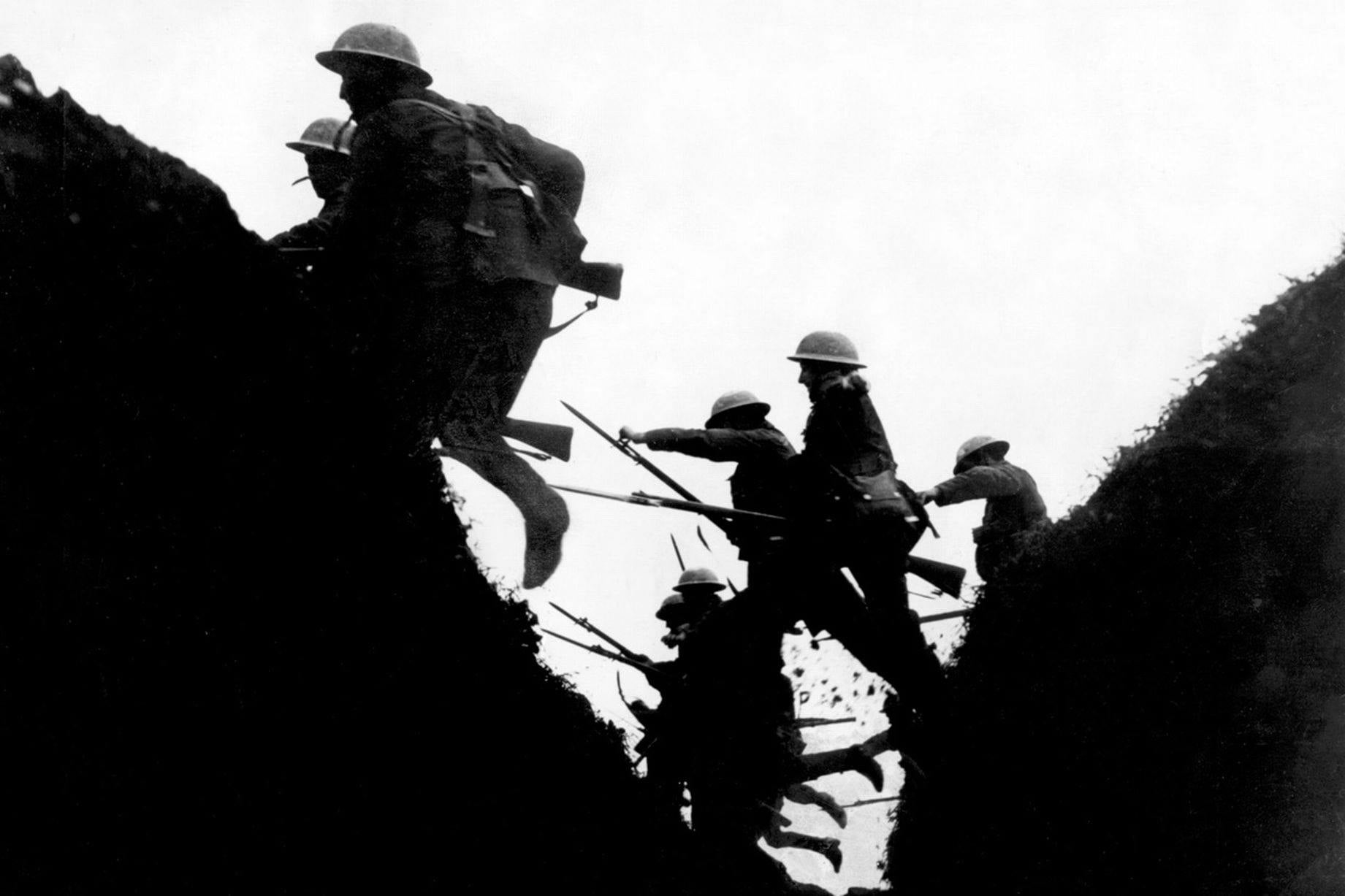
    It was on November 11, 1918 – the eleventh hour of the eleventh day of the eleventh month – that representatives of the Allied Forces and Germany sat down to sign the Armistice that concluded hostilities on the Western Front, formally ending the “War to End All Wars.”

    Five years later, John Foulds’ “A World Requiem,” conceived as a memorial to the dead of all nations, was given its first performance, on November 11th, 1923. The work was embraced by the public, though critical reaction was mixed. Subsequent performances took place from 1924 to 1926 as part of a Festival of Remembrance. After that, it lay unheard for some eight decades, until resurrected by conductor Leon Botstein.

    Botstein has dusted off more than his share of worthy curiosities over the years, though few more ambitious than “A World Requiem.” A performance of the 90-minute piece requires up to 1,250 musicians. The work’s world premiere recording, on the Chandos label, was taken from a live concert presented on Armistice Day 2007, at the venue in which the work was first heard, Royal Albert Hall London.

    The Requiem’s texts were derived from various spiritual sources by the composer’s wife, Maud MacCarthy, built on fragments from the Requiem Mass, as well as writings of John Bunyan and the Hindu poet Kabir. The overall tone is more Brahms than Britten. Part One of the oratorio promises peace and rest; Part Two conveys radiant visions of paradise.

    I had assumed that the work’s neglect had to do with the dual concerns of cost and evolving musical taste. However, around the time of the Requiem’s revival, it was discovered that performances may actually have been suppressed by the BBC, possibly at the instigation of Sir Adrian Boult – this despite the fact that Foulds donated all proceeds to the poppy appeal for the British legion. You can read more about the alleged “banning” of the Requiem here:

    https://www.manchester.ac.uk/discover/news/world-requiem-was-unofficially-banned/

    Across the pond and closer to home, in 1954, at the urging of U.S. veterans, Armistice Day was renamed Veterans Day. Though the intent of the holiday is frequently confused with that of Memorial Day, Veterans Day is a time to honor ALL military veterans, not just those who died in service to their country.

    Foulds’ gargantuan oratorio could serve double-duty. Sadly, it is almost never performed at all.

    The oratorio falls into 20 movements (two parts subdivided into ten each) for soloists, massed choirs, including children’s choirs, large orchestra, offstage instrumentalists, and organ. A progressive tonal framework is spiced with quarter tones, cluster chords, and certain repetitive sequences.

    War’s the pity. Always remember, and thank you to those who served.

    Part I

    1 I Requiem – 8:44
    2 II Pronuntiatio – 4:05
    3 III Confessio – 5:46
    4 IV Jubilatio – 5:06
    5 V Audite – 7:04
    6 VI Pax – 3:53
    7 VII Consolatio – 5:08
    8 XIII Refutatio – 0:38
    9 IX Lux Veritatis – 1:19
    10 X Requiem 3:25

    45:08

    Part II

    1 XI Laudamus – 6:30
    2 XII Elysium – 6:24
    3 XIII In Pace – 3:17
    4 Hymn of the Redeemed – 4:37
    5 XIV Angeli – 3:27
    6 XV Vox Dei – 3:07
    7 XVI Adventus – 4:01
    8 XVII Vigilate – 2:03
    9 XVIII Promissio et Invocatio – 7:30
    10 XIX Benedictio – 1:41
    11 XX Consummatus 2:06

    44:50

  • John Foulds Rediscovered Composer

    John Foulds Rediscovered Composer

    Though steeped in the comparatively conservative milieu of the English musical renaissance at the turn of last century, John Foulds possessed a physical, intellectual, spiritual, and creative wanderlust.

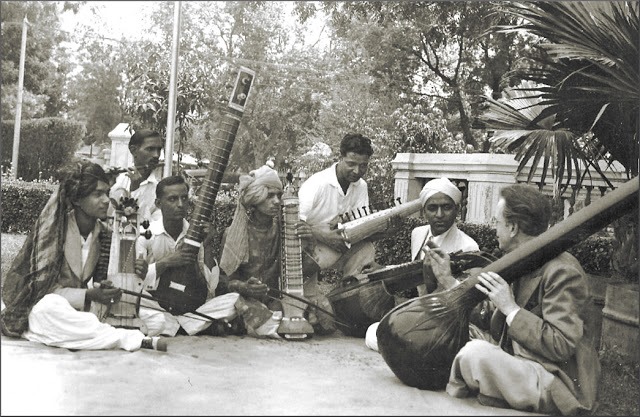
    Foulds moved to India in 1935. There, he collected native folk tunes. He became director of European music for All-India Radio in Delhi, created an orchestra from scratch, and labored tirelessly to fulfill his vision of a synthesis between Eastern and Western music. He also composed works for traditional Indian instruments. His efforts on behalf of the radio were so successful that he was asked to open a satellite branch in Calcutta. Unfortunately, he contracted cholera and died within a week of his arrival, at the age of 58.

    Because of the remote location and the fact that a number of the pieces of his maturity have been lost, or the manuscripts extensively compromised, Foulds’ slight reputation has rested for the most part on his “light music” (especially “Keltic Lament”). But Foulds was definitely ahead of his time, as the gradual rediscovery of his works has revealed, with the composer’s fascination with quarter-tones and, occasionally, a tendency toward an almost proto-minimalism.

    So diverse were Foulds’ output and enthusiasms that it is difficult, if not impossible, to encapsulate the scope of his achievements within a single hour. Nevertheless, this Sunday night on “The Lost Chord,” we will endeavor to do our best, by sharing his light concert overture “April – England,” “Three Mantras” from the abandoned Sanskrit opera, “Avatara,” and selections from “A World Requiem.”

    It’s a Foulds paradise! Join me for “April Foulds,” this Sunday night at 10:00 EDT, on WWFM – The Classical Network and wwfm.org.


    PHOTO: Foulds (right), sitting in on an Indian jam session

  • Uplifting Friday Music April Foulds

    Uplifting Friday Music April Foulds

    April Foulds! Some uplifting music by John Foulds to brighten your Friday morning.

  • John Foulds’ Lost World Requiem Rediscovered

    John Foulds’ Lost World Requiem Rediscovered

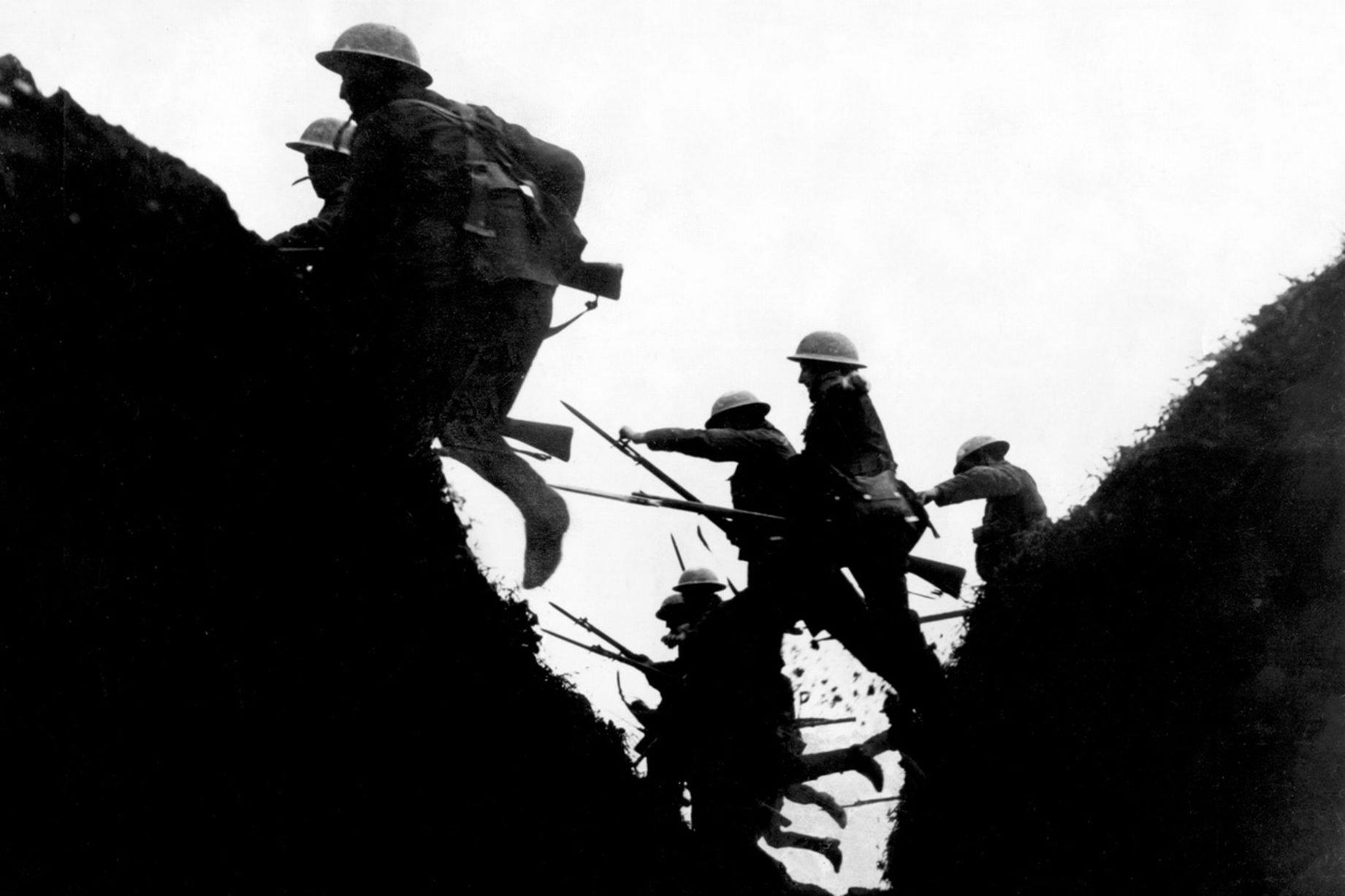
    It was on November 11, 1918 – the eleventh hour of the eleventh day of the eleventh month – that representatives of the Allied Forces and Germany sat down to sign the Armistice that concluded hostilities on the Western Front, formally ending the “War to End All Wars.”

    Five years later, John Foulds’ “A World Requiem,” conceived as a memorial to the dead of all nations, was given its first performance, on November 11th, 1923. The work was embraced by the public, though critical reaction was mixed. Subsequent performances took place from 1924 to 1926 as part of a Festival of Remembrance. After that, it lay unheard for some eight decades, until resurrected by conductor Leon Botstein.

    Botstein has dusted off more than his share of worthy curiosities over the years, though few more ambitious than “A World Requiem.” A performance of the 90-minute piece requires up to 1,250 musicians. The work’s world premiere recording, on the Chandos label, was taken from a live concert presented on Armistice Day 2007, at the venue in which the work was first heard, Royal Albert Hall London.

    The Requiem’s texts were derived from various spiritual sources by the composer’s wife, Maud MacCarthy, built on fragments from the Requiem Mass, as well as writings of John Bunyan and the Hindu poet Kabir. The overall tone is more Brahms than Britten. Part One of the oratorio promises peace and rest; Part Two conveys radiant visions of paradise.

    I had assumed that the work’s neglect had to do with the dual concerns of cost and evolving musical taste. However, around the time of the Requiem’s revival, it was discovered that performances may actually have been suppressed by the BBC, possibly at the instigation of Sir Adrian Boult – this despite the fact that Foulds donated all proceeds to the poppy appeal for the British legion. You can read more about the alleged “banning” of the Requiem here:

    https://www.manchester.ac.uk/discover/news/article/?id=3156

    Across the pond and closer to home, in 1954, at the urging of U.S. veterans, Armistice Day was renamed Veterans Day. Though the intent of the holiday is frequently confused with that of Memorial Day, Veterans Day is a time to honor ALL military veterans, not just those who died in service to their country.

    Foulds’ gargantuan oratorio could serve double-duty. Sadly, it is almost never performed at all.

    The oratorio falls into 20 movements (two parts subdivided into ten each) for soloists, massed choirs, including children’s choirs, large orchestra, offstage instrumentalists, and organ. A progressive tonal framework is spiced with quarter tones, cluster chords, and certain repetitive sequences.

    War’s the pity. Always remember, and thank you to those who served.

    Part I

    1 I Requiem – 8:44
    2 II Pronuntiatio – 4:05
    3 III Confessio – 5:46
    4 IV Jubilatio – 5:06
    5 V Audite – 7:04
    6 VI Pax – 3:53
    7 VII Consolatio – 5:08
    8 XIII Refutatio – 0:38
    9 IX Lux Veritatis – 1:19
    10 X Requiem 3:25

    45:08

    Part II

    1 XI Laudamus – 6:30
    2 XII Elysium – 6:24
    3 XIII In Pace – 3:17
    4 Hymn of the Redeemed – 4:37
    5 XIV Angeli – 3:27
    6 XV Vox Dei – 3:07
    7 XVI Adventus – 4:01
    8 XVII Vigilate – 2:03
    9 XVIII Promissio et Invocatio – 7:30
    10 XIX Benedictio – 1:41
    11 XX Consummatus 2:06

    44:50

  • John Foulds Rediscovered

    John Foulds Rediscovered

    Though steeped in the comparatively conservative milieu of the English musical renaissance at the turn of last century, John Foulds possessed a physical, intellectual, spiritual, and creative wanderlust.

    Foulds moved to India in 1935. There, he collected native folk tunes. He became director of European music for All-India Radio in Delhi, created an orchestra from scratch, and labored tirelessly to fulfill his vision of a synthesis between Eastern and Western music. He also composed works for traditional Indian instruments. His efforts on behalf of the radio were so successful that he was asked to open a satellite branch in Calcutta. Unfortunately, he contracted cholera and died within a week of his arrival, at the age of 58.

    Because of the remote location and the fact that a number of the pieces of his maturity have been lost, or the manuscripts extensively compromised, Foulds’ slight reputation has rested for the most part on his “light music.” (especially “Keltic Lament”). But Foulds was definitely ahead of his time, as the gradual rediscovery of his works has revealed, with the composer’s fascination for quarter-tones and, occasionally, a tendency toward an almost proto-minimalism.

    So diverse were Foulds’ output and enthusiasms that it is difficult, if not impossible, to encapsulate the scope of his achievements within a single hour. Nevertheless, this Sunday night on “The Lost Chord,” we will endeavor to do our best, by sharing his light concert overture “April – England,” “Three Mantras” from the abandoned Sanskrit opera, “Avatara,” and selections from “A World Requiem.”

    It’s a Foulds paradise! Join me for “April Foulds,” this Sunday night at 10:00 EDT, on WWFM – The Classical Network and wwfm.org.


    PHOTO: Foulds (right), sitting in on an Indian jam session

Tag Cloud

Aaron Copland (92) Beethoven (95) Composer (114) Film Music (120) Film Score (143) Film Scores (255) Halloween (94) John Williams (185) KWAX (229) Leonard Bernstein (100) Marlboro Music Festival (125) Movie Music (135) Opera (198) Philadelphia Orchestra (88) Picture Perfect (174) Princeton Symphony Orchestra (106) Radio (87) Ralph Vaughan Williams (85) Ross Amico (244) Roy's Tie-Dye Sci-Fi Corner (290) The Classical Network (101) The Lost Chord (268) Vaughan Williams (103) WPRB (396) WWFM (881)

DON’T MISS A BEAT

Receive a weekly digest every Sunday at noon by signing up here


RECENT POSTS