Tag: Kajanus

  • Finnish Epic Music and the Kalevala

    Finnish Epic Music and the Kalevala

    Whether it was due to human error or a technical glitch, my “Kalevala” program did not air as announced on December 9. Now that the holidays have (mostly) passed, we can return, like steadfast old Väinämöinen, to the world of Finnish legend and lore for a second shot at claiming the Sampo and maintaining our stoicism in the face of star-crossed love.

    This Sunday night on “The Lost Chord,” we’ll have music inspired by this disparate collection of long narrative poems. “The Kalevala” is frequently referred to as the Finnish national epic. Its fantastic and heroic tales informed the work of Finland’s greatest artists at a time when the country began its surge toward independence after 700 years of Swedish rule and another century as a duchy of the Russian Empire.

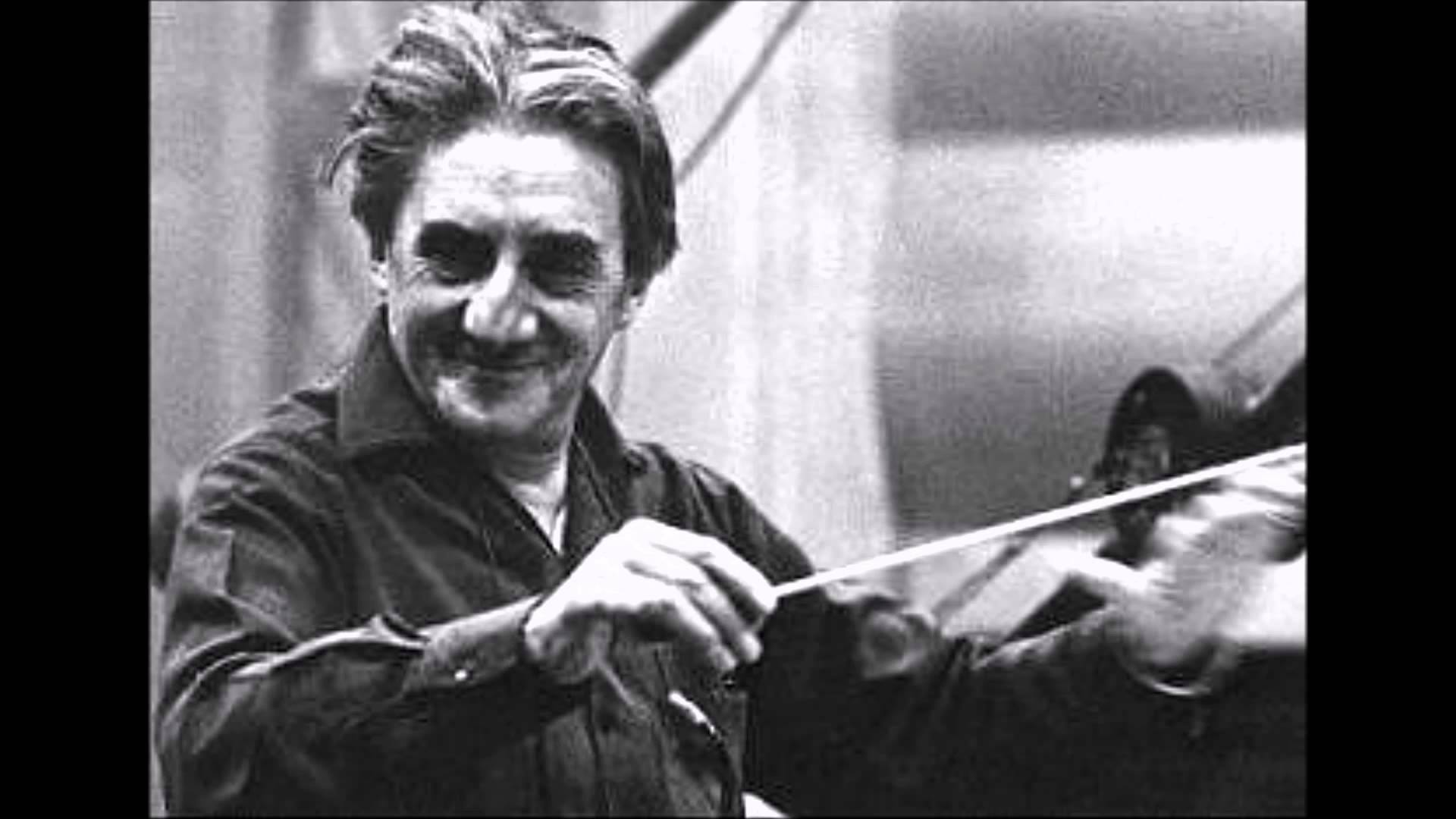
    Robert Kajanus was Sibelius’ first great champion. He conducted first performances of many of the composer’s major works and led the Helsinki Philharmonic for 50 years. He also wrote over 200 pieces himself. “Aino” was composed in 1885 for the Kalevala Society, to mark the 50th anniversary of the poem’s publication.

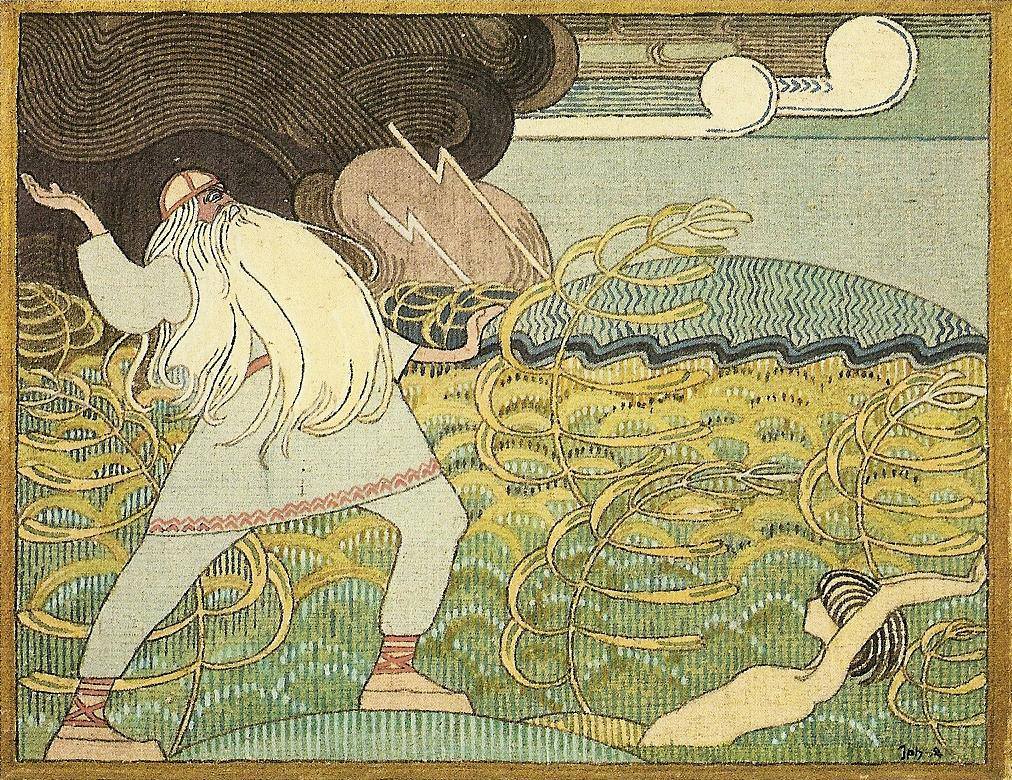
    One of the Kalevala’s heroes, Väinämöinen the wizard, always seems to be plagued by bad luck. He wins a singing contest, plunging his rival, Joukahainen, into a swamp, but when the latter promises him his sister’s hand in marriage if he will save him from drowning, the sister, Aino, drowns herself rather than submit to this seemingly intolerable fate. She returns to taunt the grieving Väinämöinen in the form of a salmon.

    Uuno Klami, one of the most important Finnish composers after Sibelius, brought a degree of French polish back from his studies in Paris, where he fell under the irreverent sway of Les Six. This led to the composition of an unusually anti-heroic take on the “Kalevala” legends, “Lemminkäinen’s Island Adventures.” However, in spite of his occasionally Gallic disposition, Klami grew into one of Finland’s most respected composers. Sibelius recognized his talent and even lobbied for a small lifetime stipend for Klami from the Finnish government.

    Unlike Sibelius’ better-known “Four Legends from the Kalevala,” Klami’s “Kalevala Suite” scrupulously avoids the more swashbuckling elements of the epic’s narrative. He opts instead to paint on a much broader canvas, with movements titled “The Creation of the Earth,” “The Sprout of Spring,” “Terhenniemi” (replete with the sounds of nature and the sunny bliss of a summer’s day), “Cradle Song for Lemminkäinen” (Lemminkäinen’s mother’s song, sung over her son’s dead body, soon to be resurrected), and “The Forging of the Sampo” (a kind of talisman everyone seems to want).

    Of course, no composer had more success drawing on the Kalevala legends than Jean Sibelius. We’ll conclude the hour with a Sibelius rarity, “A Song for Lemminkäinen,” from 1896. This follows on the heels of the composer’s “Lemminkäinen Suite” (also known as “Four Legends from the Kalevala”), written earlier in the decade.

    It’s a second chance to aquire some “Epic Finnish,” this Sunday night at 10:00 EST, on WWFM – The Classical Network and wwfm.org.


    IMAGE: “Väinämöinen Sings Joukahainen into a Fen,” by Joseph Alanen (1885–1920)
  • Finnish Music Epic Tales of the Kalevala

    Finnish Music Epic Tales of the Kalevala

    In a week when Finnish conductors are very much in the news (with announcements that Esa-Pekka Salonen is headed to San Francisco in 2020 and that Osmo Vänskä will be stepping down in Minnesota in 2022), we’ll hear music inspired by movers and shakers of the “Kalevala.”

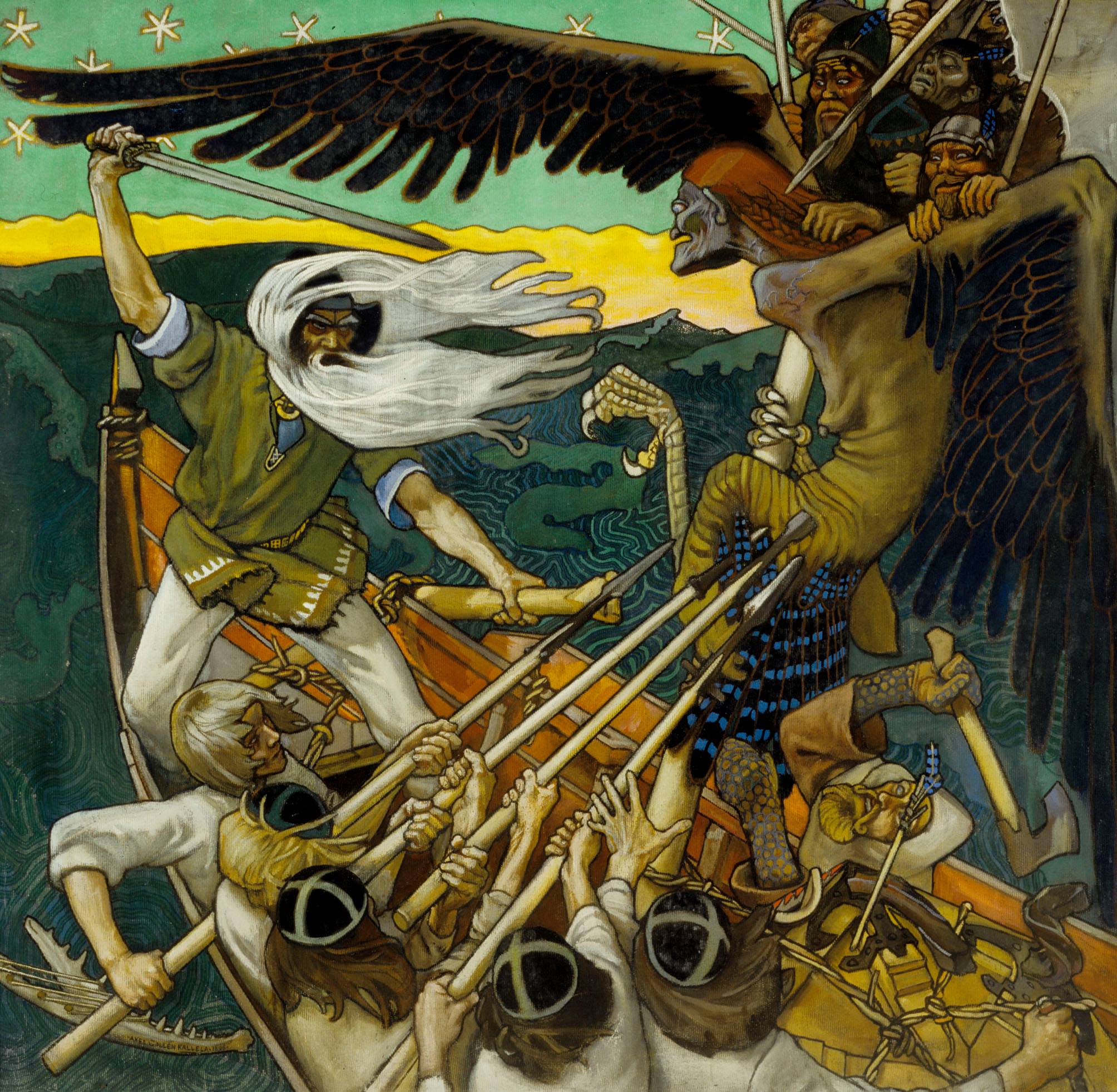
    The “Kalevala,” a disparate collection of long narrative poems culled from the oral tradition, is frequently referred to as the Finnish national epic. Its fantastic and heroic tales informed the work of Finland’s greatest artists at a time when the country began to surge toward independence after 700 years of Swedish rule and an additional century as a duchy of the Russian Empire.

    In a nod to Finnish endeavor, this Sunday night on “The Lost Chord,” we’ll hear “Aino” by Robert Kajanus. Kajanus was Sibelius’ first great champion, who conducted first performances of many of the composer’s major works and led the Helsinki Philharmonic for 50 years. He also wrote over 200 pieces himself. “Aino” was composed in 1885 for the Kalevala Society, to mark the 50th anniversary of the poem’s publication.

    The subject is the wizard Väinämöinen, one of the poems’ heroes, who always seems to be plagued by ill luck. In this particular tale, he wins a singing contest, plunging his rival, Joukahainen, into a swamp. When the latter promises the wizard his sister’s hand in marriage if Väinämöinen will save him from drowning, the sister, Aino, drowns herself rather than submit to this seemingly unbearable fate. She later returns to taunt the grieving Väinämöinen in the form of a salmon.

    One of the most important Finnish composers after Sibelius was Uuno Klami. Klami brought a degree of French polish back from his studies in Paris, where he fell under the irreverent sway of Les Six. This led to the composition of an unusually anti-heroic take on the Kalevala legends, “Lemminkäinen’s Island Adventures.” However, in spite of his occasionally Gallic disposition, Klami grew into one of Finland’s most respected composers. Sibelius recognized his talent and even lobbied for a small lifetime income for Klami from the Finnish government.

    Klami’s most ambitious Kalevala inspiration is his “Kalevala Suite,” of 1933, which he extensively revised ten years later, when this former “enfant terrible” recognized the importance of his role as an artist in a country at war. Unlike Sibelius’ better-known “Four Legends from the Kalevala,” Klami’s suite scrupulously sidesteps the heroes’ actual adventures. He opts instead to paint on a much broader canvas, with movements titled “The Creation of the Earth,” “The Sprout of Spring,” “Terhenniemi” (replete with the sounds of nature and the sunny bliss of a summer’s day), “Cradle Song for Lemminkäinen” (Lemminkäinen’s mother’s song, sung over his dead body, soon to be resurrected), and “The Forging of the Sampo” (a kind of talisman everyone seems to want).

    Of course, no composer had more success drawing on the Kalevala legends than Jean Sibelius. We’ll conclude the hour with a Sibelius rarity, “A Song for Lemminkäinen,” from 1896. This follows on the heels of the composer’s “Lemminkäinen Suite” (also known as “Four Legends from the Kalevala”), written earlier in the decade.

    I hope you’ll join me in acquiring some “Epic Finnish,” this Sunday night at 10:00 EST, on WWFM – The Classical Network and wwfm.org.

  • WWFM Salutes Barbirolli Kajanus & Chung

    WWFM Salutes Barbirolli Kajanus & Chung

    It was Ralph Vaughan Williams who dubbed Sir John Barbirolli “Glorious John.” This afternoon on WWFM, we’ll enjoy some of his glorious recordings.

    In fact, it’s a great day for conductors. We’ll also salute Robert Kajanus, a colleague of Jean Sibelius, who did much to promote the music of his friend, including making the first recordings of the Symphonies Nos. 1, 2, 3 & 5.

    In addition, it’s the birthday of South Korean conductor Myung-Whun Chung, a pupil of Messiaen, who demonstrates a certain flair for the music of Danish composer Carl Nielsen.

    We’ll enjoy examples of their artistry and more, between 4 and 6 p.m. EST, on WWFM – The Classical Network and at wwfm.org.

    Then stayed tuned to hear music written for film adaptations of girls’ literary classics on “Picture Perfect” at 7:00. More on that to come!

Tag Cloud

Aaron Copland (92) Beethoven (95) Composer (114) Film Music (119) Film Score (143) Film Scores (255) Halloween (94) John Williams (185) KWAX (229) Leonard Bernstein (99) Marlboro Music Festival (125) Movie Music (134) Opera (198) Philadelphia Orchestra (86) Picture Perfect (174) Princeton Symphony Orchestra (106) Radio (87) Ralph Vaughan Williams (85) Ross Amico (244) Roy's Tie-Dye Sci-Fi Corner (290) The Classical Network (101) The Lost Chord (268) Vaughan Williams (102) WPRB (396) WWFM (881)

DON’T MISS A BEAT

Receive a weekly digest every Sunday at noon by signing up here


RECENT POSTS