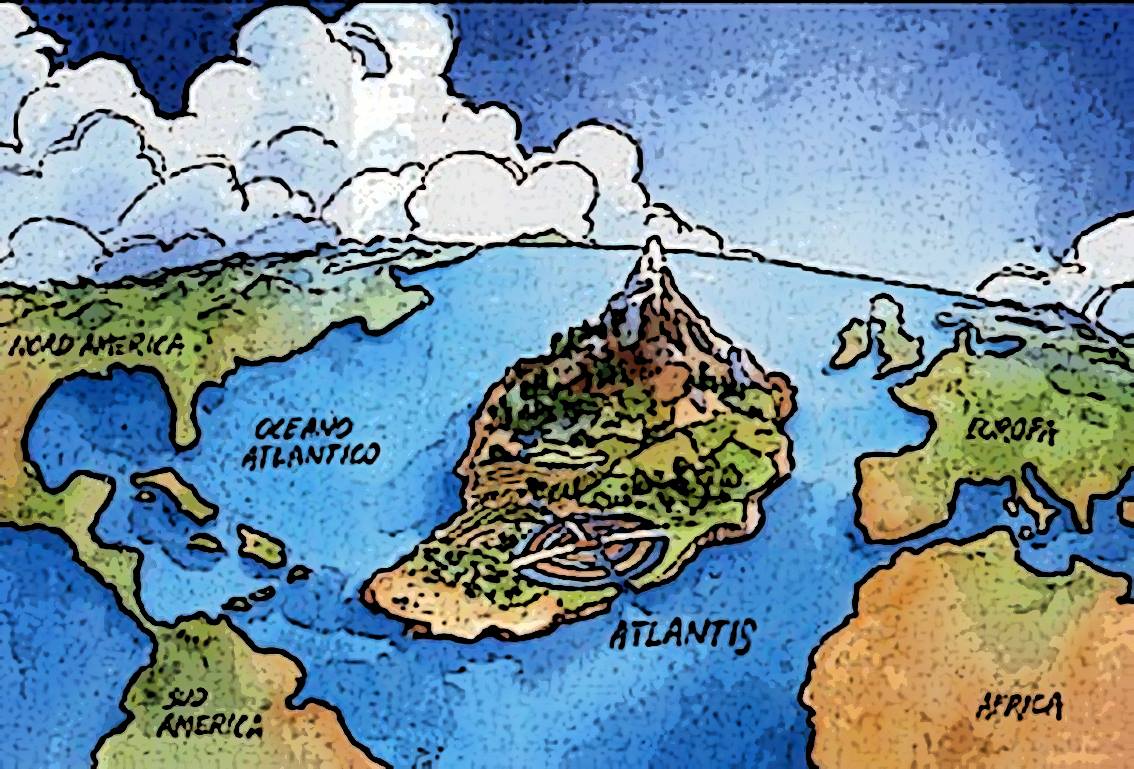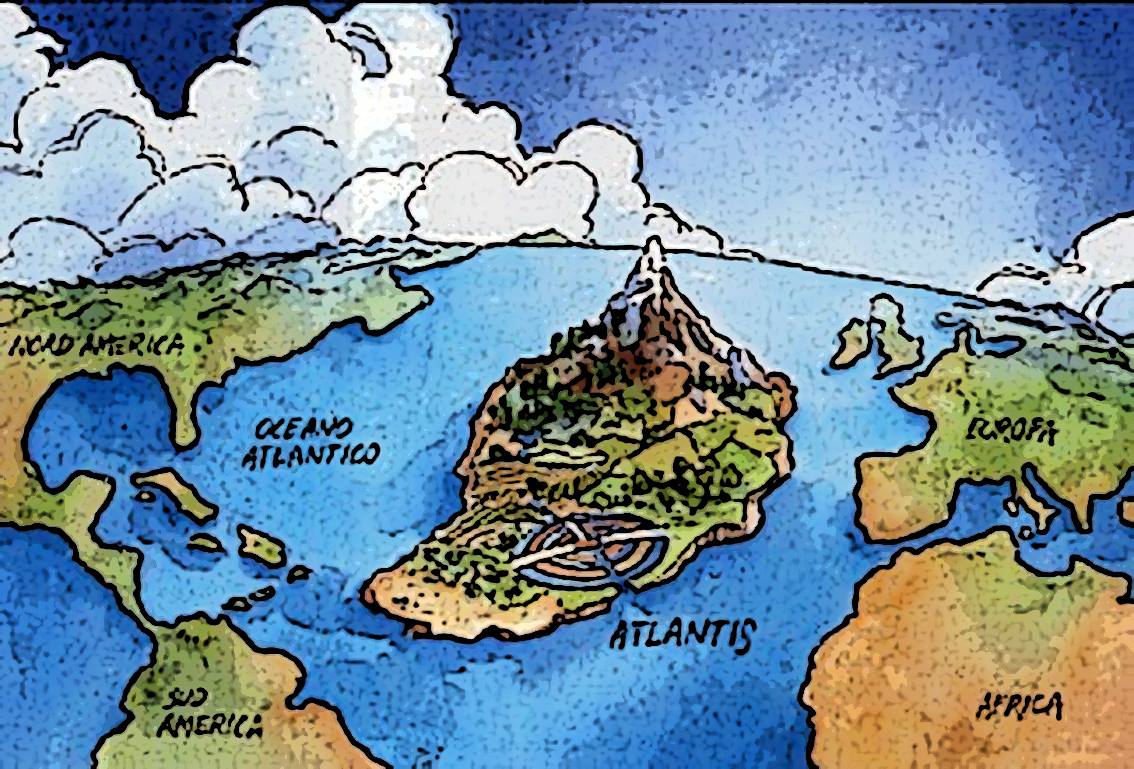
On this most controversial of federal holidays, here’s a reminder of Manuel de Falla’s scenic cantata “Atlántida.” “Atlántida” tells the story of the lost continent of Atlantis, with appearances by Hercules, Pyrene (the Queen of the Pyrenees), the Hesperides (nymphs who tend a blissful garden), Queen Isabella… and a shipwrecked Christopher Columbus.
Distilled to its essence, the plot, synthesized from legends and myths into a grandiose verse epic by 19th century Catalan poet Jacint Verdaguer, follows the great flood that submerged Atlantis, Hercules sparing Spain from its waters, and from Spain the discovery of the New World.
Interestingly, Falla eschews the overtly Spanish idioms that make his ballets, “El amor brujo” and “The Three-Cornered Hat,” so insistently memorable. The result is something much more austere, akin to the choral works of Stravinsky and Arthur Honegger.
It is Falla’s most ambitious work, at which he labored for 20 years, up until his death in 1946. The composer envisioned it as his magnum opus, yet it is very seldom heard. Falla disciple Ernesto Halffter arranged the incomplete sketches into a performing edition, which he conducted at the work’s premiere in 1961. He revised the piece in 1976, at the request of Falla’s publisher, allegedly bringing the work closer to the composer’s vision.
There are a few recordings on YouTube, and some in better sound, but here’s a notable television broadcast featuring Montserrat Caballé and Teresa Berganza, with Jesús López Cobos conducting. Caballé and Berganza are interviewed as part of an intermission feature, around the 48-minute mark. Depending on your proficiency with Spanish, you may need to use some sort of translator.
Columbus Day was established as a federal holiday by President Benjamin Harrison in 1892 to coincide with the 400th anniversary of Columbus’ voyage; but his true intention was to stem anti-immigrant sentiment and violence against Italian-Americans. (11 Italian immigrants had recently been lynched in New Orleans by American “nativists.”) There was no sinister agenda to force Columbus down anyone’s throats or to excuse his personal flaws. Rather, Columbus Day was perceived as a time to celebrate American patriotism, citizenship, and social progress. That’s how people thought back then, in those hopelessly naïve times, before social media.
But really, my aim in posting this is not political, but musical, even if it is the one day a year I pause to acknowledge my Italian-American side.