How fortuitous that he would be born on October 1. What better way to start Halloween month than with the composer of “The Sorcerer’s Apprentice?”
Though Dukas left a comparatively small output – he was a notorious perfectionist who destroyed much – what survives of his music is of very high quality. Of that, he lends to his Halloween street cred with two other works of a fantastical, potentially horrific nature:
an opera about Bluebeard and his sixth wife, “Ariane et Barbe-Bleue”
and a so-called dance poem, “La Péri,” about a fatal encounter with a Persian fairy.
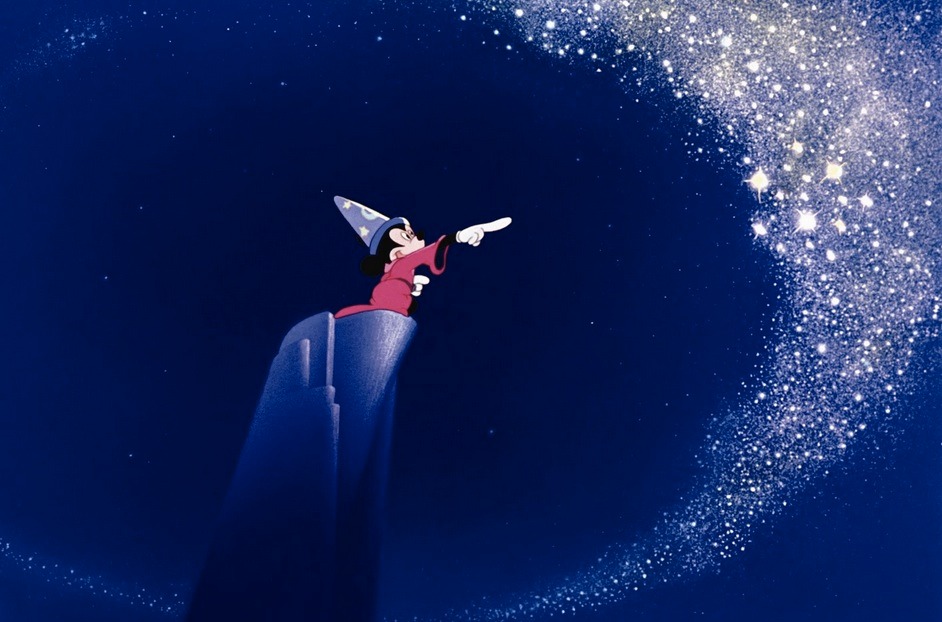
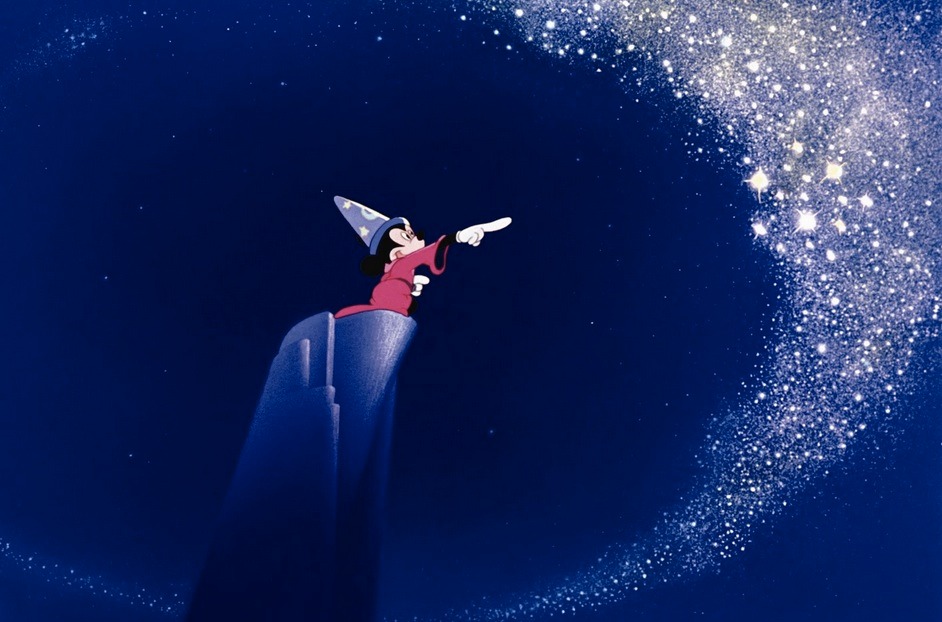
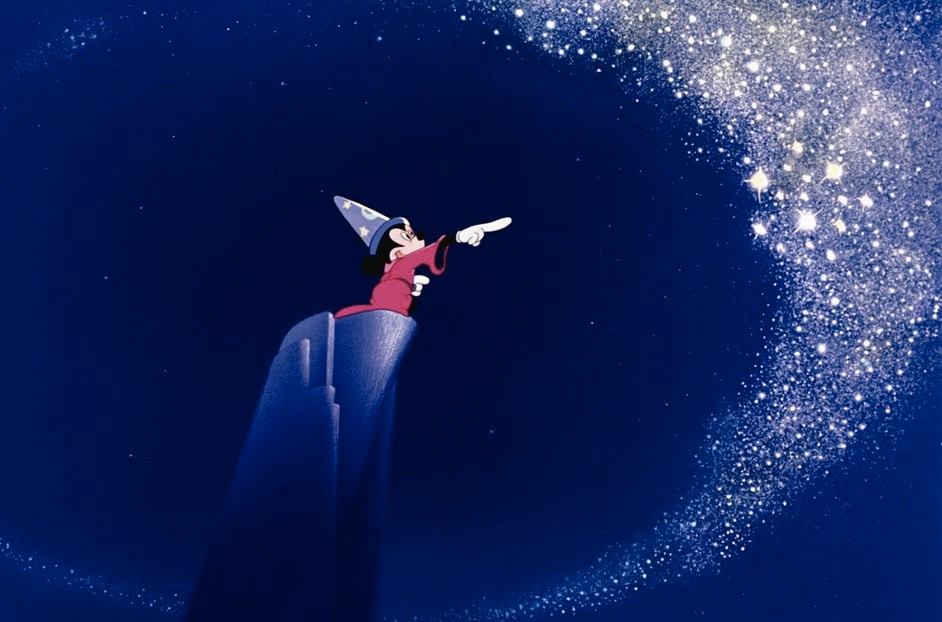
When we hear of Paul Dukas, we generally think of one thing: “The Sorcerer’s Apprentice.” And when we think of “The Sorcerer’s Apprentice,” we think of Mickey Mouse.
Dukas was an intensely self-critical artist, who wound up destroying most of his own works. Eventually he gave up composition altogether. Rather, like Shakespeare’s Prospero, he broke his staff and drowned his book to become a respected teacher of music, taking up posts at the Paris Conservatory and the École Normale de Musique. Among his students were Carlos Chávez, Maurice Duruflé, Olivier Messiaen, Manuel Ponce and Joaquin Rodrigo.
Would that this creator of such vivid, brilliantly orchestrated works had left us more. But since all anyone knows is “The Sorcerer’s Apprentice,” I suppose it hardly matters.
Here’s a suite from his rarely-heard opera, “Ariane et Barbe-Bleue,” after the Bluebeard story. Bluebeard, of course, is the fairy tale uxoricide whose castle rooms reveal increasingly horrible secrets. But since Dukas’ libretto was taken from a play by Maurice Maeterlinck – whose “Pelléas et Mélisande” Debussy was only just in the process of finishing up – there is less blood, and more layers of airy ambiguity. In fact, Maeterlinck essentially turns the tale on its head, making Ariane a pluckily resourceful, would-be liberator.
Arturo Toscanini conducts the NBC Symphony and Princeton’s own Westminster Choir:
“O mes clairs diamants” (“O my clear diamonds”):
Those expecting a darker, more disturbing, psychologically twisted account of the fairy story should stick with Bartók’s Bluebeard.
Zut alors! Look what I found! Silent film master Georges Méliès’ adaptation of Bluebeard:
How fortuitous that Paul Dukas would be born on October 1. What better way to start Halloween month than with the composer of “The Sorcerer’s Apprentice?”
Though Dukas left a comparatively small output – he was a notorious perfectionist who destroyed much – what survives of his music is of very high quality. Of that, he lends to his Halloween street cred with two other works of a fantastical, potentially horrific nature: an opera about Bluebeard and his sixth wife, and a so-called dance poem, “La Péri,” about a fatal encounter with a Persian fairy.
The music is fantastic in more ways than one. Happy birthday, Paul Dukas!
“La Péri”
His Bluebeard opera, “Ariane et Barbe-Bleue”
Mickey learns that a little knowledge is a dangerous thing:
Classical music lends itself well to fantasy. And fantasy lends itself perfectly to October, the month of Halloween.
Take the case of Paul Dukas, born on this date in 1865. Dukas composed an opera about Bluebeard and his sixth wife, and a so-called dance poem, “La Péri,” about a fatal encounter with a Persian fairy.
But far and away his most famous work is “The Sorcerer’s Apprentice,” after Goethe, who in turn based it on an ancient tale. It was that old wizard, Walt Disney, who did more for the piece than anyone else.
The music is fantastic in more ways than one. Happy birthday, Paul Dukas!
“La Péri”
His Bluebeard opera, “Ariane et Barbe-Bleue”
The world’s most beloved vermin as “The Sorcerer’s Apprentice”
Classical music lends itself well to fantasy. And fantasy lends itself very well to October, the month of Halloween.
Take the case of Paul Dukas, born on this date in 1865. Dukas composed an opera about Bluebeard and his sixth wife, and a so-called dance poem, “La Péri,” about a fatal encounter with a Persian fairy.
But far and away his most famous work is “The Sorcerer’s Apprentice,” after Goethe, who based it on an ancient tale. It was that old wizard, Walt Disney, who did more for the piece than anyone else.
The music is fantastic in more ways than one. Happy birthday, Paul Dukas!
“La Péri”
A production of “Ariane et Barbe-Bleue” from Lyon Opera