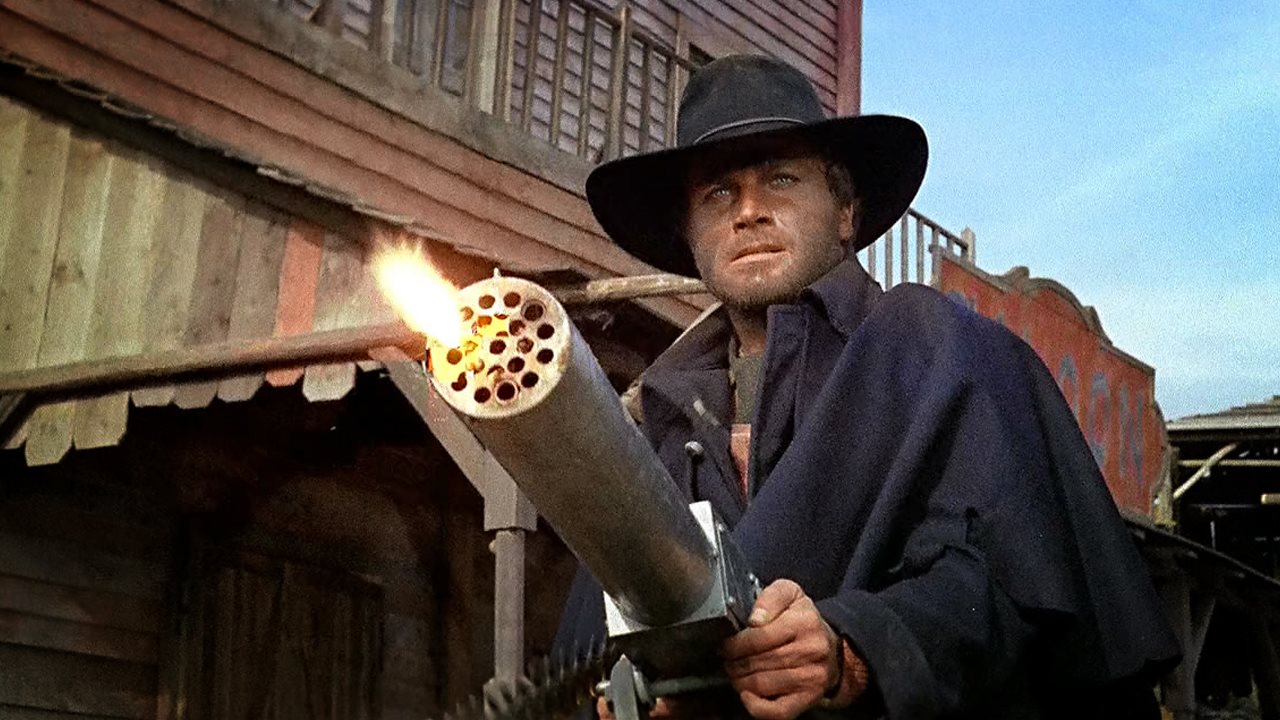
Film composer Luis Bacalov has died. Many of the obituaries I’m seeing lead off with the credit for his Oscar-winning work on “Il Postino;” some prefer to front-load Quentin Tarantino’s repurposing of his music for “Kill Bill” and “Django Unchained.” I prefer to remember Bacalov from the original spaghetti westerns, back in the day when Django was played by Franco Nero. R.I.P.
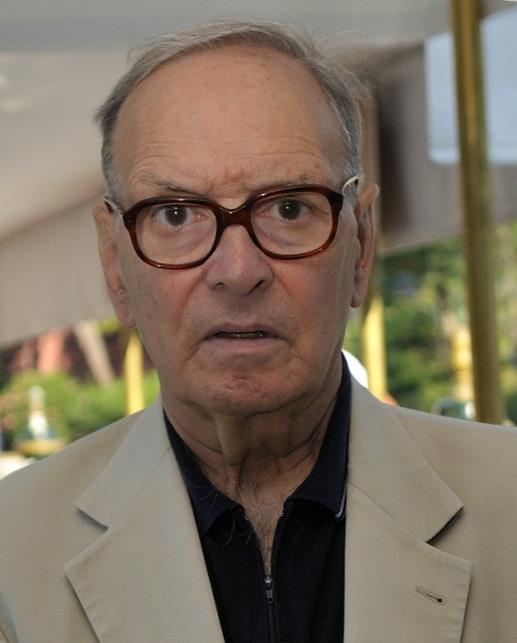
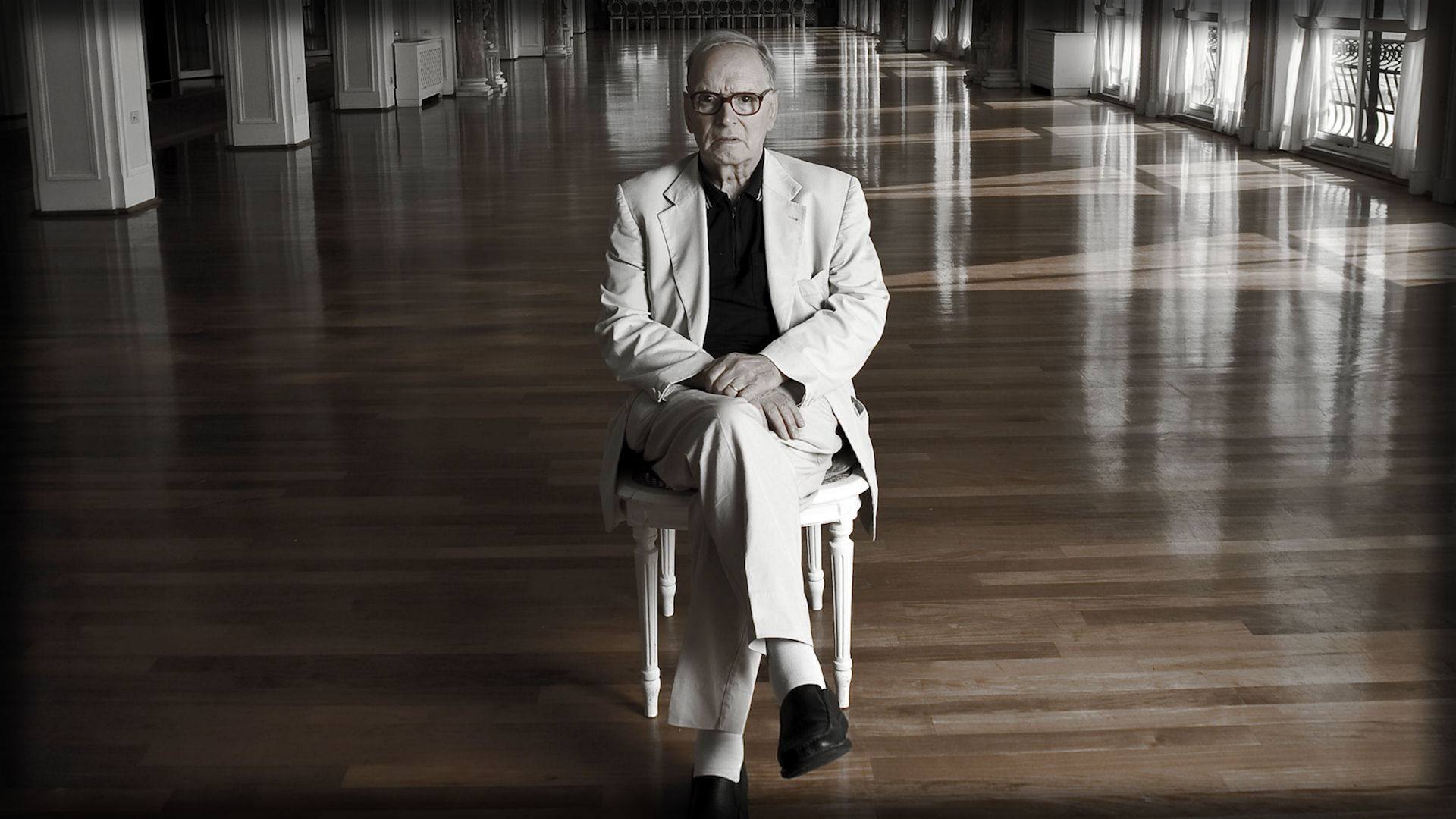
He’s written music for over 500 movies and television shows, making him the most prolific film composer of all time. He’s composed for movies of all quality, from schlock to Oscar fare. His music is constantly sampled and recycled in other films, especially those of Quentin Tarantino. The upcoming western, “The Hateful Eight,” scheduled for release in January, marks the first genuine collaboration between the two, with Morricone providing his first western score in forty years.
Of course, he virtually invented the spaghetti western sound, with its whistles, harmonicas, jew’s harps, whip cracks and indecipherable chanting choruses. His score for “The Good, the Bad and the Ugly” is among the most famous of all time. But he’s shown himself to be equally adept at a winning lyricism, as evidenced by his music for “The Mission” (another favorite of figure skaters) and “Cinema Paradiso.”
Morricone is one of those rare composers in the industry who does all of his own orchestrations. Somewhere along the way, he manages to write concert music, too.
Happy birthday, Ennio Morricone, 87 years old today.
Am I the only one who found Quentin Tarantino’s “Django Unchained” disappointing and gross? As you probably know, I love a good spaghetti western, but “Django” was neither especially good (for the first rate production values) nor very “spaghetti.” The unnecessarily bloody experience kind of dampened my enthusiasm for the forthcoming “The Hateful Eight,” despite that wonderful cast (and Kurt Russell’s absurd period facial hair).
However, I confess my interest has been rekindled, grudgingly, with the announcements that “The Hateful Eight” will be released on 70 mm FILM (as opposed to digital) and – most intriguingly – the film will be scored by the great Ennio Morricone.
Tarantino’s affection for Morricone’s music is evident, as he generally reuses something from the composer’s extensive output somewhere in his films, yet consistently he has been unable to coax an original score from The Master. That is, until now. Can Morricone, who is 86 years-old but still going amazingly strong, really be writing his first western score in 40 years? Even if I don’t see the movie, the soundtrack is definitely going on my wish list.