Happy Mother’s Day!
Perhaps it’s a good thing I am not a parent; otherwise I’d scare the bejesus out of my kids with stories from Karel Jaromir Erben’s “Kytice,” or “Bouquet.”
Like the Brothers Grimm in Germany, Erben synthesized native folk tales into often gruesome fairy stories. In doing so, he became an important figure in the establishment of a Czech national identity. His stories are recited by Czech schoolchildren and recalled proudly by the Czech people. Despite its influence, “Kytice” did not appear in a complete English translation until 2013.
Antonin Dvořák was particularly fond of Erben’s tales. In 1896, he composed a series of symphonic poems after Erben ballads, including “The Water Goblin,” “The Noon Witch” and “The Wood Dove.” Erben’s influence also hangs over Dvořák’s most famous opera, “Rusalka.”
This Sunday night on “The Lost Chord,” we salute Erben with two Dvořák works: the symphonic poem “The Golden Spinning Wheel,” and the final scene from the dramatic cantata “The Spectre’s Bride.”
“The Golden Spinning Wheel” is a Cinderella story gone very, very wrong, as a wicked stepmother and stepsister not only murder but dismember an unfortunate maiden favored by the king. Not to give too much away, but the titular appliance proves to be their undoing.
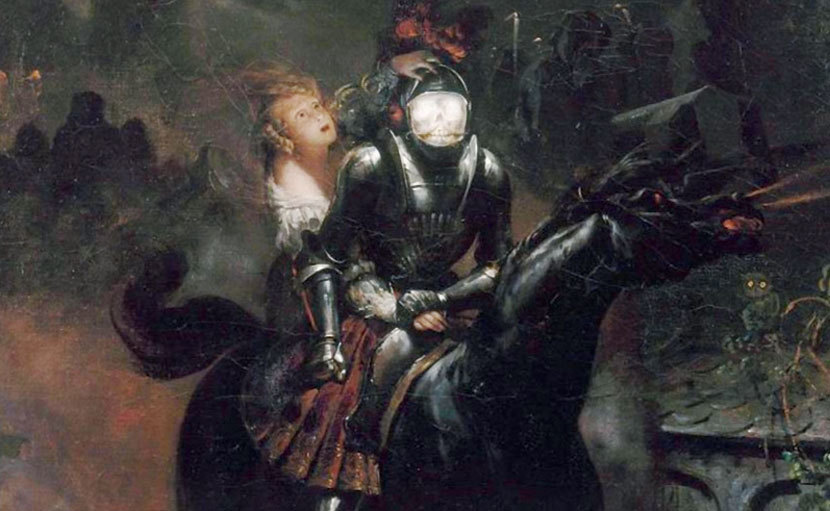
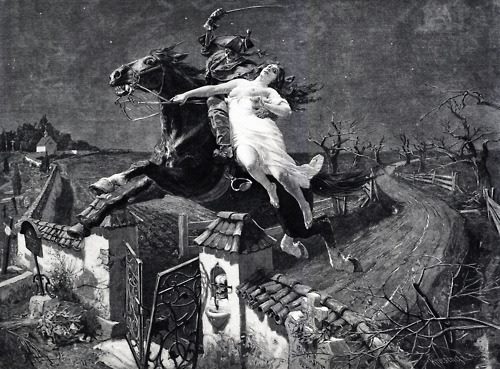
“The Spectre’s Bride” is another in the seemingly infinite variations on the tale of a young woman being swept off by the ghost of her lover. The climax of Dvořák’s cantata places the heroine in a cottage besieged by howling spirits, as a corpse on the table, prepared for burial, stirs to do their bidding.
It’s not exactly “Songs My Mother Taught Me.” Join me, if you dare, for “Erben Legends,” as we celebrate Karel Jaromir Erben on Mother’s Day, this Sunday night at 10:00 EDT on WWFM The Classical Network and wwfm.org.
For Mom
For violin