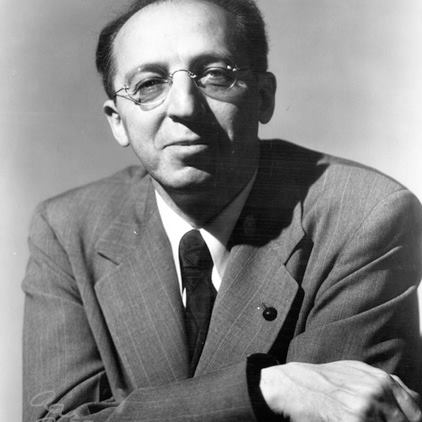
If you want to work in Hollywood, you’ve got to expect once in a while somebody’s going to mess with your things – even if you’re a Pulitzer Prize winner, lauded as the “Dean of American composers.”
Aaron Copland was not very happy when his music for “The Heiress” was chopped to ribbons, dialed down and rescored without his approval.
This week on “Picture Perfect,” on Copland’s birthday anniversary, we’ll hear a suite from “The Heiress,” with the main title music restored by Arnold Freed in 1990 to what the composer originally intended.
William Wyler (“Wuthering Heights,” “Friendly Persuasion,” “The Big Country,” “Ben-Hur”) was a brilliant director, but he had a tin ear. His films consistently sported the best scores of their era, and yet he mostly underappreciated, if not outright disliked them.
“The Heiress” was made fresh off Wyler’s runaway success with “The Best Years of Our Lives.” The film, based on Henry James’ “Washington Square,” was nominated for eight Academy Awards, winning four, including Oscars for Olivia De Havilland and for Copland’s score, which is so strong it manages to maintain its integrity despite all of the studio tinkering.
Wyler insisted Copland work the song “Plaisir d’amour” into the fabric of his music, which he artfully did in three cues. But that wasn’t good enough. Without his knowledge, the main title was replaced with a garish arrangement of “Plaisir,” which was also looped in for some of the love music. André Previn, in 1949 already one of Hollywood’s bright young talents, likened the return of Copland’s original thoughts following the interpolations to “suddenly finding a diamond in a can of Heinz beans.”
When Copland’s contribution was recognized by the Academy, it was the only instance up to that time of a score being honored after being shorn of its main title, the part of a score that generally makes the biggest impression. Copland never bothered to collect his award. “The Heiress” would be the last time he would work in Hollywood.
He did compose one more film score, however, for the 1961 independent film, “Something Wild,” which contains some of his most insistently non-commercial music. Occasionally brutal and often thrilling, its character is worlds away from the pastoral tranquility of “Appalachian Spring.” It’s a brilliant piece of work, yet it did not receive a commercial release until 2003.
Copland’s music for “Our Town” and “The Red Pony” is fairly well-known, thanks to the widely performed and recorded concert suites. We’ll focus on lesser-heard music from “The Heiress” and “Something Wild,” as well as from the controversial pro-Soviet film “The North Star,” and even a little bit from the 1939 World’s Fair documentary “The City.”
It’s a cinematic birthday cake for Aaron Copland, on “Picture Perfect,” music for the movies, now in syndication on KWAX, the radio station of the University of Oregon!
——–
Clip and save the start times for all three of my recorded shows:
PICTURE PERFECT, the movie music show – Friday at 8:00 PM EST/5:00 PM PST
SWEETNESS AND LIGHT, the light music program – Saturday at 11:00 AM EST/8:00 AM PST
THE LOST CHORD, unusual and neglected rep – Saturday at 7:00 PM EST/4:00 PM PST
Stream them, wherever you are, at the link!
https://kwax.uoregon.edu/
Tag: The Heiress
-
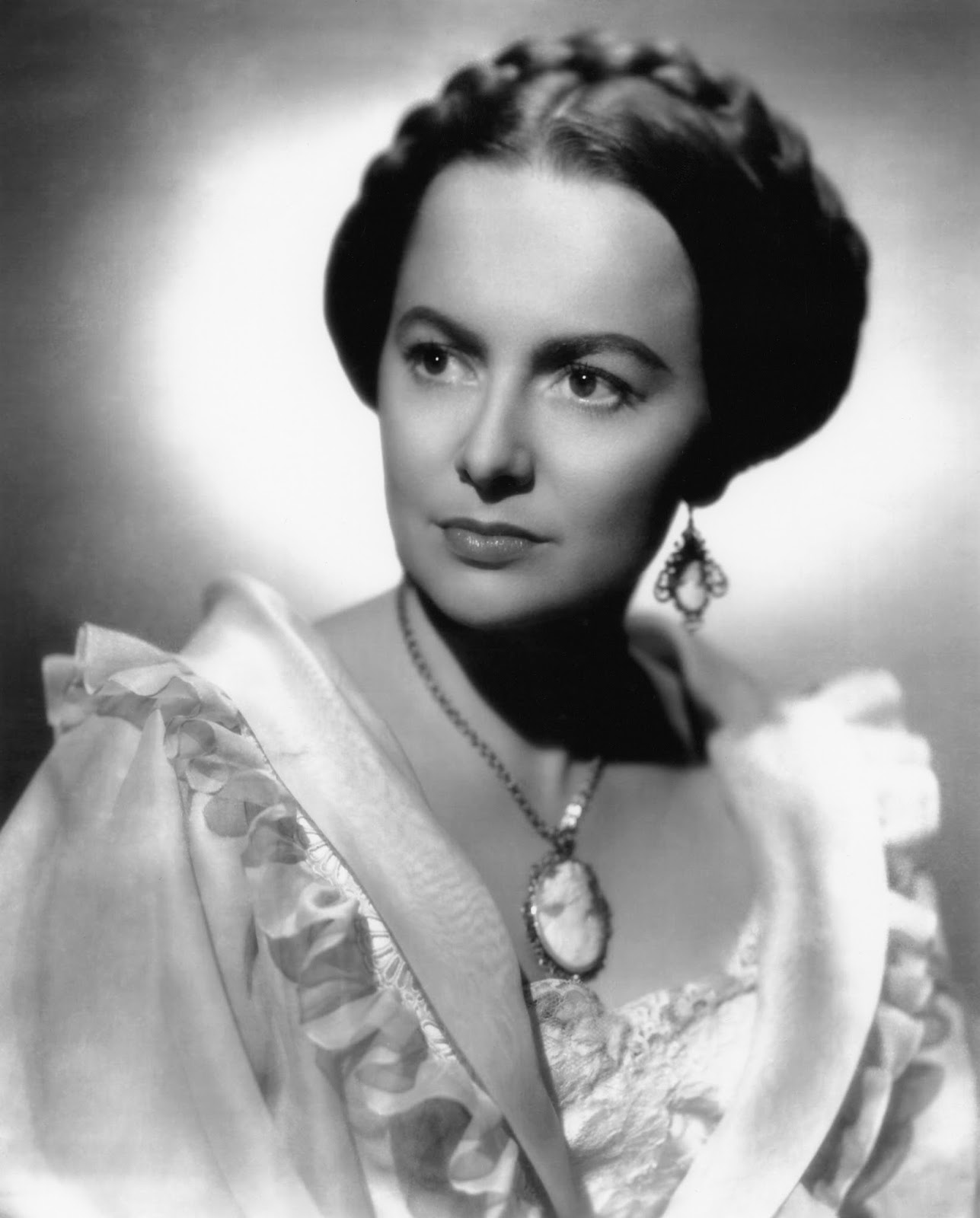
Olivia de Havilland Heiress Birthday
Olivia de Havilland is 104 today. In her honor, here’s a suite from Aaron Copland’s score to “The Heiress,” a film for which De Havilland won her second Academy Award in 1950. (Copland won too.) Happy birthday!
-

Copland’s Hollywood Struggles & Triumphs
The star-spangled glare of American music doesn’t just end with the Fourth of July fireworks. This week, on “Picture Perfect,” we’ll bask in the pyrotechnic after-glow of Independence Day with an hour of film music by Aaron Copland.
Despite his reputation as the “Dean of American Composers,” and the eventual acceptance into concert halls of his film music classics “Our Town” and “The Red Pony,” Copland’s experiences in Hollywood were not all peaches and cream. After all, if you want to work in the film industry, you’ve got to expect that once in a while somebody’s going to mess with your work, even if you’re a Pulitzer Prize winner.
In particular Copland was not very happy with what they did to his music for “The Heiress.” Carefully-crafted cues were chopped to ribbons, dialed down and rescored without his approval. William Wyler (“Wuthering Heights,” “Friendly Persuasion,” “The Big Country,” “Ben-Hur”) was a brilliant director, but he must have had a tin ear. His films consistently sported some of the best scores of their respective eras, and yet he mostly underappreciated, if not outright disliked, their music.
“The Heiress” was made fresh off of Wyler’s runaway success with “The Best Years of Our Lives.” The film, based on Henry James’ “Washington Square,” was nominated for eight Academy Awards. It won four, including Oscars for Olivia De Havilland and for Copland’s score, which is so strong it manages to maintain its integrity despite all of the studio tinkering.
Wyler insisted Copland work the song “Plaisir d’Amour” into the fabric of his music, which he artfully did in three cues. But that wasn’t good enough. Without Copland’s knowledge, the main title was replaced with a garish arrangement of “Plaisir,” which was also looped in for some of the love music. André Previn, in 1949 already one of Hollywood’s bright young talents, likened the return of Copland’s original thoughts following these interpolations to “suddenly finding a diamond in a can of Heinz beans.”
When Copland’s contribution was recognized by the Academy, it was the only instance up to that time of a score being honored after being shorn of its main title, the part of a score that generally makes the biggest impression. Copland never bothered to collect his award. “The Heiress” would be the last time he would work in Hollywood.
He did compose one more film score, however, for the 1961 independent film, “Something Wild,” which contains some of his most insistently non-commercial music. Occasionally brutal and often thrilling, its character is worlds away from the pastoral tranquility of “Appalachian Spring.” It’s a brilliant piece of work, yet it did not receive a commercial release until 2003.
We’ll sample music from these two underappreciated classics, as well as from the controversial pro-Soviet film “The North Star;” also a bit from the 1939 World’s Fair documentary “The City.”
Extend your holiday weekend with a cold cone of Aaron Copland classics on “Picture Perfect,” music for the movies, this Friday evening at 6:00 EDT, on WWFM – The Classical Network and wwfm.org.
-
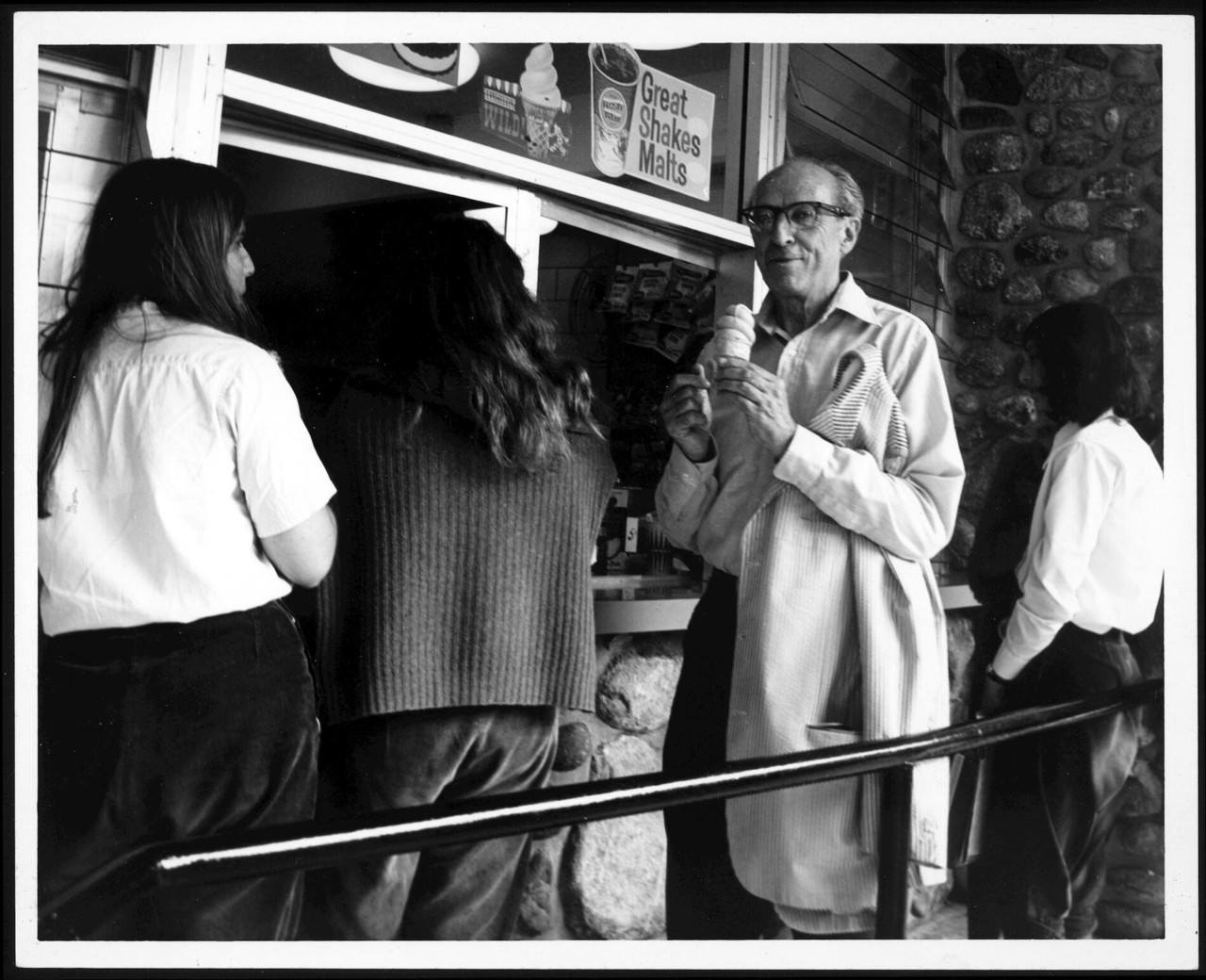
Copland’s Hollywood Ice Cream Social
Life isn’t so bad when there’s ice cream.
Perhaps that was what was going through Aaron Copland’s head, decades after getting jerked around by Hollywood. After all, if you want to work in the film industry, you’ve got to expect that once in a while somebody’s going to mess with your things – even if you’re a Pulitzer Prize winner, lauded as the “Dean of American composers.”
Copland was not very happy when his music for “The Heiress” was chopped to ribbons, dialed down and rescored without his approval. William Wyler (“Wuthering Heights,” “Friendly Persuasion,” “The Big Country,” “Ben-Hur”) was a brilliant director, but he had a tin ear. His films consistently sported the best scores of their era, and yet he mostly underappreciated, if not outright disliked, the music.
“The Heiress” was made fresh off Wyler’s runaway success with “The Best Years of Our Lives.” The film, based on Henry James’ “Washington Square,” was nominated for eight Academy Awards, winning four, including Oscars for Olivia De Havilland and for Copland’s score, which is so strong it manages to maintain its integrity despite all of the studio tinkering.
Wyler insisted Copland work the song “Plaisir d’Amour” into the fabric of his music, which he artfully did in three cues. But that wasn’t good enough. Without Copland’s knowledge, the main title was replaced with a garish arrangement of “Plaisir,” which was also looped in for some of the love music. André Previn, in 1949 already one of Hollywood’s bright young talents, likened the return of Copland’s original thoughts following these interpolations to “suddenly finding a diamond in a can of Heinz beans.”
When Copland’s contribution was recognized by the Academy, it was the only instance up to that time of a score being honored after being shorn of its main title, the part of a score that generally makes the biggest impression. Copland never bothered to collect his award. “The Heiress” would be the last time he would work in Hollywood.
He did compose one more film score, however, for the 1961 independent film, “Something Wild,” which contains some of his most insistently non-commercial music. Occasionally brutal and often thrilling, its character is worlds away from the pastoral tranquility of “Appalachian Spring.” It’s a brilliant piece of work, yet it did not receive a commercial release until 2003.
This week on “Picture Perfect,” we’ll sample music from “The Heiress” and “Something Wild,” as well as from the controversial pro-Soviet film “The North Star.” We’ll even hear a little bit from the 1939 World’s Fair documentary “The City.”
Get your Labor Day weekend off to a good start with a cold cone of Aaron Copland classics, this Friday evening at 6:00 EDT, on WWFM – The Classical Network and wwfm.org.
-
Gilded Age Novels in Film: Picture Perfect
“The Gilded Age” was a term coined by none other than Mark Twain to describe the era extending roughly from the end of Reconstruction (following the Civil War) to the turn of the 20th century. He didn’t mean it as a compliment. A gilded age is one which conceals serious social problems beneath a veneer of gold. This week on “Picture Perfect,” we have an hour of music from films based on novels of, or about, the period.
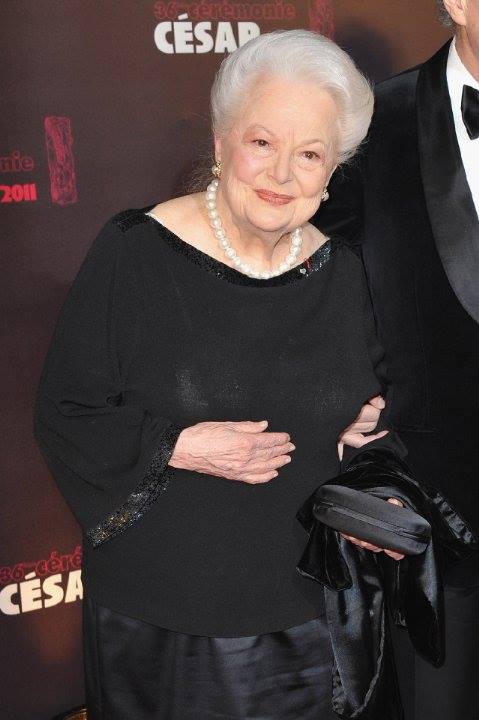
“The Heiress” (1949) is based on a play by Ruth and Augustus Goetz, which in turn was adapted from Henry James’ novel, “Washington Square.” Olivia De Havilland is the “plain Jane” heiress of the title, Ralph Richardson her overbearing father, and Montgomery Clift, the adventurer who may or may not be out for her fortune. De Havilland (100 years-old today!) won an Oscar for her portrayal, as did the music, by Aaron Copland.
“The Age of Innocence” (1993) is based on a novel by one-time James correspondent and close friend, Edith Wharton. The book was published in 1920, but looks back to the 1870s, its story dealing with the impending marriage of an upper class couple and the appearance of a disreputable interloper who threatens their happiness. The title is an ironic play on the outward manners of New York society, in contrast to its inward machinations. The novel earned a Pulitzer Prize, the first Pulitzer awarded to a woman.
The film, which starred Daniel Day-Lewis, Michelle Pfeiffer and Wynona Rider, was something of a curve ball from director Martin Scorsese. Veteran composer Elmer Bernstein provided a lovely, Brahmsian score.
“The Magnificent Ambersons” (1942) is based on another Pultizer Prize winner, this time by Booth Tarkington, from 1918. The novel is part of trilogy that tells the story of the declining fortunes of three generations of an aristocratic Midwestern family, between the end of the Civil War and the early years of the 20th century. With industrialism on the rise, the Ambersons’ “old money” wealth and prestige wane.
“Ambersons” became the basis for only the second film directed by Orson Welles. By that time, however, the fall-out from “Citizen Kane” caused the film to be removed from Welles’ control and re-cut by the studio, shaving a full hour off the original running time. It says something about the quality of the film that it yet remains in itself a magnificent achievement.
The score was by Bernard Herrmann, CBS staff composer from Welles’ radio days. Herrmann had followed Welles to Hollywood to provide the music for “Citizen Kane.” Like the film, the score was drastically edited, with half the music removed. The famously irascible Herrmann, who had just written his Academy Award winning music for “The Devil and Daniel Webster,” was so angry that he threatened legal action if his name was not removed from the credits.
The action of “Mr. Skeffington” (1944), based on a 1940 novel by Elizabeth van Arnim, begins at a point some consider the end of the Gilded Age, the eve of World War I. Bette Davis stars as a woman so enamored of her own beauty and the suitors it attracts that she fails to value the affections of the man who eventually becomes her husband. Mr. Skeffington, played by Claude Rains, is a Jewish financier, riding high in the ‘teens, but whose fortunes change when he’s caught in Europe during the rise of the Nazis.
Both Davis and Rains earned Academy Award nominations for their work. The vivid score is by Franz Waxman. Davis was going through a period of emotional turmoil during the filming, so that she was allegedly insufferable to everyone during the entire shoot. Someone finally poisoned her eyewash. When the police questioned the director, Vincent Sherman, he wished them good luck with their investigation. “If you asked everyone on the set who would have committed such a thing, everyone would raise their hand!”
Clearly all that glitters is not gold. We peel back the veneer of prosperity with “Novels of the Gilded Age,” on “Picture Perfect,” this Friday evening at 6 EDT, on WWFM – The Classical Network; or listen to it later as a webcast at wwfm.org.
Olivia de Havilland receives her Oscar for “The Heiress,” with the orchestra playing a few bars of Aaron Copland’s score:
#OliviaDeHavilland 100
PHOTOS: (Clockwise from left) Olivia de Havilland today; in “The Heiress;” and with her Oscar in 1950
Tag Cloud
Aaron Copland (94) Beethoven (95) Composer (114) Film Music (148) Film Score (143) Film Scores (255) Halloween (97) John Williams (196) KWAX (232) Leonard Bernstein (105) Marlboro Music Festival (125) Movie Music (163) Mozart (91) Opera (215) Philadelphia Orchestra (90) Picture Perfect (174) Princeton Symphony Orchestra (110) Radio (90) Ross Amico (244) Roy's Tie-Dye Sci-Fi Corner (290) The Classical Network (101) The Lost Chord (269) Vaughan Williams (107) WPRB (397) WWFM (881)