Tag: The Nutcracker

  • E.T.A. Hoffmann Birthday: Madness & Inspiration

    E.T.A. Hoffmann Birthday: Madness & Inspiration

    Today is the birthday of E.T.A. Hoffman (1776-1822), and what a good day for it! Mid-winter is the perfect time to enjoy Hoffmann’s tales of madness and obsession.

    Not only was Hoffmann a seminal author of dark fantasy and horror, he was also a jurist, a draftsman, a caricaturist, and of course a composer and music critic.

    Well, perhaps I shouldn’t say “of course.” Hoffmann is most famous for his writings, and justifiably so. None of his musical compositions have attained anything like repertoire status. However he did manage to turn out a lovely Harp Quintet, and his opera, about the water spirit “Undine,” certainly shows promise, though given the source – after all, he was the author of “The Sandman” and “Mademoiselle de Scuderi” – it is a mite disappointing.

    Perhaps that’s the viewpoint of someone looking back from a more jaded era, when the fantastic is routinely hammered home in all its CGI vulgarity. By contrast, Hoffmann’s tales are dream-like and insinuating in ways that still have the power to haunt across the centuries.

    Musically, from our perspective, Hoffmann is perhaps more important for having inspired other, more enduring composers, who wrote works like “Coppelia” (Delibes), “The Nutcracker” (Tchaikovsky) and of course “The Tales of Hoffmann” (Offenbach). Even so, these works seldom reflect the spirit of Hoffmann’s originals.

    Of the Romantics, surprisingly, only Robert Schumann seems to have really got it. You can really hear how Hoffmann got into his head in works like “Kreisleriana” and the “Nachtstücke.” But Schumann was perhaps one step away from “Sandman” material anyway.

    Hoffmann’s tales have had a more palpable influence on 19th century literature, firing the creative imaginations of writers from Dostoyevsky to Dumas to (least surprisingly) Edgar Allan Poe.

    If all you know is “The Nutcracker” or the Offenbach opera, you don’t really know Hoffmann. Though Tchaikovsky had an intuitive grasp of the idiom, he was working from a watered down adaptation by Dumas. It took Maurice Sendak to bring the story back to its roots.

    Sadly, Pacific Northwest Ballet discontinued its annual presentations of this gutsy production. Apparently, it was too freaky for audiences expecting to be spoon-fed sugar plums. Instead the company has taken up the insipid Balanchine version, which inexplicably thrives like fungus on a fruitcake. Is this really the same artist who choreographed “Agon?”

    Fortunately, the PNB Sendak version was made into a feature film in 1986.

    This is a “Nutcracker” that will put hair on your chest.

    Anyway, “The Nutcracker, “The Tales of Hoffmann,” and especially “Coppelia” are almost like children’s book versions of the originals. If you have a taste for such things, you owe it to yourself to at least read “The Sandman.” Here it is, though it’s really not the kind of story you should read off of a computer:

    https://germanstories.vcu.edu/hoffmann/sand_e.html

    Happy birthday, E.T.A. Hoffmann!


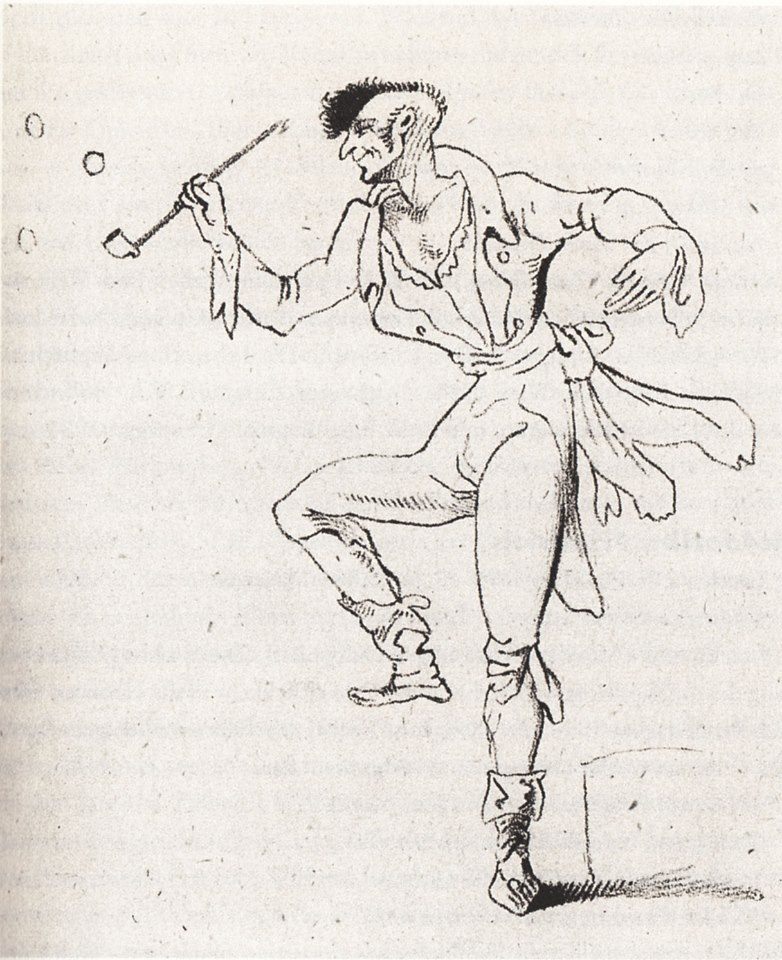
    IMAGE: One of Hoffmann’s most famous creations, Kapellmeister Kreisler, sporting a rad haircut and blowing bubbles
  • Christmas Classical Music on WRTI & WWFM

    Christmas Classical Music on WRTI & WWFM

    Can it already be this close to Christmas? I guess it is. Today will mark my final two live air shifts before the Christmas holiday.

    I hope you’ll join me on WRTI in Philadelphia at 90.1 FM and wrti.org, as I’ll be seated under the mistletoe from 10 am. to 2 p.m. Among the works I’ll be presenting will be Antonio Vivaldi’s OTHER “Gloria” (RV 588), one of Robert Russell Bennett’s splashy suites from “The Many Moods of Christmas,” and a complete recording of Tchaikovsky’s “The Nutcracker.” I’m not sure if there will be any time left over for me to add anything of my own, but hey, any opportunity to actually sit and listen to a complete “Nutcracker” is fine by me.

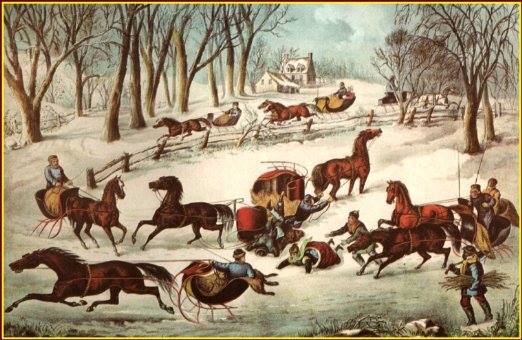
    Then I ride the Polar Express to the Trenton-Princeton area, where I’ll pick my own music, on WWFM The Classical Network at 89.1 FM and wwfm.org, from 4 to 6 p.m. I’ll keep it fairly light today with Leopold Mozart’s “Musical Sleigh-Ride,” in that wacky recording by the Eduard Melkus Ensemble, with all the rowdy dogs and horses, and John Rutter’s work for children’s chorus and harp, “Dancing Day,” kind of a companion piece to Benjamin Britten’s “A Ceremony of Carols.” It’s probably safe to assume there will be some more English music, as well.

    Then at 6:00, on WWFM, I’ll be your host for “Picture Perfect,” when the focus will be on music from Christmas television specials that were originally broadcast from the 1950s through the 1980s. I’ll write a little more about it, here, as the time draws nigh.

    And don’t forget “The Lost Chord,” my syndicated program of unusual and neglected repertoire. It airs on WWFM on Christmas night, this week at 11 p.m., in order to make room for a broadcast of Handel’s “Messiah” from Trinity Wall Street at 8. On the program will be Hubert Parry’s “Ode on the Nativity” and Ralph Vaughan Williams’ very last work, “The First Nowell.”

    Merry Christmas, everyone, and happy listening!

  • Goodyear’s Nutcracker a Solo Piano Treat

    Goodyear’s Nutcracker a Solo Piano Treat

    Capturing the essence of one of Tchaikovsky’s most colorful scores on a single instrument might seem like a tough nut to crack. But it was a prerequisite for pianist Stewart Goodyear if he was going to undertake something as ambitious as “The Nutcracker.”

    “I first transcribed the march for the CBC in Toronto, and I was delighted by the experience,” he says. “And then I looked at the entire full score to see if it would be just as pianistic, and to my happiness it was. It took me two years just going through the score, because I wanted to be very faithful to everything that Tchaikovsky wrote.”

    His 2015 recording of “The Nutcracker,” issued by Steinway & Sons, was selected by the New York Times as one of the best classical music recordings of the year. Now, like a Herr Drosselmeyer of the keyboard, Goodyear will unpack his portmanteau of musical enchantments at McCarter Theatre Center tonight at 8 p.m.

    As luck would have it, McCarter will also be collaborating with the New Jersey Symphony Orchestra tonight at 7:30 p.m. George Manahan will conduct members of the orchestra and the Montclair State University Singers in Handel’s holiday juggernaut, “Messiah,” across town at Richardson Auditorium. Soloists will include Patricia Schuman, soprano; Mary Phillips, mezzo-soprano; Ryan MacPherson, tenor; David Pittsinger, bass-baritone.

    Music-lovers will have the option of enjoying Handel’s monumental rendering of the life of Christ, deployed by chorus and orchestra, or the more secular pleasures of Tchaikovsky’s confectionary ballet expressed intimately on a single instrument.

    Read more about it in my article in today’s Trenton Times:

    http://www.nj.com/times-entertainment/index.ssf/2016/12/classical_music_stewart_goodye.html

  • E.T.A. Hoffmann: Madness & the Birth of Dark Fantasy

    E.T.A. Hoffmann: Madness & the Birth of Dark Fantasy

    Today is the birthday of E.T.A. Hoffman (1776-1822), and what a good day for it! Mid-winter is the perfect time to enjoy Hoffmann’s tales of madness and obsession.

    Not only was Hoffmann a seminal author of dark fantasy and horror, he was also a jurist, a draftsman, a caricaturist, and of course a composer and music critic.

    Well, perhaps I shouldn’t say “of course.” Hoffmann is most famous for his writings, and justifiably so. None of his musical compositions have attained anything like repertoire status. However he did manage to turn out a lovely Harp Quintet, and his opera, about the water spirit “Undine,” certainly shows promise, though given the source – after all, he was the author of “The Sandman” and “Mademoiselle de Scuderi” – it is a mite disappointing.

    Perhaps that is the viewpoint of someone looking back from a more jaded era, when the fantastic is routinely hammered home in all its CGI vulgarity. By contrast, Hoffmann’s tales are dream-like and insinuating in ways that still have the power to haunt across the centuries.

    Musically, from our perspective, Hoffmann is perhaps more important for having inspired other, more enduring composers, who wrote works like “Coppelia” (Delibes), “The Nutcracker” (Tchaikovsky) and of course “The Tales of Hoffmann” (Offenbach). Even so, these works seldom reflect the spirit of Hoffmann’s originals.

    Of the Romantics, surprisingly, only Robert Schumann seems to have really got it. You can really hear how Hoffmann got into his head in works like “Kreisleriana” and the “Nachtstücke.” But Schumann was perhaps one step away from “Sandman” material anyway.

    Hoffmann’s tales have had a more palpable influence on 19th century literature, firing the creative imagination of writers from Dostoyevsky to Dumas to (least surprisingly) Edgar Allan Poe.

    If all you know is “The Nutcracker” or the Offenbach opera, you don’t really know Hoffmann. Though Tchaikovsky had an intuitive grasp of the idiom, he was working from a watered down adaptation by Dumas. It took Maurice Sendak to bring the story back to its roots.

    Sadly, I just learned via Google that Pacific Northwest Ballet has just concluded its final run of this gutsy production. Apparently, it was too freaky for audiences expecting to be spoon-fed sugar plums, so next season the company will take up the insipid Balanchine version, which inexplicably thrives like fungus on a fruitcake. Is this really the same artist who choreographed “Agon?”

    http://seattletimes.com/html/thearts/2022886565_pnbseasonannouncementxml.html

    Fortunately, the PNB Sendak version was made into a feature film in 1986.

    This is a “Nutcracker” that will put hair on your chest.

    Anyway, “The Nutcracker, “The Tales of Hoffmann,” and especially “Coppelia” are almost like children’s book versions of the originals. If you have a taste for such things, you owe it to yourself to at least read “The Sandman.” Here it is, though it’s really not the kind of story you should read off of a computer:

    http://www.gutenberg.org/files/32046/32046-h/32046-h.htm#sandman

    Happy birthday, E.T.A. Hoffmann!

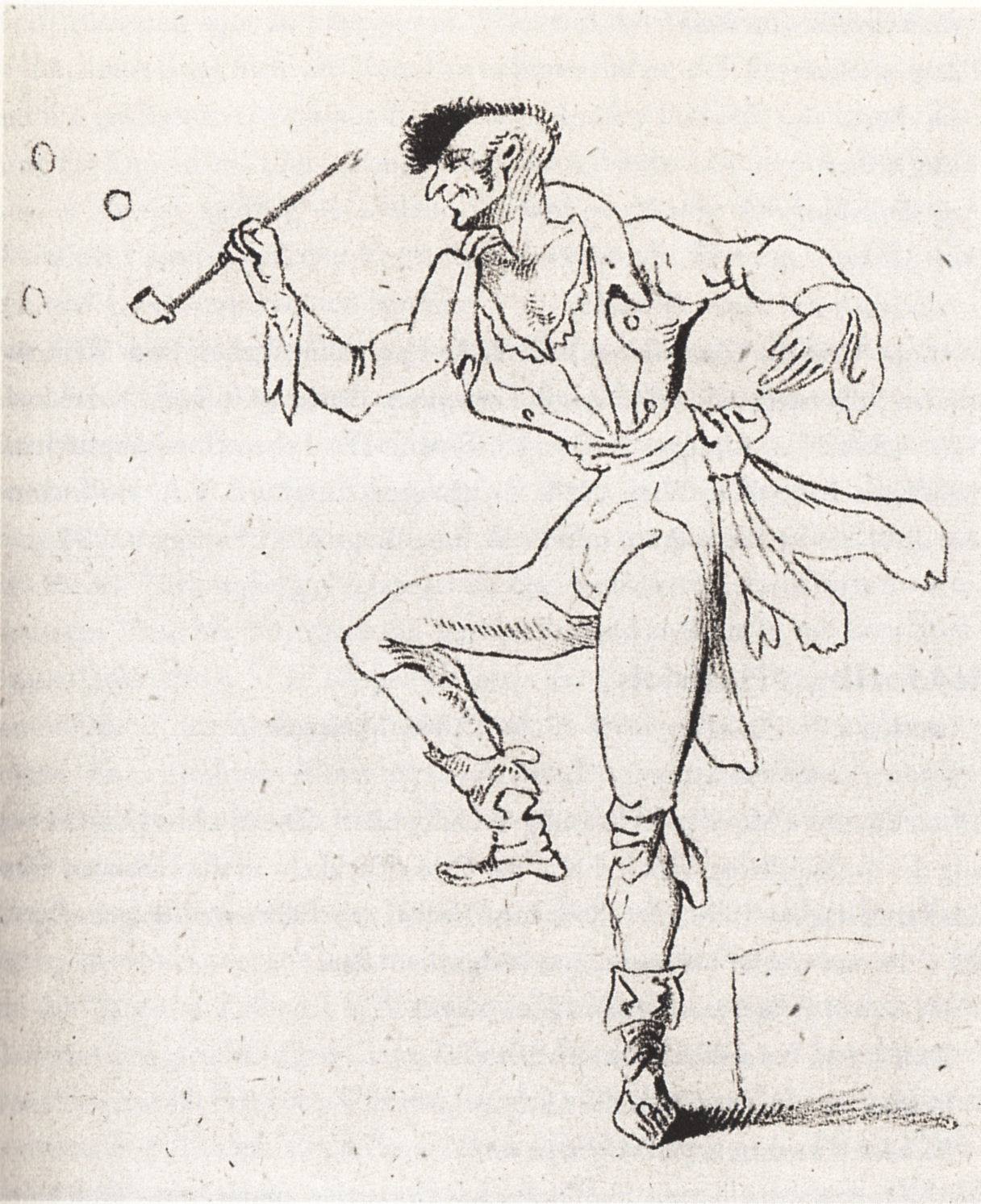
    PHOTO: One of Hoffmann’s most famous creations, Kapellmeister Kreisler, sporting a rad haircut and blowing bubbles
Tag Cloud

Aaron Copland (92) Beethoven (95) Composer (114) Film Music (119) Film Score (143) Film Scores (255) Halloween (94) John Williams (185) KWAX (229) Leonard Bernstein (99) Marlboro Music Festival (125) Movie Music (134) Opera (198) Philadelphia Orchestra (86) Picture Perfect (174) Princeton Symphony Orchestra (106) Radio (87) Ralph Vaughan Williams (85) Ross Amico (244) Roy's Tie-Dye Sci-Fi Corner (290) The Classical Network (101) The Lost Chord (268) Vaughan Williams (102) WPRB (396) WWFM (881)

DON’T MISS A BEAT

Receive a weekly digest every Sunday at noon by signing up here


RECENT POSTS