Tag: The Untouchables

  • G-Men Movie Music Hoover Untouchables

    G-Men Movie Music Hoover Untouchables

    Fidelity. Bravery. Integrity.

    This week on “Picture Perfect,” special agents of the United States government flex their muscle, ideally in the service of truth, justice, and the American way.

    35 years before Clint Eastwood’s “J. Edgar,” low-budget director Larry Cohen was stirring controversy with “The Private Files of J. Edgar Hoover” (1977). The film was screened at the Kennedy Center, where it was criticized by Republicans and Democrats alike for its dark depiction of American politics, and for its portrayals of Presidents Franklin Delano Roosevelt and Richard Nixon. It went on to receive a limited theatrical release, and then quietly disappeared to television, and later, video.

    Broderick Crawford plays the title role, as the ruthless FBI director, who had died only a few years before, and still elicited strong feelings on the part of many Americas.

    The music was by Miklós Rózsa, who returned to the hardboiled syntax of the crime dramas he had scored largely during the 1940s.

    Leonardo DiCaprio played Hoover in Eastwoord’s “J. Edgar.” But he’s on the other side of the law in the Steven Spielberg film, “Catch Me If You Can” (2002), based on the real-life exploits of the chameleonic Frank Abagnale. Before his 19th birthday, Abagnale managed to successfully pull a series of cons worth millions of dollars, along the way, posing convincingly as a pilot, a doctor, and a lawyer.

    Tom Hanks plays bank fraud agent Carl Hanratty, who develops an unusual relationship with the precocious con artist, as the light-hearted cat-and-mouse thriller unfolds.

    John Williams wrote the intimate and jazzy score, a throw-back to caper films of the 1960s.

    In one of Alfred Hitchcock’s best-loved thrillers, “North by Northwest” (1959), Cary Grant plays a Madison Avenue advertising man who, through a case of mistaken identity, gets sucked into a plot of international intrigue. He’s eventually enlisted by the F.B.I., and he and Eva Marie Saint famously find themselves scaling Mount Rushmore.

    Bernard Herrmann wrote the music, propelling the action with a lively fandango.

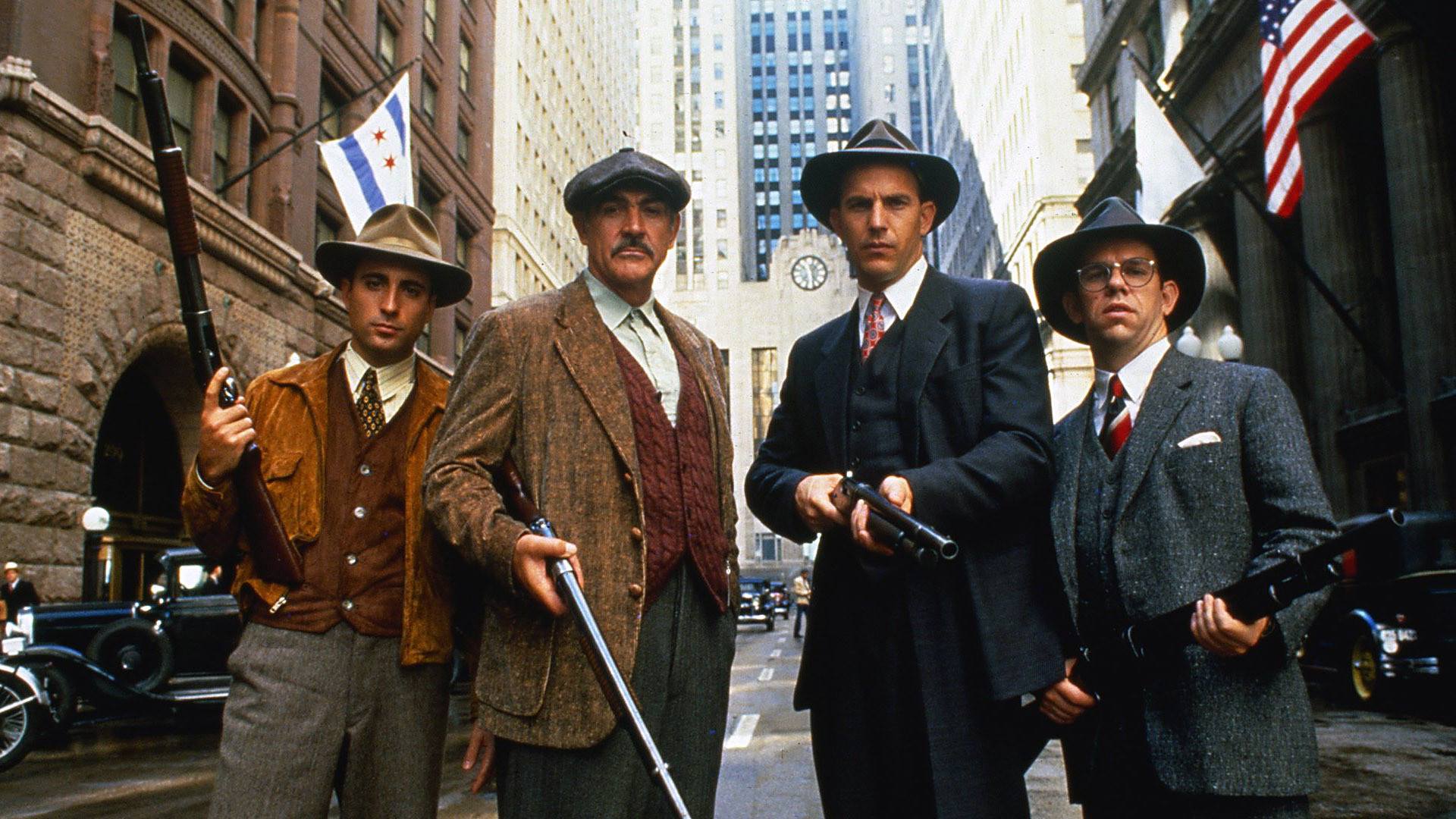
    Hoover was not a fan of Eliot Ness, and made it clear that, although he was a federal employee – as a member of the Treasury Department and the Prohibition Bureau (an offshoot of the Internal Revenue Service) – Ness was not part of the Federal Bureau of Investigation.

    Nonetheless, his fame was at least as great as Hoover’s, as he was credited with busting up the Chicago crime ring and taking down its kingpin, Al Capone.

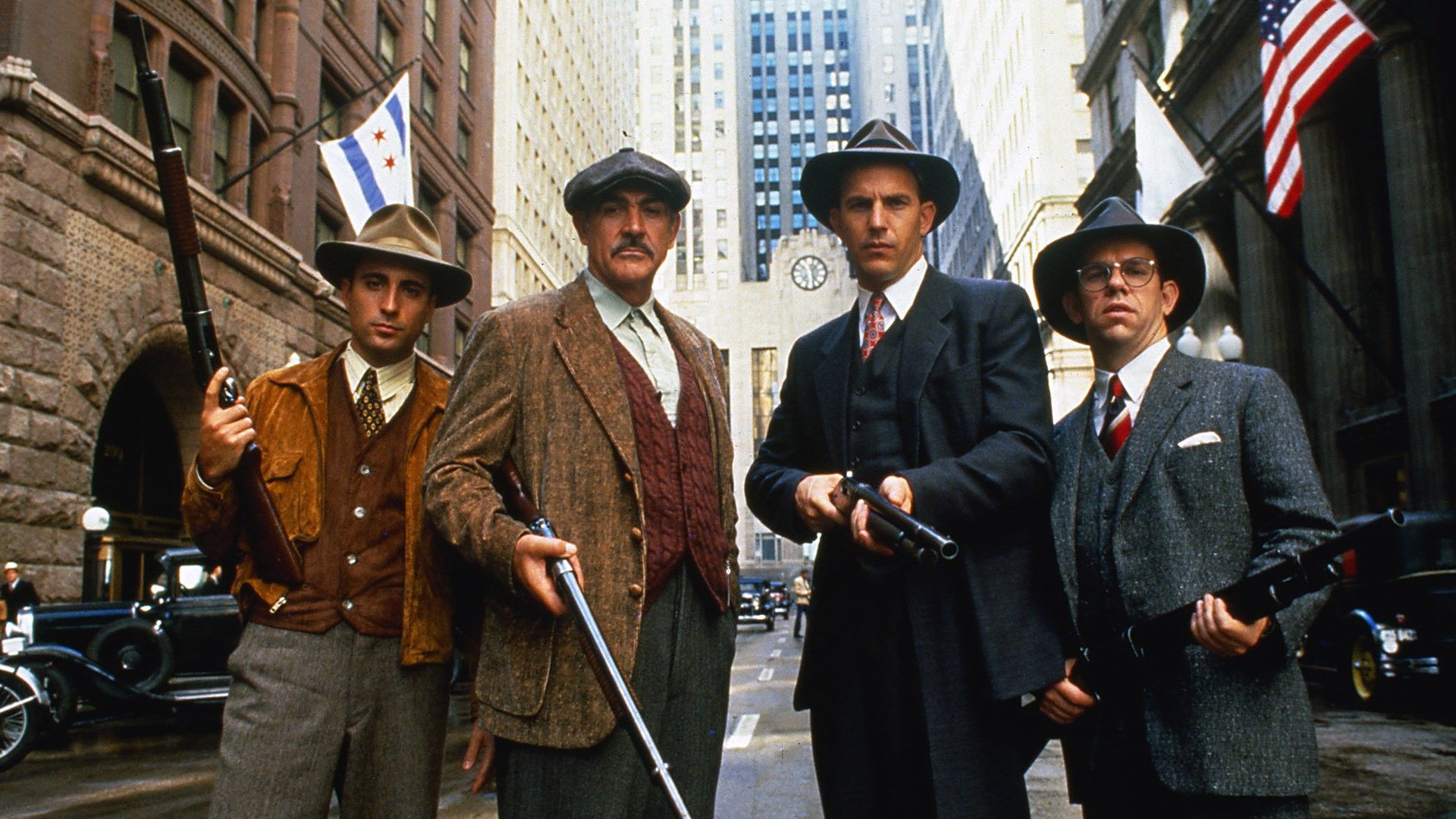
    Ness’ band of enforcers are the heroes of Brian DePalma’s virtuosic crime drama, “The Untouchables” (1987). Kevin Costner stars as Ness, but it was Sean Connery as his mentor, a street-smart beat cop, who won an Academy Award.

    The wistful, dangerous, and ultimately inspiring score is by Ennio Morricone.

    To miss it would be a crime. It’s all G-men this week, on “Picture Perfect,” music for the movies. The entire show’s a bust, this Saturday evening at 6:00 EDT, on WWFM – The Classical Network and wwfm.org.
  • Sean Connery Untouchable Highlander King

    Sean Connery Untouchable Highlander King

    He was untouchable. Outlander and Highlander. The man who would be king.

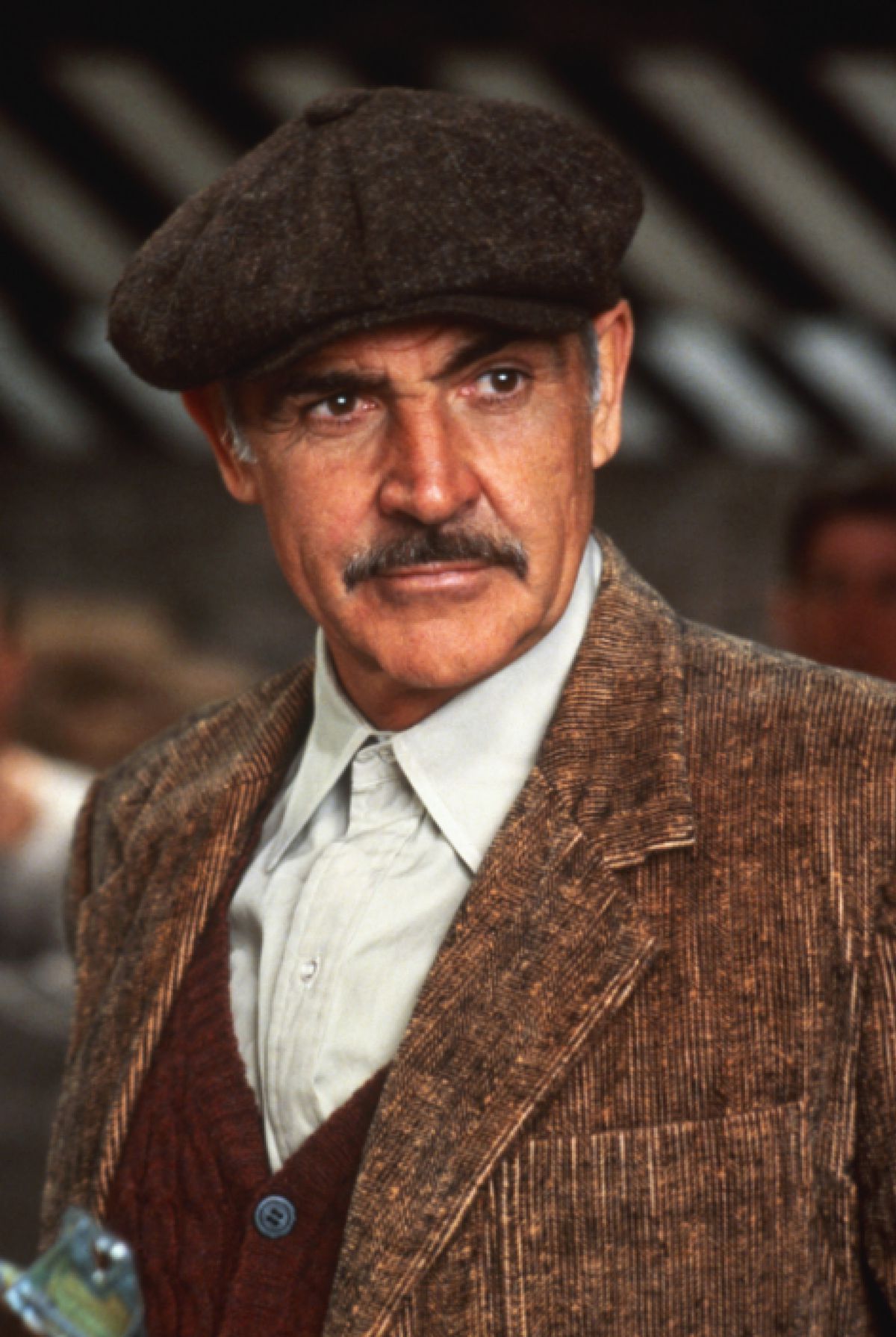
    Sean Connery died on Saturday at the age of 90. After the better part of a decade, during which he found his feet as an actor, the beloved screen icon achieved world fame as James Bond, a role he came to despise. He diversified, hit his groove as a superstar in the ‘70s and ‘80s, and eventually graduated into “mentor” roles.

    He was honored with an Academy Award for Best Supporting Actor for his work on “The Untouchables” in 1987. He was the recipient of three BAFTA Awards and two Golden Globes. And lest we forget, he was named People Magazine’s first ever “Sexiest Man Alive” in 1989. The periodical doubled-down a decade later, upgrading his status to “Sexiest Man of the Century.”

    There can be only one! Roy and I will discuss Connery’s remarkable career and output, on a special Roy’s Tie-Dye Sci-Fi Corner. Share your favorite Connery memories during the Facebook livestream, this Friday night at 7:00 EST.

    https://www.facebook.com/roystiedyescificorner/

  • Sean Connery A Farewell to a Screen Legend

    Sean Connery A Farewell to a Screen Legend

    Sean Connery has died, and I am sorry to see him go. Some of my favorite Connery films: “The Wind and the Lion,” “The Man Who Would Be King,” “Outland,” “The Great Train Robbery,” “The Molly Maguires,” “The Name of the Rose,” “Robin and Marian,” and of course, “The Untouchables.” His cameo was one of the few redeeming factors of “Robin Hood: Prince of Thieves,” and he was the only reason I made it through “Highlander.” In my own way, God help me, I even loved “Zardoz.” I confess, I’ve never been much of a Bond fan, but his characterization was the best. I miss seeing real men in the movies, or at least leading men with presence. They are now literally a dying breed. Thank you, Sir Sean. You lived through a great era at the movies, at least earlier in your career and in your prime, and you lived long. R.I.P.


    PHOTO: Connery saves another bad movie, as Ramirez, in “Highlander.” The only authentic Scotsman in the film, naturally he plays a Spaniard, though we’re told he’s originally from Egypt. (Don’t ask.)

  • De Palma’s Thrillers Music from Hitchcock’s Heir

    De Palma’s Thrillers Music from Hitchcock’s Heir

    Brian De Palma is an extraordinarily adept filmmaker, who has been criticized for his adherence to “genre trash.” He has always been attracted to suspense and crime thrillers, usually of an especially violent nature, many of them tinged with horror.

    This week on “Picture Perfect,” with Hallowe’en right around the corner, we’ll hear music from four of De Palma’s films.

    It’s hardly surprising that such an admirer of Alfred Hitchcock would also hire Hitch’s signature composer. Bernard Herrmann scored two films for De Palma – “Sisters,” in 1973, and “Obsession,” in 1976.

    “Obsession” is a spin on Hitchcock’s “Vertigo.” A botched rescue attempt results in the death of a businessman’s kidnapped wife. Years later, he encounters someone who could be her doppelganger. The film stars Genevieve Bujold, John Lithgow, and a very tan Cliff Robertson.

    “The Fury,” from 1978, is a supernatural thriller based on a novel by John Farris. Two teenagers, endowed with powers of telekinesis and extra-sensory perception, are targeted by researchers who plan to harness them for their own nefarious ends. For a time, Kirk Douglas has fun as a former CIA agent, and John Cassavetes is a particularly slimy villain. Cassavetes’ comeuppance makes for one of the most memorable movie endings of its era – and we’ll leave it at that!

    Critic Pauline Kael praised the music, which is by none other than John Williams – hot off his third Academy Award, for “Star Wars” – characterizing it as “as elegant and delicately varied a score as any horror film has ever had.”

    Of course, “The Fury” was not the first De Palma film to deal with telekinesis. His adaptation of Stephen King’s “Carrie,” from 1976, became one the decade’s landmark horror films. It broadened King’s popularity and propelled De Palma into the A-list of Hollywood directors. It also essentially launched the careers of Amy Irving, John Travolta, and Nancy Allen, among others. Sissy Spacek was nominated for an Academy Award for her performance in the title role, as was Piper Laurie as Carrie’s overbearing, fundamentalist mother.

    The music was by Pino Donaggio. The director had wanted to continue his collaboration with Herrmann, but the composer died before the film could be completed. Donaggio, though classically trained, made his fortune writing popular songs. His biggest hit was “You Don’t Have to Say You Love Me,” which was recorded by Dusty Springfield and treated to a well-known cover by Elvis Presley. Donnagio went on to become a regular De Palma collaborator, providing the music for seven of his films.

    Finally, we’ll turn our back on horror, to listen to music from a successful period crime thriller, loosely based on the real-life exploits of Eliot Ness and his fellow prohibition agents – “The Untouchables,” from 1987. Kevin Costner plays the by-the-book federal agent who is given a valuable lesson in street smarts by an Irish beat cop played by an Academy Award winning Sean Connery. (“He pulls a knife, you pull a gun. He sends one of yours to the hospital, you send one of his to the morgue. That’s the Chicago way, and that’s how you get Capone.”) Capone is played, incidentally, by a baseball bat wielding Robert De Niro.

    The score is by Ennio Morricone. Morricone, of course, was propelled to fame through his work on Sergio Leone’s spaghetti westerns. He applies some of that same mythmaking skill to this big screen adaptation, which had previously been published as a memoir and developed into a popular television series starring Robert Stack. The high point of the film must be the director’s nail-biting homage to Sergei Eisenstein, a slow motion shoot-out around a baby carriage as it teeters down the stairs of Chicago Union Station.

    Start your weekend with a step in the right direction, with music from the films of Brian De Palma, on “Picture Perfect,” this Friday evening at 6:00 EDT, on WWFM – The Classical Network and wwfm.org.
  • De Palma’s Thrilling Scores Perfect Music

    De Palma’s Thrilling Scores Perfect Music

    Brian De Palma is an extraordinarily adept filmmaker, who has been criticized for his adherence to what has been perceived in some circles as genre trash. He has always been attracted to suspense and crime thrillers, usually of a particularly violent nature, many of them tinged with horror.

    This week on “Picture Perfect,” with Hallowe’en right around the corner, we’ll hear music from four of De Palma’s films.

    It’s hardly surprising that such an admirer of Alfred Hitchcock would also hire Hitchcock’s signature composer. Bernard Herrmann scored two films for De Palma – the first, “Sisters,” in 1973, and the second, “Obsession,” in 1976.

    “Obsession” is a spin on Hitchcock’s “Vertigo,” with a botched rescue attempt resulting in the death of a businessman’s kidnapped wife, and a seemingly chance encounter, years later, with a woman who is her doppelganger. The film stars Genevieve Bujold, John Lithgow, and a very tan Cliff Roberston.

    “The Fury,” from 1978, based on the novel by John Farris, is a supernatural thriller about two teenagers, endowed with the powers of telekinesis and extra-sensory perception, and the researchers who plan to use them for their own nefarious ends. For a time, Kirk Douglas has fun as a former CIA agent, and John Cassavetes is a particularly slimy villain. Cassavetes’ comeuppance makes for one of the most memorable movie endings of its era – and we’ll leave it at that!

    Critic Pauline Kael praised the music, which is by none other than John Williams – hot off his third Academy Award, for “Star Wars” – characterizing it as “as elegant and delicately varied a score as any horror film has ever had.”

    Of course, “The Fury” was not the first De Palma film to deal with telekinesis. His adaptation of Stephen King’s “Carrie,” from 1976, became one the decade’s landmark horror films. It broadened the popularity of King, whose first novel “Carrie” was, and propelled De Palma into the A-list of Hollywood directors. It also essentially launched the careers of Amy Irving, John Travolta, and Nancy Allen, among others. Sissy Spacek was nominated for an Academy Award for her performance in the title role, as was Piper Laurie as Carrie’s fundamentalist mother.

    The music was by Pino Donaggio. The director had wanted to continue his collaboration with Herrmann, but the composer died before the film could be completed. Donaggio, though classically trained, made his fortune writing popular songs. His biggest hit was “You Don’t Have to Say You Love Me,” as it is known in English. It was recorded by Dusty Springfield, with a well-known cover by Elvis Presley. Donnagio went on to become a regular De Palma collaborator, providing the music for seven of his films.

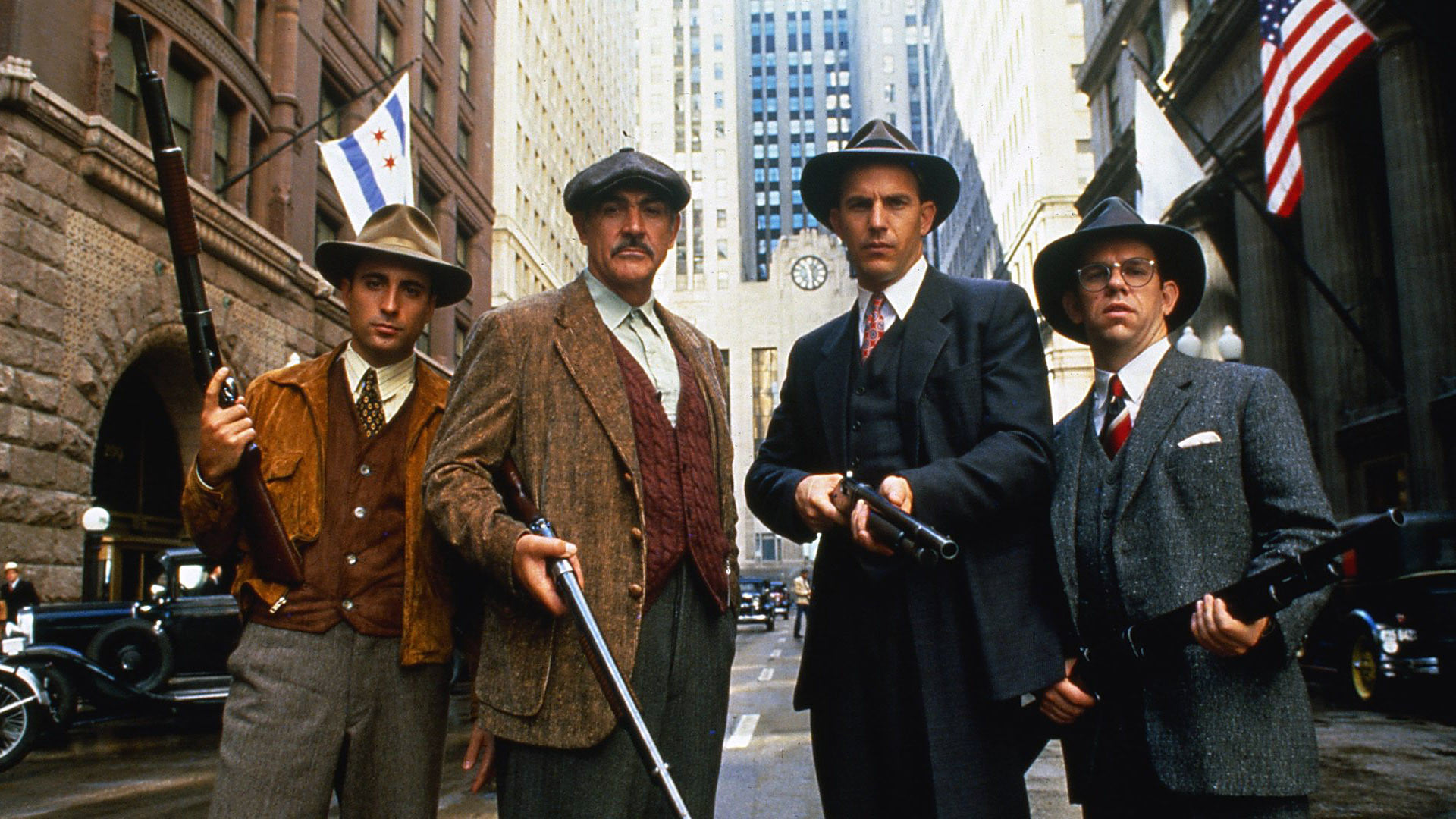
    Finally, we’ll turn our back on horror, to listen to music from a successful period crime thriller, loosely based on the real-life exploits of Eliot Ness and his fellow prohibition agents, “The Untouchables,” from 1987. Kevin Costner plays the by-the-book FBI agent who is given a valuable lesson in street smarts by an Irish beat cop played by Academy Award winning Sean Connery. (“He pulls a knife, you pull a gun. He sends one of yours to the hospital, you send one of his to the morgue. That’s the Chicago way, and that’s how you get Capone.”) Capone is played, incidentally, by a baseball bat wielding Robert De Niro.

    The score is by Ennio Morricone. Morricone, of course, was propelled to fame through his work on Sergio Leone’s spaghetti westerns. He applies some of that same mythmaking skill to this big screen adaptation, which had previously been published as a memoir and developed into a popular television series starring Robert Stack. The high point of the film must be the director’s nail-biting homage to Sergei Eisenstein, a slow motion shoot-out around a baby carriage as it teeters down the steps of Chicago Union Station.

    I hope you’ll join me for music from the films of Brian De Palma, on “Picture Perfect,” this Friday evening at 6:00 EDT, on WWFM – The Classical Network and at wwfm.org.

Tag Cloud

Aaron Copland (92) Beethoven (94) Composer (114) Film Music (117) Film Score (143) Film Scores (255) Halloween (94) John Williams (185) KWAX (228) Leonard Bernstein (99) Marlboro Music Festival (125) Movie Music (132) Opera (197) Philadelphia Orchestra (86) Picture Perfect (174) Princeton Symphony Orchestra (106) Radio (86) Ralph Vaughan Williams (85) Ross Amico (244) Roy's Tie-Dye Sci-Fi Corner (290) The Classical Network (101) The Lost Chord (268) Vaughan Williams (101) WPRB (396) WWFM (881)

DON’T MISS A BEAT

Receive a weekly digest every Sunday at noon by signing up here


RECENT POSTS