Apparently this story broke a day or two ago, but I am only just learning of it. Perhaps you are, too.
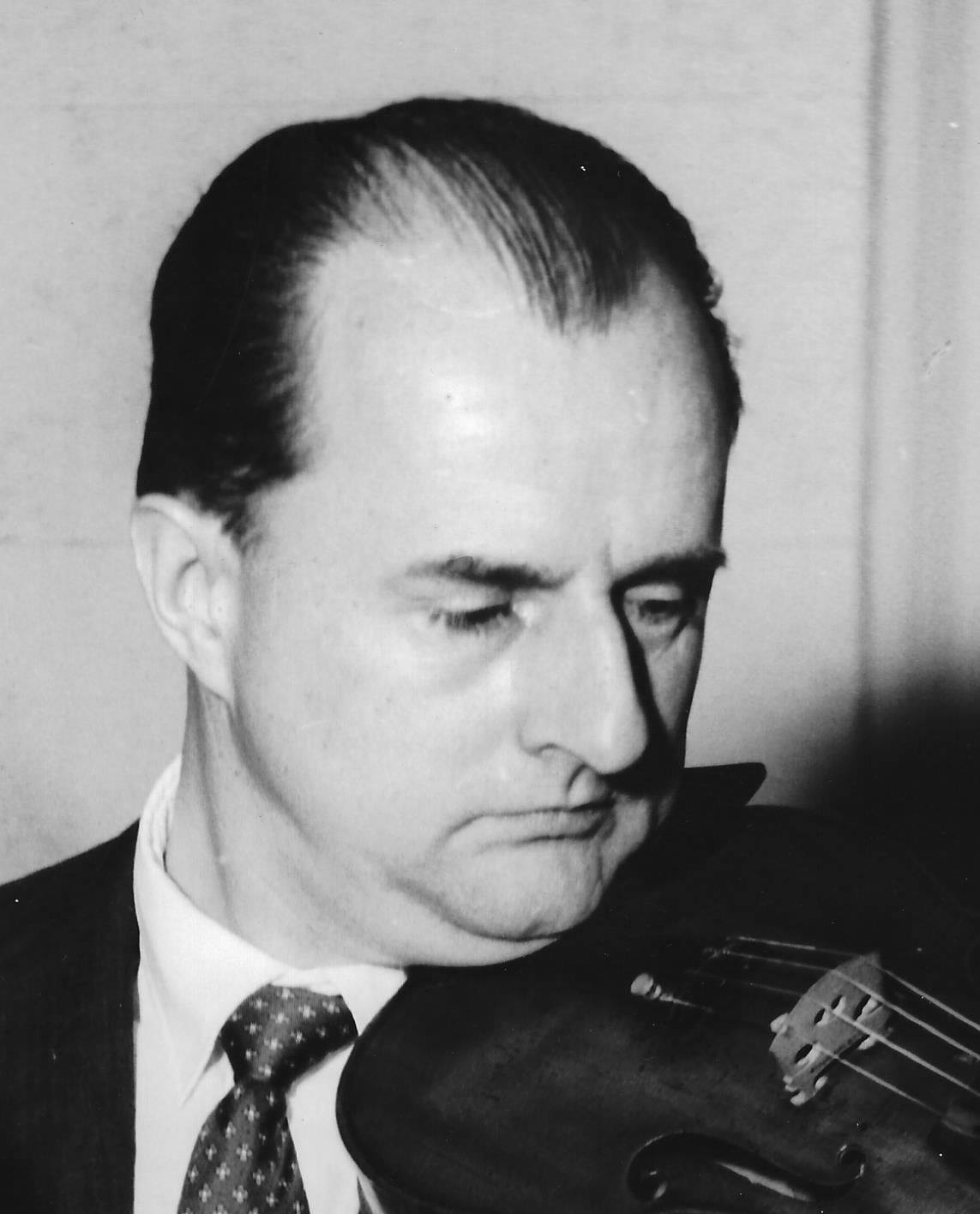
Joseph Kovacs was concertmaster of the Princeton Symphony Orchestra (unrelated to the present organization) under Nicholas Harsanyi, back in the 1950s. He studied under Zoltán Kodály and Béla Bartók at the Royal Hungarian Academy of Music, where he won the prestigious Hubay prize. Kovacs died on April 27 at the age of 91.
Hungry for Hungarian music? Give László Lajtha a shot.
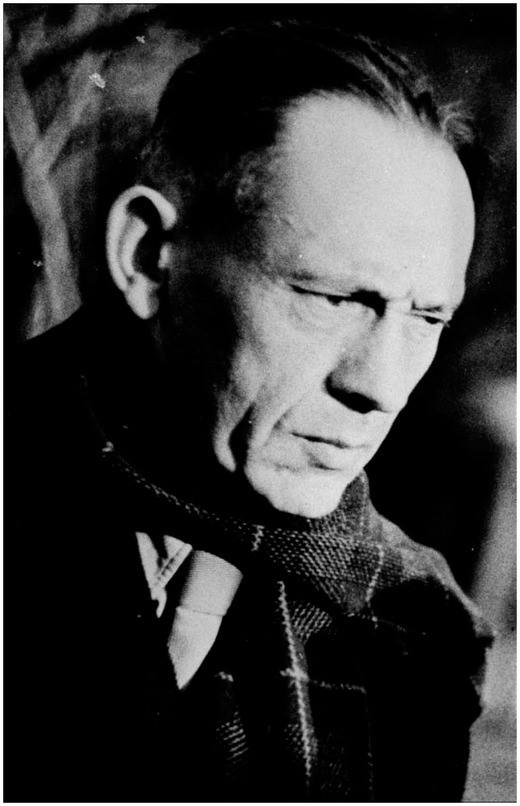
A forgotten colleague of Béla Bartók and Zoltán Kodály, Lajtha (pronounced “Loy-tah”) too busily collected and transcribed folk music from the Hungarian countryside prior to World War I.
Later, he was appointed Director of Music for Hungarian Radio, Director of the Museum of Ethnography, and Director of the Budapest National Conservatory. He was summarily removed from all three posts and his passport confiscated by the Communist regime after remaining in the West too long while at work on the film score to a British screen adaptation of T.S. Eliot’s “Murder in the Cathedral” (which went on to win the Grand Prix at the Venice Film Festival in 1951). He hadn’t even provided a film score in the truest sense, instead composing three concert works (the Symphony No. 3, the Orchestral Variations, and the Harp Quintet No.2), which were excerpted in the film.
Anyway, he was awarded the Kossuth Prize in 1951 for his achievements as a folk researcher. At least that’s something. I devoted my life to Hungarian music, and all I got was this lousy t-shirt.
Born the same date as Beethoven. Doomed to suffer the same fate as Édouard Lalo (who was born the same date as Mozart) and Modest Mussorgsky (born the same date as Bach). Everyone goes to the other guy’s party.
Kodály may have been no Beethoven. Nonetheless he was a very important musical figure, both in his native Hungary and abroad.
Here’s some of his music for the season. This is called “The Shepherds and the Angels.”
You’ll note the children’s choir. Kodály, of course, was as interested in music education as he was composition. To this end, he introduced a new curriculum for use in public schools and devised new teaching methods for the musical development of the young.
Here’s an old short demonstrating the Kodály Method in action:
And here it is in “Close Encounters of the Third Kind!”