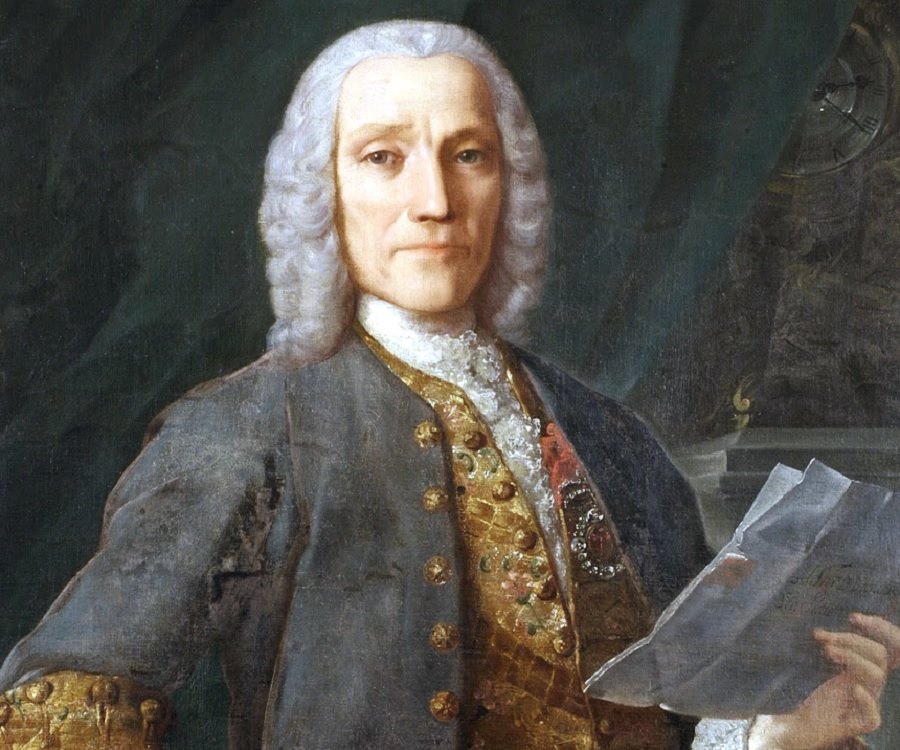
It seems that any Baroque musician of worth couldn’t help but become embroiled in a musical duel of some sort. In the case of Domenico Scarlatti, he was challenged by none other than George Frideric Handel, in Rome. Handel was deemed superior to his rival on the organ, but on the harpsichord Scarlatti was unsurpassed. In fact, Scarlatti’s unusual facility has had artists “keyed up” for centuries.
Scarlatti was born in Naples in 1685, the same year as Handel and Bach. He spent much of his career in the service of the Portuguese and Spanish royal families, composing some 555 keyboard sonatas. His works have been admired by composer-performers from Frederic Chopin to Marc-André Hamelin. This Sunday night on “The Lost Chord,” we’ll enjoy four pieces inspired by the Baroque master.
The English composer Charles Avison, whose life overlapped Scarlatti’s own (he was born in 1709, when Scarlatti would have been 23 years-old) arranged a number of the older composers keyboard works into a set of 12 concerti grossi. We’ll sample one of those, Avison’s Concerto No. 10 in D.
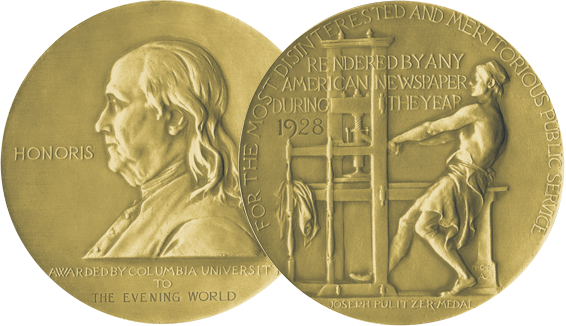
Then we’ll turn to a tribute by American composer Norman Dello Joio. Dello Joio was the recipient of the Pulitzer Prize for Music in 1957 for his “Meditations on Ecclesiastes.” From 1979, we’ll hear his four movement piano work, “Salute to Scarlatti.”
Dmitri Shostakovich arranged two of Scarlatti’s keyboard sonatas for small wind ensemble and percussion. We’ll enjoy performances by members of the former USSR Ministry of Culture Symphony Orchestra conducted by Gennady Rozhdestvensky.
Finally we’ll turn to a work from 1926 by Alfredo Casella – a seven movement suite for piano and orchestra titled “Scarlattiana,” a high-spirited piece that is unabashedly reminiscent of Stravinsky’s “Pulcinella.”
I hope you’ll join me for “Italian Dressing” – musical tributes to Domenico Scarlatti – this Sunday night at 10:00 EDT, on WWFM – The Classical Network and wwfm.org.