Tag: Princeton University

  • Princeton University Orchestra Punches Above Its Weight

    Princeton University Orchestra Punches Above Its Weight


    I’ve loved the music of Erich Wolfgang Korngold since I was a kid. I was humming the quarterstaff contest from “The Adventures of Robin Hood” (1938) before I knew a thing about classical music, thanks to enraptured television viewings of the Errol Flynn classic. On one memorable occasion, my best friend and I took down his mom’s curtain rods after the movie and sang Korngold’s gleeful fight music while dueling all over the house.
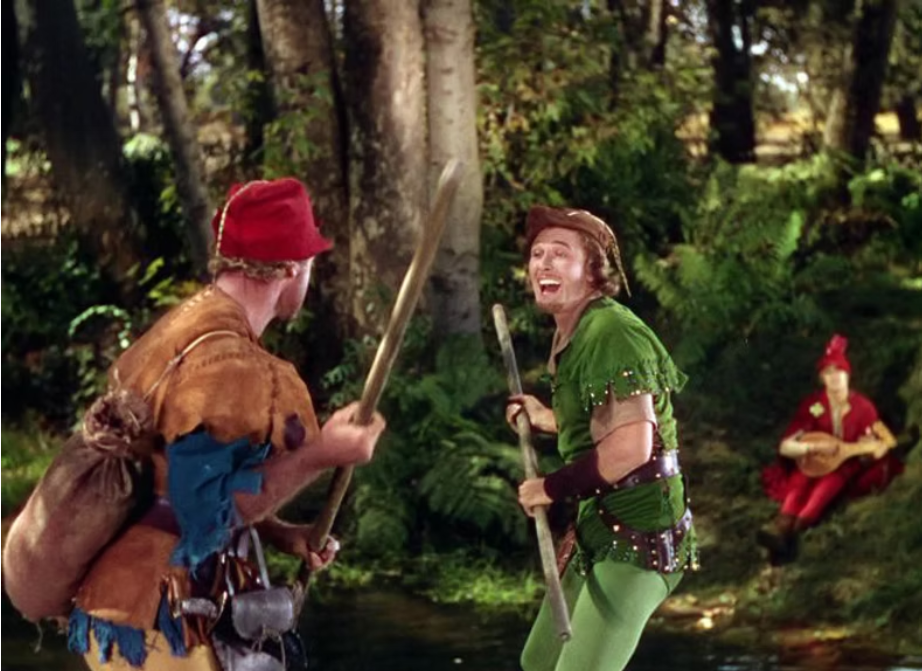

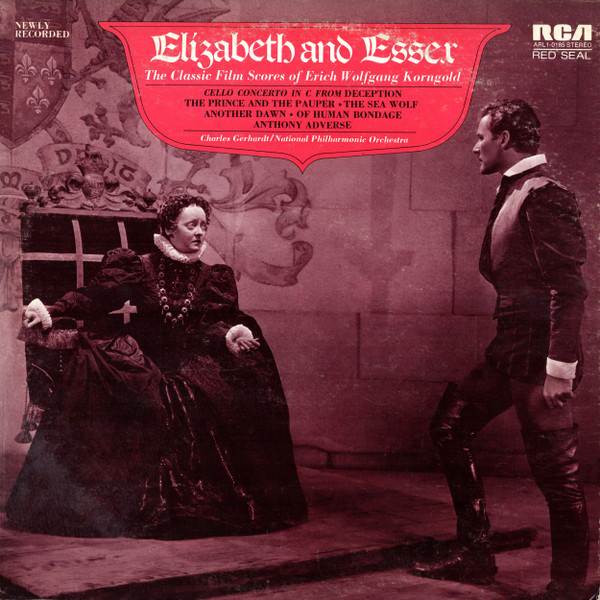
    What I wouldn’t know until I was in high school, when I discovered the benchmark Charles Gerhardt LPs of his classic film scores, was that Korngold was one of classical music’s most gifted child prodigies. The toast of Vienna (Mahler declared him a genius and Richard Strauss was “terrified” by his talent), he was already writing operas in his teens. A contract with Warner Bros. brought further fame and fortune and likely saved his life. He was in Hollywood, writing the music for “Robin Hood,” when Hitler annexed Austria.

    Korngold remained in the U.S. throughout the war, providing scores for Flynn and Bette Davis vehicles. Davis’ “Deception” (1946) brought a noir sensibility to a sinister love triangle involving three musicians. Claude Rains plays an overbearing composer, who attempts to push a psychologically fragile cellist (Casablanca’s Paul Henreid), who survived a concentration camp, past the breaking point with the rigors of his new cello concerto! Naturally, music would play a central part in the story, and Korngold provided an onscreen concerto for the film’s dramatic center.
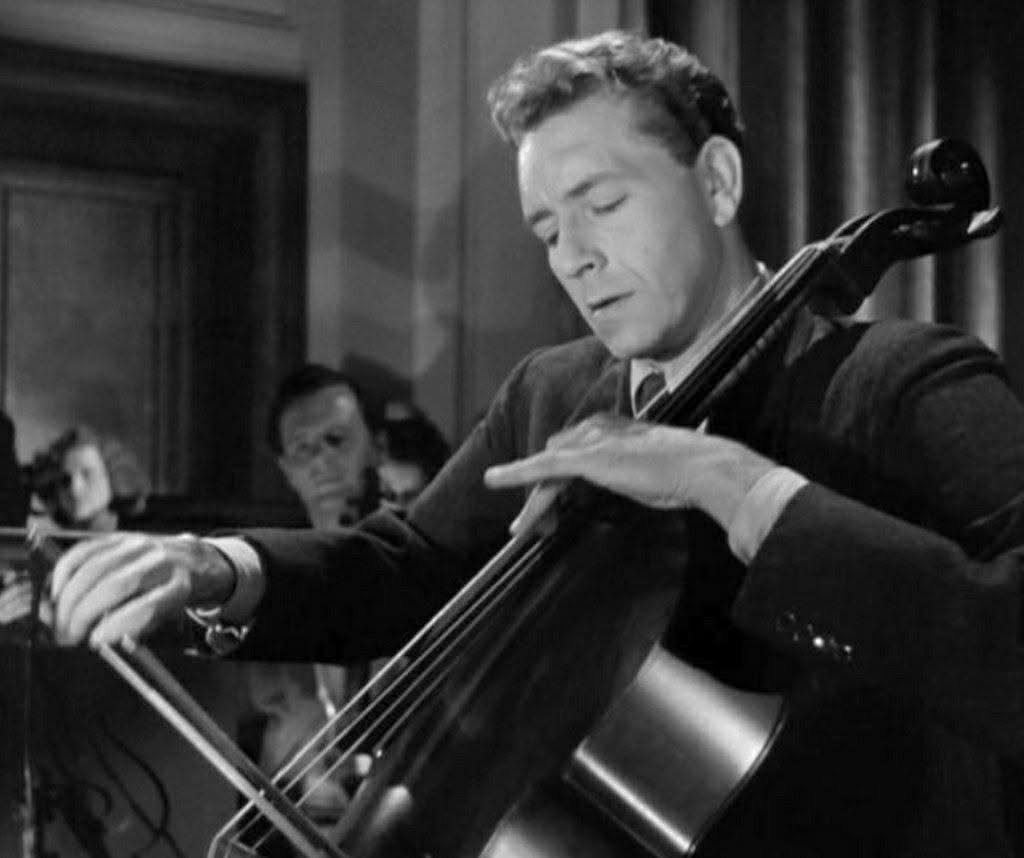

    Once upon a time, Korngold’s postwar Violin Concerto (in 1947 witheringly dismissed by the New York Sun’s Irving Kolodin as “more corn than gold”) was something of a rarity in concert halls, but in recent decades a younger generation of performers has given it a boost into the standard repertoire. Korngold’s Cello Concerto and Piano Concerto for the Left Hand have not been so lucky. Because much of it had to be performed on screen, as part of the action of the film, the cello work is understandably shorter. It could be awkward and expensive to include it on a real-life classical music concert, with the orchestra having to pay a star soloist for a work only half the length of a standard concerto.

    So it’s very seldom done, and frankly, even for a Korngold admirer like myself, I always regarded it as something of a poor stepchild. Not that I don’t adore the melodic content (of a character I am certain would NOT please Kolodin). There are some heart-meltingly lovely moments, like pools of sweet refreshment disturbed by intermittent squalls. Following in the footsteps of Liszt (who wrote no cello concertos), Korngold takes elements of the standard concerto form and compresses them into a vertiginously brief span, roiling with dramatic tension. On recordings, the overheated soloist is often pushing back against aggressive tutti passages.

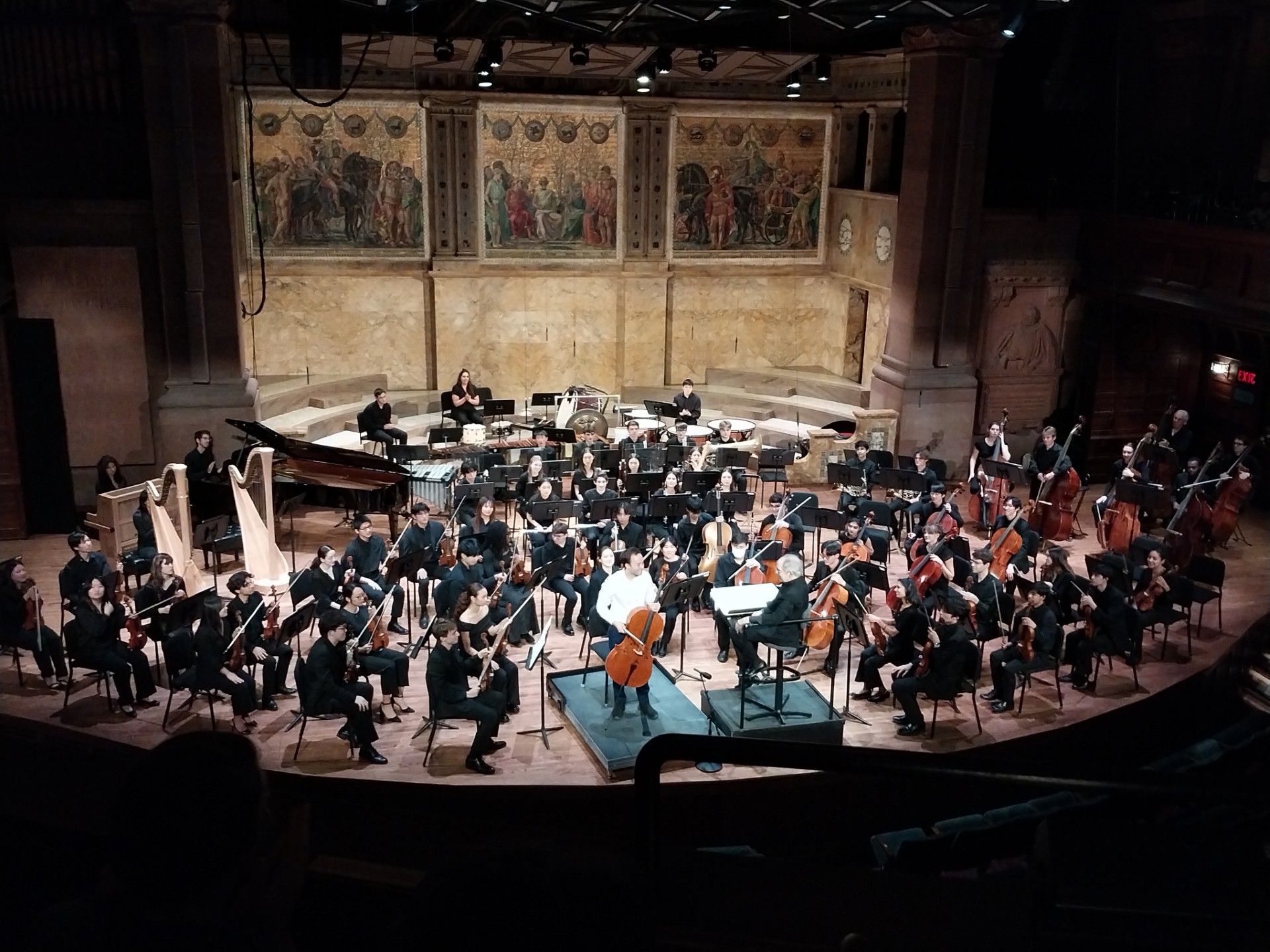
    I’ve only heard it performed live once before, so it was with great anticipation that I attended Friday evening’s concert of the Princeton University Orchestra at Richardson Auditorium, on which Korngold’s concerto formed the centerpiece of the program (which was repeated on Saturday night). Now, this is a student orchestra, mind you, but the young musicians play as if they’ve long ago forgotten the fact. Michael Pratt, the ensemble’s music director since 1977, has no qualms about programming the most challenging and at times esoteric works in the repertoire. Granted the personnel turns over all the time, as the students graduate, but I’ve heard this group tackle “Ein Heldenleben,” the complete “Daphnis and Chloé,” several Mahler symphonies, and “The Dream of Gerontius!”

    The Korngold soloist was Max Salzinger, now a Princeton sophomore, and he played beautifully, with all the assurance of someone who had clearly internalized the score. The performance was spacious, sumptuous, and wistfully romantic. Lyrical passages breathed. Soloist and orchestra offered a more expansive account, or the appearance of one, than those to which I had grown accustomed. The experience was luxurious and revelatory. Suddenly the piece sounded less like a made-to-order Hollywood film concerto and more like an honest-to-goodness concert work that, yes, really does deserve to take its place alongside the Violin Concerto. This was the Korngold I didn’t know I needed. Listening to it made me feel like a teenager again.
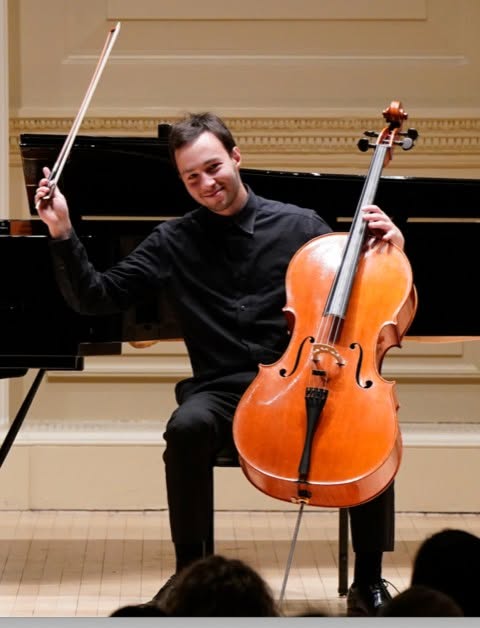

    Keep in mind, few of these university performers are music majors. Most of them are pursuing degrees in other fields. Salzinger is an aspiring economist. But clearly the cello is central to his being. He’s already had a ton of experience playing with the orchestra of Indiana’s Hotchkiss School (from which he graduated in 2025), the Hartford Symphony, and the Indianapolis and Interlochen Youth Orchestras, among others. Last year, he won Princeton’s Concerto Competition. It was not the first contest in which he’s come out on top.

    Equally impressive was the concert’s opening performance, of Alberto Ginastera’s “Pampeana No. 3,” a piece evocative of the pampas, the grasslands of the composer’s native Argentina, which was played at a near-professional standard. Seriously, this was as fine a performance of this piece as I will likely ever experience, especially live. And what a battery of percussion at its center! I’d be lying if I said I was shocked by the quality of the playing, but it was still a great pleasure to be reminded of just how good these student musicians can be – 80+ performers, with two harps, piano, celesta, and three percussionists, putting their shoulders to it. The woodwind playing, especially some flute duets, played by Liam Browne and Hugh Choi, lent idiomatic color.
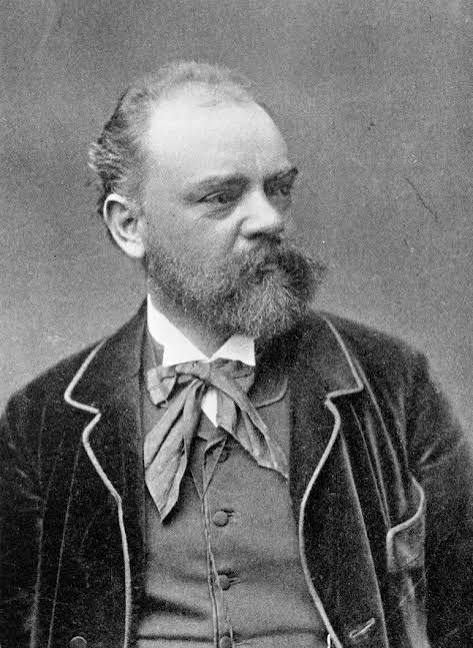

    The second half of the program, consisting of Dvořák’s Symphony No. 8, was markedly wilder and woollier, which made me wonder if the bulk of the rehearsal time had been devoted to the other, less familiar pieces. Any kind of shading in the first movement was out the window, with most of the music played at one dynamic – loud – so that many felicitous details of the composer’s score were overwhelmed. I would be remiss, however, not to to give credit to trumpeters Austin Clinard and Matt Cline, who nailed their exposed fanfares both here and in the last movement, which must have taken not only technique, but nerves of steel.

    The middle movements were better, especially the second, which was presented with more variety and shading, and all the soloists hit their marks and played with confidence. The third movement, an elegant waltz, was a little underarticulated, but mostly successful. But in the last movement, we were back to everyone going full tilt, subtlety be damned. But my goodness, what an exciting noise!

    With the crazy chromaticism of Dvořák’s coda, just as the players are required to really bring on the steam, it already seems as if the entire work is about to fly off the rails (by coincidence, Dvořák was a great admirer of trains), but pile on the youthful energy of the Princeton University Orchestra, with timpanist Milo Salvucci, and you really experience the terror of the sublime. The sensation was so harrowing, I couldn’t help but burst into laughter. What great fun!

    So, they’re not the Czech Philharmonic. Who cares? Put your hands together for these kids. They did a great job.
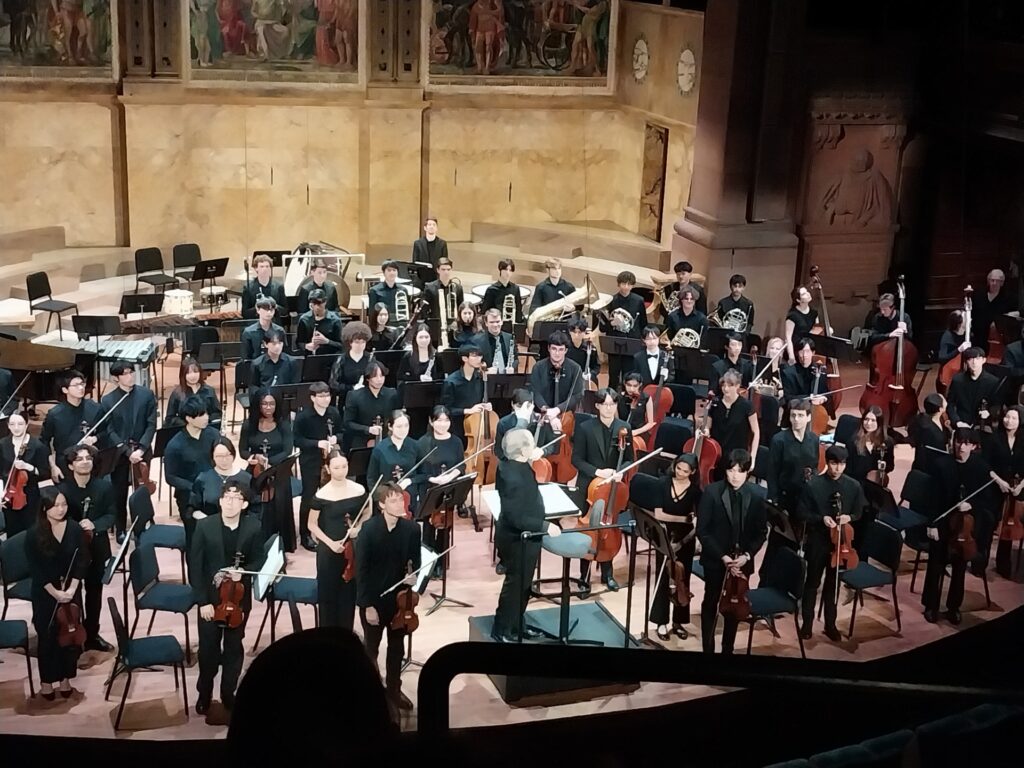

    The next set of concerts will take place on November 20 & 21, and will include Benjamin Britten’s “Four Sea Interludes” from “Peter Grimes” and Tchaikovsky’s Symphony No. 6 “Pathétique.”

    On February 26 & 27, winners of this year’s concerto competition will be heard.

    In the spring, on April 15 & 16, Pratt will conduct Mahler’s Symphony No. 9.

    For more information, visit https://orchestra.princeton.edu/current-season/
  • Korngold in Princeton

    Korngold in Princeton

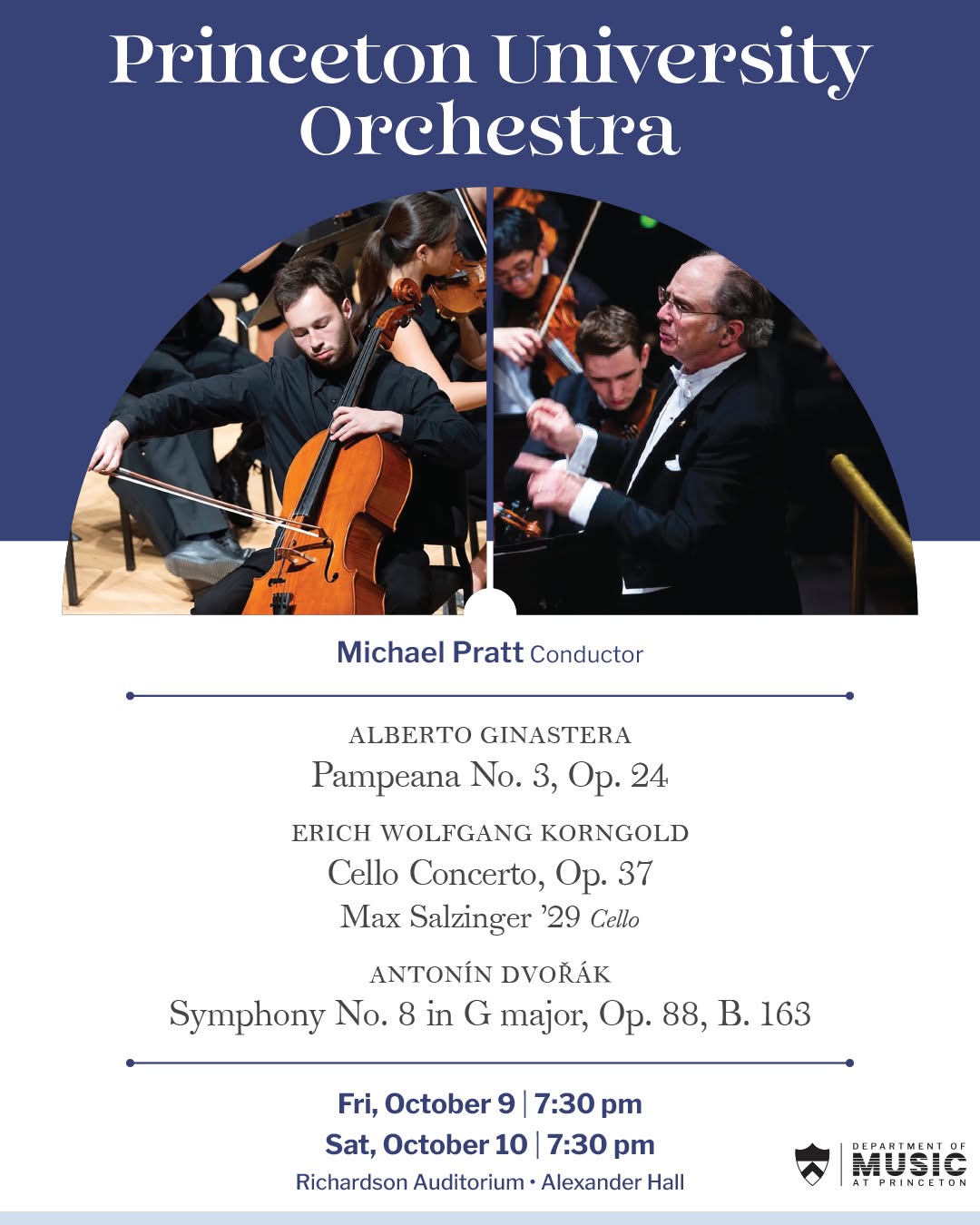
    And suddenly, for me, the 2026-27 concert season gets underway. I know performing arts organizations have been busy for the past few weeks, but this weekend is the first that my dance card is on fire. How could I resist this program by the Princeton University Orchestra? Ginastera, Korngold, and my favorite Dvořák symphony!

    Conductor Michael Pratt, the orchestra’s music director since 1977, is a genius at getting his students – few of whom are actual music majors (most of them are pursuing degrees in astrophysics, bioengineering, computer science, linguistics, sociology, philosophy, and other pointy-headed Princeton fields) – to play the most demanding repertoire. I’ve heard them perform “Ein Heldenleben,” the complete “Daphnis and Chloé,” several Mahler symphonies, and “The Dream of Gerontius,” among others. They’re always very good, and sometimes they even excel themselves. Furthermore, they play in Princeton’s intimate and historic Richardson Auditorium. Yowzers!

    The cello soloist in the Korngold concerto is Max Salzinger (’29), winner of this year’s orchestra concerto competition. Korngold wrote the concerto for the 1946 Bette Davis-Claude Rains music-noir “Deception.” In the film, Paul Henreid (Casablanca’s Victor Laszlo) appears to play the solo part, but really he’s just making facial expressions, as in the closer shots, his hands are actually tied behind his back. Two professional cellists crouch behind him, one of their arms in either sleeve of a specially designed coat to give the actor’s pantomimed performance greater verisimilitude.

    The cellist on the film’s soundtrack, the one that’s actually heard, is Eleanor Aller, the wife of Felix Slatkin (concertmaster of the 20th Century Fox studio orchestra and founder of the Hollywood String Quartet) and mother of conductor Leonard Slatkin. She was pregnant with her other son, Frederick Zlotkin, at the time. Zlotkin also grew up to be a professional cellist.

    I’ve only ever heard the concerto performed live in concert once before. Naturally, I am very much looking forward to hearing it again, as Korngold is also one of my favorite composers.

    Right here in my own backyard, too!

    The Princeton University Orchestra program will be presented at Richardson Auditorium on both Friday and Saturday at 7:30 p.m.

    For more information, visit:

    https://music.princeton.edu/events/2026/princeton-university-orchestra-ginastera-korngold-dvořák

    The other night? Why, Dalia Stasevska conducts the Philadelphia Orchestra in Sibelius’ “Pohjola’s Daughter” and Respighi’s “Pines of Rome,” with Gil Shaham the soloist in Saint-Saëns’ Violin Concerto No. 3, at Philadelphia’s Kimmel Center for the Performing Arts. I’m a lucky boy!

  • Princeton Pro Musica to Revive Frank Lewin’s Kennedy Requiem at Princeton University Chapel

    Princeton Pro Musica to Revive Frank Lewin’s Kennedy Requiem at Princeton University Chapel

    As teased in yesterday’s post, here’s my article in the Princeton weekly U.S. 1, out today.

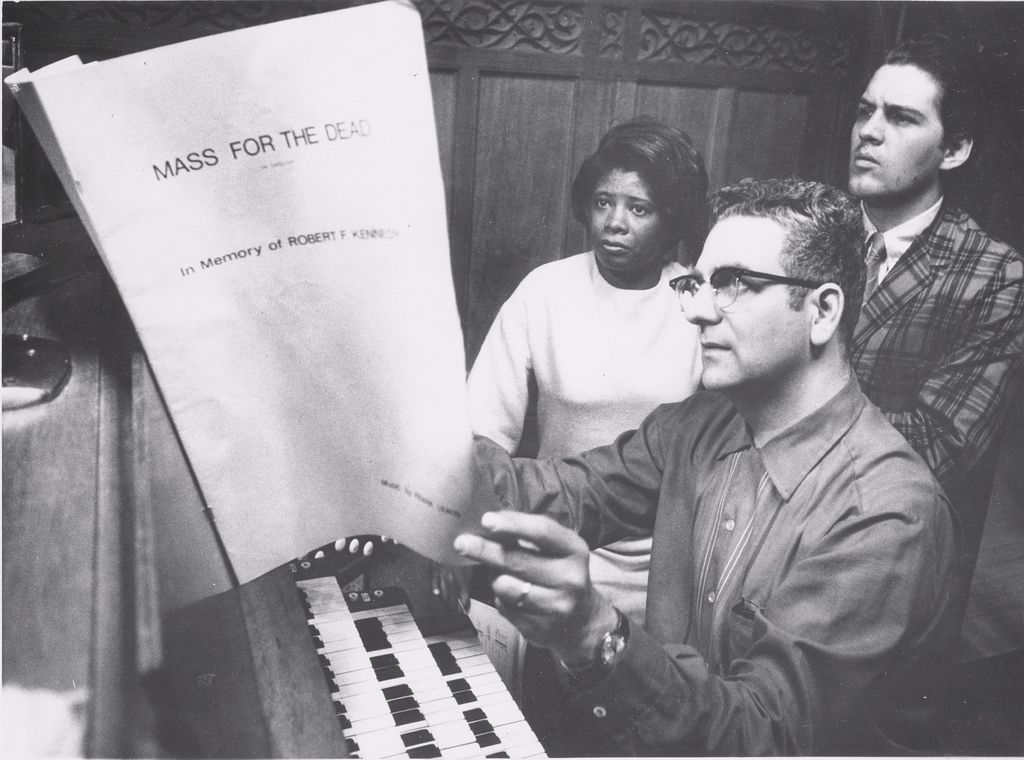
    I really wanted to write about Princeton composer Frank Lewin and his “Mass for the Dead (Requiem for Robert F. Kennedy).” The work will be revived by Princeton Pro Musica at Princeton University Chapel on Saturday, May 9, at 4 p.m., as part of an all-American concert, which will also include Leonard Bernstein’s “Chichester Psalms.” The Requiem was first heard there 57 years ago, during a memorial service for RFK, in 1969.

    As an added bonus for me, I got to interview the composer’s daughters, radio host Naomi Lewin, whose syndicated show, “Classics for Kids,” follows my light music show “Sweetness and Light,” Saturday mornings on KWAX; and her sister, documentary filmmaker Miriam Lewin, who once worked at the Opera Company of Philadelphia, where I briefly interned in the ‘90s (after she had already left), and who has the distinction of having introduced supertitles to opera.

    I must say, this is the quickest turnaround, from submission to publication of a piece, I ever experienced. Usually, arts writers are requested to get their work in days in advance. For U.S. 1, I think it’s usually about a week. But this an interim editor. Once production hits a bump or I exceed my quota by a million words, maybe the deadline will get pushed up. As it stands, I’m pretty happy with it.

    Physical editions of the paper are available in vending machines and at local businesses through next Tuesday. But if you just can’t wait, you can always access the article here:

    https://www.communitynews.org/princetoninfo/artsandentertainment/princeton-pro-musica-revives-frank-lewin-s-requiem-for-rfk/article_c6c148b4-1539-4ced-b932-109339bf7b26.html

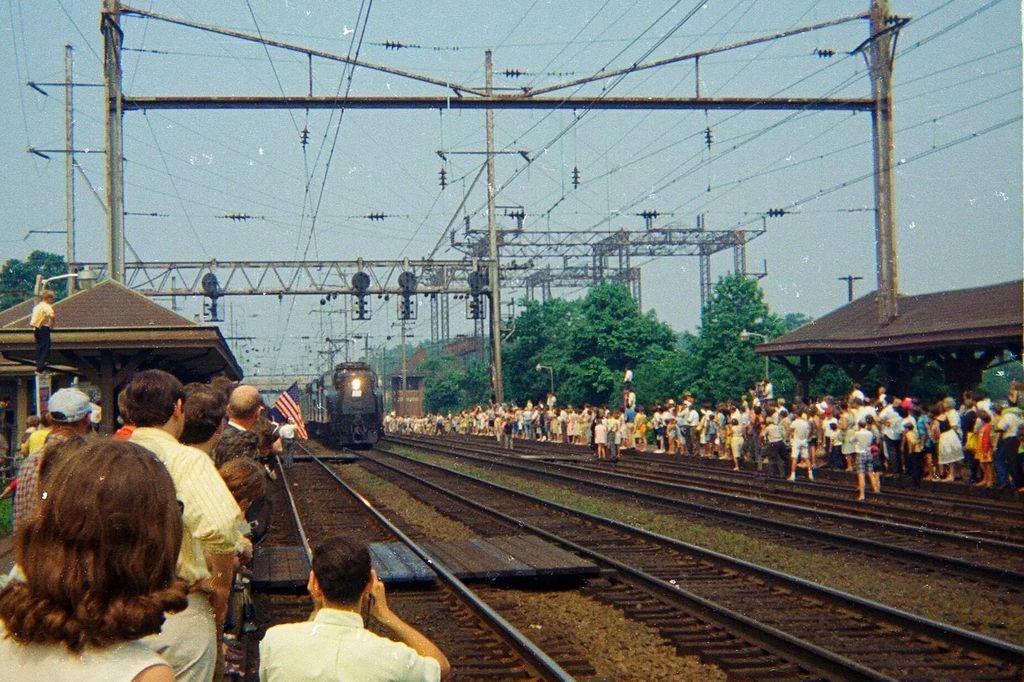
    PHOTOS: Frank Lewin (seated) prepares his Kennedy Mass with soprano Sylvia Jones and tenor Leo Goeke; RFK funeral train passes through Princeton Junction on June 8, 1968

  • Stravinsky’s Requiem Canticles Premiere at Princeton

    Stravinsky’s Requiem Canticles Premiere at Princeton

    Igor Stravinsky’s late, serial masterwork, “Requiem Canticles,” was given its first performance at McCarter Theatre in Princeton on this date in 1966. It would be the composer’s last major work. (Only his setting of Edward Lear’s “The Owl and the Pussycat” followed.) Stravinsky described the 15-minute, six-movement piece, which is sung in Latin, as his “pocket requiem.” The work would be performed at the composer’s funeral in 1971. It was also played at the funeral of J. Robert Oppenheimer, who attended the premiere.

    I wrote about its first performance in 2016, its 50th anniversary, for an article for the Trenton Times, somewhat limited by word count and by the fact that I was tying it in with two Stravinsky concerts to be held at Princeton University – neither of which, disappointingly, included “Requiem Canticles” – but I did get some interesting information from my interview subjects, both eyewitnesses who were working at McCarter in 1966.

    There’s conflicting information as to who exactly conducted “Requiem Canticles” on that occasion, the composer or his assistant, Robert Craft. My sources maintain that it was Stravinsky himself.

    If you’re interested, you can find the article archived here:

    https://www.nj.com/times-entertainment/2016/12/classical_music_puo_pugc_so_pe.html

    Robert Craft’s 2005 recording of “Requiem Canticles”

    Recording of the actual McCarter premiere (thanks to Mather Pfeiffenberger)


    PHOTO: Stravinsky (right) and Robert Craft in 1964

  • Tim Keyes’ Consort Celebrates 30 Years

    Tim Keyes’ Consort Celebrates 30 Years

    Tim Keyes’ day job is that of Pastoral Assistant of Music and Liturgy at the Catholic Church of St. Charles Borromeo in Skillman, NJ. But he’s also a prolific composer of oratorios, symphonies, concertos, film scores, chamber music, instrumental works, and choral pieces. His most recent work, “The Pool,” completes a triptych of sacred oratorios inspired by episodes from the Gospel of John. With its first performance at Princeton University’s Richardson Auditorium this Saturday at 8 p.m., the group of musicians Keyes directs, the Tim Keyes’ Consort, will celebrate 30 years.

    The orchestra and chorus are made up of professional and amateur musicians. Mentorship is central to the Consort’s mission. Saturday’s concert will open with a work by Rutgers Mason Gross student Amelia Cunningham, “Irish Overture,” and Ithaca graduate Kathryn Dauer will return to conduct Keyes’ “Adagio.” Read more about it in my article in the Princeton weekly U.S. 1, out today.

    https://www.communitynews.org/princetoninfo/artsandentertainment/three-decades-three-oratorios-for-tim-keyes/article_20876a40-2d2a-4e8a-8799-c8901ac4b582.html

Tag Cloud

Aaron Copland (94) Beethoven (95) Composer (114) Film Music (150) Film Score (143) Film Scores (255) Halloween (102) John Williams (198) KWAX (233) Leonard Bernstein (105) Marlboro Music Festival (125) Movie Music (165) Mozart (91) Opera (215) Philadelphia Orchestra (90) Picture Perfect (174) Princeton Symphony Orchestra (110) Radio (90) Ross Amico (244) Roy's Tie-Dye Sci-Fi Corner (290) The Classical Network (101) The Lost Chord (269) Vaughan Williams (107) WPRB (397) WWFM (881)

DON’T MISS A BEAT

Receive a weekly digest every Sunday at noon by signing up here


RECENT POSTS