Tag: String Quartet

  • Juilliard Quartet Theseus’ Ship Sails On

    Juilliard Quartet Theseus’ Ship Sails On

    A string quartet with the longevity of the Juilliard Quartet is a bit like the Ship of Theseus. With the passage of time, all the components are replaced. Can it, then, still be considered the same ship?

    Certainly, the ensemble continues to play at a very high, international level. The quartet was founded in 1946 by William Schuman, newly instated as president of the Juilliard School, and violinist Robert Mann, recently returned from wartime service in the U.S. Army. In its original incarnation, Mann was joined by violinist Robert Koff, violist Raphael Hillyer, and cellist Arthur Winograd. Mann continued to hold his position until 1996.

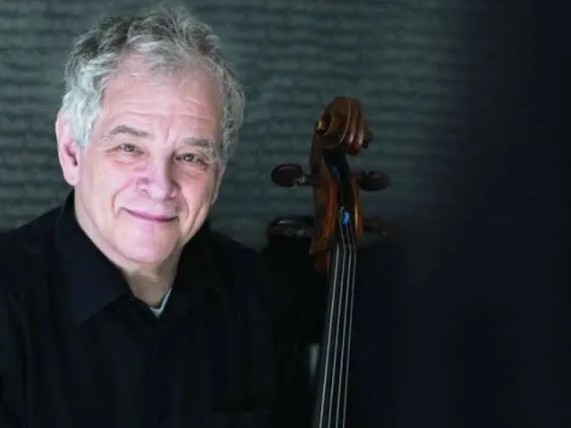
    In 1974, Joel Krosnick joined the Juilliard faculty, and in turn the ensemble, replacing his teacher, cellist Claus Adam (who had replaced Winograd). Krosnick played with the group until 2016. From 1994, he served as chair of the Juilliard cello department.

    Krosnick came from a musical home. As a teen, he had already played through most of the chamber music repertoire with his family. As a student at Columbia University, he developed a lifelong enthusiasm for newer works. He was a founding member of The Group for Contemporary Music. From 1962 to 1971, the group was based at Columbia. Later, it took up residency at Manhattan School for Music.

    For over 20 years, Krosnick appeared as a recital partner with the pianist Gilbert Kalish. As you can imagine, with all this concertizing with different combinations of musicians, his repertoire was vast.

    From its inception, the Juilliard Quartet recorded for Columbia Records, setting down landmark interpretations of, among others, the Bartók and Schoenberg quartets. In all, the ensemble has made over 100 recordings and performed with many notable musicians, including Leonard Bernstein, Aaron Copland, Glenn Gould, Leon Fleisher, Benita Valente, Dietrich Fischer-Dieskau, and the scientist Albert Einstein.

    Krosnick died yesterday at the age of 84. With Areta Zhulla, Ronald Copes, Molly Carr, and Astrid Schween as the quartet’s current personnel, Theseus’ ship sails on.


    Beethoven

    Shostakovich

    Prokofiev, Poulenc & Carter
  • Ferneyhough’s Complex Music Explained

    Ferneyhough’s Complex Music Explained

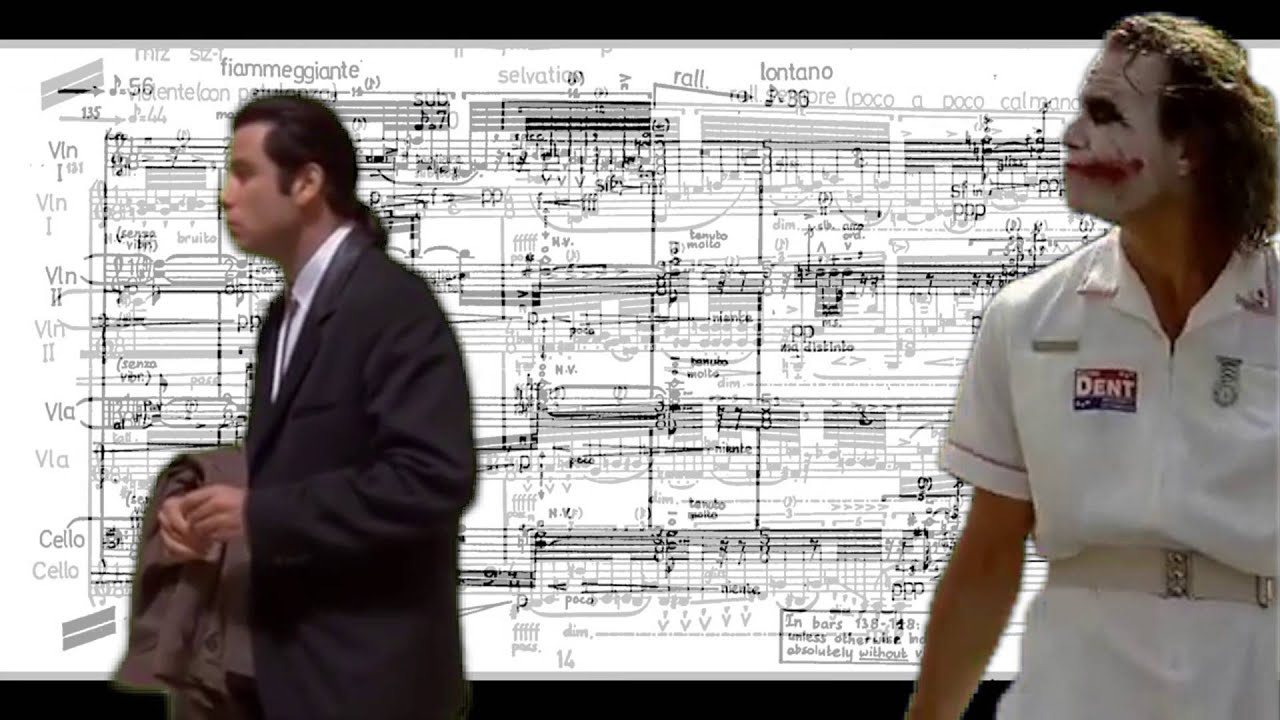
    Disoriented by Brian Ferneyhough? John Travolta and the Joker are with you, not quite sure what to make of the composer’s Second String Quartet. The high priest of New Complexity turned 80 yesterday.

  • Carl Ditters von Dittersdorf A Gift of Cheer

    Carl Ditters von Dittersdorf A Gift of Cheer

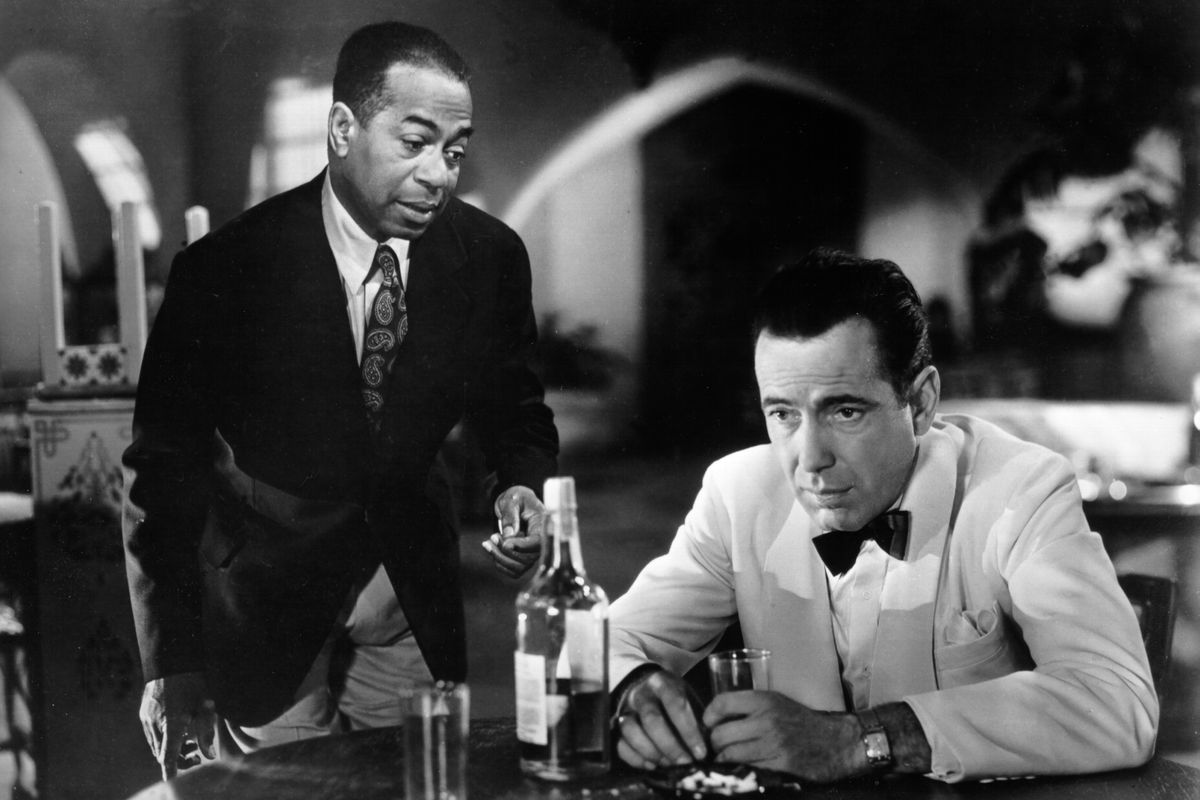
    RICK: “You said it for her, you can say it for me. Say it!”

    ILSA: “Say it, Sam. Say… Carl Ditters von Dittersdorf.”

    It’s true, Dittersdorf is good for anything that ails you. Even if you’re a guy standing on a station platform in the rain, with a comical look on your face, because your insides have been kicked out. The very act of pronouncing of his name can’t help but make you smile.

    Dittersdorf (1739-1799) was one of the closest friends of Franz Joseph Haydn. He played first violin in a superstar string quartet, with Haydn (second violin), Mozart (viola) and Dittersdorf pupil Jan Křtitel Vaňhal – a.k.a. Johann Baptist Wanhal – (cello). Imagine being a fly on a wall at those performances, or even rehearsals! Though killjoy Michael Kelly, the Irish tenor who created Don Basilio and Don Curzio in Mozart’s “The Marriage of Figaro,” claimed the ensemble played well enough, but was not really anything exceptional. Oh, Michael. It sounds like you need to make “Dittersdorf” your mantra.

    Among Dittersdorf’s enormous output, which includes some 120 numbered symphonies (it’s possible he may have composed 90 more) are twelve programmatic works inspired by Ovid’s “Metamorphoses.”

    Personally, I find more enjoyment in his chamber music. Here is his String Quartet No. 3 in G major.

    But perhaps you’d prefer his Harp Concerto, once his most-frequently encountered work (which admittedly isn’t saying much).

    Dittersdorf was actually just “Ditters” until 1773. Where’s the fun in that? When he was granted a musical position that required a noble title, he was sent to Vienna, where fortuitously he was dubbed “von Dittersdorf.” And the world has been smiling ever since.

    Here’s looking at you, Carl Ditters von Dittersdorf, on your birthday. Your very name is a gift that bestows a sense of the kind of cheer your music embodies.

  • Philip Glass Birthday Arpeggios & More

    Philip Glass Birthday Arpeggios & More

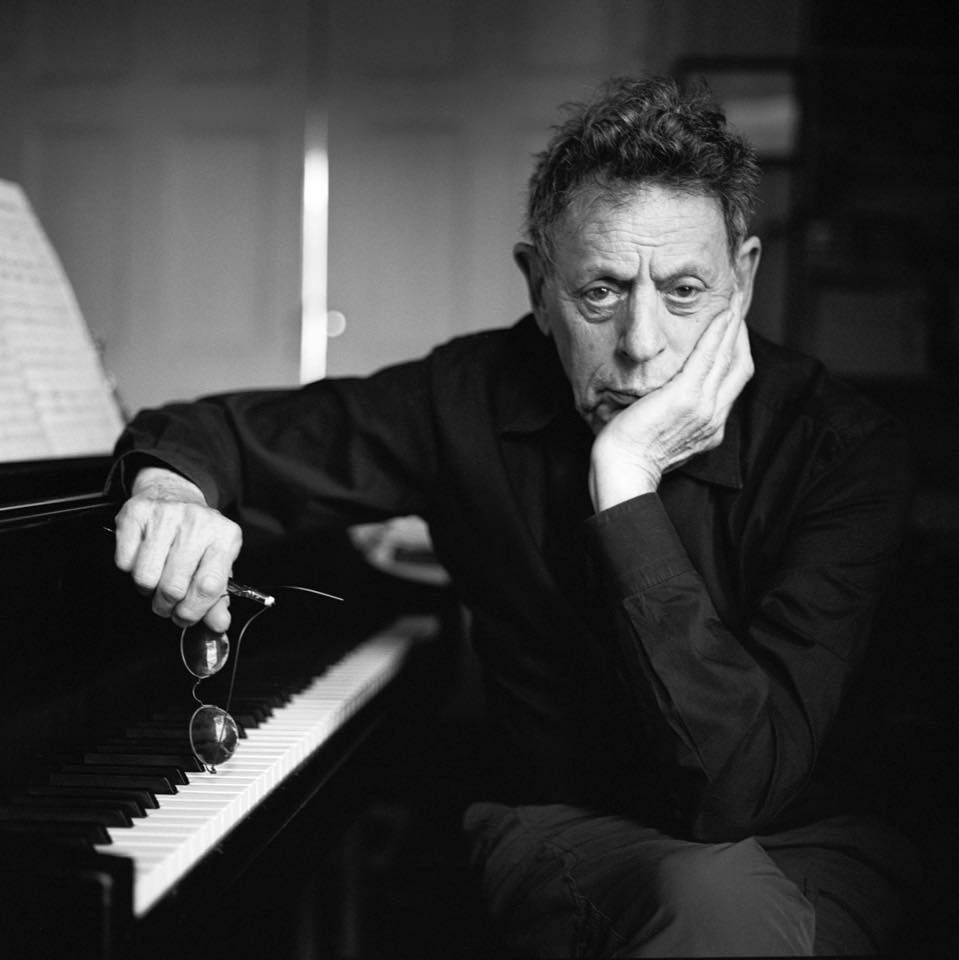
    From the arpeggione to arpeggios! Not only is today the anniversary of the birth of Franz Schubert, it’s also the 85th birthday of Philip Glass. Regardless of what you may think of Glass’ music, you’ve got to hand it to a composer who’s managed to stay relevant for the past half century or so. Here are some links to a few of my favorites.

    String Quartet No. 5

    Violin Concerto (now the Violin Concerto No. 1)

    “Modern Love Waltz,” arranged by Robert Moran, who enlisted Glass to join “The Waltz Project,” which culminated in an album for Nonesuch Records.

    The two composers also collaborated on an opera, “The Juniper Tree,” after the Brothers Grimm

    Glass’ “Akhnaten” at the Met, with Princeton University graduate Anthony Roth Costanzo – and jugglers!

    “Composing Myself: Philip Glass”

    https://www.youtube.com/watch?v=uqJ10fkznv4

    A conversation with Philip Glass

  • Carl Dittersdorf A Happy Birthday & Music

    Carl Dittersdorf A Happy Birthday & Music

    Apparently it’s a thing that some people wake on the first day of every month and, before they have even had a cup of coffee, exclaim, “Rabbit rabbit!” This, I am told, is for luck. It is a practice I somehow have never encountered, which is surprising, since surely it is the sort of quaint tradition a lover of twee, old-fashioned books would have run across well before midlife.

    Be that as it may, every November 2, it is my practice to wake and the first thing I cry is “Carl Ditters von Dittersdorf!” Not for luck, mind you, but simply because it’s a name that makes me happy. Then, I’ve always had a little bit of Schroeder in me.

    Dittersdorf (1739-1799) was one of the closest friends of Franz Joseph Haydn. He played first violin in a superstar string quartet, with Haydn (second violin), Mozart (viola) and Dittersdorf pupil Jan Křtitel Vaňhal – a.k.a. Johann Baptist Wanhal – (cello). Imagine being a fly on a wall at those performances, or even rehearsals! Though wet blanket Michael Kelly, the Irish tenor who created Don Basilio and Don Curzio for Mozart’s “The Marriage of Figaro,” claimed the ensemble played well enough, but was not really anything exceptional. Mee-yow!

    Among Dittersdorf’s enormous output, which includes some 120 numbered symphonies (it’s possible he may have composed 90 more) are twelve programmatic works inspired by Ovid’s “Metamorphoses.”

    Personally, I find more enjoyment in his chamber music. Here is his String Quartet No. 3 in G major.

    But perhaps you’d prefer his Harp Concerto, once his most-frequently encountered work (which admittedly isn’t saying much).

    Happy birthday, Carl Ditters von Dittersdorf! Try it. His very name gives me a sense of the kind of cheer his music embodies.

Tag Cloud

Aaron Copland (92) Beethoven (95) Composer (114) Film Music (120) Film Score (143) Film Scores (255) Halloween (94) John Williams (185) KWAX (229) Leonard Bernstein (100) Marlboro Music Festival (125) Movie Music (135) Opera (198) Philadelphia Orchestra (88) Picture Perfect (174) Princeton Symphony Orchestra (106) Radio (87) Ralph Vaughan Williams (85) Ross Amico (244) Roy's Tie-Dye Sci-Fi Corner (290) The Classical Network (101) The Lost Chord (268) Vaughan Williams (103) WPRB (396) WWFM (881)

DON’T MISS A BEAT

Receive a weekly digest every Sunday at noon by signing up here


RECENT POSTS