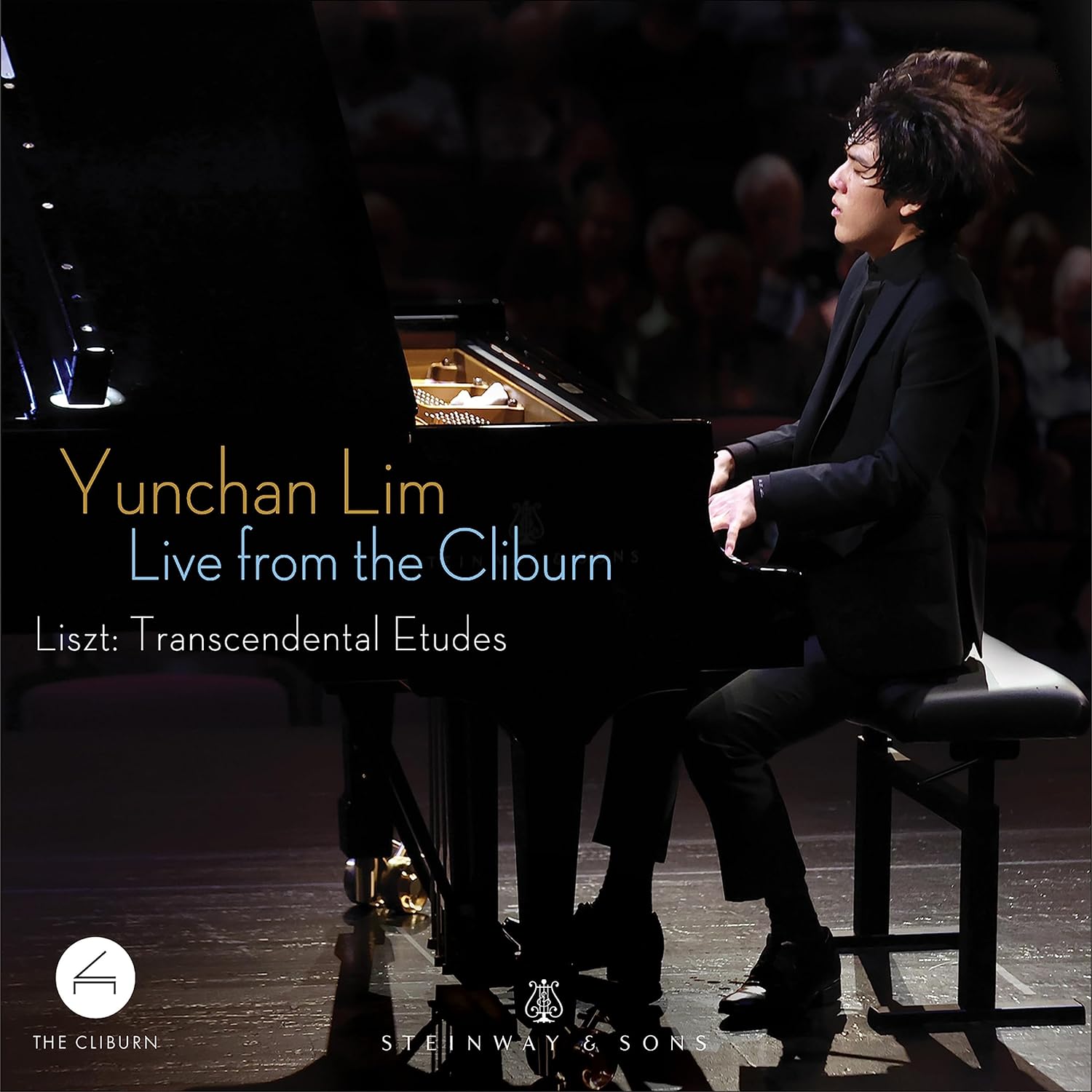
Yunchan Lim is 20 today. 20! Two years ago, Lim became the youngest person ever to win the Van Cliburn International Piano Competition, at the age of 18. Most recent information indicates that he is currently a student at the New England Conservatory of Music, but he’s already playing recitals at Carnegie Hall and appearing as soloist with the world’s great orchestras. He’s not old enough to legally take a drink, but he can play Liszt’s “Transcendental Etudes” like nobody else.
His Cliburn final round performance of the Rachmaninoff Piano Concerto No. 3 has been viewed on YouTube over 14 million times.
Yesterday, though I labored heroically against the effects of Guinness and corned beef and cabbage, before I knew it, it was time to watch “The Quiet Man.” And as a result, I’m now the last person on the internet to report on the death of Byron Janis.
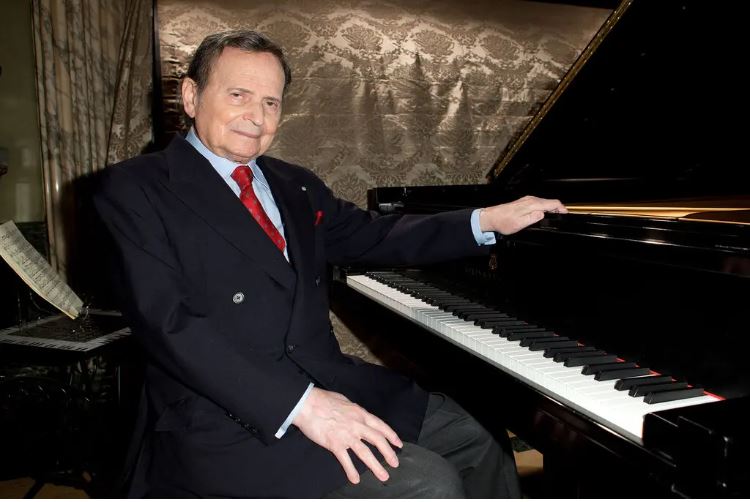
Janis, one-time Horowitz pupil, dynamo of the keyboard, who played through excruciating pain due to arthritis, forced to retire because of the effects of surgery, only to rise again, died on Thursday at the age of 95.
Van Cliburn received all the glory – and a ticker tape parade on Broadway – for his surprise victory at the first Tchaikovsky International Piano Competition in Moscow in 1958, but Janis was just as important, as a cultural ambassador to the Soviet Union at the height of the Cold War. His first recital there took place just after the Soviets had shot down the U-2 spy plane and Gary Powers was imprisoned. According to Janis, the hostility in the hall was palpable with no applause and the audience chanting, “U-2! U-2! U-2!” But by intermission, they were on their feet applauding and afterwards, people approached the stage with tears in their eyes. “… What I did was important because it showed how music could change people’s feelings,” Janis observed in a 2017 interview with Vantage Music.
Cliburn’s shadow extended to the recording studio, in terms of which concertos his rivals were permitted to record and when. Of course, this was still in the early days of stereo, with every pianist eager to test their mettle against the standard repertoire, and the major labels all vying for a place of honor on America’s hi-fi systems.
What’s astonishing is how many truly spectacular American pianists emerged at the time: off the top of my head, in addition to Cliburn and Janis, there were Leon Fleisher, Gary Graffman, John Browning, Eugene Istomin, Julius Katchen, Abbey Simon, Leonard Pennario. And that’s to say nothing of the international competition. A veritable embarrassment of virtuoso riches!
In his prime, Janis possessed the jaw-dropping technique of an idiosyncratic fire-eater. But this was harnessed to an unerring sense of lyricism and line. His recordings from the 1950s and ‘60s, especially, are thrilling in their spontaneity.
“A lot of young pianists work about eight hours a day on their technique, but they lose their sense of music – their musicality disappears because they are so focused on playing the right notes,” Janis observed, in that same interview with Vantage Music. “Musically, if it’s always the same, it’s not ‘perfect.’ If it isn’t different every time, you aren’t human, and these composers were very human. Chopin changed things all the time. The danger is, with too much freedom, people begin to do anything with it, good or bad. But ‘perfection’ is a dead state.”
His struggles with arthritis and its treatment sent him into retirement and depression for a few years, but he clawed his way back to the concert stage to mark the 50th anniversary of his debut at Carnegie Hall in 1998.
In 1967, Janis identified some lost Chopin manuscripts. And he did so again, in 1973 – the same pieces, in different versions, on two separate continents!
Interestingly, he was also a songwriter who wooed Gary Cooper’s daughter.
At whatever stage of his career, Janis demonstrated, time and again, a remarkable intuition when it came to teasing notes on a page into sustained passages of brilliance and even grandeur. His performances, as his life, defied many obstacles to reveal unanticipated vistas.