The Marlboro Music Festival is recognized far and wide as a chamber music mecca. Summer after summer, Marlboro Music brings together classical music luminaries and rising young talent, as it continues to add links to a chain, begun by Rudolf Serkin, Adolf Busch, Marcel Moyse, and the rest, all the way back in 1951.
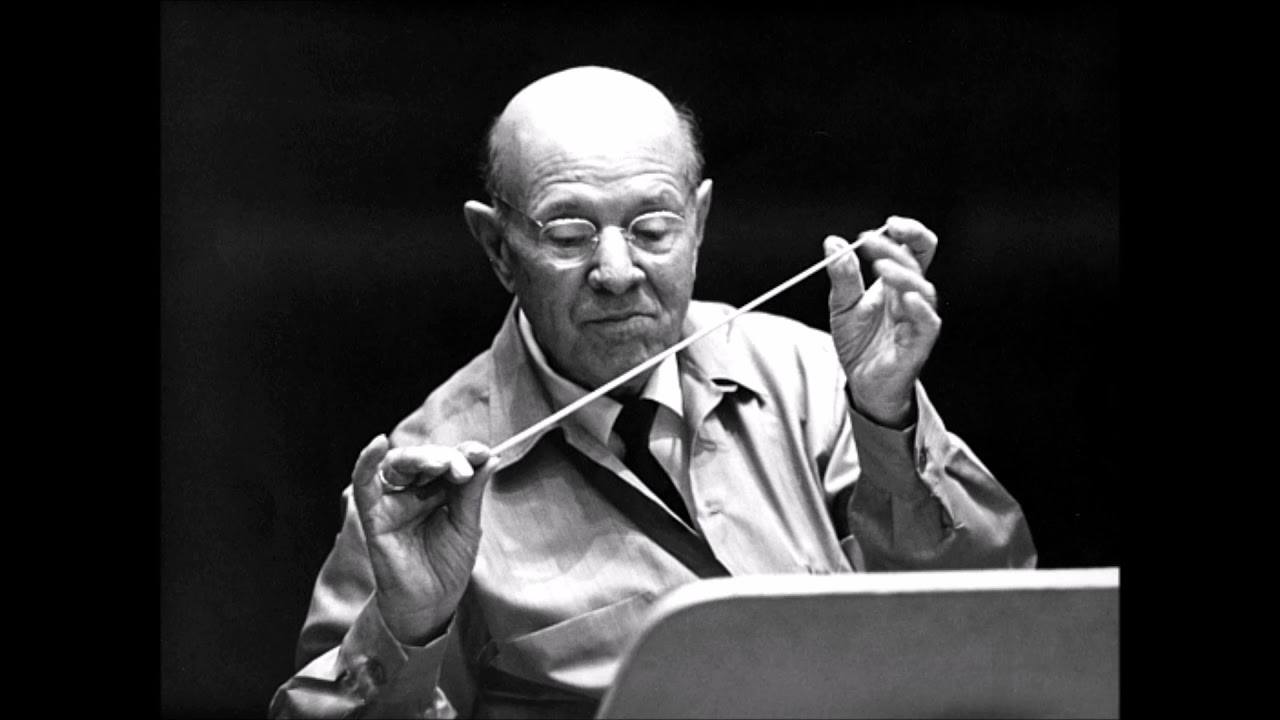
Though chamber music is indeed Marlboro’s principal area of focus, every once in a while it’s fun to get everyone together to do a reading from the orchestral literature. On this week’s “Music from Marlboro,” we’ll listen in on one such occasion, as Marlboro players perform under the loving direction of Pablo Casals.
Beethoven’s Symphony No. 3, the “Eroica (written in 1803-04) is enshrined in the history books as one of the torches that touched off the Romantic Era, but, on closer inspection, the composer was already playing with black powder in his Symphony No. 2.
In his second symphony, completed two years earlier, Beethoven swaps out the Haydn-issue minuet for a scherzo, a move that would be emulated so frequently by other composers that it became the new standard.
“Scherzo” is Italian for “joke,” and the last two movements of Beethoven’s symphony are full of them. I can’t say that they’re knee-slappers, but the composer plays enough with convention that it triggered a smart backlash from critics at the work’s premiere. One critic described the symphony as “a hideously writhing, wounded dragon that refuses to die, but writhing in its last agonies and, in the fourth movement, bleeding to death.”
Ouch!
I don’t think it’s anyone’s favorite Beethoven symphony, but in the hands of Pablo Casals, it is given a little more dignity than usual, in part because he just lets the music do its thing. There are no volcanic shifts in dynamics or hairpin turns in tempi. Many conductors interpret the earlier symphonies of Beethoven with retroactive insight, imposing a degree of vehemence more appropriate to the angrier passages of the 5th or the 9th. Casals non-interventionist approach allows the music to speak for itself.
We’ll hear a performance from the 1969 Marlboro Music Festival. Casals directs a performance brimming with affection, and his players responding accordingly.
Then, to fill out the remainder of the hour, we’ll find further delight in music by Wolfgang Amadeus Mozart – his Sonata in B-flat for Bassoon and Cello, K. 292. The 1975 performance will feature bassoonist Alexander Heller and a 19 year-old cellist named Yo-Yo Ma, also evidently having a good time.
We’ll let the music do the talking, on the next “Music from Marlboro,” this Wednesday evening at 6:00 EDT, on WWFM – The Classical Network and wwfm.org.
Marlboro School of Music and Festival: Official Page
PHOTOS: Casals tames the dragon