Tag: Frankenstein

  • “Frankenstein”: It’s Alive

    “Frankenstein”: It’s Alive

    From some of the computer-generated chaos at the start, I was afraid I wasn’t going to like Guillermo’s del Toro’s “Frankenstein.” I guess I’m still smarting from Robert Egger’s remake of “Nosferatu.” But here my concerns were misplaced. As writer and director, Del Toro definitely puts his own spin on the source material, yet he manages to honor Mary Shelley’s 1818 classic. More importantly, the movie is full of heart. I don’t want to get anyone’s hopes up, but I wound up actually really liking it.

    I hasten to add, Del Toro’s approach is more Shelley than Karloff, even though he turns a lot of the original novel on its head. Don’t go into it expecting any “scares.” This is a movie that explores the nature of humanity and man’s overweening desire to push into the unknown without considering the morality of doing so or assuming responsibility for the consequences. It is, after all, “Frankenstein.”

    But these underpinnings are not simply brushed aside so that the filmmakers can get on with the killings, as is the case with so many of the movies. It has one of two gruesome moments, for sure, but the lens doesn’t linger. Rather, it is a thoughtful, literary, even philosophical movie, with layers of allusions and symbols that fit hand-in-surgical glove with the narrative.

    Oscar Isaac plays the haughty, frustrating scientist, Shelley’s “modern Prometheus,” as maddening as he is mad. His rearing of his creation proves here to be the product of cyclical abuse. The theme is skillfully assimilated and has a nice payoff. Tragedy is woven right into the story, of course, but this is one Frankenstein movie that actually leaves one with a glimmer of hope. Del Toro has loved this story – and “the creature” – since childhood, and clearly he’s internalized everything. Like Victor Frankenstein himself, he’s discovered the source of its life; but unlike Victor he also recognizes its soul.

    I have no idea who Jacob Elordi, who plays the creation, is, but he is a wonder. His performance makes the movie. I note he’s also going to be playing Heathcliff in an impending, overheated adaptation of “Wuthering Heights,” with Margot Robie trading on her “Barbie” good will. From the trailer, it looks as if it totally misses the point of Emily Bronte’s novel. But here, Elordi is excellent. As with “The Shape of Water,” Del Toro proves that he can be much more than simply a technical director, eliciting fine performances from his leads.

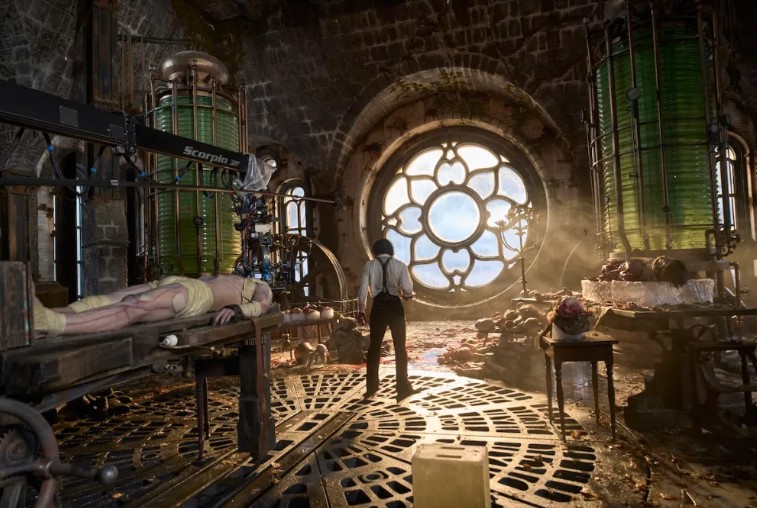
    That said, I would be remiss if I didn’t also mention how sumptuous a production this is. Every detail is fully realized, from the vibrant costumes to the outrageous and eyepopping sets, digital or otherwise. The lavish estates, the streets of Edinburgh, the frozen battlefields, the Thomas Eakins medical theater, the steampunk lab, and the arctic wastelands all look fabulous, often operatically stylized, but all of a piece. The production design more than compensates for a few moments of shaky CGI, with cartoonish flying bodies and pouncing wolves.

    Why, oh why, aren’t they making it easier for people to see this in a theater? This practice of showing a film for a very limited run in just a few venues so that it qualifies for Academy Awards consideration before consigning it to streaming on Netflix as “content” is more monstrous than anything in the movie.

    Beyond the all-too-rare experience these days of enjoying the film on a big screen with an engaged audience, it was such a pleasure to be able to sit there during the end credits and to be able to ruminate on what I had just witnessed to Alexandre Desplat’s evocative score. That is a part of the moviegoing experience that is so tragically undervalued in the streaming age. So much of a movie’s impact is cemented in those few minutes at the end, when you just allow it all to sink in.

    I hope you will follow my advice and don’t google anything about it, if you haven’t done so already. It’s best to experience it fresh. It’s a beautiful movie, visually and emotionally alive, with good performances, and I highly recommend it.

    “Frankenstein” comes to Netflix tomorrow, but if you can see it in a theater, go.

  • Classic Horror Film Scores and Halloween Fun

    Classic Horror Film Scores and Halloween Fun

    Whatever happened to my Transylvania twist?

    This week on “Picture Perfect,” with Halloween just around a creepy corner, we’ll pull the blankets up under our noses, as Dracula, Frankenstein’s monster, and the Wolfman headline an hour of creature features.

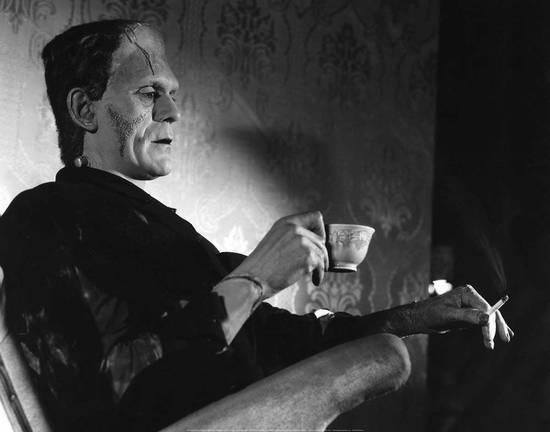
    We’ll begin with arguably the best of the Frankenstein films, “The Bride of Frankenstein” (1935). Boris Karloff, Colin Clive, and Dwight Frye return. This time, they’re joined by batty and theatrical Ernest Thesiger, as Dr. Pretorius, and of course Elsa Lanchester. One of the greatest sequels ever made, “Bride” manages to deepen and expand elements of the original film, with plenty of atmosphere, a wry sense of humor, abundant pathos, and one of the finest film scores of the era, by Franz Waxman. Previously, Waxman was involved in the German film industry. Portions of his classic score were reused in any number of other Universal pictures over the years, including the Flash Gordon serials.

    Of course, then came “Son of Frankenstein,” “The Ghost of Frankenstein,” “Frankenstein Meets the Wolfman”…

    Four years before Abbott and Costello would meet Frankenstein’s monster, Dracula, and the Wolfman, all in the same film, Universal brought together its most popular creatures for “House of Frankenstein” (1944). This was the sixth film in the “Frankenstein” franchise, a follow-up to “The Ghost of Frankenstein,” but also a sequel of sorts to “Frankenstein Meets the Wolfman.” Here, Karloff graduates from monster to mad scientist, while Glenn Strange dons the make-up and neck-bolts as “the creature,” John Carradine plays the Count, Lon Chaney Jr. returns in his signature role as Lawrence Talbot (a.k.a. the Wolfman), and J. Carrol Naish portrays Karloff’s hunchback assistant.

    The wackadoodle plot involves Karloff and Naish running a traveling horror show. The doctor revives Dracula for his own nefarious purposes; then later in the film thaws Frankenstein’s monster and the Wolfman from frozen waters. It may not be the best of the Universal Pictures Frankenstein films, but it is undoubtedly entertaining, and good, monster-laden fun. The music is also the result of a monster team-up, of sorts, co-composed by Hans J. Salter and Paul Dessau. The popularity of the multi-monster format ensured yet other follow-ups in “House of Dracula” and “Abbott Costello Meet Frankenstein.”

    Decades later, Mel Brooks and Gene Wilder looked back with affection to the series, when they came to make their horror parody, “Young Frankenstein” (1974). The result is Brooks’ richest comedy. The love of detail extends even to the use of some of the authentic laboratory equipment from the original movies. Composer John Morris’ score reflects the underlying pathos of the monster, in brilliant counterpoint to the onscreen comedy.

    Finally, director Francis Ford Coppola also looked back with affection to earlier classics when he undertook “Bram Stoker’s Dracula” (1992). “Bram Stoker’s Dracula” is the NAME of the film. Despite some intriguing elements, it’s doubtful the author would have recognized his creation in Coppola’s cinematic counterpart. Why can’t anyone figure out how to just film the book? The strongest elements of this version include the opulent costume design, the self-consciously retro special effects, the geek references to classic and foreign films, and the spooky music by Polish composer Woijech Kilar. Kilar was an inspired choice, as he provides just the right Eastern European feel.

    All in all, I think you’ll agree, it’s the perfect mix-tape for drafty dungeons and misty moors. I hope you’ll join me for “Monster Mash” on “Picture Perfect,” music for the movies, this Saturday evening at 6:00 EDT, on WWFM – The Classical Network and wwfm.org!


    If you enjoy either of my weekly shows (or both!), or any of the other music you hear on The Classical Network, please consider making a contribution today. We’re celebrating our 40th anniversary on the air and online, right now. If you’re in a position to do so, leave us a Halloween treat at wwfm.org. Thank you for your continued support of WWFM The Classical Network!

    https://wwwfm.secureallegiance.com/wwfm/WebModule/Donate.aspx?P=DEFAULT&PAGETYPE=PLG&CHECK=vOU2bz5JCWmgCDbf53nm9ezWDeZ%2beA1M

  • Superman vs Frankenstein Halloween Tunes

    Superman vs Frankenstein Halloween Tunes

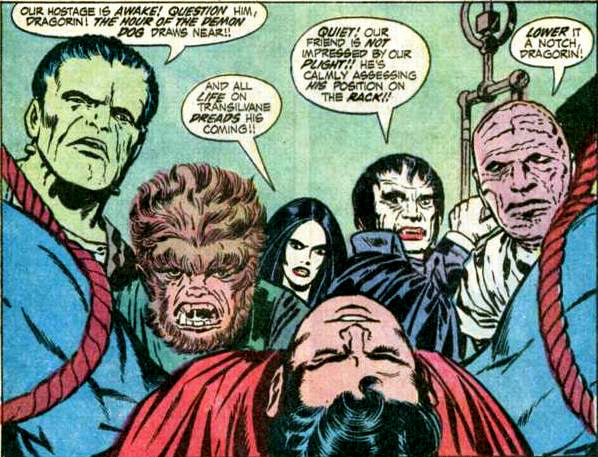
    31 DAYS OF HALLOWEEN (DAY 25)

    Poor Kal-El. Lone survivor of the planet Krypton, and here he is, once again besieged by monsters. Thank you, Jack Kirby!

    “Herr Supermann” from HK Gruber’s “Frankenstein!!”

    And Moritz Eggert’s “The Son of the Daughter of Dracula Versus the Incredible Frankenstein Monster (from Space),” with two theremins.

    Enjoy all your pleasures at once.


    ARTWORK: Superman’s Pal, Jimmy Olsen #143 (1971)

  • Frankenstein Film Music for a Monster Weekend

    Frankenstein Film Music for a Monster Weekend

    Long week? Feel like you’re coming apart at the seams? Kick off your elevator shoes and relax with an hour of music from Frankenstein films!

    This week on “Picture Perfect,” we’ll honor the legacy of Mary Shelley’s cautionary tale, “Frankenstein; or, The Modern Prometheus.” The influential novel first saw print in 1818 – 200 years ago. Although the film adaptations tend not to be very faithful to their alleged source material, there is no denying “Frankenstein’s” enduring appeal. We’ll hear music from just a few of the dozens of films that have been made in the hundred years or so since the Thomas Edison version, all the way back in 1910.

    “The Bride of Frankenstein” (1935) is the “Godfather Part II” of Frankenstein films. One of the greatest sequels ever made, “Bride” manages to deepen and expand elements of the Boris Karloff original. Both were directed by James Whale. Sporting a terrific cast, plenty of atmosphere, a wry sense of humor, and abundant pathos, it also happens to feature one of the finest music scores of the era, composed by Franz Waxman.

    Say what you will about Hammer Studio’s more lurid approach to its monster franchises, with their Technicolor gore and false whiskers. What the films lacked in budget, they certainly made up for in creativity. In “Frankenstein Created Woman” (1967), Peter Cushing yet again plays the overweening doctor, who transplants the soul of his wrongly condemned assistant into the body of a suicide, his assistant’s lover. Together, soul and body, the two enact revenge on the young woman’s father’s actual murderers. Don’t try to figure it out; just go with it. The music was by Hammer house composer, James Bernard.

    “House of Frankenstein” (1944) is the sixth film in Universal Studios’ “Frankenstein” franchise, a follow-up to “The Ghost of Frankenstein,” but also a sequel of sorts to “Frankenstein Meets the Wolfman.” A mad scientist (“Frankenstein” veteran Karloff) and his hunchback assistant resurrect “the monster,” Dracula, and the Wolfman, beating “Abbott and Costello Meet Frankenstein” (1948) to the punch! The music is also a monster mash of sorts, co-composed by Hans J. Salter and Paul Dessau.

    Mel Brooks’ super duper parody, “Young Frankenstein” (1974), plays with genuine affection on the Universal classics. The result is the richest comedy Brooks ever filmed. The love of detail extends even to the use of some of the authentic laboratory equipment from the original movies. Composer John Morris’ score reflects the underlying pathos of the monster, in brilliant counterpoint to the onscreen comedy. That’s FRANCKEN-SHTEEN!

    Finally, “Mary Shelley’s ‘Frankenstein’” (1994) was promoted as the most faithful adaptation of the original novel – which it most certainly is not. It does retain the rarely-used framing device, and the creature, played by Robert De Niro, is intelligent and articulate, as he is in the book, but so rarely on film. However, director Kenneth Branagh and his team can’t resist juicing up the story with lurid thrills and plot twists that seem more like cast-offs from Hammer. Favorite scene: a bare-chested Branagh swings on chains while bringing life to De Niro through the use of electric eels(!). The equally over-the-top score is by Patrick Doyle.

    “Frankenstein” has proven itself as indestructible as its alleged monster. Jump-start your weekend with revivifying music straight to the neck-bolts. It’s all-Frankenstein, on “Picture Perfect,” this Friday evening at 6:00 EDT, on WWFM – The Classical Network and wwfm.org.

Tag Cloud

Aaron Copland (92) Beethoven (95) Composer (114) Film Music (123) Film Score (143) Film Scores (255) Halloween (94) John Williams (187) KWAX (229) Leonard Bernstein (101) Marlboro Music Festival (125) Movie Music (138) Opera (202) Philadelphia Orchestra (89) Picture Perfect (174) Princeton Symphony Orchestra (106) Radio (87) Ralph Vaughan Williams (85) Ross Amico (244) Roy's Tie-Dye Sci-Fi Corner (290) The Classical Network (101) The Lost Chord (268) Vaughan Williams (103) WPRB (396) WWFM (881)

DON’T MISS A BEAT

Receive a weekly digest every Sunday at noon by signing up here


RECENT POSTS