Sure, “Messiah” was given its premiere in Dublin, but I doubt Handel would have ever expected this.
https://www.youtube.com/watch?v=MB8NhXtgG_A
Happy St. Patrick’s Day!
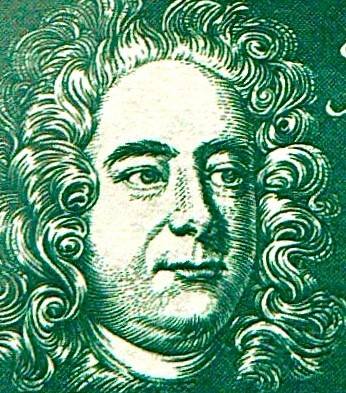
Sure, “Messiah” was given its premiere in Dublin, but I doubt Handel would have ever expected this.
https://www.youtube.com/watch?v=MB8NhXtgG_A
Happy St. Patrick’s Day!
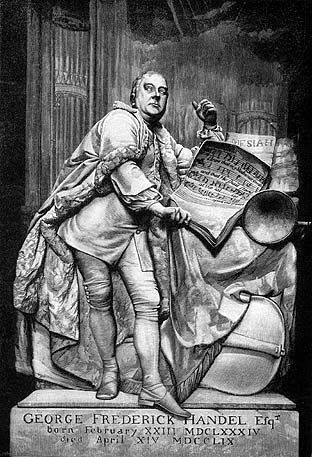
This is what happens when you drink a triple shot of espresso before your Handel concert.
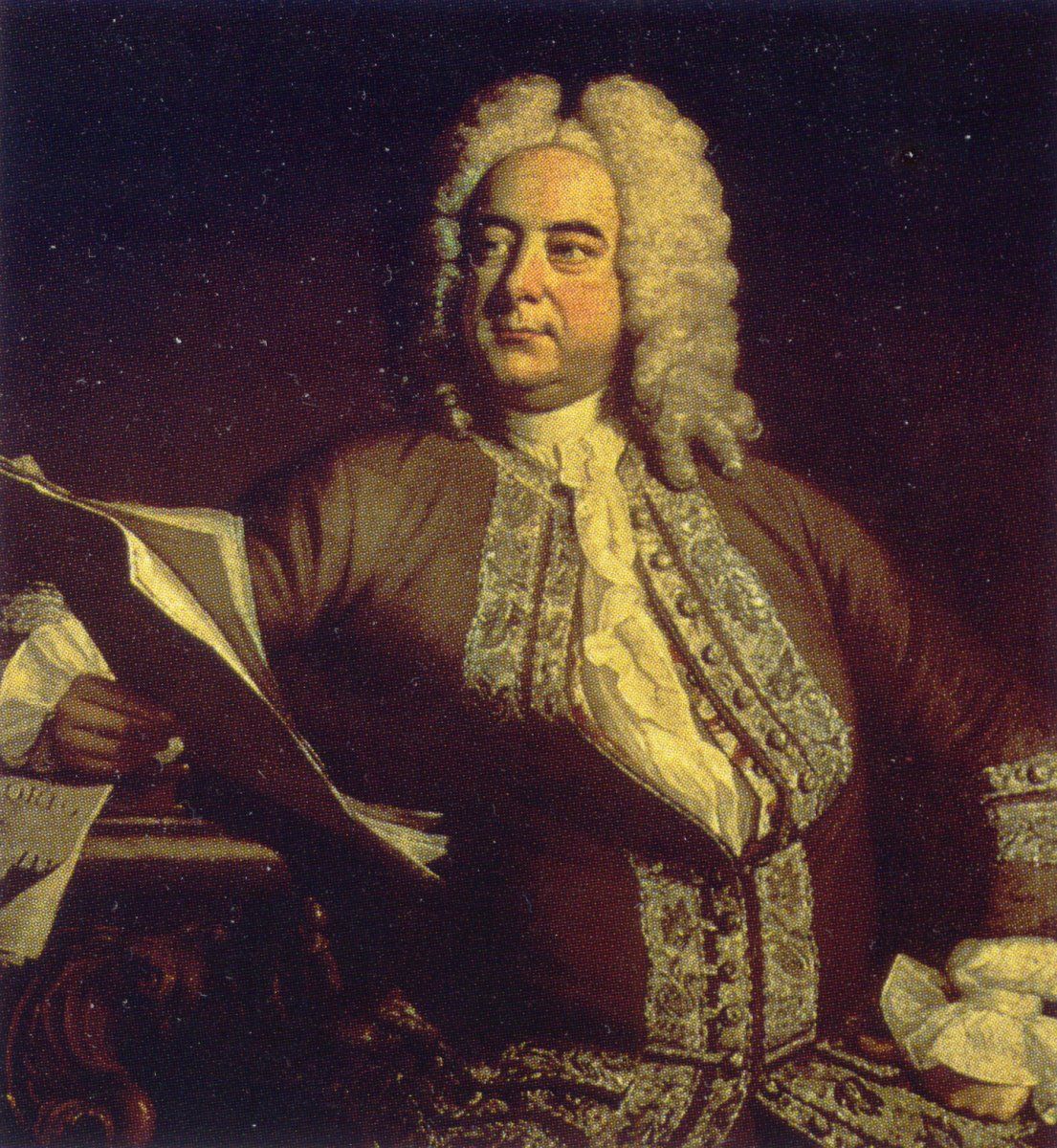
Beethoven is remembered to have praised Handel on numerous occasions. “Handel is the greatest composer who ever lived,” he said. “I would uncover my head and kneel down on his tomb.” On his deathbed, he indicated an edition of Handel’s works and said, “There is the truth.”
Upon hearing the “Hallelujah Chorus,” Haydn wept and declared, “He is the master of us all.”
Mozart said, “He understands effect better than any of us – when he chooses, he strikes like a thunderbolt.”
Berlioz? Berlioz called him “a tub of pork and beer.” Knowing what I do of Handel, he probably would have enjoyed that best of all.
Happy birthday, George Frideric Handel (1685-1759).
“Ariodante” was the opera I hated most when I first heard it in 1990. Now I hold it dear. Funny how things change.
“Scherza infida”
“Dopo notte”
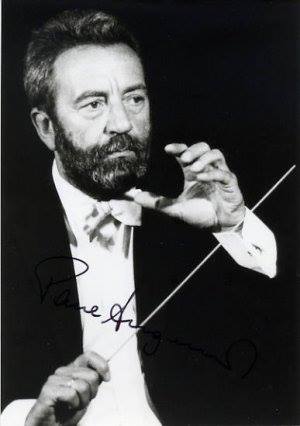
I don’t know if you remember Paul Angerer. The Austrian violist and later conductor died on Wednesday at the age of 90. We’ll hear him leading a Handel concerto grosso at around 4:35 EDT. Then I’ll follow that up with one of Angerer’s own compositions (yes, he was also a composer). Tune in now to WWFM – The Classical Network and wwfm.org.
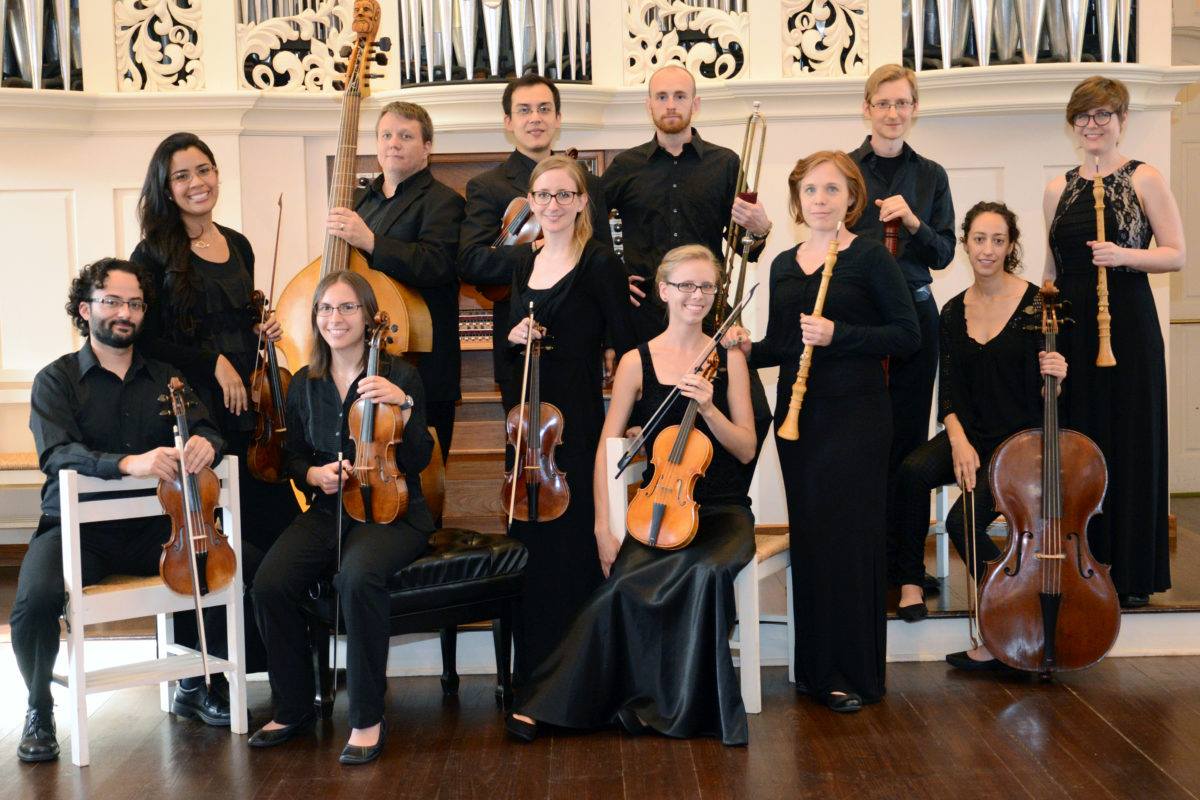
Goin’ for Baroque:
The Princeton Festival Baroque Orchestra will spread its wings in three concerts, which will take place over a little more than a week.
This year, for the first time, principals of the ensemble will come together for a chamber music program on June 17. Personnel will include the orchestra’s concertmaster, Juan Carlos Zamudio, violinist Reynaldo Patino, violist Maria Romero, cellist Anna Steinhoff, contrabassist Eric Fisher, and harpsichordist Gregory Geehern.
Reflective of the broader festival, the concert will feature lesser-heard works by Heinrich Biber, Johann Rosenmüller, and Domenico Gabrielli, alongside heavy hitters Dietrich Buxtehude, George Frideric Handel, and Wolfgang Amadeus Mozart.
The full ensemble will convene on June 21 to present music by Handel, Alessandro Stradella, Johann Adolph Hasse, Georg Philipp Telemann, and Johann Sebastian Bach. Both concerts will take place at Princeton Abbey And Cemetery.
Then, on June 24, the group will participate in a concert with chorus and orchestra. Dr. Jan Harrington will share the podium with conductors from the festival’s conducting masterclass. The program will include Handel’s Chandos Anthem 11a, “Let God Arise,” Antonio Vivaldi’s “Kyrie,” RV 587, Claudio Monteverdi’s “Beatus Vir,” and Jan Dismas Zelenka’s “Miserere.” That concert will be held at Miller Chapel on the campus of Princeton Theological Seminary.
Read more about the Princeton Festival Baroque Orchestra and festival artistic director Richard Tang Yuk in my article in this week’s edition of U.S. 1 Newspaper – PrincetonInfo:
http://www.princetoninfo.com/index.php/component/us1more/?Itemid=6&key=6-14-17baroque
The Princeton Festival runs through June 25. More information and a complete schedule are posted at princetonfestival.org.
Aaron Copland (94) Beethoven (95) Composer (114) Film Music (150) Film Score (143) Film Scores (255) Halloween (102) John Williams (198) KWAX (233) Leonard Bernstein (105) Marlboro Music Festival (125) Movie Music (165) Mozart (91) Opera (215) Philadelphia Orchestra (90) Picture Perfect (174) Princeton Symphony Orchestra (110) Radio (90) Ross Amico (244) Roy's Tie-Dye Sci-Fi Corner (290) The Classical Network (101) The Lost Chord (269) Vaughan Williams (107) WPRB (397) WWFM (881)