Tag: Hekla

  • Jón Leifs Icelandic Composer Rediscovered

    Jón Leifs Icelandic Composer Rediscovered

    No one scores natural phenomena quite like Jón Leifs.

    Leifs, who was born on a farm in northwestern Iceland, traveled to Germany to study music at the Leipzig Conservatory in 1916. Soon after graduation, he married the pianist Annie Reithof, a decision that necessitated some careful maneuvering in the perilous years to come.

    Leifs remained in Nazi Germany through much of World War II. On the surface, his celebration of Norse heroism should have been just the thing to endear him to the National Socialists. However, two things worked against him: the modernistic language of his music, and the fact that his wife and children were Jewish.

    Performances of Leifs’ music were derided or discouraged. This, apparently, he took in his stride, finding solace in re-reading the Icelandic Sagas and finding strength in the exploits of their heroes. Above all, on account of his family, Leifs tried not to attract a lot of unwanted attention. He was still useful for propaganda purposes in Germany’s relations with Scandinavia.

    Leifs finally managed to obtain permission to leave Germany in 1944, his family temporarily settling in Sweden. He and his wife divorced, and Leifs returned to Iceland. There, he was regarded with suspicion due to his Nazi “associations.”

    Also, much of his music was conceived on such a gargantuan scale, and scored for such outlandish instruments, there was no way they could be practically performed. Therefore much of it went unheard in his lifetime.

    In particular, “Hekla,” his evocation of a volcano in eruption, has been called the loudest piece of classical music ever written, requiring 19 percussionists hammering away at a most unconventional arsenal: anvils, stones, sirens, plate bells, chains, shotguns, cannons, and a large wooden stump. For their own well-being, the performers are instructed to wear earplugs.

    His “Saga Symphony,” inspired by prose accounts of battles, feuds, and power struggles of early Viking settlers, is enlivened by tuned anvils, stones, whip, shields of iron, leather, and wood, great wooden containers (played by large hammers), and six lurs – copies of ancient long horns.

    Leifs’ music can be austere to the Nth degree. The severity of his art is reflective of the unforgiving-yet-sublime Icelandic landscape and the stoicism of the heroes of the sagas. His is a wholly unique voice in 20th century music that deserves to be much better known. `

    Join me this afternoon, as we remember Leifs on the 50th anniversary of his death. I’ll go easy on you by vaulting over the volcanoes and geysers and presenting instead the elemental “Iceland Overture” and the “Variazioni pastorale” – his variations on a theme by Beethoven.

    The Viking longboat will be well-provisioned. Be ready to row, from 4 to 7 p.m. EDT, on WWFM – The Classical Network and wwfm.org.


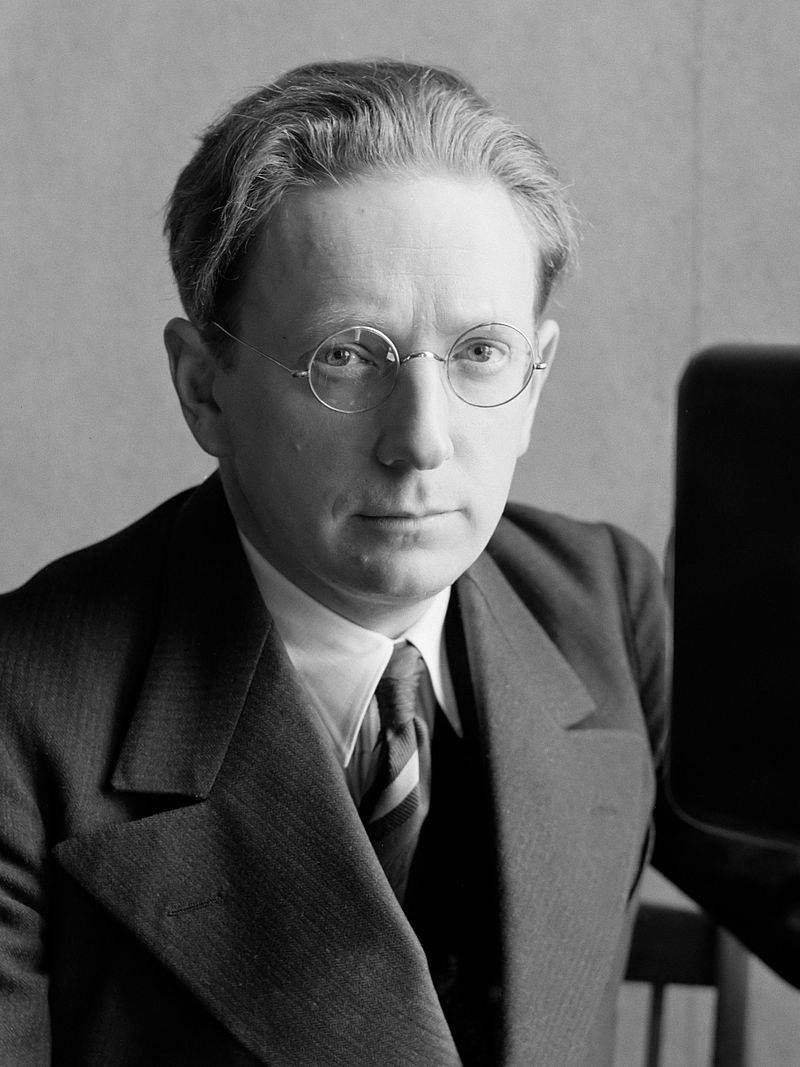
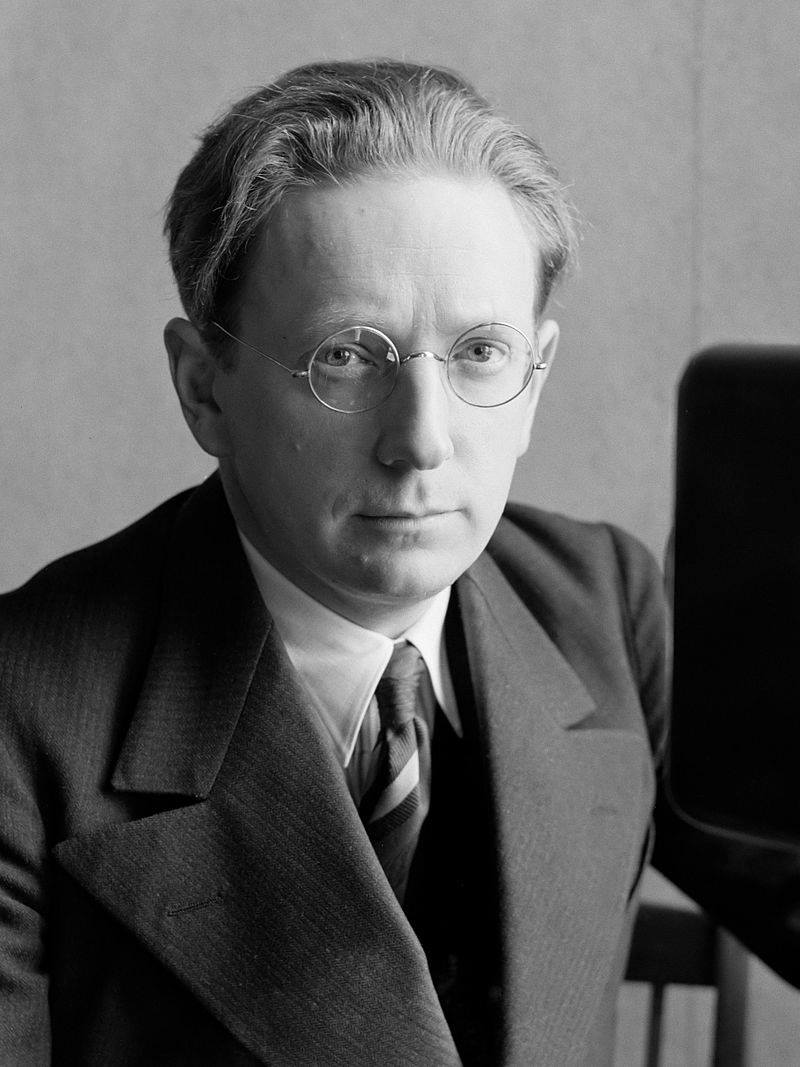
    PHOTOS: Jón Leifs and Hekla
  • Volcanic Eruptions in Classical Music

    Volcanic Eruptions in Classical Music

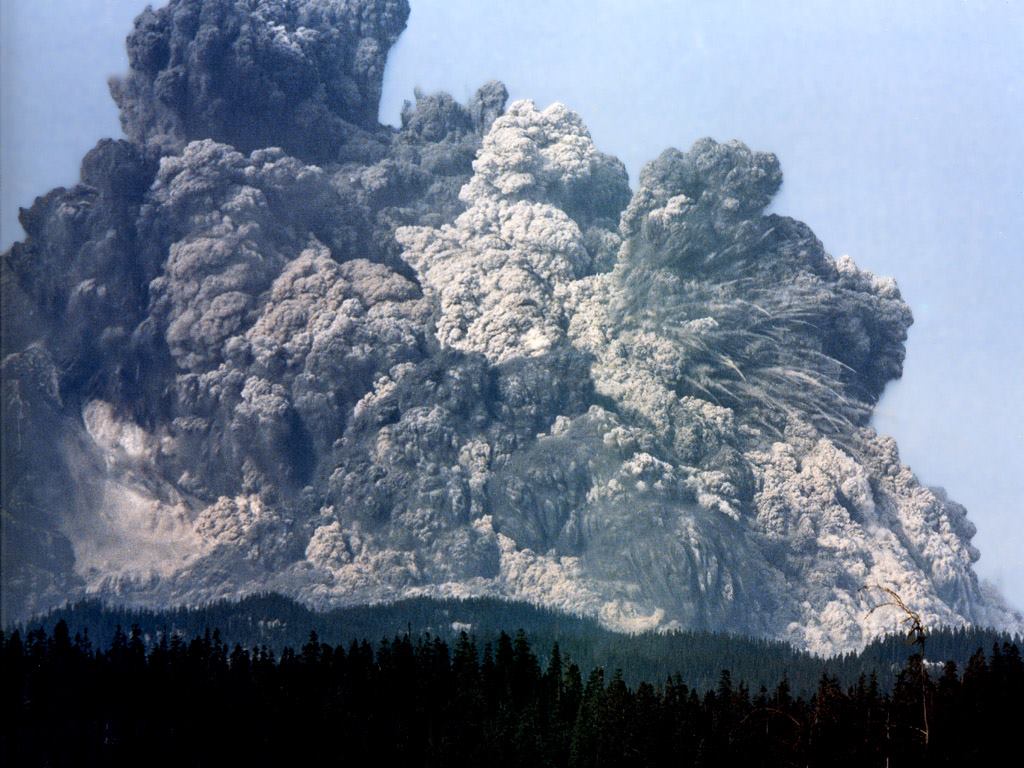
    When is cauliflower not good for you? When it turns out that it’s actually Mount St. Helens.

    Mount St. Helens blew on May 18, 1980, killing 57 people, reducing hundreds of square miles to wasteland, and causing over $1 billion in damage. It also happened to inspire a symphony by Alan Hovhaness.

    This Sunday night on “The Lost Chord,” with so much Hawaiian volcanic activity in the news of late, I thought it a good time to revisit Hovhaness’ “Mount St. Helens” Symphony, alongside two works by Icelandic genius Jon Leifs.

    Hovhaness was moved to write his Symphony No. 50 in the wake of Helens’ cataclysmic eruption, the deadliest in U.S. history. The composer always viewed mountains as symbols of man’s attempt to know God – symbolic meeting places between the mundane and spiritual worlds.

    The friction of the natural and the spiritual inform the progression of the symphony, from a sense of grandeur in the first movement, a prelude and fugue in praise of Helens; the placidity of Paradise Lake, the beauty of which disappeared forever; and the volcano itself, recalled in the third and final movement, most percussively rendered. The violence subsides, and the dawn hymn of the opening returns in triumph.

    Hovhaness’ volcano symphony is like a walk in the park alongside Leifs’ mad inspirations. Leifs’ “Hekla,” from 1961, is probably the closest you’ll ever want to get to a volcanic eruption. Requiring 19 percussionists banging away on anvils, stones, sirens, plate bells, chains, shotguns, cannons, and a large wooden stump, it has been called the loudest piece of classical music ever written. For their own well-being, the performers were instructed to wear earplugs.

    As a bonus, with what’s left of our hearing, we’ll also enjoy “Volcanic Eruption and Atonement” from Leifs’ ballet, “Baldr.”

    If there was a degree awarded for distinguished achievement in volcanic music, these composers would certainly have graduated “Magma Come Loudly.” Prepare to be blown away, this Sunday night at 10:00 EDT, on WWFM – The Classical Network and wwfm.org.


    PHOTO: That ain’t cauliflower: Mount St. Helens in 1980

  • Jón Leifs Icelandic Heroism in Music

    Jón Leifs Icelandic Heroism in Music

    Jón Leifs’ music can be austere to the Nth degree, its severity reflective of the unforgiving yet sublime Icelandic landscape and the stoicism of the heroes of the Icelandic sagas. His is a wholly unique voice in 20th century music, which deserves to be much better known.

    Leifs, who studied at the Leipzig Conservatory, was caught in Nazi Germany through much of World War II. On the surface, his celebration of Norse heroism should have been just the thing to endear him to the National Socialists. However two things worked against him: the modernistic language of his music, and the fact that his wife and children were Jewish.

    Performances of Leifs’ music were derided or discouraged. This, apparently, he took in his stride, delighting in re-reading the Icelandic Sagas and living vicariously through the exploits of their heroes. Because of his family’s precarious safety, Leifs tried not to draw a lot of attention to himself. He was still useful for propaganda purposes in Germany’s relations with Scandinavia.

    For the record: despite their shared interest in Nordic themes, Leifs found Wagner’s “Ring Cycle” repellent, feeling that Wagner had completely misunderstood the essence and artistic tradition of the North. In fact, he went so far as to state that much of his output was written as a specific protest against Wagner.

    Leifs finally managed to obtain permission to leave Germany in 1944. His family temporarily settled in Sweden. He and his wife divorced, and Leifs returned to Iceland, where he found himself regarded with suspicion for his “Nazi assocations.”

    It didn’t help that much of his music was conceived on such a gargantuan scale – and scored for such outlandish instruments – there was no way it could be practically performed. A lot of it simply went unheard in his lifetime.

    His works are notable for their sparsity, their passages of stasis, and for their unconventional use of wooden hammers, tree stumps, chains, anvils, shields and Viking long horns.

    Leifs had a tendency to write on a scale worthy of his subject matter: the heroism of the Norse sagas and the grandeur of the Icelandic landscape, with its geysers, waterfalls and volcanoes. His orchestral work “Hekla,” about a volcanic eruption, has the reputation of being the loudest piece of orchestral music ever written. Here it is:

    Happy birthday, Jon Leifs (1899-1968).

Tag Cloud

Aaron Copland (92) Beethoven (95) Composer (114) Film Music (123) Film Score (143) Film Scores (255) Halloween (94) John Williams (187) KWAX (229) Leonard Bernstein (101) Marlboro Music Festival (125) Movie Music (138) Opera (202) Philadelphia Orchestra (89) Picture Perfect (174) Princeton Symphony Orchestra (106) Radio (87) Ralph Vaughan Williams (85) Ross Amico (244) Roy's Tie-Dye Sci-Fi Corner (290) The Classical Network (101) The Lost Chord (268) Vaughan Williams (103) WPRB (396) WWFM (881)

DON’T MISS A BEAT

Receive a weekly digest every Sunday at noon by signing up here


RECENT POSTS