Tag: Mardi Gras

  • Mardi Gras Music from New Orleans

    Mardi Gras Music from New Orleans

    This Sunday night on “The Lost Chord,” it’s Mardi Gras season. We’ll adorn ourselves in purple, gold, and green, and carve ourselves some King Cake, as we listen to music from and about New Orleans.

    Henry F. Gilbert, a slightly older contemporary of Charles Ives, and a composer of the New England School, was concerned with introducing folk song and the vernacular to the concert hall. His interest in the music of African Americans, then considered controversial, is reflected in works like “The Dance in Place Congo,” from 1908, a programmatic piece on Creole themes, suggestive of Sunday afternoon festivities of off-duty New Orleans slaves gathered in Congo Square.

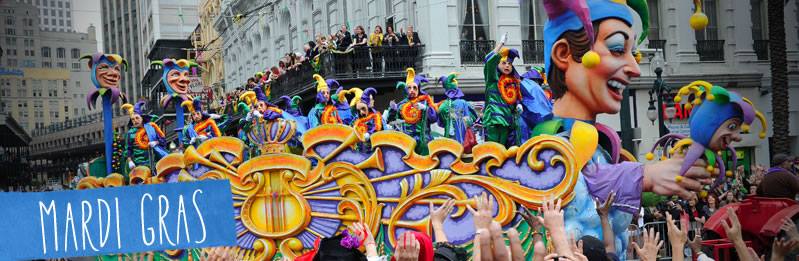
    We’ll also hear a piece by Chicago area composer Edward Joseph Collins, actually titled “Mardi Gras,” from 1923. Collins described the work as “boisterous and bizarre by turns,” evocative of the spirit of Carnival, with its enormous masks and clowns on stilts, colored streamers, confetti, lurid lights, fantastic floats and grotesque costumes.

    Three Creole Romantics will offer some insiders’ views, as we hear works by Edmond Dédé, Charles Lucièn Lambert, and Louis Moreau Gottschalk, all figures born in New Orleans.

    Laissez les bons temps rouler! I hope you’ll join me for “Louisiana Purchases,” this Sunday night at 10:00 EST, on WWFM – The Classical Network and wwfm.org.
  • Shrove Tuesday: Carnival Music & Doughnuts

    Shrove Tuesday: Carnival Music & Doughnuts

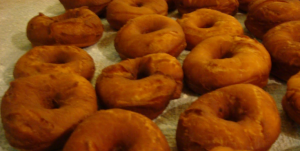
    It’s Shrove Tuesday. Mardi Gras. Fastnacht Day. The last day to stuff down as many doughnuts as you can before the start of Lent.

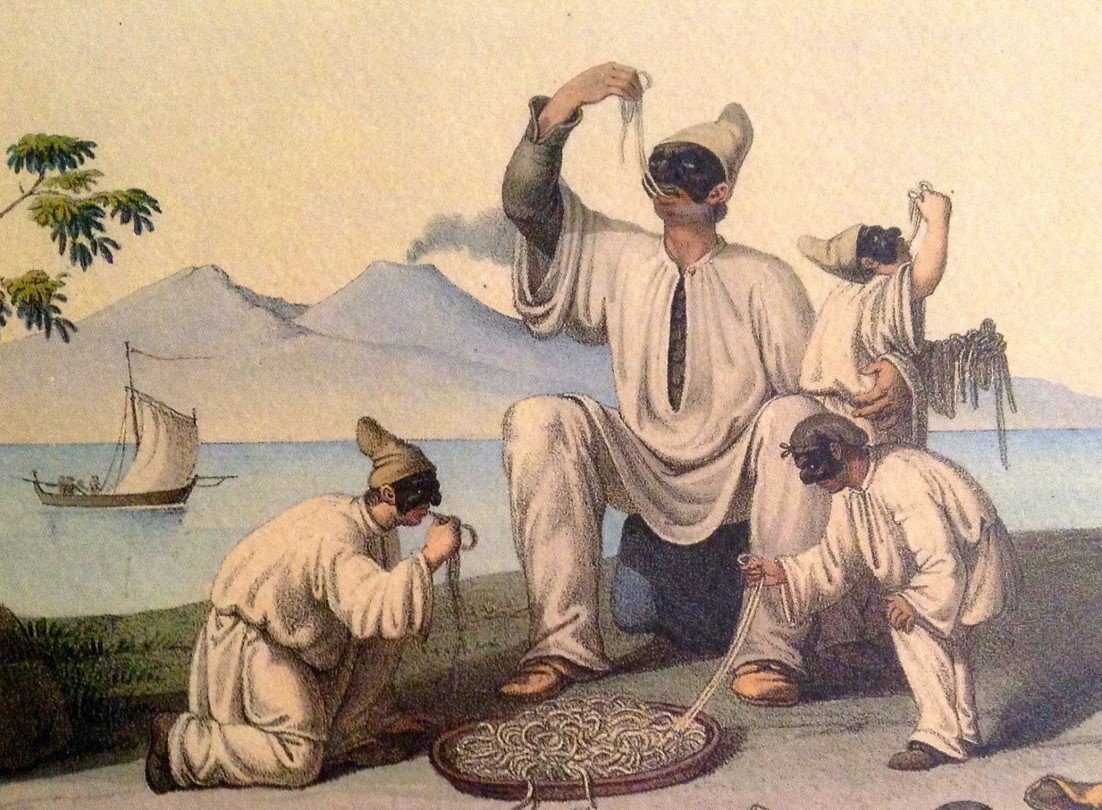
    To mark the occasion, we’ll have music this afternoon about Carnival, with an emphasis, perhaps, on the Carnival of Venice, including musical depictions of stock characters of the commedia dell’arte, figures like Pulcinella, Scapino, Scaramouche, Columbina and Pierrot.

    We’ll also touch on New Orleans with some pieces inspired by Mardi Gras, with perhaps a few works thrown into the mix by Creole composers.

    All that will follow today’s “Noontime Concert.” I’ll mostly be pressing the buttons this afternoon and providing the connective material, as my colleague David Osenberg will be joined by composer Michael Ippolito, violist Nathan Schram of the Attacca Quartet, and composer and impresario Paola Prestini for another program which took place at National Sawdust in Williamsburg, Brooklyn.

    The concert will begin at 12:00 EST; the Carnival music will commence immediately following. I’ll be dunking the doughnuts until 4 p.m., on WWFM – The Classical Network and at wwfm.org.


    Pulcinella che mangia spaghetti

  • Revelry’s Desperate Dance Before Lent

    Revelry’s Desperate Dance Before Lent

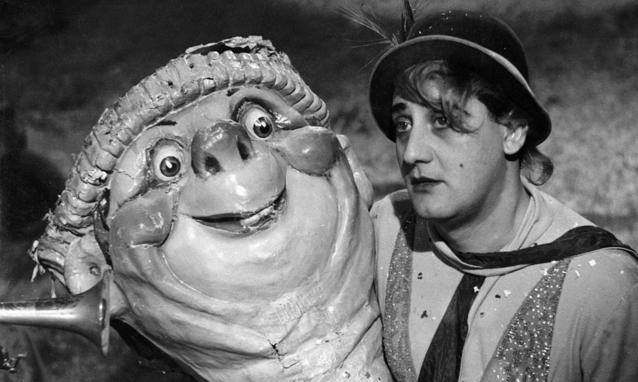
    I know I posted this clip before, but to me it so perfectly encapsulates the pitiful desperation of revelry, the sense of dancing around the mouth of the grave that characterizes so many “festive” occasions – New Year’s, Mardi Gras, bachelor parties, Spring Break, Saturday night – and the encroaching desolation of the day after. We drink, we laugh, we dance, and then we stagger home like Alberto Sordi, lashed to a papier-mâché head.

    Have a great Lent, everybody!

  • Fasnacht Day Memories Grandmother’s Recipe

    Fasnacht Day Memories Grandmother’s Recipe

    Fasnacht Day! That happy day when I’d blow into the house, an oblivious boy, and be arrested by the smell of freshly made doughnuts. I never understood when it would happen, or its significance. All I knew is that I’d come home one day to find my grandmother frying the most heavenly treats.

    Why fasnacht? When I asked, my grandmother didn’t know. I suppose it’s something she did by rote. But go ahead and look it up on the internet. A fasnacht is a fried doughnut served up on Shrove Tuesday (Fat Tuesday, if you prefer), on the eve of Lent. I guess traditionally it was a way to clear out all the tasties that, as a good Christian, you’re not supposed to eat again until Easter. Be that as it may, I would think any good done by the fast would be offset by the indulgence of so much fried lard up front.

    I miss those doughnuts. Now THOSE were doughnuts. The closest I’ve been able to find out in the real world are the Italian zeppoli. Not quite the same – and apparently the zeppoli can vary – but they have a similar, unhealthy, fried, powdered sugary goodness. If you find a light and puffy zeppola, it would bear little resemblance to my grandmother’s fasnachts, which were always quite cakey.

    My grandmother was an undistinguished cook, but boy could she make fasnachts.

    I know I’m mixing traditions, but “Laissez les bon temps roulez!”


    “Mardi Gras” by American composer Edward Joseph Collins:

    Roman Carnival antics by Giovanni Croce:


    PHOTO: You’ll find fasnachts in all varieties, but these best resemble my grandmother’s recipe.

  • New Orleans Music Mardi Gras Special

    New Orleans Music Mardi Gras Special

    This Sunday night on “The Lost Chord,” with the approach of Mardi Gras, we’ll hear music from and about New Orleans.

    Henry F. Gilbert, a slightly older contemporary of Charles Ives, and a composer of the New England School, was concerned with introducing folk song and the vernacular to the concert hall. His interest in the music of African Americans, then considered controversial, is reflected in works like “The Dance in Place Congo,” from 1908, a programmatic piece on Creole themes, suggestive of the Sunday afternoon festivity of off-duty New Orleans slaves gathered in Congo Square.

    We’ll also hear a piece by the Chicago area composer Edward Joseph Collins, actually titled “Mardi Gras,” from 1923. Collins described the work as “boisterous and bizarre by turns,” evocative of the spirit of Carnival, with its enormous masks and clowns on stilts, colored streamers, confetti, lurid lights, fantastic floats and grotesque costumes.

    Three Creole Romantics will offer some insiders’ points of view, as we hear works by Edmond Dédé, Charles Lucièn Lambert, and Louis Moreau Gottschalk, all figures born in New Orleans.

    I hope you’ll join me for “Louisiana Purchases,” tonight at 10 ET, with a repeat Wednesday evening at 6, or that you’ll listen to it as a webcast at http://www.wwfm.org.

Tag Cloud

Aaron Copland (92) Beethoven (95) Composer (114) Film Music (123) Film Score (143) Film Scores (255) Halloween (94) John Williams (187) KWAX (229) Leonard Bernstein (101) Marlboro Music Festival (125) Movie Music (138) Opera (202) Philadelphia Orchestra (89) Picture Perfect (174) Princeton Symphony Orchestra (106) Radio (87) Ralph Vaughan Williams (85) Ross Amico (244) Roy's Tie-Dye Sci-Fi Corner (290) The Classical Network (101) The Lost Chord (268) Vaughan Williams (103) WPRB (396) WWFM (881)

DON’T MISS A BEAT

Receive a weekly digest every Sunday at noon by signing up here


RECENT POSTS