Tag: Met Opera

  • Death on the Nile:  Samuel Barber’s “Antony and Cleopatra” Opens the Met at Lincoln Center

    Death on the Nile: Samuel Barber’s “Antony and Cleopatra” Opens the Met at Lincoln Center

    60 years ago today, the Metropolitan Opera consecrated its new house at New York’s Lincoln Center with the world premiere of Samuel Barber’s “Antony and Cleopatra.” Adapted from Shakespeare’s play, the libretto was fashioned by Franco Zeffirelli.

    Zeffirelli could be a fine director, but in the opera house his lust for opulence and grandeur threatened to obscure the human drama. Here, his vision of “Cabiria”-style excess – with 22 principal singers, chorus, dancers (choreographed by Alvin Ailey), extras, and live camels – swelled the cast to 400 players. Many years later, I worked with Justino Diaz, who sang Antony, and he described the opulence of the production as being like Zeffirelli’s “Turandot” times 20.
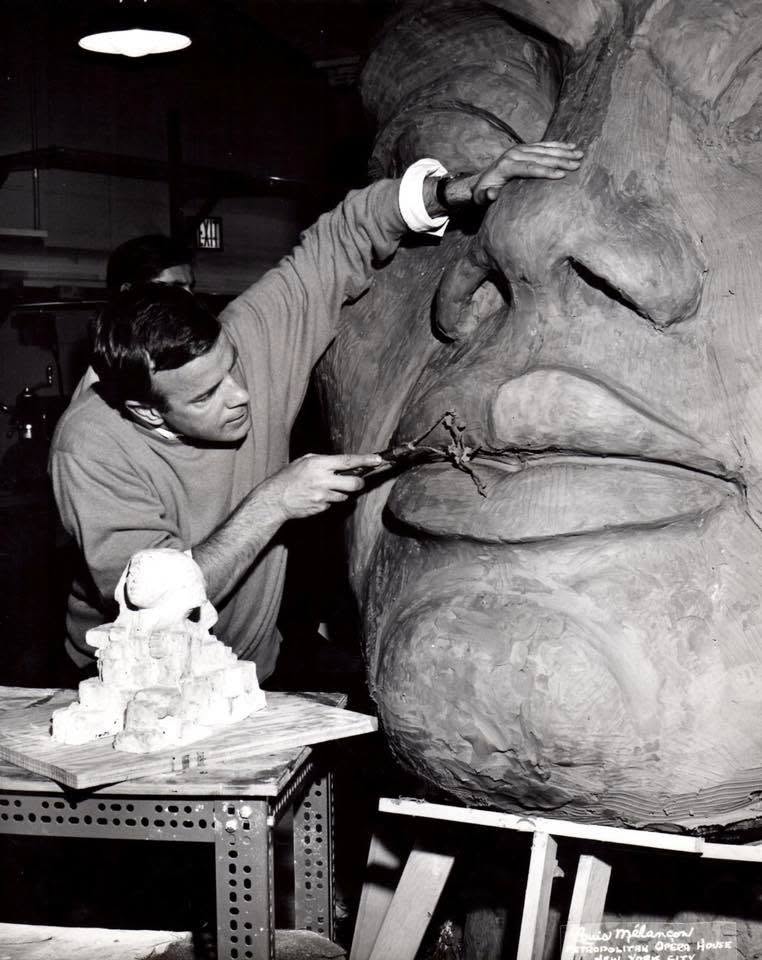

    There was only so much of this that Barber, or even Shakespeare, could take. The excess of steel, brass, and aluminum sets pushed the house’s state-of-the-art technology to the literal breaking point. The weight proved too much for the newly installed revolving stage, and Leontyne Price, who sang Cleopatra, was trapped inside a hydraulically-operated pyramid. Fortunately, that was during rehearsals, but the costumes continued to prove cumbersome, the technical workarounds awkward, and the spectacle soul-numbingly vulgar. Audience response to the overinflated production made for a cool night in the desert. As for the critics… you think Julius Caesar had it bad?

    You can imagine how Barber, elegant and reserved two-time Pulitzer Prize winner (one for an earlier opera, “Vanessa,” introduced at the Old Met) and composer of the ubiquitous “Adagio for Strings,” would have taken it. In the years following the work’s brutal reception, he struggled with depression and alcoholism.
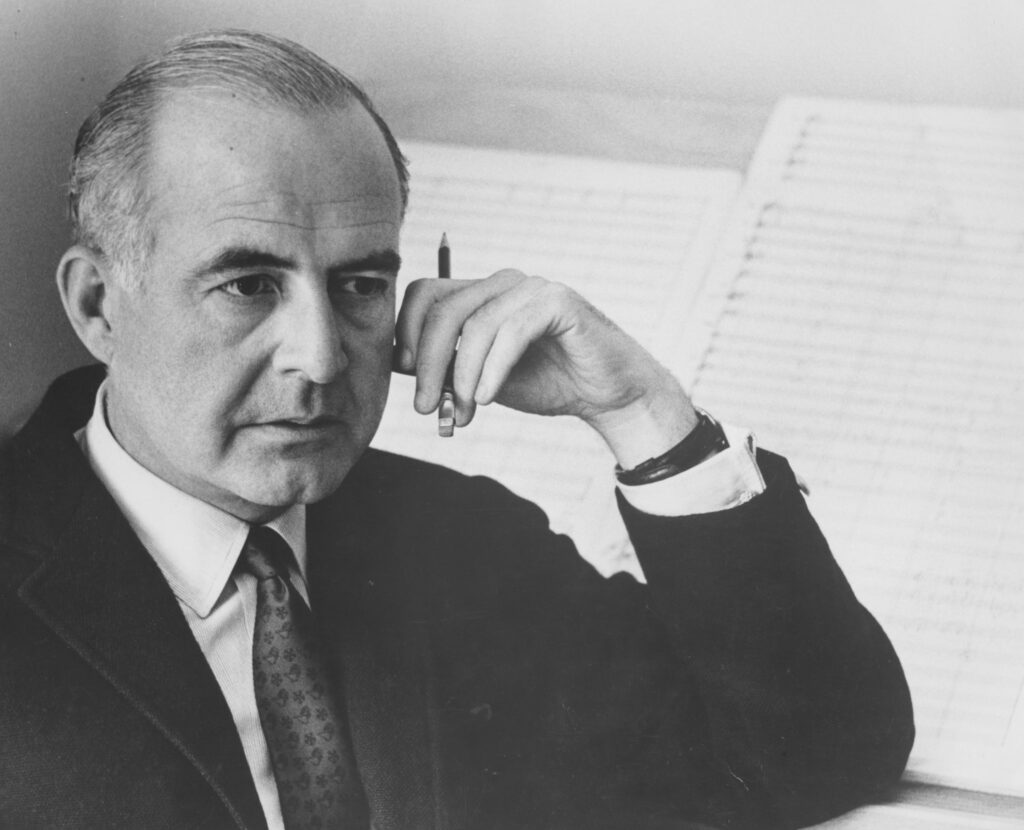

    “Antony and Cleopatra” was extensively revised by Barber and Gian Carlo Menotti in an edition first performed in 1975. Barber also prepared a concert suite, “Two Scenes from ‘Antony and Cleopatra,’” for Price.

    Barber provided two other works for the opening of Lincoln Center: the Piano Concerto, which earned him his second Pulitzer, and a piece for soprano and orchestra, “Andromache’s Farewell.” The former was performed by John Browning and the Boston Symphony Orchestra conducted by Erich Leinsdorf. The latter was performed by Martina Arroyo and the New York Philharmonic conducted by Thomas Schippers.
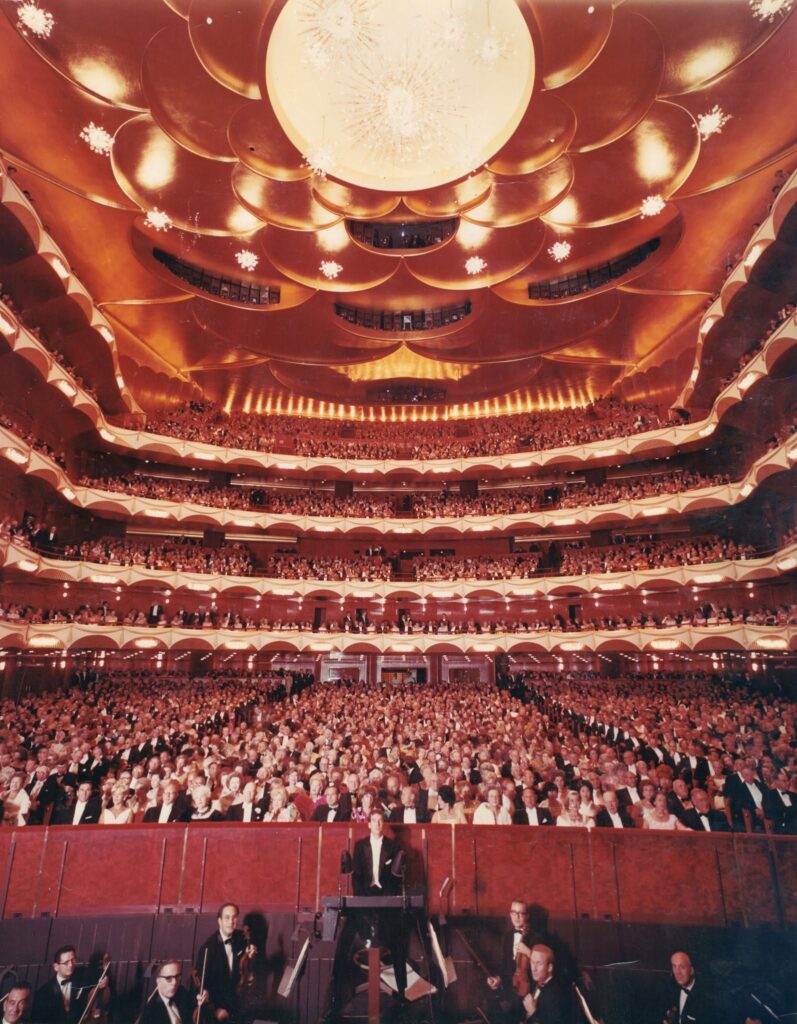

    Thankfully, the Met transcended the failure of its opening run. The cavernous, 3800-seat opera house – the largest in the world – has seen some magnificent performances over the decades, featuring many of the world’s – and history’s – greatest singers.

    As you can imagine, you need stellar voices, compelling music, and solid productions to fill such a venue night after night, and in recent years, the Met has struggled. There are plenty of performances that sell out – a lot of the new operas make for good theater, even if the composers can’t compete with Puccini – but new productions of the classics that go dark and contemporary, in a bid for “relevance,” often misfire. Most crucially, voices and personalities that can whip audiences into the kinds of frenzies that greeted the greatest singers of the past are always rare.

    Not all the challenges facing the Met are of the house’s creation. The industry and culture have shifted enormously since the ‘90s. The collapse of the record industry, the selling off or dumbing down of classical music radio stations, the lack of television, magazine, and newspaper exposure, cuts to music education, a shift in the priorities of the donor class, changes in the approaches to vocal training, and lack of interest in opera or classical music within the home have marginalized opera, as an art form, as an entertainment, and as an aspirational, inspirational pursuit with the power to lift us outside ourselves.

    Still, there’s plenty of magic left in the Met. This season, I’m curious to see – and hear – what Missy Mazzoli makes of “Lincoln in the Bardo.”

    ———-

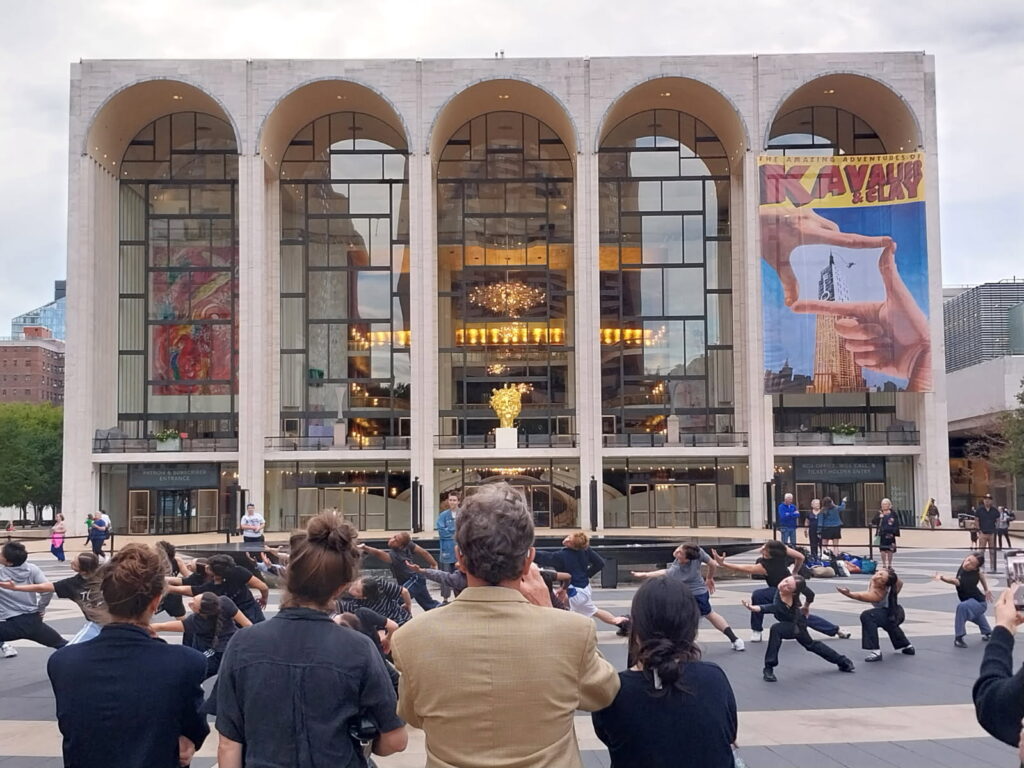
    Documentary teasing “Antony and Cleopatra,” with Barber, Zeffirelli, Price, Thomas Schippers, Rudolf Bing, and Marc Chagall, who painted the Met’s iconic dual murals – which the organization has been trying to sell, with the provision that they continue to be displayed in the Met lobby.
  • Kavalier & Clay Opera: Chabon’s Szymanowski Secret

    Kavalier & Clay Opera: Chabon’s Szymanowski Secret

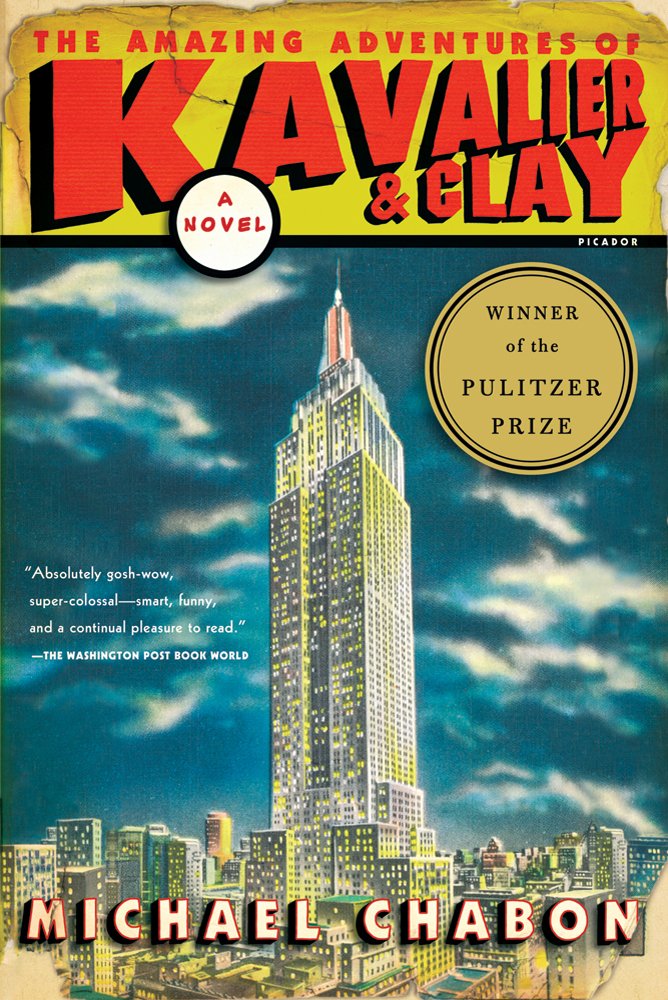
    I’ve been rereading “The Amazing Adventures of Kavalier & Klay” to refresh my memory, in advance of checking out Mason Bates’ new opera at the Met this week. A little while ago, I watched an unrelated interview with the book’s author, Pulitzer Prize winner Michael Chabon, who straddles the worlds of “serious” and pop cultural fiction (i.e. comic books, the pulps, genre pastiche) with the authority of a literary colossus. The interview was geared toward young readers, and one of the things he recommended was making an effort to read outside one’s comfort zone. By that, he means not only reading about subjects to which one wouldn’t ordinarily gravitate, but also getting to know different characters by writers who come from diverse backgrounds, as it can really expand one’s understanding and empathy for other perspectives. It’s clear that Chabon practices what he preaches, as it’s the only explanation for the richness of the world he creates and recalls in “Kavalier & Clay” (much of the book is set during the Great Depression and World War II) and the realistic characters who occupy it.

    For instance, I don’t know what kind of music Chabon enjoys, but clearly he’s an intellectual omnivore. His curiosity about the classics may not extend very deeply into opera (the premiere of “Kavalier & Klay” was the first time he ever set foot in the Met), but it drove him far enough beyond Bach and Beethoven to turn up no less than Karol Szymanowski. Szymanowski, one of Poland’s foremost composers, was born on this date (according to some sources) in 1882. Szymanowski is referenced multiple times throughout “Kavalier & Clay,” and I’m not entirely sure why. It could just be that the author enjoys his music, or perhaps he simply likes the sound of his name (Shim-an-OFF-ski). Or it could be that he is trying to demonstrate, as he lets drop several times throughout the narrative, that many of these characters who are caught up in the pulp, comic, and novelty business are actually very talented people, immigrants who perhaps abandoned their higher aspirations when they settled in the United States and determined to improve their lot. Which would explain why long-suffering publisher Sheldon Anapol is a member of the Szymanowski Society.

    Later in the book, Szymanowski is not mentioned by name when we are told that a portrait of the composer of “Songs of an Infatuated Muezzin” hangs on the wall behind his desk. Holy moly, Chabon! “Songs of an Infatuated Muezzin” isn’t even one of Szymanowski’s better-known works! I wonder if, thematically, the author might also have found the subject matter – a Muslim holy man who, in the execution of his sacred duty to call the faithful to prayer five times a day, finds himself increasingly distracted by erotic thoughts of his beloved – apposite to the situation of one of Chabon’s protagonists, Joe Kavalier, who succumbs to his guilt over the distraction from his primary mission, to get his family out of Nazi-occupied Czechoslovakia. In the meantime, he’s been engaged in a serious affair. Two affairs, actually – one with a free-spirited Greenwich Village bohemian and another, his artistic devotion to comic books – and the reader wonders which passion outstrips the other. In his way, he too is distracted from his sacred duty by a beguiling mistress.

    I don’t know that Chabon had this in mind, but the parallel is there. Or, as I say, it could be that he just likes the music.

    Looking forward to “Kavalier & Clay.” Also, happy birthday, Karol Szymanowski!


    “Songs of an Infatuated Muezzin”

    “The Amazing Adventures of Kavalier & Clay” at the Met

    https://www.metopera.org/season/2025-26-season/the-amazing-adventures-of-kavalier–clay/

    Szymanowski’s Violin Concerto No. 2, recorded by Henryk Szeryng

    Michael Chabon interview geared to young readers


    CLOCKWISE FROM LEFT: The novel, a still from the opera, and Karol Szymanowski

  • Cendrillon Streaming Free From The Met

    Cendrillon Streaming Free From The Met

    If you missed it in June, you’ve got a second chance. The Met is streaming Jules Massenet’s “Cendrillon” for 24 hours, beginning this evening at 6:00 EDT.

    While I concede that Massenet may not be at the top of every opera-lover’s wish list, this production is a gem, and not to be missed.

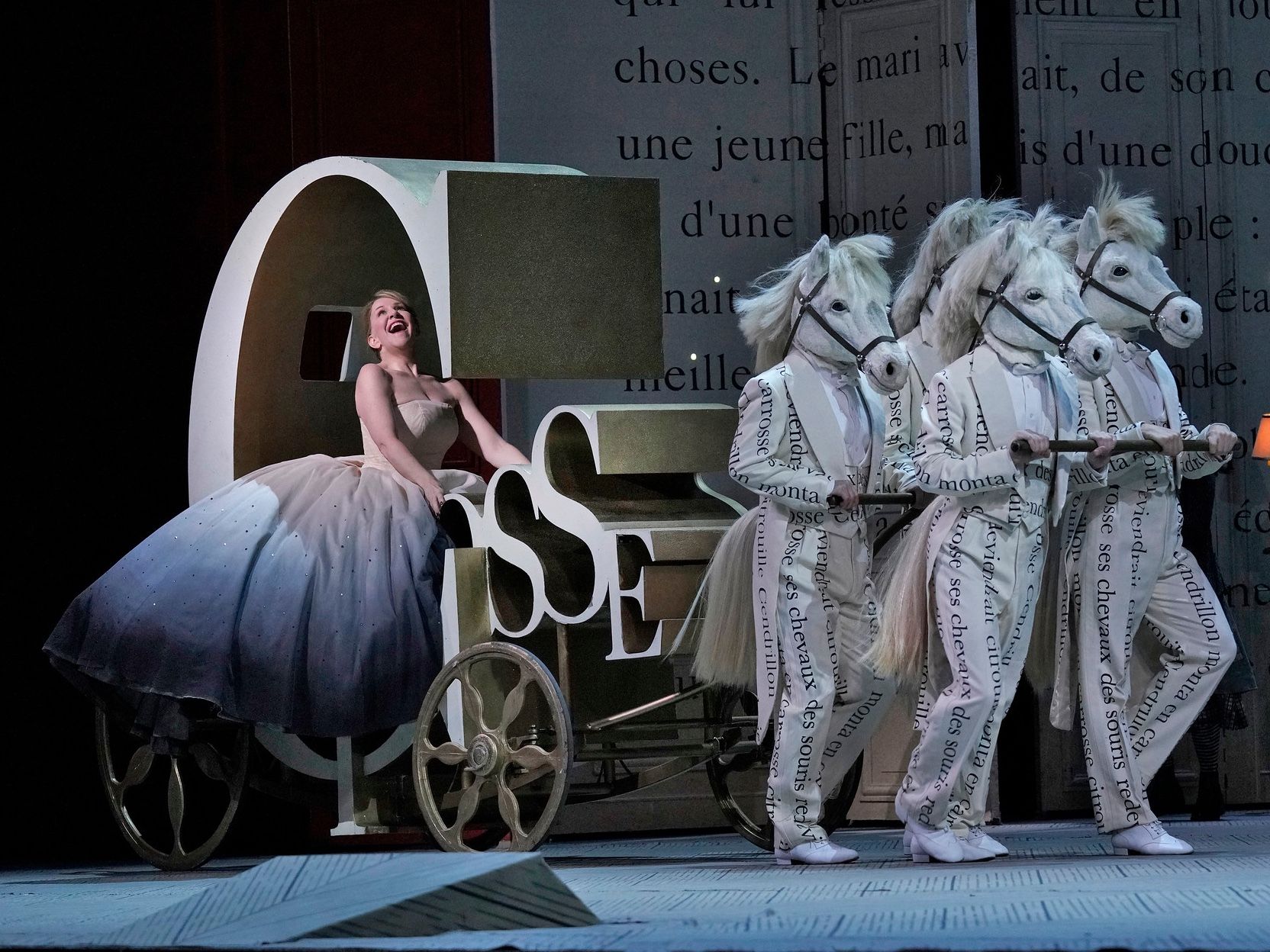
    Massenet’s Cinderella springs from the page, with literal writing on the wall and a team-and-carriage rendered in typeset. Also, a playfully-imagined gallery of fairy tale grotesques in the supporting cast. There is a charm to Laurent Pelly’s staging that I find particularly refreshing, in an era when the thinking seems to be that everything has to trend toward the dark.

    If you’re a fan of classic children’s book illustrations, don’t miss this one. With Joyce DiDonato in the title role – and Stephanie Blythe as the wicked stepmother – it’s difficult to resist.

    To learn more, visit metopera.org.

  • Met Opera Week: Free Berlioz Operas!

    Met Opera Week: Free Berlioz Operas!

    TWO Berlioz operas in one week!

    Here’s a complete schedule of this week’s Met “Live in HD” encores. You know the drill. The operas stream free, for approximately 23 hours, beginning each day around 7:30 p.m. EDT at metopera.org. Though I have noticed that the switch more often takes place around 6:00. That said, once you hit play, even if it’s 5:00 or 5:30, it’s been my experience that you can watch until the end, provided you don’t try to break. “Manon” is available, allegedly, through 6:30 this evening.

    Here’s a complete schedule of this week’s offerings. You’ll find teasers and bonus materials when following the link.

    https://www.metopera.org/user-information/nightly-met-opera-streams/week-11/

    Monday, May 25
    Berlioz’s La Damnation de Faust
    Starring Susan Graham, Marcello Giordani, and John Relyea, conducted by James Levine. From November 22, 2008.

    Tuesday, May 26
    Verdi’s Ernani
    Starring Angela Meade, Marcello Giordani, Dmitri Hvorostovsky, and Ferruccio Furlanetto, conducted by Marco Armiliato. From February 25, 2012.

    Wednesday, May 27
    Puccini’s Manon Lescaut
    Starring Renata Scotto, Plácido Domingo, and Pablo Elvira, conducted by James Levine. From March 29, 1980.

    Thursday, May 28
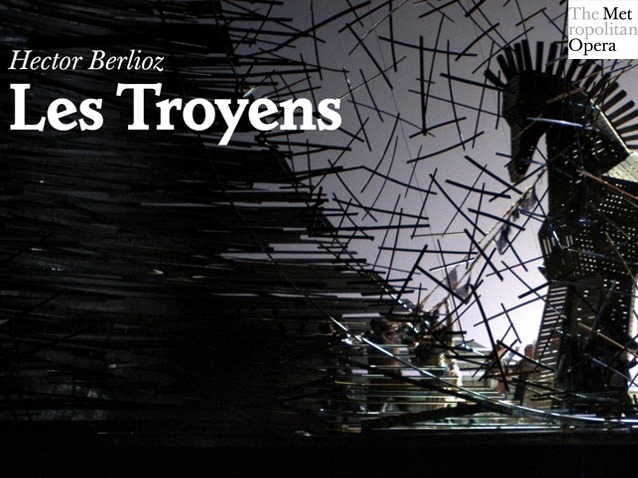
    Berlioz’s Les Troyens
    Starring Deborah Voigt, Susan Graham, Bryan Hymel, and Dwayne Croft, conducted by Fabio Luisi. From January 5, 2013.

    Friday, May 29
    Viewers’ Choice: Bellini’s La Sonnambula
    Starring Natalie Dessay and Juan Diego Flórez, conducted by Evelino Pidò. From March 21, 2009.

    Saturday, May 30
    Donizetti’s L’Elisir d’Amore
    Starring Pretty Yende, Matthew Polenzani, Davide Luciano, and Ildebrando D’Arcangelo, conducted by Domingo Hindoyan. From February 10, 2018.

    Sunday, May 31
    Strauss’s Salome
    Starring Karita Mattila, Ildikó Komlósi, Kim Begley, Joseph Kaiser, and Juha Uusitalo, conducted by Patrick Summers. From October 11, 2008.

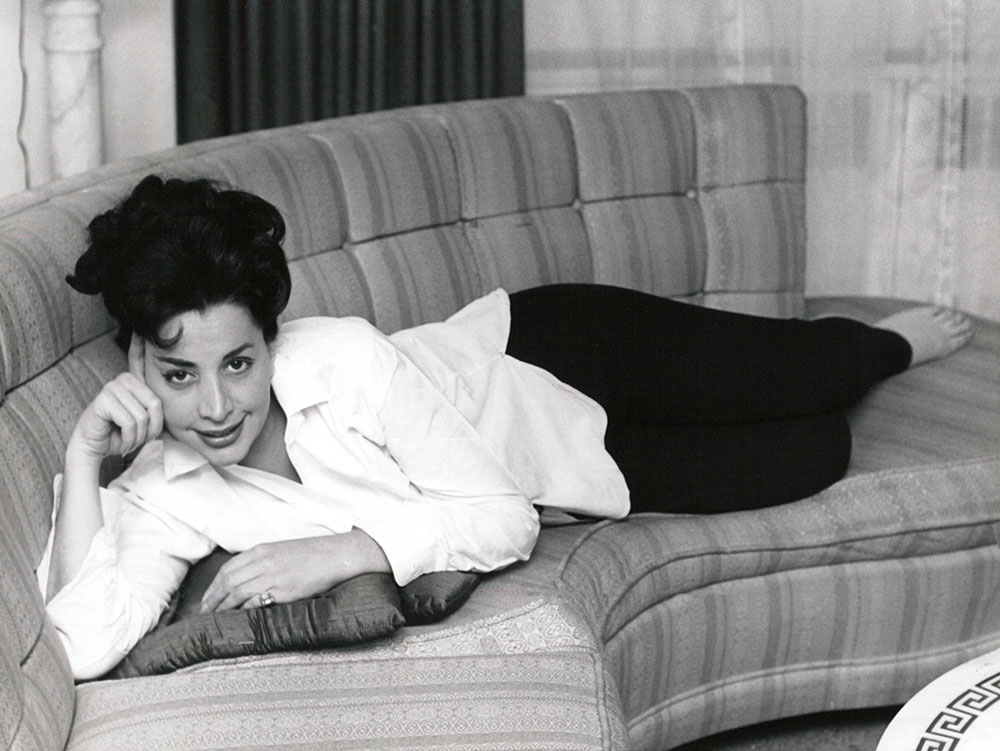
  • Rosalind Elias Met Opera Mezzo Dies at 90

    Rosalind Elias Met Opera Mezzo Dies at 90

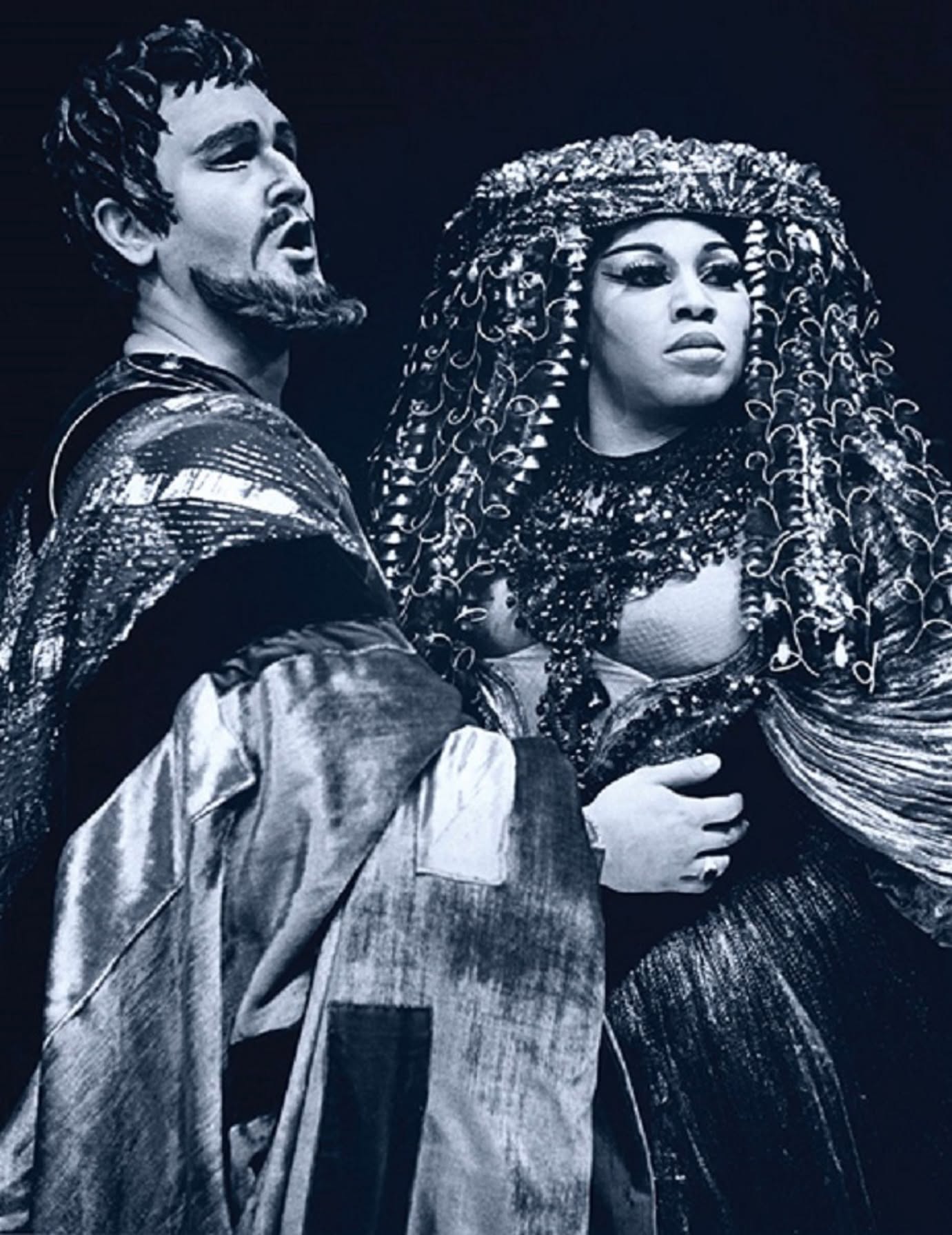
    The Met has lost one of its great mezzos. Rosalind Elias died yesterday at the age of 90. Over 35 seasons, Elias assumed 50 roles. In all, she sang at the Met 687 times. She made her Broadway debut in Stephen Sondheim’s “Follies” as recently as 2011.

    As Carmen:

    As Zerlina:
    https://www.youtube.com/watch?v=v6uOHHgoa5c

    As Erika in Samuel Barber’s “Vanessa”

    In “Follies”:

    Elias singing at 83!

    2-part interview on “Classic Talk”

Tag Cloud

Aaron Copland (94) Beethoven (95) Composer (114) Film Music (148) Film Score (143) Film Scores (255) Halloween (97) John Williams (196) KWAX (232) Leonard Bernstein (105) Marlboro Music Festival (125) Movie Music (163) Mozart (91) Opera (215) Philadelphia Orchestra (90) Picture Perfect (174) Princeton Symphony Orchestra (110) Radio (90) Ross Amico (244) Roy's Tie-Dye Sci-Fi Corner (290) The Classical Network (101) The Lost Chord (269) Vaughan Williams (107) WPRB (397) WWFM (881)

DON’T MISS A BEAT

Receive a weekly digest every Sunday at noon by signing up here


RECENT POSTS