I imagine that if you were looking to break into show business, and you were born Arnold George Dorsey, you could do a lot worse than to change your name. But the choice of “Engelbert Humperdinck” would seem astonishingly counterintuitive. Even so, the pop singer who did just that managed to achieve international fame and sell more than 140 million records.
Dorsey struggled for several years, trying to establish a toehold in the music industry under his own name, until a former roommate, Gordon Mills, suggested he appropriate that of a certain 19th century German composer. Mills turned out to have a certain genius for this kind of thing, since he also advised singer Tom Woodward to take the name of a roistering 1963 comedy, starring Albert Finney, that was adapted from Henry Fielding’s picaresque novel “Tom Jones.”
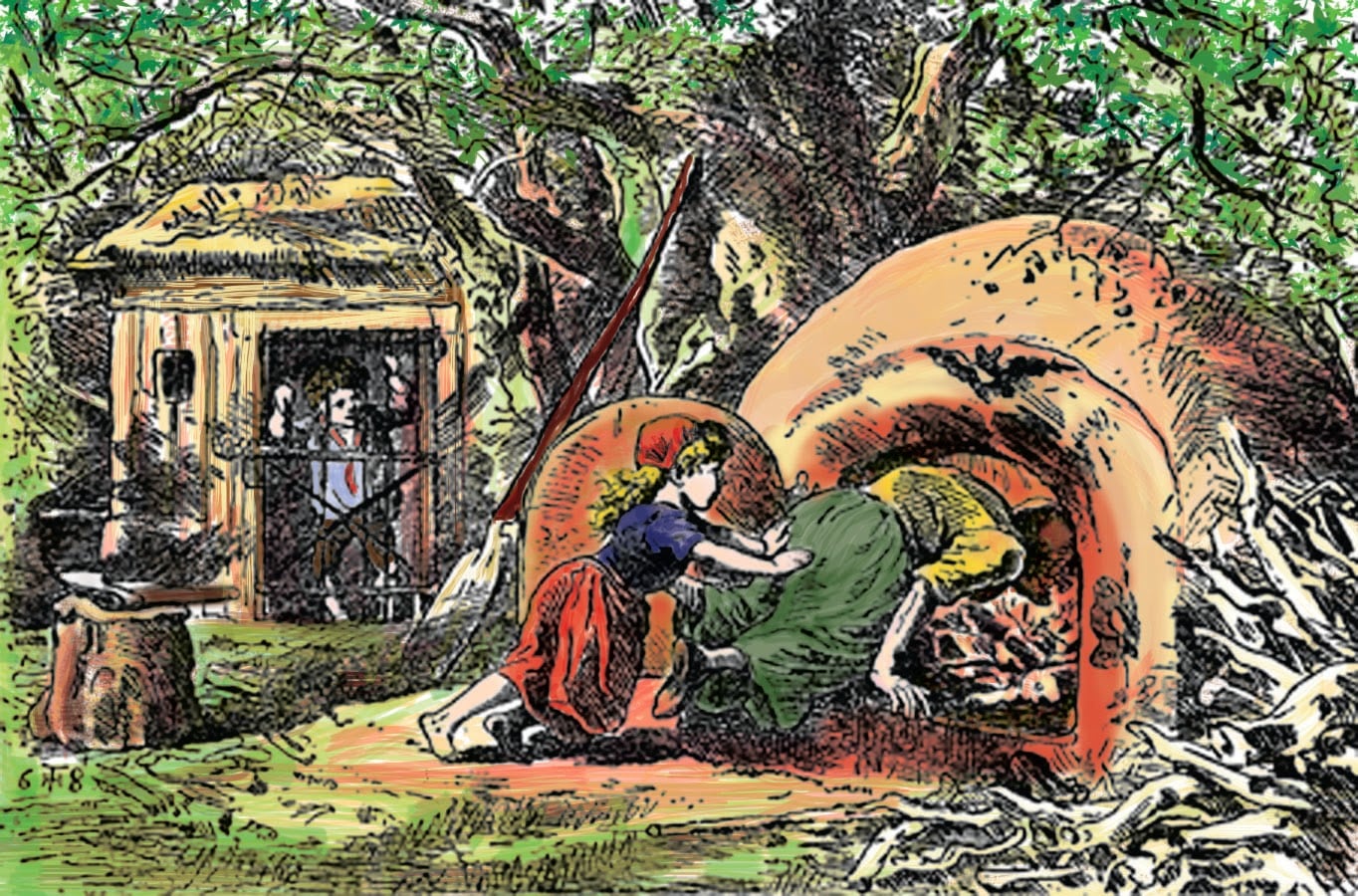
Humperdinck the composer’s greatest hit was the opera “Hansel and Gretel,” which was given its first performance on December 23, 1893, with Richard Strauss conducting. Humperdinck’s magnum opus – which features a Sandman, a Dew Fairy, a Witch, and the imminent threat of cannibalism – has been associated with the Christmas season ever since.
The Brothers Grimm inspiration is the best known in a wave of “märchenopern” (fairy tale operas) that swept Germany in the 19th century. To this genre, Humperdinck also contributed “Königskinder” (“Royal Children”) and “Dornröschen” (“The Sleeping Beauty”), along with a handful of other fantasies for the stage.
Humperdinck died 100 years ago today.
His name was borrowed yet again for the unscrupulous prince, played by Chris Sarandon, in the cult classic “The Princess Bride” – again, adapted from a novel, this time by William Golding.
Actually, “The Princess Bride” would probably have suited composer Humperdinck just fine – although there is a notable lack of irony in his existing operas, a fact that seems to be lost on the Metropolitan Opera, judging from its current nightmare production of “Hansel and Gretel.” Sample it, shorn of all sentiment and spirituality, here:
I mean, it looks cool, in an uncanny sort of way, but it’s also the furthest thing from an “Evening Prayer” I can possibly imagine. And that’s before the Holocaust allusions kick in.
Director Richard Jones has suggested that, because the children’s experiences have hardened them, rather than strengthened them, it’s a valid creative decision to portray them as “incipient Hitler Youth.” Granted, this is a Grimm fairy tale, but it should be remembered that “Hansel and Gretel” has been a family Christmas attraction for generations, and the Met continues to market it as such. This particular banquet leaves a very bad taste.
“Hansel and Gretel” was the first live opera broadcast on the radio from the Met in 1931.
Here’s a lovely, classic staging from the Met, before the rage for Regietheater:
My favorite recording of the “Dream Pantomime,” with Otto Klemperer:
Elisabeth Schwarzkopf and Irmgard Seefried, with Josef Krips conducting, from 1947:
A suite from “The Sleeping Beauty”
Hansel and Gretel and the three Humperdincks
Leave a Reply to pinapaviator.websiteCancel reply