Tag: Hansel and Gretel

  • German Christmas: A Time for Fantastic Fairy Tale Operas

    German Christmas: A Time for Fantastic Fairy Tale Operas

    How many people do you know that own TWO recordings of Hans Pfitzner’s “Das Christ-Elflein” (“The Christmas Elf”)? Well, now you know ONE.

    I was riding around in the car yesterday, trying to knock out some last-minute, long-distance Christmas shopping, and after listening to Josef Rheinberger’s “The Star of the Bethlehem,” I popped in the Orfeo recording of “Das Christ-Elflein,” with Helen Donath in the title role and Kurt Eichhorn conducting. (That’s right, my car still has a CD player. In fact, it was the deciding factor in purchasing the vehicle.) If you’re curious, my other recording is a more recent one, on the CPO label, with Marlis Petersen as the Elf and Claus Peter Flor conducting.

    The plot, based on an airy-fairy play by Ilse van Stach, concerns an Elf, who’s never heard of Christmas, and a grumpy old Fir Tree, who has and doesn’t like it. (Firs get chopped down at Christmas.) Despite the Fir Tree’s warnings about the heartlessness of the human race, the inquisitive Elf ventures into the world of men. It turns out it’s a rather depressing place.

    When the Christ Child appears on Christmas Eve, the Elf wants to follow Him into heaven. But the Christ-Child has work to do: He’s to escort the soul of a dying girl. When the guileless Elf offers himself in her place, the Christ-Child accepts. The girl is restored, and the Elf returns every year at Christmas as the Christmas Elf. The opera concludes with a joyous Christmas party with the girl’s family.

    In the Eichhorn recording, Donath makes a good Elf. Her voice and characterization convey innocence and purity. The jaded and embittered Fir Tree, on the other hand, is sung by Alexander Malta, whose pleasingly resonant voice belies a gruff exterior. Bass-baritones, it happens, are thick on the ground, and Nikolaus Hillebrand sings an authoritative, even noble Knecht Ruprecht (a gift-bearing companion of St. Nicholas).

    The work itself is entertaining – it’s got some good bits, especially fun in the parts that incorporate quotations of “O Tannenbaum,” and there’s obviously also an ample amount of Christmas sentiment (okay, schmaltz) – but if I’m to be honest, it doesn’t hold a Christmas candle to the ne plus ultra of the genre, Engelbert Humperdinck’s “Hansel und Gretel.”

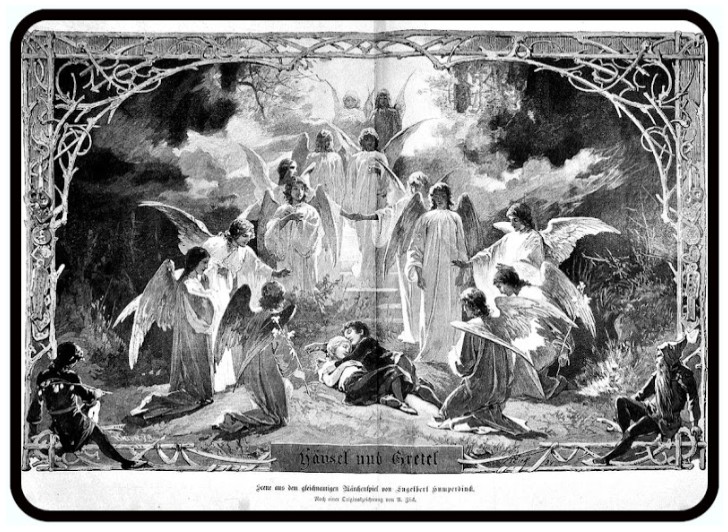
    For a time, the fairy tale opera was to Germany what the ghost story was to England, a cherished Christmas tradition. “Hansel und Gretel” was given its first performance on this date in 1893 – with Richard Strauss, no less, directing the orchestra and cueing singers from the pit of Weimar’s Hoftheater. With its folk-like simplicity, visions of sweets, and Evening Prayer (replete with angels), it’s been part of the Christmas season ever since.

    “Hansel und Gretel” had a foundational advantage in the familiar Brothers Grimm fairy tale. “Das Christ-Elflein” is a much stranger concoction, mixing sacred and secular – indeed pagan – elements into a heady Christmas punch.

    The opera, really a singspiel (an entertainment with sung parts linked by spoken passages), first appeared in 1906 and was revised in 1917. It still gets revived in German-speaking countries, but in the two recordings I own, anyway, there is the drawback of interludes delivered by a German narrator. I would have preferred had the singer’s spoken dialogue been retained.

    “Hansel and Gretel” was the first opera broadcast live on the radio from the Metropolitan Opera in 1931. Here’s a lovely, classic staging from the Met, prior to the current rage for Regietheater:

    My favorite recording of the “Dream Pantomime,” with Otto Klemperer:

    Elisabeth Schwarzkopf and Irmgard Seefried, with Josef Krips conducting, from 1947:

    “Das Christ-Elflein”

  • Humperdinck’s Name Fame Opera Pop

    Humperdinck’s Name Fame Opera Pop

    I imagine that if you were looking to break into show business, and you were born Arnold George Dorsey, you could do a lot worse than to change your name. But the choice of “Engelbert Humperdinck” would seem astonishingly counterintuitive. Even so, the pop singer who did just that managed to achieve international fame and sell more than 140 million records.

    Dorsey struggled for several years, trying to establish a toehold in the music industry under his own name, until a former roommate, Gordon Mills, suggested he appropriate that of a certain 19th century German composer. Mills turned out to have a certain genius for this kind of thing, since he also advised singer Tom Woodward to take the name of a roistering 1963 comedy, starring Albert Finney, that was adapted from Henry Fielding’s picaresque novel “Tom Jones.”

    Humperdinck the composer’s greatest hit was the opera “Hansel and Gretel,” which was given its first performance on December 23, 1893, with Richard Strauss conducting. Humperdinck’s magnum opus – which features a Sandman, a Dew Fairy, a Witch, and the imminent threat of cannibalism – has been associated with the Christmas season ever since.

    The Brothers Grimm inspiration is the best known in a wave of “märchenopern” (fairy tale operas) that swept Germany in the 19th century. To this genre, Humperdinck also contributed “Königskinder” (“Royal Children”) and “Dornröschen” (“The Sleeping Beauty”), along with a handful of other fantasies for the stage.

    Humperdinck died 100 years ago today.

    His name was borrowed yet again for the unscrupulous prince, played by Chris Sarandon, in the cult classic “The Princess Bride” – again, adapted from a novel, this time by William Golding.

    Actually, “The Princess Bride” would probably have suited composer Humperdinck just fine – although there is a notable lack of irony in his existing operas, a fact that seems to be lost on the Metropolitan Opera, judging from its current nightmare production of “Hansel and Gretel.” Sample it, shorn of all sentiment and spirituality, here:

    I mean, it looks cool, in an uncanny sort of way, but it’s also the furthest thing from an “Evening Prayer” I can possibly imagine. And that’s before the Holocaust allusions kick in.

    Director Richard Jones has suggested that, because the children’s experiences have hardened them, rather than strengthened them, it’s a valid creative decision to portray them as “incipient Hitler Youth.” Granted, this is a Grimm fairy tale, but it should be remembered that “Hansel and Gretel” has been a family Christmas attraction for generations, and the Met continues to market it as such. This particular banquet leaves a very bad taste.

    “Hansel and Gretel” was the first live opera broadcast on the radio from the Met in 1931.

    Here’s a lovely, classic staging from the Met, before the rage for Regietheater:

    My favorite recording of the “Dream Pantomime,” with Otto Klemperer:

    Elisabeth Schwarzkopf and Irmgard Seefried, with Josef Krips conducting, from 1947:

    A suite from “The Sleeping Beauty”


    Hansel and Gretel and the three Humperdincks

  • Hansel and Gretel Opera Premiere & Christmas Tradition

    Hansel and Gretel Opera Premiere & Christmas Tradition

    The opera “Hansel and Gretel” was given its first performance on this date in 1893, at the Hoftheater in Weimar, with Richard Strauss conducting. Engelbert Humperdinck’s magnum opus – which features a sandman, a dew fairy, a witch, and the imminent threat of cannibalism – has been associated with the Christmas season ever since.

    The Brothers Grimm inspiration is the best known of a wave of Märchenopern (fairy tale operas) that swept Germany in the 19th century. Less fortunate was Hans Pfitzner’s “Das Christ-Elflein” (“The Christmas Elf”), with its charming mix of Christian and pagan symbols, including the title character, an old tree spirit, Saint Nicholas’ sidekick, Knecht Ruprecht, and even the Christ Child Himself!

    Here’s the overture:

    Elisabeth Schwarzkopf with Irmgard Seefried in an excerpt from “Hansel and Gretel,” with Josef Krips conducting, in 1947:

    My favorite recording of the “Dream Pantomime,” with Otto Klemperer:

    A lovely staging, the old one, from the Met:


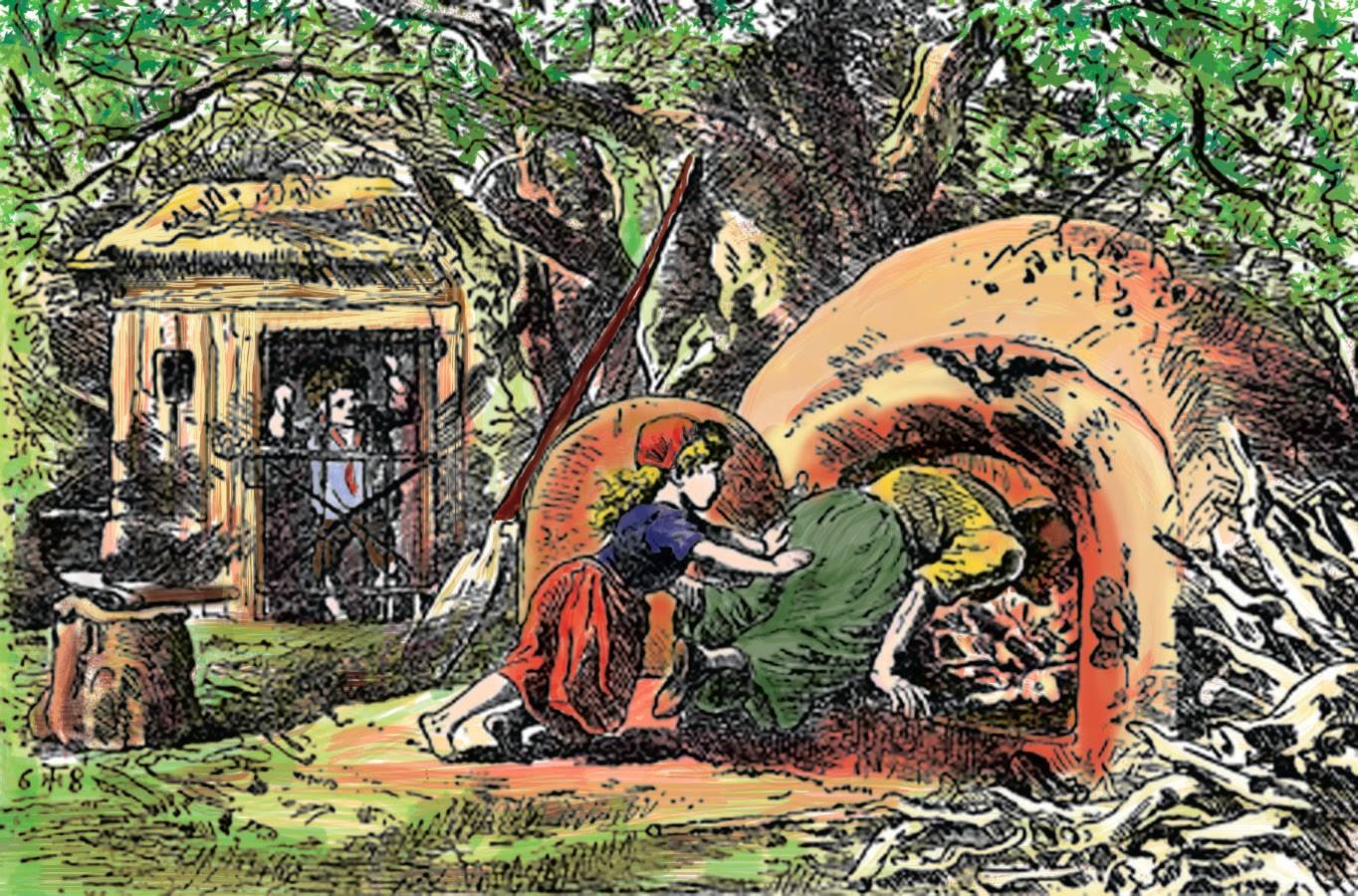
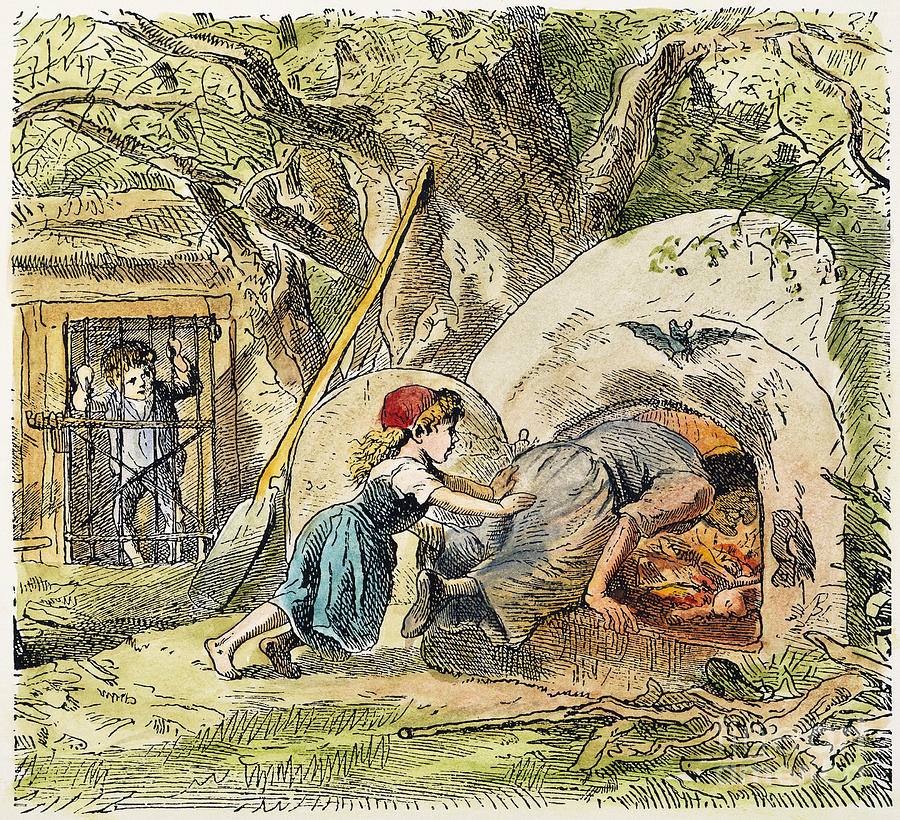
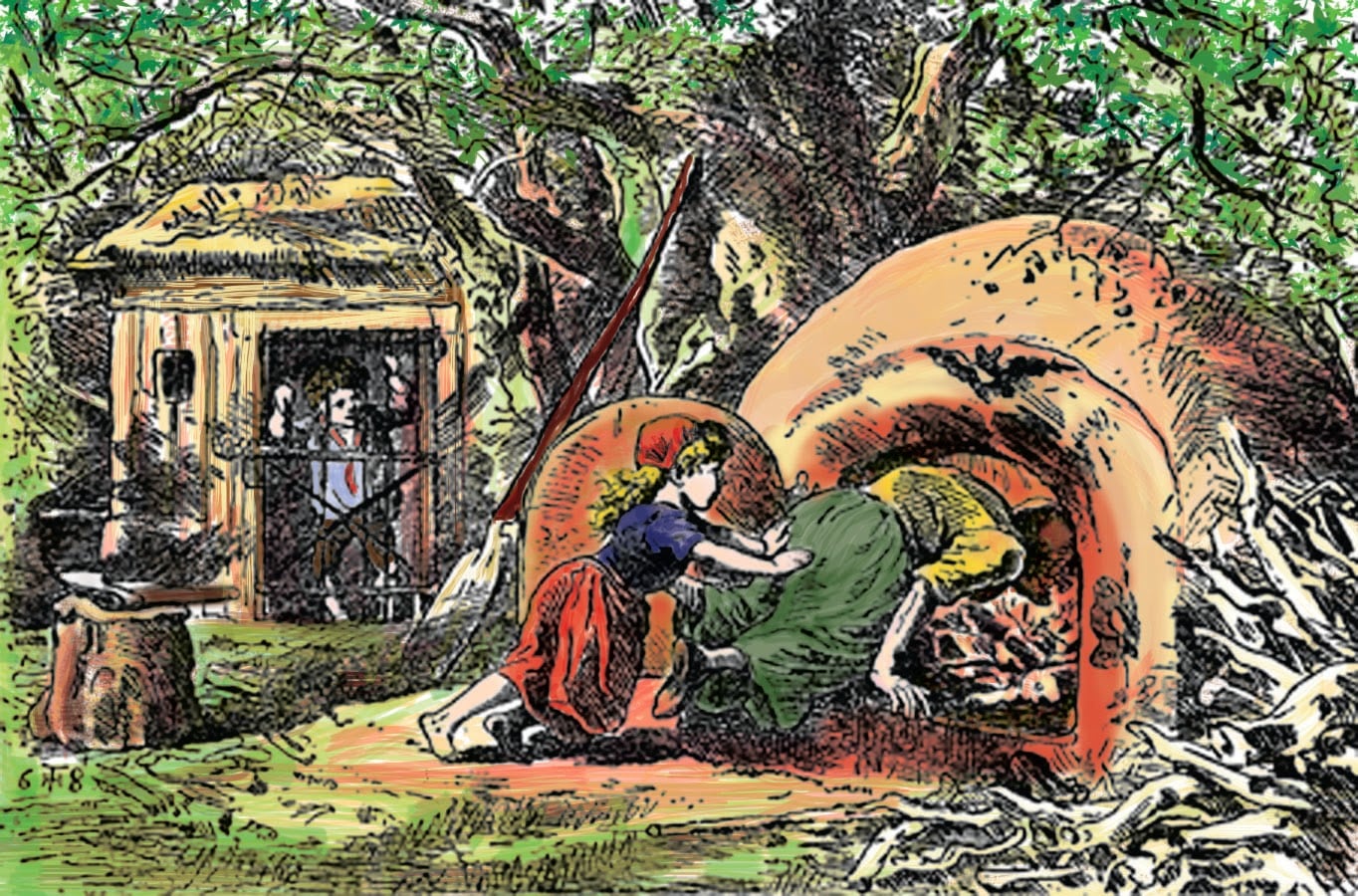
    IMAGE: If you can’t stand the heat, etc., etc.

  • Hansel & Gretel Premieres: Day 24 Opera Advent

    Hansel & Gretel Premieres: Day 24 Opera Advent

    ADVENT CALENDAR – DAY 24

    The opera “Hansel and Gretel” was given its first performance on this date in 1893, with Richard Strauss conducting at the Hoftheater in Weimar. Engelbert Humperdinck’s magnum opus – which features a sandman, a dew fairy, a witch, and the imminent threat of cannibalism – has been associated with the Christmas season ever since.

    The Brothers Grimm inspiration is the best known of a wave of Märchenopern (fairy tale operas) that swept Germany in the 19th century. Less fortunate was Hans Pfitzner’s “Das Christ-Elflein” (“The Christmas Elf”), with its charming mix of Christian and pagan symbols, including the title character, an old tree spirit, Saint Nicholas’ sidekick, Knecht Ruprecht, and even the Christ Child!

    Here’s Hans Pfitzner conducting a recording of the overture, in 1927:

    And Elisabeth Schwarzkopf with Irmgard Seefried in an excerpt from “Hansel and Gretel,” with Josef Krips conducting, in 1947:

    https://www.youtube.com/watch?v=YQah7onXhc4

    PHOTO: You know what they say, if you can’t stand the heat…

Tag Cloud

Aaron Copland (92) Beethoven (95) Composer (114) Film Music (123) Film Score (143) Film Scores (255) Halloween (94) John Williams (187) KWAX (229) Leonard Bernstein (101) Marlboro Music Festival (125) Movie Music (138) Opera (202) Philadelphia Orchestra (89) Picture Perfect (174) Princeton Symphony Orchestra (106) Radio (87) Ralph Vaughan Williams (85) Ross Amico (244) Roy's Tie-Dye Sci-Fi Corner (290) The Classical Network (101) The Lost Chord (268) Vaughan Williams (103) WPRB (396) WWFM (881)

DON’T MISS A BEAT

Receive a weekly digest every Sunday at noon by signing up here


RECENT POSTS