Category: Daily Dispatch

  • Kevin Puts at 50 Pulitzer Winner & Composer’s Career

    Kevin Puts at 50 Pulitzer Winner & Composer’s Career

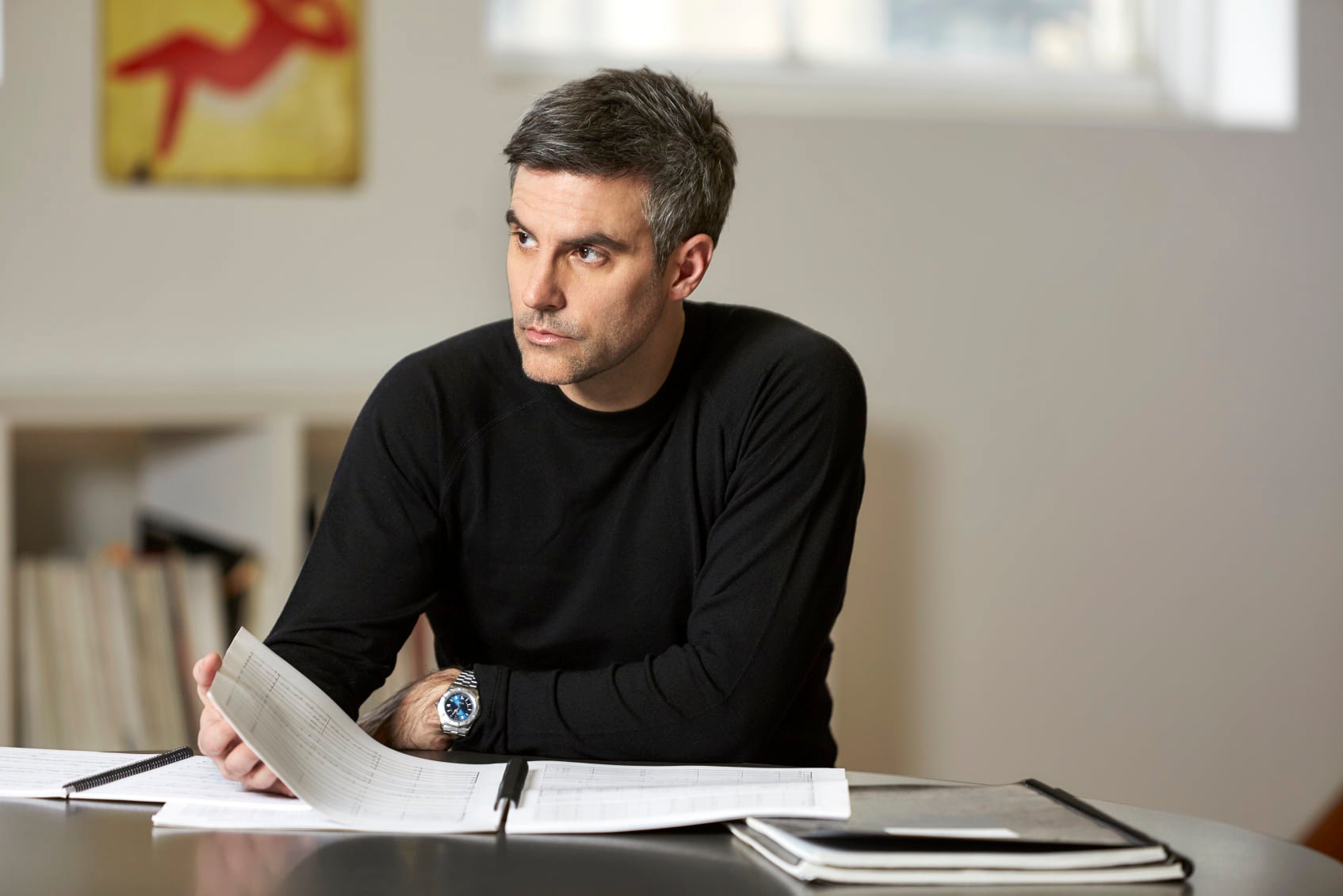
    Kevin Puts is 50 today. Puts was the recipient of the Pulitzer Prize for Music in 2012 for his opera “Silent Night,” about the real-life, unsanctioned 1914 Christmas truce between Scottish, French, and German troops on the Western Front. It’s a poignant story, in whatever form. (It was also dramatized in the 2005 film “Joyeux Noël.”) The opera beautifully captures the transcendent moments of humanity, like shafts of sunlight piercing clouds, during one of the costliest and most violent conflicts in the bloody history of warfare. The work was given its world premiere by Minnesota Opera in 2011. I was lucky enough to catch Opera Philadelphia’s production in 2013.

    Puts’ latest opera, “The Hours,” co-commissioned by the Philadelphia Orchestra and the Metropolitan Opera, was projected to be unveiled at the Met in 2022. It looks like it’s been pushed back to next season. In the meantime, two concert performances will be given by the Philadelphia Orchestra, on March 18 & 20, with Yannick Nézet-Séguin conducting. The cast for the Met debut was to have included Renée Fleming, Kelli O’Hara, and Joyce Di Donato as Virginia Woolf. For the Philadelphia performances, Fleming and O’Hara will be joined by Jennifer Johnson Cano.

    I’ve never heard anything by this composer that hasn’t been direct, beautiful, and worthwhile. He’s a contemporary artist who has had the good fortune to be rewarded for his courage to remain true to himself, avoiding the pitfall of gussying up what he wishes to express with a lot of extraneous modernist effects, in order to maintain his street cred, as some composers of a clearly romantic bent had done in the previous generation. Nor is he a post-modernist hipster, a keyboard noodler, an overweening pop artist, or a soft-headed, wannabe film composer.

    Puts’ language is romantic, but it is not the lingua franca of the 19th century. In embracing tonality and melody, he honors the most fundamental purpose of music, which is not simply to express, but to communicate, and he does so intelligently, in a manner that is capable of reaching a wide audience without cheapening his art.

    Furthermore, at 50, he still has a long career ahead of him.

    Many happy returns, Kevin Puts.


    “Inspiring Beethoven” (with disturbing slideshow)

    The Flute Concerto, which flirts with Mozart in its second movement

    The Symphony No. 2, a response to the events of 9/11

    “Dona nobis pacem” from “Silent Night”

  • Victor Borge Birthday Laughs & Classic Comedy

    Victor Borge Birthday Laughs & Classic Comedy

    For some, it may be difficult to leave the holidays behind and face the prospect of a long, bleak winter. That would not be me.

    But if it describes you, here are some classic Victor Borge sketches to brighten your day. The “Unmelancholy Dane” was born on this date in 1909.

    Borge always proved to be quick on his feet, comfortable in his own skin, and unusually personable. Born into a family of Jewish musicians in Copenhagen (his birth name was Børge Rosenbaum), he was already before the public, giving recitals at the age of 8. He received a scholarship to the Royal Danish Academy of Music, and later studied with pupils of both Liszt (Frederic Lamond) and Busoni (Egon Petri).

    After a few years of presenting straight classical concerts, he began to develop his act. His mix of music and comedy proved to be popular in Scandinavia, but some of his gibes didn’t exactly sit well with Hitler. When German forces occupied Denmark, Borge hopped a U.S. Army transport out of Finland – though he would return, not long after, disguised as a sailor, to visit his dying mother.

    He arrived in the United States in 1940, with 20 dollars in his pocket and no understanding of English. But he was a fast learner, and he taught himself the language by going to American movies.

    By 1941, he was already appearing with Rudy Valee and Bing Crosby, and adapting his jokes for U.S. audiences. In 1942, he was named “best new radio performer of the year.” By 1946, he had his own radio show and developed many of his signature routines.

    He became a naturalized American citizen in 1948. His Broadway show, “Comedy in Music,” entered the Guinness Book for its unprecedented run, from 1953 to 1956. In the 1960s, he was the highest-paid entertainer in the world.

    Borge continued to expand his popularity through appearances on television programs ranging from “What’s My Line?” to “The Muppet Show.” He continued to entertain to a ripe old age. He died in 2000, a few days shy of his 92nd birthday.

    As he was fond of observing, “Laughter is the closest distance between two people.”

    Happy birthday, Victor Borge.


    A Mozart opera

    With Lauritz Melchior

    From an appearance on “The Dean Martin Show”

    Playing the Hungarian Rhapsody No. 2

    His first appearance on film, playing eight pianos, in 1937

  • New Year Classical Music Deja Vu

    New Year Classical Music Deja Vu

    Everyone begins the new year with hopes for positive change. At the risk of seeming contrarian, this Sunday night on “The Lost Chord,” we acknowledge that the more things change, the more they stay the same – as composers of the past 100 years look back to the 18th century.

    We’ll hear somewhat contemporary works indebted to earlier times, including Lord Berners’ “Fugue for Orchestra,” Norman Dello Joio’s “Salute to Scarlatti,” Ilja Hurník’s “Sonata da camera,” John Corigliano’s “Chaconne” from “The Red Violin,” and Percy Grainger’s “Blithe Bells,” after Johann Sebastian Bach.

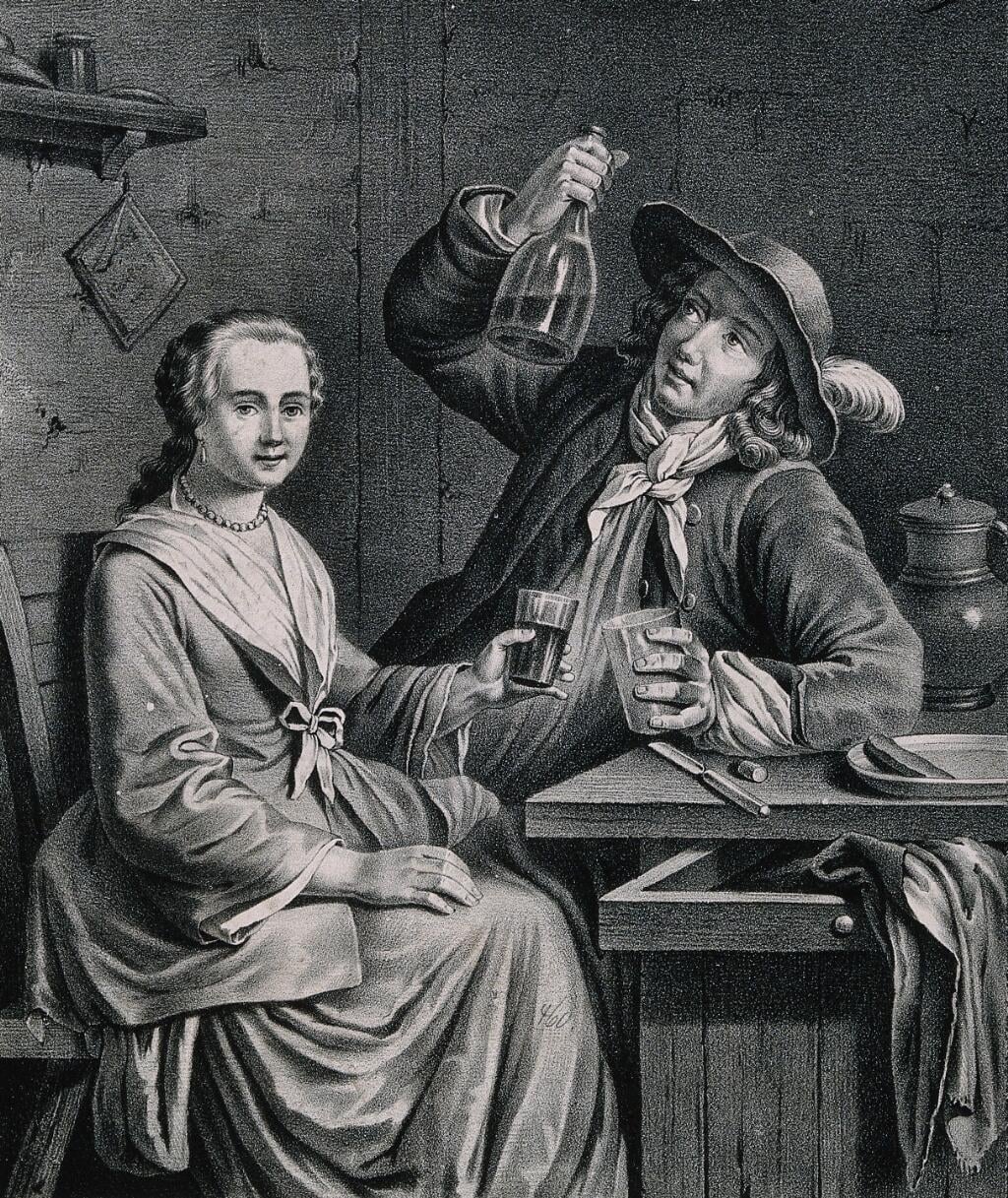
    Raise a toast, with new wine in old bottles, on “Déjà Vu All Over Again,” this Sunday night at 10:00 EST, on WWFM – The Classical Network and wwfm.org.

  • Twilight Zone Superman Livestream

    Twilight Zone Superman Livestream

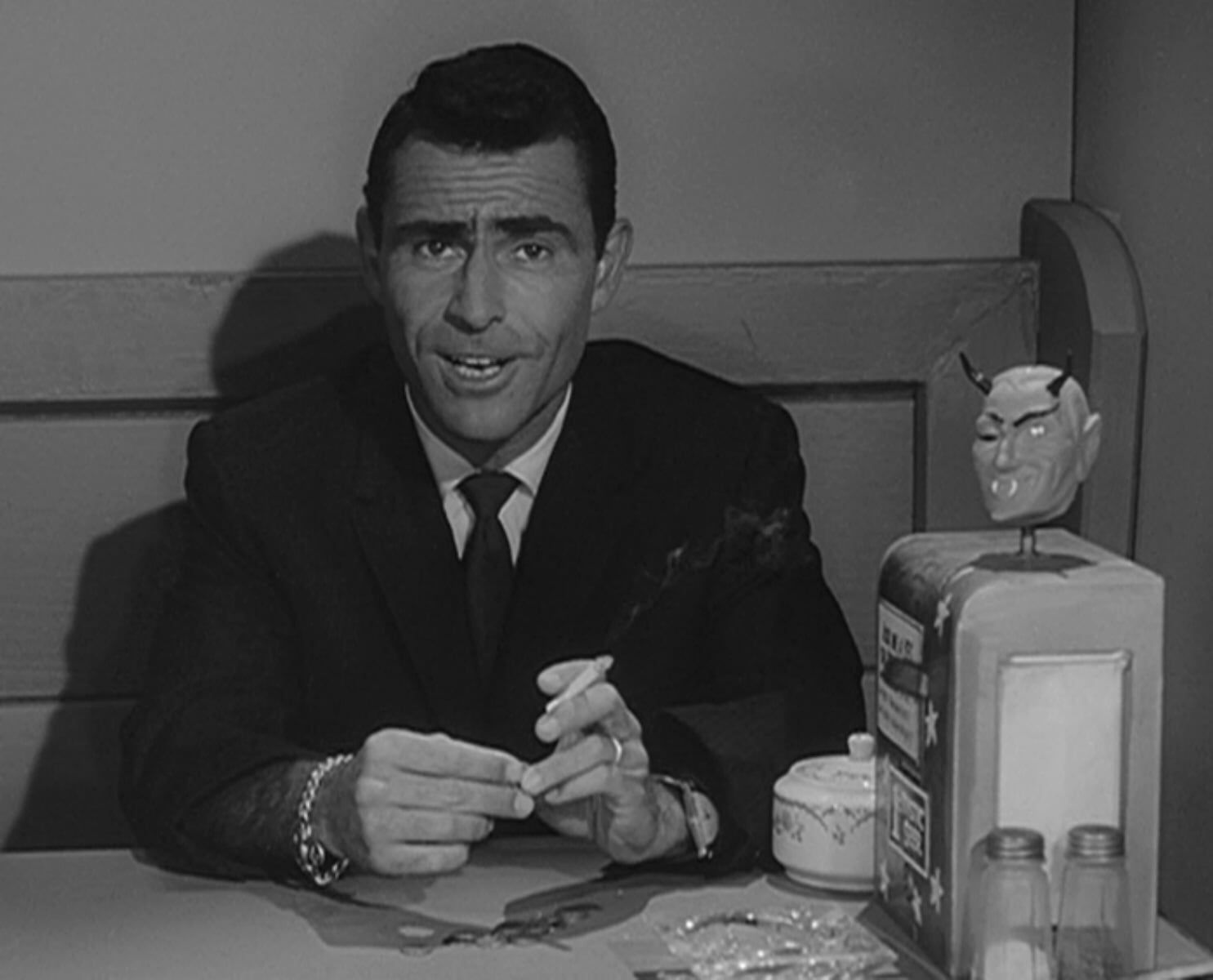
    Last night’s “Twilight Zone” discussion ran a little longer than expected, as Roy and I waxed nostalgic over “Walking Distance” (1959) – with plenty of personal reminiscences about our childhoods and small town life – and defied our anxiety about the future and fortune-telling napkin holders, with “Nick of Time” (1960). You can watch the whole blessed thing, with abundant champagne-fueled digressions, here.

    We’ll be back later this week, at our regular slot, to duke it out over “Superman II” (1980). Etch your comments into the Fortress of Solitude, as we livestream on Facebook, this Friday evening at 7:00 EST!

    https://www.facebook.com/roystiedyescificorner

    Roy’s Tie-Dye Sci-Fi Corner

  • Time Travel Movie Music New Year on WWFM

    Time Travel Movie Music New Year on WWFM

    This week on “Picture Perfect,” spring into the new year with an hour of time travel adventures!

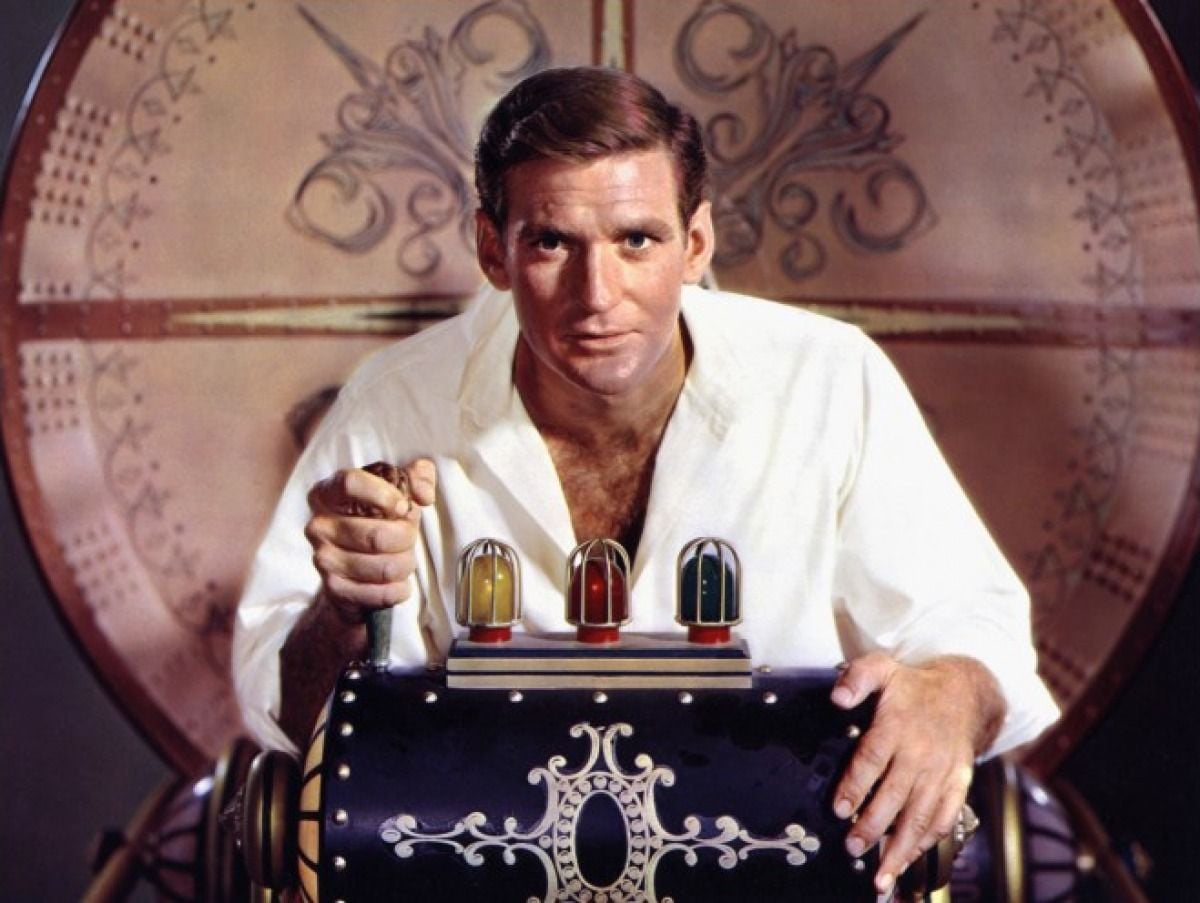
    Look forward – and back – to selections from “The Time Machine” (1960) by Russell Garcia, “Time After Time” (1979) by Miklós Rózsa, “Somewhere in Time” (1980) by John Barry, and “Back to the Future” (1985) by Alan Silvestri.

    It’s a time travel toddy for New Year’s, on “Picture Perfect,” music for the movies, this Saturday evening at 6:00 EST, on WWFM – The Classical Network and wwfm.org.

Tag Cloud

Aaron Copland (93) Beethoven (95) Composer (114) Film Music (136) Film Score (143) Film Scores (255) Halloween (94) John Williams (195) KWAX (229) Leonard Bernstein (103) Marlboro Music Festival (125) Movie Music (151) Mozart (88) Opera (207) Philadelphia Orchestra (89) Picture Perfect (174) Princeton Symphony Orchestra (108) Radio (88) Ross Amico (244) Roy's Tie-Dye Sci-Fi Corner (290) The Classical Network (101) The Lost Chord (268) Vaughan Williams (103) WPRB (396) WWFM (881)

DON’T MISS A BEAT

Receive a weekly digest every Sunday at noon by signing up here


RECENT POSTS