Mail delivery has been a shambles since before the election, so it should come as no surprise that folks are still waiting for items I shipped, priority, two weeks ago. I wonder how many millions of Americans won’t be getting their Christmas gifts until mid-January.
50-mile-an-hour winds possible here, so in case I drop off the internet for a while, due to a downed wire, allow me to take this opportunity to wish you all a Merry Christmas.
December 23rd. Happy Festivus! Let the airing of grievances begin.
Then enjoy this postmodern, pandenominational, mid-winter concoction by Christopher Rouse, called “Karolju.” The title, fabricated by the composer, puts an Old World spin on the word “carol.” The “ju” is merely because, as Rouse states, he happens to like words that end in “u.” The text is totally pidgin, and the musical allusions to Orff, Tchaikovsky, Vaughan Williams, Prokofiev, and others only add to the fun.
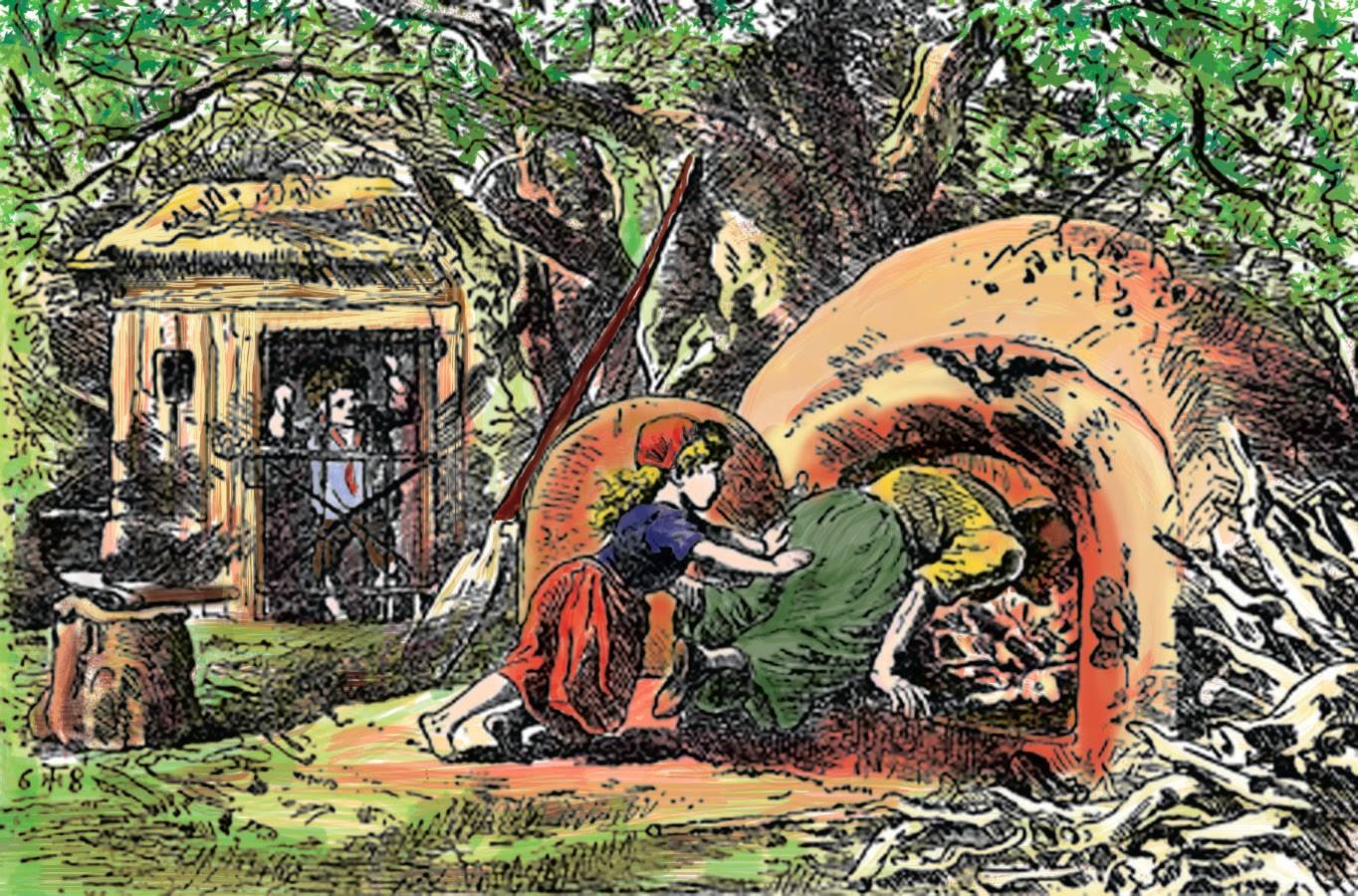
The opera “Hansel and Gretel” was given its first performance on this date in 1893, at the Hoftheater in Weimar, with Richard Strauss conducting. Engelbert Humperdinck’s magnum opus – which features a sandman, a dew fairy, a witch, and the imminent threat of cannibalism – has been associated with the Christmas season ever since.
The Brothers Grimm inspiration is the best known of a wave of Märchenopern (fairy tale operas) that swept Germany in the 19th century. Less fortunate was Hans Pfitzner’s “Das Christ-Elflein” (“The Christmas Elf”), with its charming mix of Christian and pagan symbols, including the title character, an old tree spirit, Saint Nicholas’ sidekick, Knecht Ruprecht, and even the Christ Child Himself!
Here’s the overture:
Elisabeth Schwarzkopf with Irmgard Seefried in an excerpt from “Hansel and Gretel,” with Josef Krips conducting, in 1947:
My favorite recording of the “Dream Pantomime,” with Otto Klemperer:
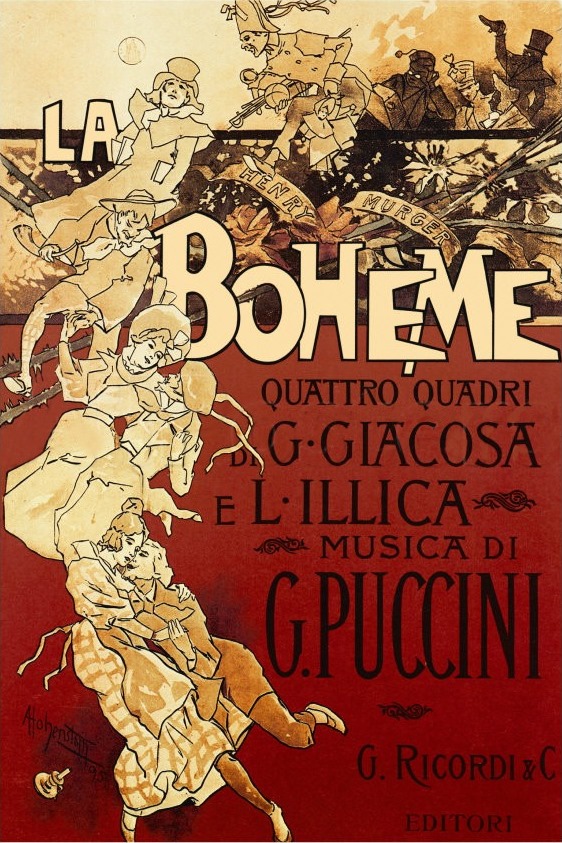
Giacomo Puccini’s opera “La bohème” opens in an artist’s garret on Christmas Eve. After Mimi and Rodolfo meet cute (she knocks on his door looking for a match for her candle), they join their friends on the boisterous streets of Paris for a good old-fashioned Latin Quarter Christmas. This effectively knocks out the first two acts.
By Act III, their love is on the rocks. On a snowy night, Rodolfo confides to the painter Marcello that Mimi is slowly dying of consumption (tuberculosis). He loves her still, but he doesn’t have the money to take care of her, so he is feigning jealousy in an attempt to drive her into the arms of another. Mimi overhears, and apparently agrees to the split, but then the lovers decide it’s too horrible to part in winter. We know it’s just an excuse, though, so that they can stay together until spring.
In Act IV, we have no idea what month it is, but it’s sometime later. Mimi shows up at the garret, and she is not well. The circle of bohemians offer comfort, each in their own way. Earrings are sold for a muff, and an overcoat is hocked for medicine. Left to themselves, Mimi and Rodolfo relive their past happiness, but the reunion is agonizingly brief. Their friends return, only just in time for everyone to dissolve into tears.
Merry Christmas.
On Puccini’s birthday, here’s a recording of André Kostelanetz (also born on this date) conducting a purely orchestral suite of highlights from “La bohème”:
Mimi’s hands are cold, so Rodolfo goes to work. The old smoothie.
None other than Santa himself was kind enough to sit in for me for last night’s discussion of “Santa Claus Conquered the Martians,” and I don’t think Roy has ever laughed so hard. During the course of what might kindly be termed an autopsy, it gradually emerged that George Lucas stole everything from this cult camp masterpiece (including the spiderweb viewports, a Yoda-like mentor, the Wampa snow beast, and the Jedi mind-trick) to create “Star Wars.” Okay, maybe he also borrowed a little from “Metropolis” and Akira Kurosawa, but what are they next to “Santa Claus Conquered the Martians?” Am I joking? Share the pain – watch the movie – and then soothe the burn with this revelatory analysis.
We’re off next Friday for Christmas, but we’ll be back on Sunday, full of merriment, to end the year on a low note – 20,000 leagues, to be exact – and a 2020 discussion of “20,000 Leagues Under the Sea” (1954).
Roy’s Tie-Dye Sci-Fi Corner is live-streamed on Facebook most Friday and Sunday evenings at 7:00 EST.