Tag: Movie Soundtracks

  • Poets on Film Movie Soundtracks & Scores

    Poets on Film Movie Soundtracks & Scores

    Time to invest in some quills and some laudanum. This week on “Picture Perfect,” the focus will be on poets in the movies.

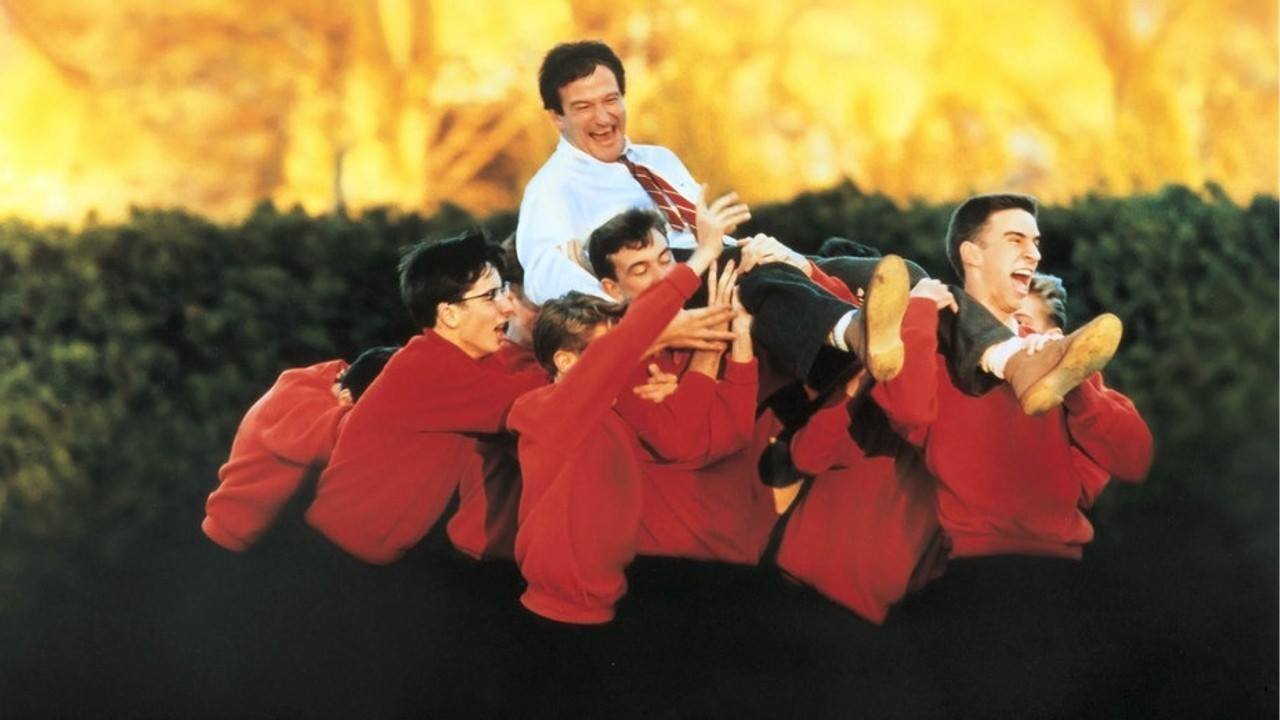
    We’ll have music from “Dead Poets Society” (1989), Peter Weir’s beautiful-but-vacuous take on the transformative powers of poetry, its “Goodbye, Mr. Chips” story arc made all the more poignant (and less cheap) by the passing of its beloved star, Robin Williams. Maurice Jarre, a long, long way from his Oscar-winning work on “Lawrence of Arabia,” wrote the music, which blends dulcimer and bagpipes (!) with electronics.

    At least “Dead Poets Society” found a place in the hearts of the public. “Lady Caroline Lamb” (1973) did not. Sarah Miles plays Byron’s jilted lover, the wife of future prime minister William Lamb. Despite an impressive cast, which includes Jon Finch, Laurence Olivier, Ralph Richardson and Richard Chamberlain (as Lord Byron, no less), and direction by venerable playwright and screenwriter Robert Bolt (“A Man for All Seasons”), the film received mixed reviews and tanked at the box office. The always fine Richard Rodney Bennett provided the atmospheric score.

    “Il Postino” (1994) tells the story of a simple postman whose prosaic life is transformed through the power of metaphor. His model is the exiled Chilean poet Pablo Neruda, played in the film by Philippe Noiret. The film’s writer and star, Massimo Troisi, died of a heart attack twelve hours after shooting was completed, having postponed surgery until he finished work. He was 41 years-old. Argentinian-Italian composer Luis Bacalov’s bandoneon-tinged score was honored with an Academy Award for Best Music.

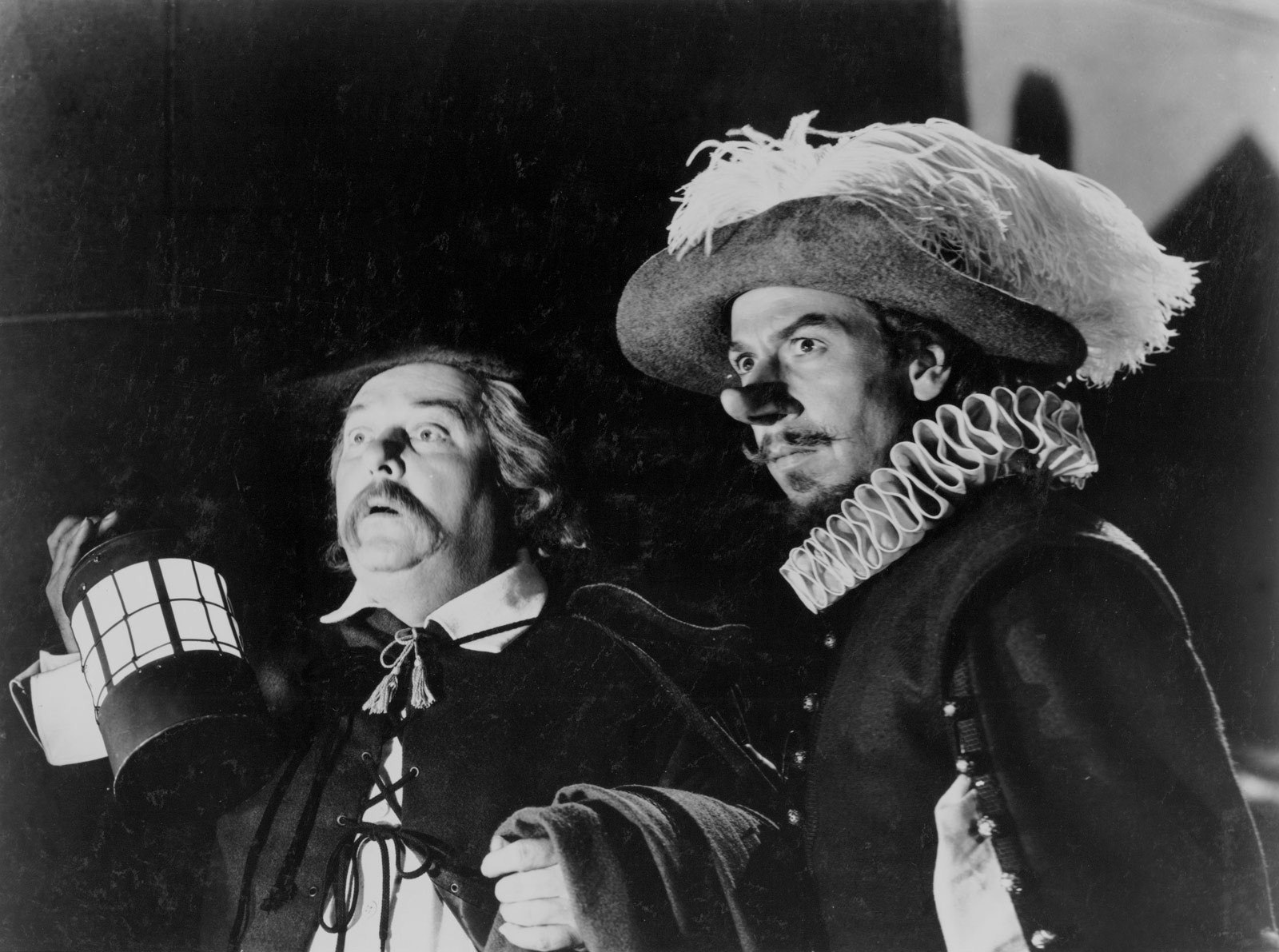
    Finally, we put a point on things with the rapier wit of “Cyrano de Bergerac” (1950). José Ferrer struts his stuff as the warrior-poet with the prominent proboscis, who never wants for words, save in the presence of his beautiful cousin Roxane. Ferrer elocuted – and fenced – his way to an Academy Award for Best Actor. The score is one of Dimitri Tiomkin’s finest, and we’ll hear a recording taken from the film’s original elements, under the crisp direction of the composer.

    It’s poetry in motion this week, on “Picture Perfect,” music for the movies, this Friday evening at 6:00 EDT, on WWFM – The Classical Network and wwfm.org.
  • Jerry Goldsmith Hollywood Star Honors Composer

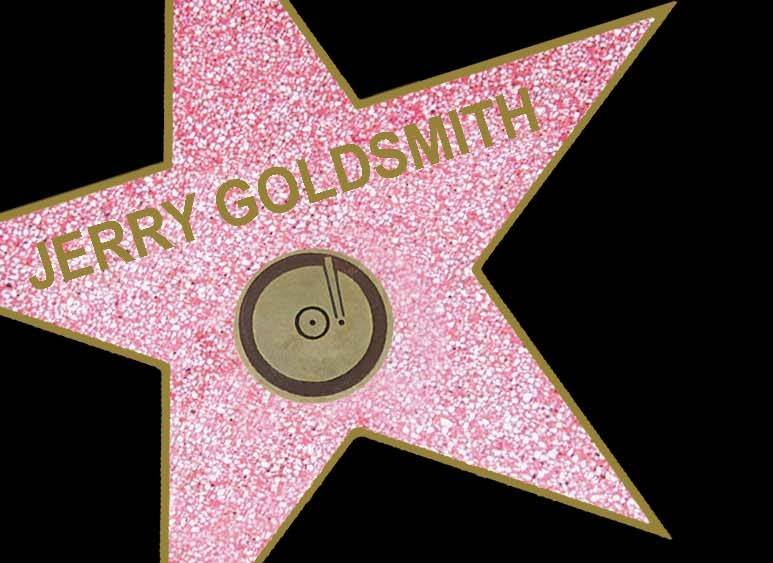
    Film composer Jerry Goldsmith finally receives a star on the Hollywood Walk of Fame.

    http://variety.com/2017/music/spotlight/jerry-goldsmith-star-walk-of-fame-1202421229/

    I only wish we still had film composers this good. Then again, I wish we still had movies like “The Planet of the Apes” (1968), “Patton,” “Chinatown,” and “The Wind and the Lion.”

  • Jerry Goldsmith Hollywood Star Is Long Overdue

    Jerry Goldsmith Hollywood Star Is Long Overdue

    Film composer Jerry Goldsmith finally receives a star on the Hollywood Walk of Fame.

    http://variety.com/2017/music/spotlight/jerry-goldsmith-star-walk-of-fame-1202421229/

    I only wish we still had film composers this good. Then again, I wish we still had movies like “Planet of the Apes” (1968), “Patton,” “Chinatown,” and “The Wind and the Lion.”

  • Teacher Movies A Soundtrack for Inspiration

    Teacher Movies A Soundtrack for Inspiration

    With everyone back to school, I thought now would be as good a time as any to celebrate the contributions of teachers. This week on “Picture Perfect,” we’ll have music from four films about extraordinary teachers.

    Where else to start but with the sentimental classic “Goodbye, Mr. Chips” (1939)? Robert Donat, in his Oscar-winning role, is the aging teacher and eventual headmaster of a British boarding school. Greer Garson is the transformative love of his life. The composer was Richard Addinsell – he of the “Warsaw Concerto” fame. For the film, Addinsell created a “Brookfield School” song, which features prominently.

    Mr. Chips’ influence extends well beyond the generations of appreciative students he taught. In fact, fifty years later, filmmakers were still returning to the “Chips paradigm” to move and inspire audiences.

    Personally, I have a lot of problems with “Dead Poets Society” (1989), Peter Weir’s beautiful, but shallow take on the transformative powers of poetry. The film pays lip service to poetry’s life-altering potential, but then fails to credibly support its assertions. Instead – for me, anyway – it comes across as pretentious and manipulative. “Chips” may have pushed some buttons, but at least it earned the right.

    Robin Williams’ classroom lessons are entertaining, and the cinematography is beautiful, making me wish I were in private school. But “Dead Poets Society” is too literal. Nothing about it is transcendent or elevating, in a way Walt Whitman, whom the screenplay repeatedly invokes, would have recognized. For me, it just failed to “seize the day.” Audiences seem to love it, though, so who am I to criticize? The music is by Maurice Jarre.

    We’ll take a rather ambitious field trip to the Soviet Union then, for “Alone” (1931), which tells the tale of a young teacher, who imagines she’s about to be assigned to a class of neat, obedient, city schoolchildren. Instead, she is sent to work in Siberia, where she faces some understandably daunting challenges.

    The film’s score is by none other than Dmitri Shostakovich. Shostakovich was very active in the cinema, from the time he was a teenager, actually playing piano in a movie theater. He went on to write original music for some 40 films, most of it sadly neglected, especially in the West.

    Finally, “Mr. Chips” is updated for the ’90s, in the Richard Dreyfuss film “Mr. Holland’s Opus” (1995). Dreyfuss plays a high school music teacher who faces a number of personal setbacks over the years, yet quietly manages to influence the lives of his students, while denying his private ambitions as a composer.

    It’s another unabashed button-pusher, yet the film possesses a certain sincerity that’s lacking in “Dead Poets Society.” It does, however, have one fatal flaw. When Mr. Holland’s “opus” – the so-called symphony he has worked on his entire life – is finally heard at the end of the film, it is woefully unconvincing. Instead, we’ll enjoy selections from the film’s underscore, which is by Michael Kamen.

    It’s worth mentioning that, in 1996, Kamen established The Mr. Holland’s Opus Foundation, to support music education through the donation of new and refurbished musical instruments to underserved school and community programs and individual students, a beautiful gesture.

    Okay, class dismissed. We’ll reconvene at 6:00 EDT. Attendance will be taken on WWFM – The Classical Network and at wwfm.org.

  • Lang Lang Plays Morricone Hateful Eight Oscar?

    Lang Lang Plays Morricone Hateful Eight Oscar?

    I’m telling you, the zeitgeist positively screams “Morricone!”

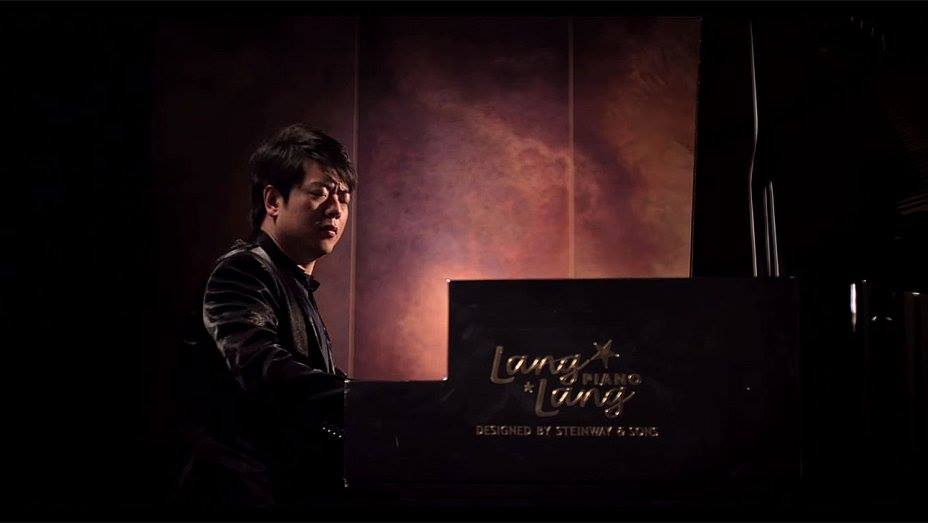
    Lang Lang gives “The Hateful Eight” the Franz Liszt treatment:

    https://www.youtube.com/watch?v=O8ic-gCiCN4

    If Morricone doesn’t get his Oscar next Sunday, I’ll eat a great big bowl of spaghetti (as in western).

    Here’s the original, by way of comparison:


    PHOTO: No confusing whose piano that is

Tag Cloud

Aaron Copland (92) Beethoven (95) Composer (114) Film Music (120) Film Score (143) Film Scores (255) Halloween (94) John Williams (185) KWAX (229) Leonard Bernstein (100) Marlboro Music Festival (125) Movie Music (135) Opera (198) Philadelphia Orchestra (88) Picture Perfect (174) Princeton Symphony Orchestra (106) Radio (87) Ralph Vaughan Williams (85) Ross Amico (244) Roy's Tie-Dye Sci-Fi Corner (290) The Classical Network (101) The Lost Chord (268) Vaughan Williams (103) WPRB (396) WWFM (881)

DON’T MISS A BEAT

Receive a weekly digest every Sunday at noon by signing up here


RECENT POSTS