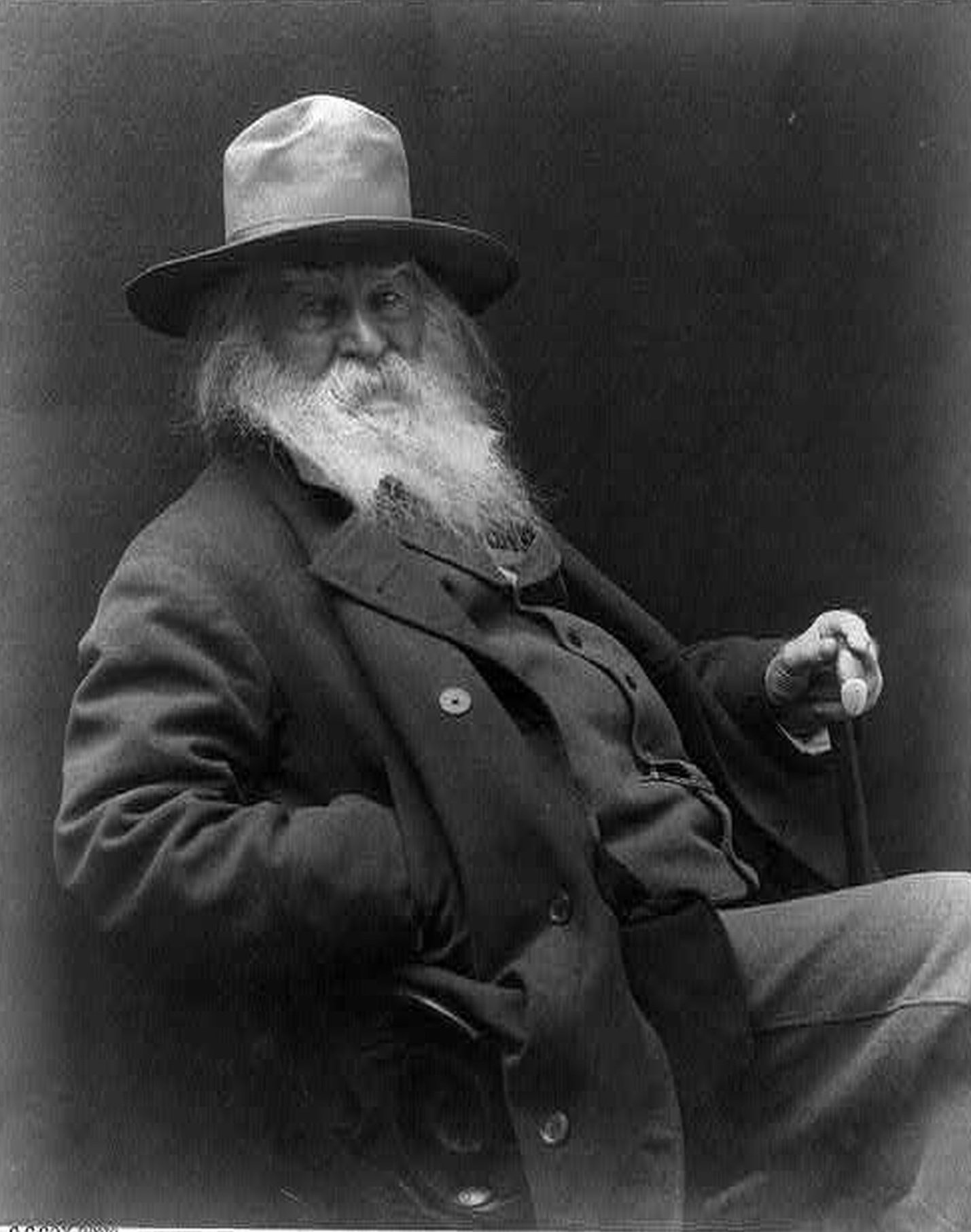
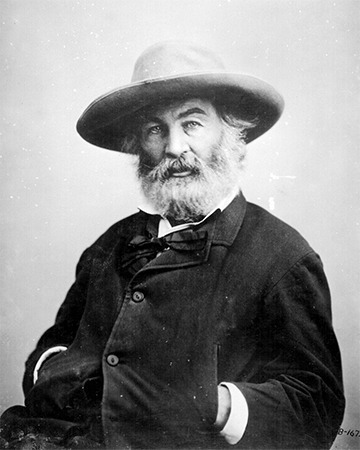
Walt Whitman was born in Huntingdon, NY, on Long Island, on May 31, 1819. He died in Camden, NJ, on March 26, 1892.
We’ll celebrate the 200th anniversary of the birth of this most influential of American poets all month long, Sunday nights on “The Lost Chord,” with music inspired by his verse, including choral works, orchestral pieces, and songs, from an array of international composers.
Tune in this week for an all-American program, featuring selections by Roy Harris, Frederick Shepherd Converse, and Pulitzer Prize-winner George Walker.
Harris, who lived from 1898 to 1979, was one of our great symphonists. His Symphony No. 3 enjoyed particular acclaim. He certainly had the makings of a Man of Destiny – born in log cabin on Lincoln’s birthday, in Lincoln County, Oklahoma.
We’ll enjoy his 1959 setting of “Give Me the Splendid Silent Sun,” for baritone and orchestra. The poem first appeared in Whitman’s “Drum-Taps,” in 1865. Whitman had returned to Brooklyn, on the verge of mental collapse, following his experiences working in army hospitals in the field for three years during the Civil War.
Then we’ll turn to a work by George Walker, who lived from 1922 to 2018. Walker was the first African-American recipient of the Pulitzer Prize for Music – as recently as 1996 – for his work, “Lilacs,” for soprano and orchestra.
“Lilacs” falls into four sections, utilizing the first three and 13th stanzas from Walt Whitman’s “When Lilacs Last in the Dooryard Bloom’d,” a poignant meditation on the assassination of Abraham Lincoln.
Finally, we’ll bask in a romantic effusion of Frederick Shepherd Converse. Converse lived from 1871 to 1940, the only composer tonight whose life actually overlapped with that of Whitman.
Converse was born in Newton, Massachusetts. He studied composition with George Whitefield Chadwick, and in Munich with Josef Rheinberger. His opera, “The Pipe of Desire,” was the first by an American to be performed at New York’s Metropolitan Opera, in 1905.
From 1904, we’ll hear his orchestral fantasy, “The Mystic Trumpeter.” The literary program, taken from “Leaves of Grass,” was manipulated by the composer to suit his own structural needs. The work’s five sections – “Mystery and Peace;” “Love;” “War and Struggle;” “Humiliation;” and “Joy” – are played without pause.
Sing the body electric, as we honor Walt Whitman, Sunday nights in May at 10:00 EDT. That’s “Songs of Democracy,” on WWFM – The Classical Network and wwfm.org.
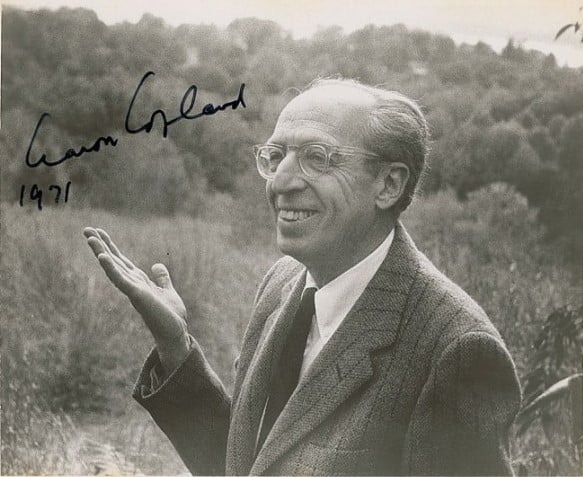
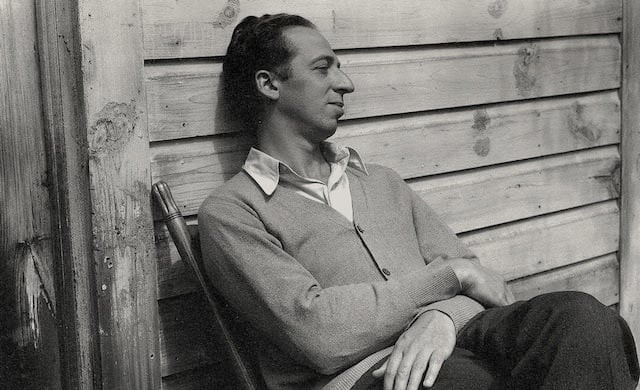
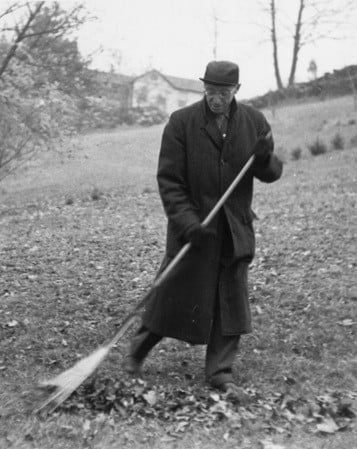
PHOTOS: Uncle Walt with (top to bottom) Roy Harris, George Walker, and Frederick Shepherd Converse