Tag: WWFM

  • Hitchcock Beyond Herrmann Scores Revealed

    Hitchcock Beyond Herrmann Scores Revealed

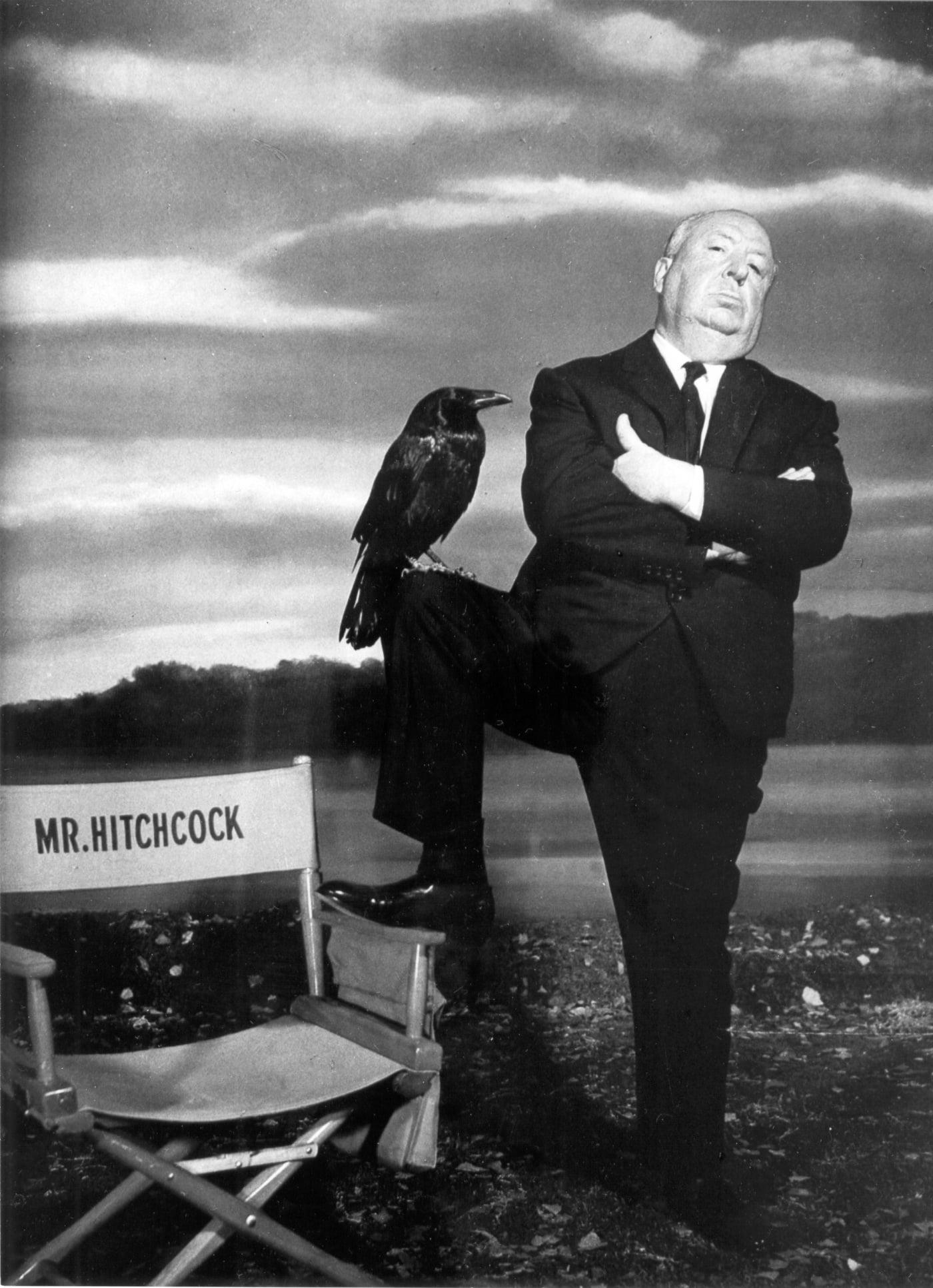
    Alfred Hitchcock’s most celebrated musical collaborator was Bernard Herrmann. Herrmann scored just about every one of Hitch’s films over the span of a decade, enhancing the impact and memorability of such classics as “Vertigo,” “North by Northwest,” and “Psycho.” But Hitchcock also worked with any number of other notable composers.

    This week on “Picture Perfect,” we’ll cast some light into Herrmann’s shadow with selections from “Rebecca” (Franz Waxman), “Strangers on a Train” (Dimitri Tiomkin), “Spellbound” (Miklós Rózsa), and “Family Plot” (John Williams).

    Herrmann goes on hiatus, and the suspense is killing us, on “Picture Perfect,” music for the movies, this Saturday evening at 6:00 EDT, on WWFM – The Classical Network and wwfm.org.

  • Fall of the House of Atreus: Music & Myth

    Fall of the House of Atreus: Music & Myth

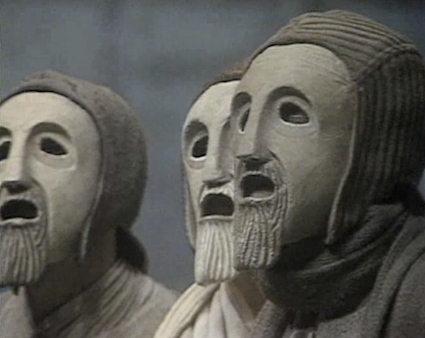
    For some of us living here in the Northeast, autumn brings with it the pleasures of baked goods, homemade soups, colored leaves, moody skies, carved pumpkins, black-and-white horror movies, used book shopping, sweaters, Brahms, and cozy cups of tea. But for the House of Atreus, “fall” meant something completely different.

    This Sunday night on “The Lost Chord,” we’ll hear music inspired by “The Oresteia,” a trilogy of surviving plays by Aeschylus that relates the impact of a curse on the House of Atreus. Dating from the 5th century B.C., the overall story arc reflects the shift from perpetual vengeance to the formation of a rational social justice system – the thinking being that man cannot hope to build a progressive civilization if he is engaged in unremitting bloodshed.

    However, along the way to that all-important message, the audience gets to have its cake and eat it, too, as it is treated to such lurid incidentals as human sacrifice, incest, adultery, filicide, fratricide, mariticide, matricide, and cannibalism. The name of the cycle derives from Orestes, who avenges the murder of his father, Agamemnon, who in turn was killed by his wife, Clytemnestra, and her lover, Aegisthus.

    The subject was a popular one with the playwrights of antiquity – it was also treated by Sophocles and Euripides – and it continues to have resonance in the present day. It is certainly very well represented in the classical music world.

    Darius Milhaud treated all three surviving plays in the Aeschylus cycle, as “The Oresteia of Aeschylus,” which he composed over a ten year span. Combined, the cycle runs to three hours and involves over 300 singers and players. Allegedly, Milhaud considered it his greatest work.

    The second part is titled “Les Choéphores,” or “The Libation-Bearers,” referring to the women who offer up ritual sacrifices at Agamemnon’s grave. The story, the familiar one, concerns the victorious Agamemnon returning from the Trojan War, only to be murdered in his bathtub by Clytemnestra and Aegisthus.

    They go on to rule a resentful populace, with Agamemnon’s daughter, Electra, consumed by her thirst for vengeance, which is delivered eventually, upon the secret return of her brother, Agamemnon’s son, Orestes. In the meantime, Clytemnestra, racked by guilt and haunted by nightmares, attempts to appease her husband’s ghost and avert her fate by sending an offering of libations to his tomb.

    Milhaud worked with poet, playwright and frequent collaborator Paul Claudel to structure Aeschylus’ play, the second of the trilogy, into seven scenes, beginning with a threnody and concluding with a plea for justice.

    We’ll round out the hour with incidental music written by Dutch composer Alphons Diepenbrock, inspired by Sophocles’ “Electra.”

    Comedy tomorrow, tragedy tonight! Join me for “Fall at the House of Atreus.” That first step’s a doozy, this Sunday night at 10:00 EDT, on WWFM – The Classical Network and wwfm.org.


    PHOTO: The fall has seldom been so grim
  • Victorian Movie Music on WWFM

    Victorian Movie Music on WWFM

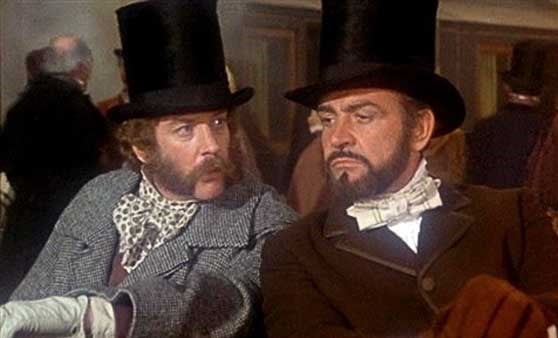
    This week on “Picture Perfect,” it’s an hour of top hats and crinoline, with music from movies set during the Victorian Era. Enjoy selections from “The Importance of Being Earnest” (Benjamin Frankel), “Oliver Twist” (Arnold Bax), “Champagne Charlie” (Lord Berners), and “The Great Train Robbery” (Jerry Goldsmith). Even the pianos wear skirts, this Saturday evening at 6:00 EDT, on WWFM – The Classical Network and wwfm.org.

  • Back to School Movie Music on WWFM

    Back to School Movie Music on WWFM

    It’s back to school time! Enjoy it while you can.

    Take notes, as we get all pedantic about music from movies with academic settings, including selections from “Goodbye, Mr. Chips” (Richard Addinsell), “Dead Poets Society” (Maurice Jarre), “Back to School” (Danny Elfman), “Mr. Holland’s Opus” (Michael Kamen), and “Tom Brown’s School Days” (again, Richard Addinsell).

    Minds will be sharpened and buttons will be pushed, on “Picture Perfect,” music for the movies, this Saturday evening at 6:00 EDT, on WWFM – The Classical Network and wwfm.org.

  • WWFM’s Lost Programs & Radio Memories

    WWFM’s Lost Programs & Radio Memories

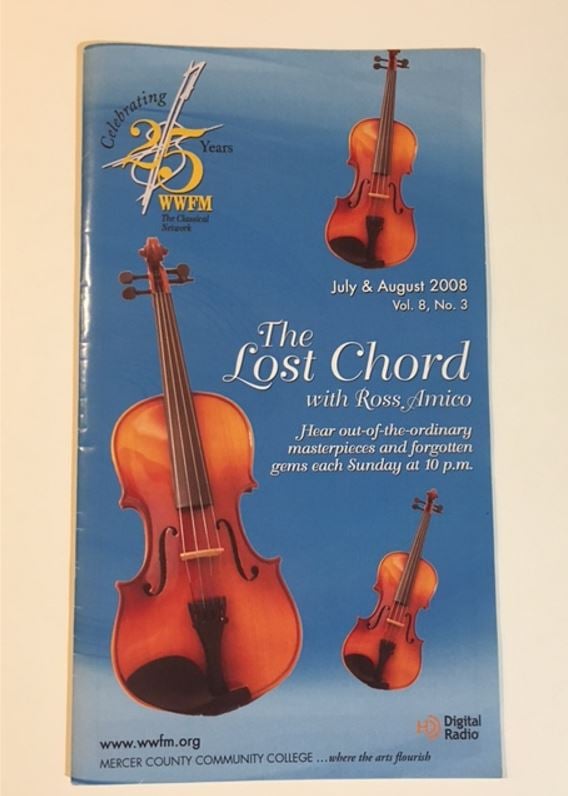
    Remembering the old bi-monthly WWFM – The Classical Network program guides, which passed into obsolescence as the station gradually shifted its focus to online content.

    “The Lost Chord” made the cover in July/August 2008. The show, devoted to unusual and neglected repertoire, is now in its 18th year. This week’s program, focusing on music composed at Howard Hanson’s summer home on Bold Island, Maine, has now been posted a webcast. You can enjoy it here.

    https://www.wwfm.org/post/lost-chord-august-22-august-hanson

    It’s sobering to note that three of the hosts pictured are no longer with us. The photo of WXXI’s Richard Gladwell, longtime host of the syndicated sacred choral music show, “With Heart and Voice,” was snapped on a visit to Trenton-Princeton. Gladwell died in 2009 at the age of 88.

    Radio legend Ralph Collier hosted numerous talk shows, travelogues, and review segments over the course of his career, with guests ranging from Maria Callas to Fred Astaire to President Dwight D. Eisenhower. During his time at WWFM, I acted as Ralph’s “mule,” transporting audio from Ralph’s home in Philadelphia to the station. His was a voice I’d known since childhood, so I always got a charge out of hearing him at the other end of the phone. I still have one of his messages. Ralph died in 2013 at the age of 91.

    And of course, Bliss Michelson was probably my most significant mentor. He was perhaps the most complete “radio man” I ever worked with. I greatly admired his avuncular, unflappable on-air presence. He could handle any challenge you dropped on him, even in front of the microphone, with absolutely no notice. Bliss died of complications from COVID-19 in March at the age of 71. He is fondly remembered.

Tag Cloud

Aaron Copland (92) Beethoven (95) Composer (114) Film Music (123) Film Score (143) Film Scores (255) Halloween (94) John Williams (187) KWAX (229) Leonard Bernstein (101) Marlboro Music Festival (125) Movie Music (138) Opera (202) Philadelphia Orchestra (89) Picture Perfect (174) Princeton Symphony Orchestra (106) Radio (87) Ralph Vaughan Williams (85) Ross Amico (244) Roy's Tie-Dye Sci-Fi Corner (290) The Classical Network (101) The Lost Chord (268) Vaughan Williams (103) WPRB (396) WWFM (881)

DON’T MISS A BEAT

Receive a weekly digest every Sunday at noon by signing up here


RECENT POSTS