You can thank Mozart for what we are about to receive.
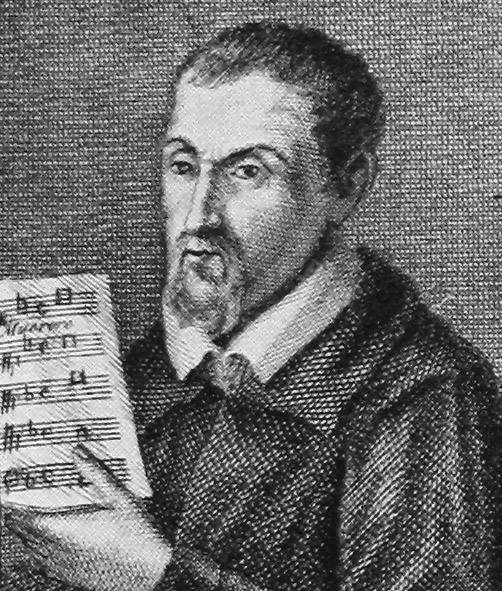
Gregorio Allegri composed his setting of Psalm 51 (50), “Miserere mei, Deus” – or “Miserere,” for short – in the 1630s. The piece was designed for exclusive performance in the Sistine Chapel, as part of the Tenebrae service of Holy Wednesday and Good Friday.
The work is conceived for two choirs, one intoning a simple chant, and the other, spatially separated, providing ornamentation. The effect of a stratospheric top C makes the “Miserere” one of the most haunting works in the choral literature of the late Renaissance.
The Vatican, realizing it had a good thing, forbade performance of the piece or copies of the score outside its walls, under threat of excommunication. It was the 14 year-old Mozart who in effect liberated the piece, copying it down from memory and handing it off to author and music historian Charles Burney, who published it without delay.
Mozart was summoned before the Pope, and rather than being excommunicated, he was showered with praise for his feat of musical genius. The ban on the “Miserere” was lifted.
Hear it today, alongside a concerto for two pianos, a bell song, and some zarzuela romanzas, of all things, from 4 to 7 p.m. EDT, on WWFM – The Classical Network and wwfm.org.
Leave a Reply to https://pinkootzyvykazino.kz/play/Cancel reply