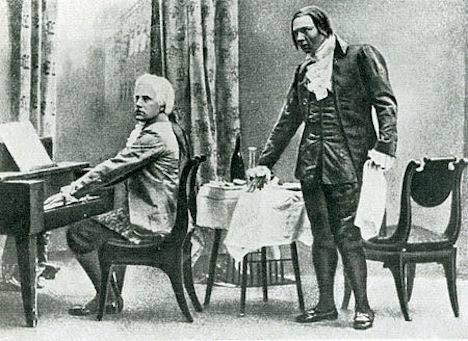
In 1830, roughly 150 years before Peter Shaffer’s “Amadeus,” Alexander Pushkin seized onto the rumor that Antonio Salieri poisoned Mozart, for his poetic drama “Mozart and Salieri.” To put it in historical context, Salieri had died only five years earlier, at the age of 74, outliving Mozart by nearly 34 years. (Mozart died at 35 in 1791.) How did the rumor come about? Well, Mozart himself started it.
Symptoms of the composer’s final illness were noted during the first performance of his opera “La Clemenza di Tito,” when he was observed by a friend to be pale and sad. When Mozart returned to Vienna to continue work on his Requiem, he remarked to Constanze, his wife, that he suspected he had been poisoned – with aqua toffana, a slow-acting arsenic-based agent – at least according to her recollections 25 years later, in 1824. However, such a crime would have required repeated doses, and Mozart subsequently waffled on the assertion. What’s certain is that three months later, he was dead.
Nobody knows the whereabouts of Mozart’s body, so we can’t dig up his remains and do forensic testing (thank goodness), but his physician dismissed poisoning as a cause, with confidence.
Ironically, Salieri actually did confess to Mozart’s murder, but he did so in an unbalanced frame of mind. He was slipping into dementia, haunted by the rumors, and even attempted suicide (only providing more grist for the mill). In more lucid moments, he repeatedly, vehemently denied it.
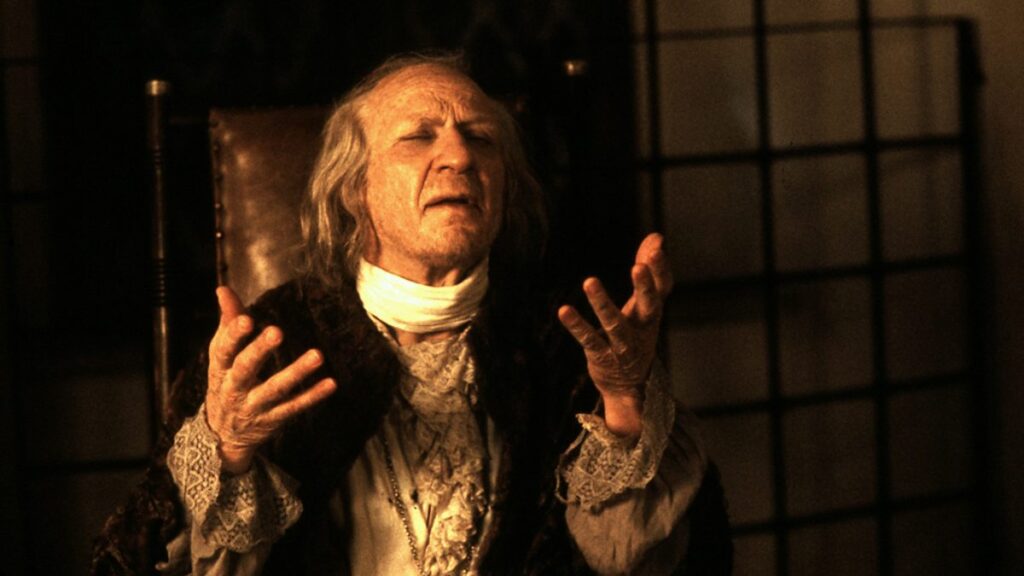
The actual relationship between the two was much more nuanced, significantly less bitter and more collegial. For his part, Salieri revived “The Marriage of Figaro.” He was also responsible for arranging first performances of Mozart’s Piano Concerto No. 22 (K. 482), the Clarinet Quintet, and the Symphony No. 40. He was full of praise for “The Magic Flute.” He also took Mozart’s younger son Franz Xaver as a pupil. (Salieri’s other students included Beethoven, Hummel, Czerny, Schubert, and Liszt.)
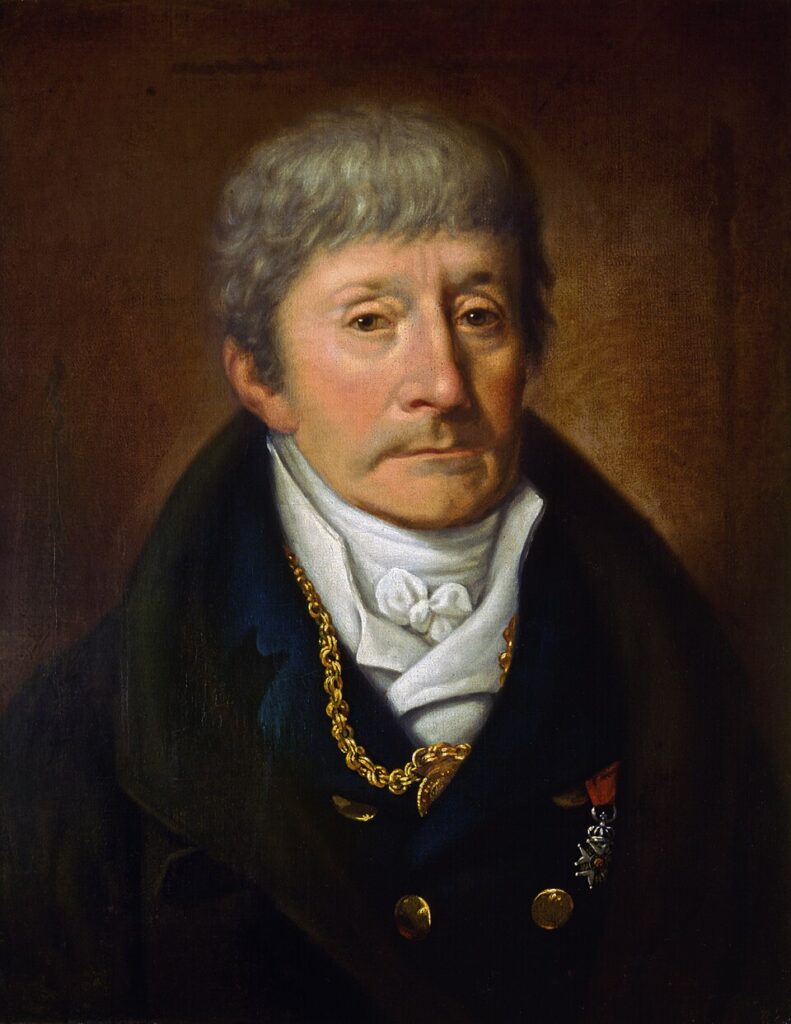
I’ve never actually read Pushkin’s “Mozart and Salieri” (also the basis for Rimsky-Kosakov’s one-act opera of 1897). It’s only ten pages long in my Modern Library edition of Pushkin poems, prose & plays. Is it disrespectful to read it on Salieri’s birthday?
Hey, in 1830, Salieri was beyond feeling a thing. As far as I’m concerned, artists of Pushkin’s and Shaffer’s abilities can play with historic fact if it’s in the service of expressing greater truths. Where would Salieri be if not for “Amadeus?” Now everyone knows his name, and many of his works have been revived and recorded, thanks to his enduring notoriety.
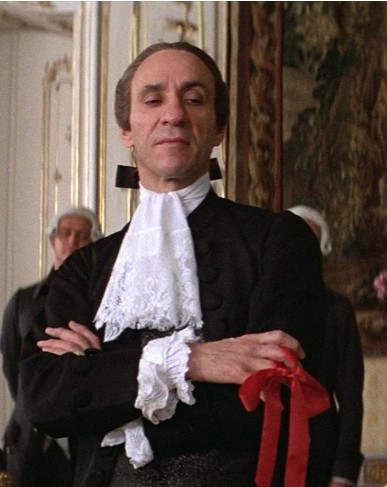
Compare this with actual composer-murderer Carlo Gesualdo. Your average person on the street has no idea who Gesualdo is. He still awaits his Peter Shaffer.
FUN FACT: The relationship of Mozart and Salieri is also dealt with in Albert Lortzing’s singspiel “Szenen aus Mozarts Leben” (“Scenes from Mozart’s Life”) of 1832, for which Lortzing repurposes Mozart’s music.
Here’s a 1958 Russian television production of Pushkin’s play, the only one of his dramatic works to be staged in his lifetime, closed captioned in English. Pushkin died from a wound received in a duel at the age of 37.
Russian film of Rimsky-Korsakov’s opera (without subtitles)
U.S. performance work from the 1980s, sung in English
Beethoven’s Variations on Salieri’s “La stessa, la stessissima”
The theme, from Salieri’s “Falstaff”
Overture to “Les Horaces”
Concerto for Flute, Oboe and Orchestra
“Das Lob der Musik” (“The Praise of Music”)
A Mozart and Salieri collaborative effort, the cantata “Per la ricuperata salute di Ofelia”
“De Profundis”
“I absolve you.”
Leave a Reply