Category: Daily Dispatch

  • Wagner’s Lost Symphonies Hear Early Works

    Wagner’s Lost Symphonies Hear Early Works

    If you’ve passed a good deal of your Sunday enjoying Wagner’s “Die Meistersinger” on WWFM, perhaps you would be interested to drop back before bedtime to hear one of his symphonies.

    What? Wagner wrote symphonies? That’s right. He took a crack at writing two of them, in a Beethovenian style, before finding his niche as a revolutionary composer of opera.

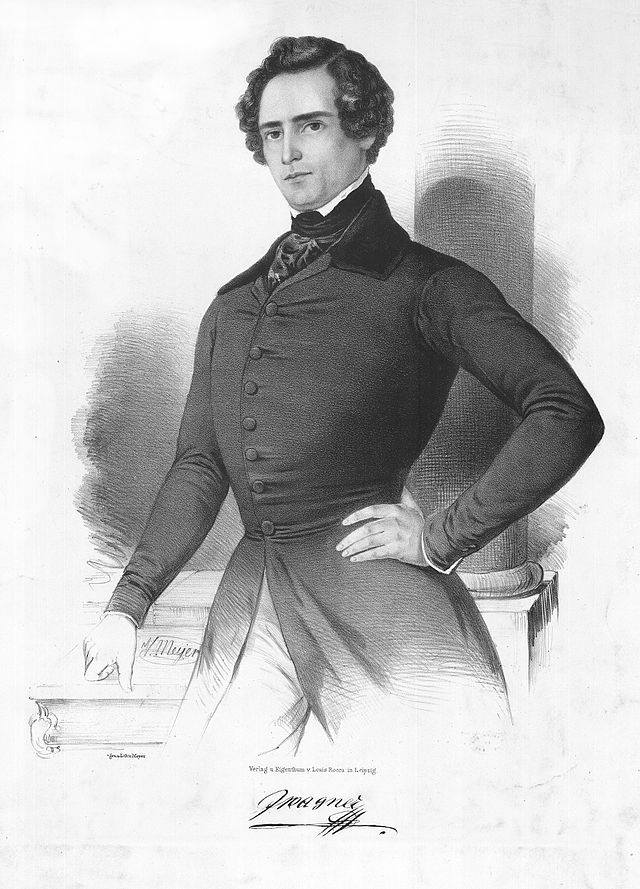
    Wagner’s Symphony in E will be featured tonight on “The Lost Chord,” alongside early attempts at symphonies by Gustav Holst and Claude Debussy – judging from their mature works, three figures perhaps least likely to attempt sonata form. Impetuous youth!

    Tune in, if you’re still up for it, this Sunday night at 11:00 EDT – one hour later than usual, thanks to the outrageous length of the opera – for “Bold Heads on Young Shoulders,” on WWFM – The Classical Network and on wwfm.org.


    IMAGES: Symphonies by the young (clockwise from left) Wagner, Holst and Debussy will be heard tonight on “The Lost Chord”

  • WRTI New Releases Temple Wind Symphony Concertos

    WRTI New Releases Temple Wind Symphony Concertos

    I’ll be sitting in for Mark Pinto for “New Releases” this afternoon on WRTI.

    Following close on the heels of the San Francisco Opera broadcast of Mozart’s “The Magic Flute” (which will conclude at around 3:40 EDT), I’ll be presenting music from the album “Wind Concerti,” recently issued on the BCM+D label – the resident label of Temple University’s Boyer College of Music and Dance – featuring contemporary American wind and brass concertos performed by the Temple University Wind Symphony with members of The Philadelphia Orchestra and faculty from the Boyer College.

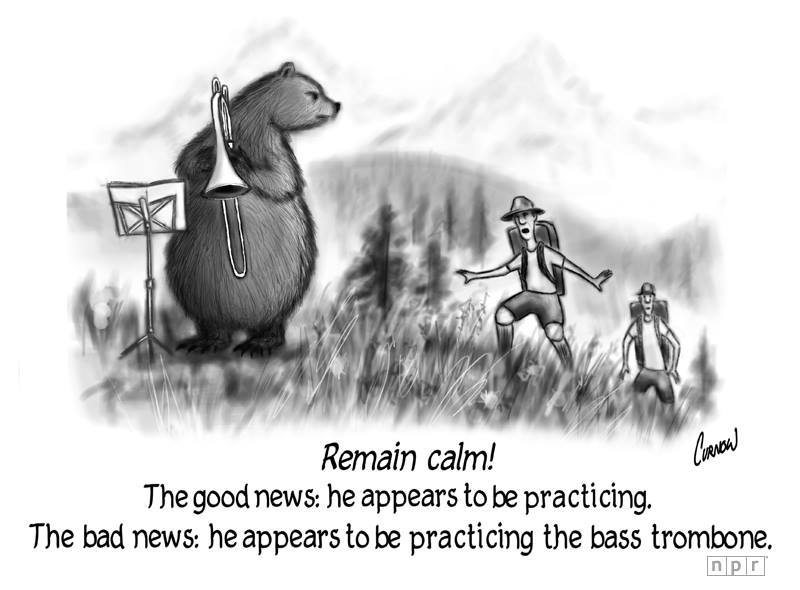
    The 2-CD set, which includes music by Anthony Plog, Joel Puckett, Jennifer Higdon, David Maslanka, and Adam Silverman, is a delight, and I can’t wait to share some of it with you. We’ll hear Jay Krush’s Concerto for Bass Trombone, a wholly engaging vehicle for an instrument rarely given such an opportunity to shine. The soloist will be Blair Bollinger of the Philadelphia Orchestra.

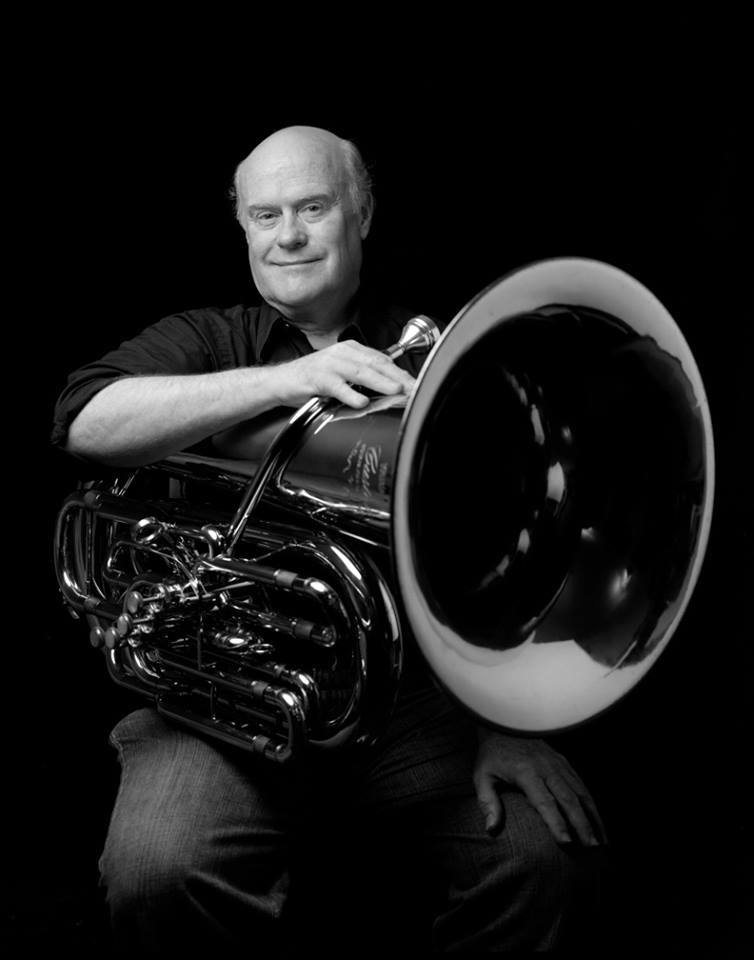
    Krush, whose own instrument is the tuba, is a founding member of the Chestnut Brass Company, with which he has performed for 36 years. He’s an artist in residence at the Boyer College. He also conducts the Temple University Contemporary Music Ensemble. Krush has composed over 70 works of his own, including two symphonies.

    I hope you’ll join me for that and more, until 5 p.m., at which time I will turn things over to Kile Smith and Jack Moore for this month’s edition of “Discoveries from the Fleisher Collection” and music of Enrique Granados. Find out more about it here:

    http://wrti.org/post/enrique-granados-had-just-conquered-america

    Tune in to WRTI, in Philadelphia at 90.1 FM, or online at wrti.org.

  • Jay Krush Trombone Concerto WRTI Philly

    Jay Krush Trombone Concerto WRTI Philly

    Playing right now: Jay Krush’s Concerto for Bass Trombone, with Blair Bollinger of the Philadelphia Orchestra and the Temple University Wind Symphony. I’ll be spinning the new releases until 5 p.m. on WRTI 90.1 FM and at wrti.org.

  • Teacher Movies A Soundtrack for Inspiration

    Teacher Movies A Soundtrack for Inspiration

    With everyone back to school, I thought now would be as good a time as any to celebrate the contributions of teachers. This week on “Picture Perfect,” we’ll have music from four films about extraordinary teachers.

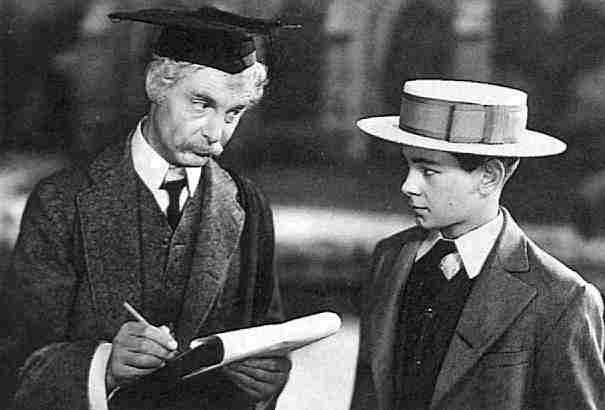
    Where else to start but with the sentimental classic “Goodbye, Mr. Chips” (1939)? Robert Donat, in his Oscar-winning role, is the aging teacher and eventual headmaster of a British boarding school. Greer Garson is the transformative love of his life. The composer was Richard Addinsell – he of the “Warsaw Concerto” fame. For the film, Addinsell created a “Brookfield School” song, which features prominently.

    Mr. Chips’ influence extends well beyond the generations of appreciative students he taught. In fact, fifty years later, filmmakers were still returning to the “Chips paradigm” to move and inspire audiences.

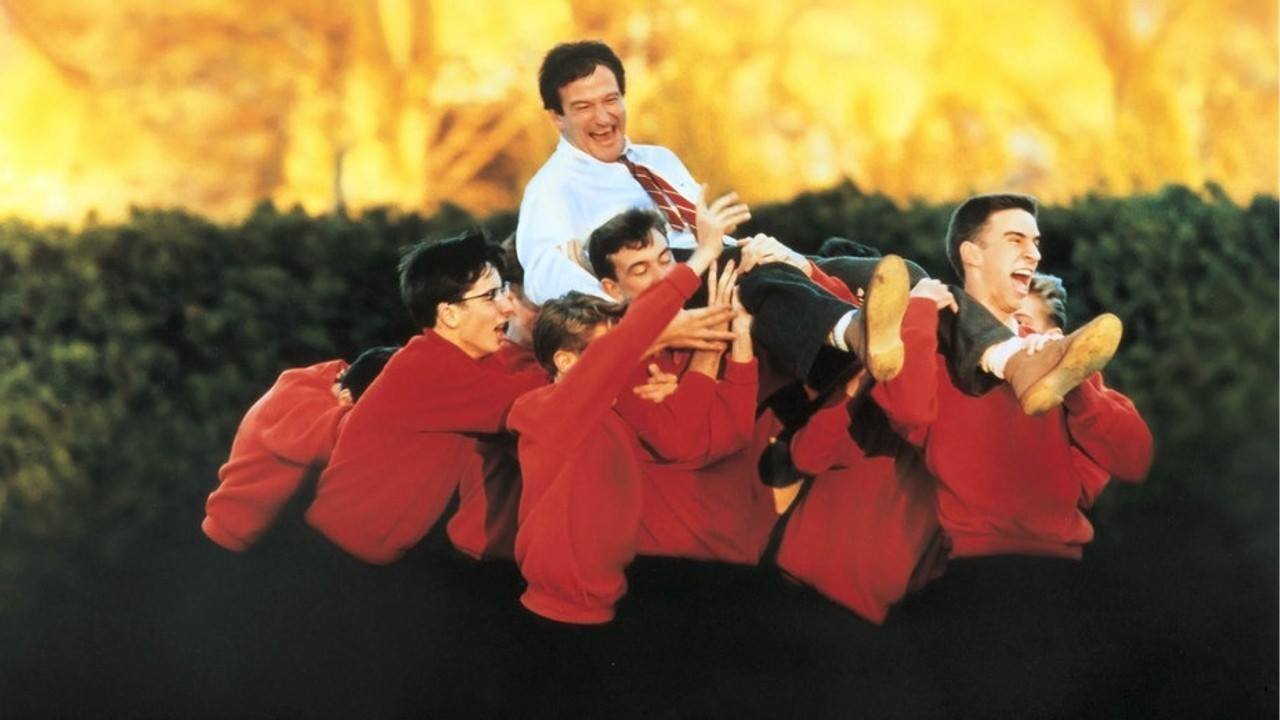
    Personally, I have a lot of problems with “Dead Poets Society” (1989), Peter Weir’s beautiful, but shallow take on the transformative powers of poetry. The film pays lip service to poetry’s life-altering potential, but then fails to credibly support its assertions. Instead – for me, anyway – it comes across as pretentious and manipulative. “Chips” may have pushed some buttons, but at least it earned the right.

    Robin Williams’ classroom lessons are entertaining, and the cinematography is beautiful, making me wish I were in private school. But “Dead Poets Society” is too literal. Nothing about it is transcendent or elevating, in a way Walt Whitman, whom the screenplay repeatedly invokes, would have recognized. For me, it just failed to “seize the day.” Audiences seem to love it, though, so who am I to criticize? The music is by Maurice Jarre.

    We’ll take a rather ambitious field trip to the Soviet Union then, for “Alone” (1931), which tells the tale of a young teacher, who imagines she’s about to be assigned to a class of neat, obedient, city schoolchildren. Instead, she is sent to work in Siberia, where she faces some understandably daunting challenges.

    The film’s score is by none other than Dmitri Shostakovich. Shostakovich was very active in the cinema, from the time he was a teenager, actually playing piano in a movie theater. He went on to write original music for some 40 films, most of it sadly neglected, especially in the West.

    Finally, “Mr. Chips” is updated for the ’90s, in the Richard Dreyfuss film “Mr. Holland’s Opus” (1995). Dreyfuss plays a high school music teacher who faces a number of personal setbacks over the years, yet quietly manages to influence the lives of his students, while denying his private ambitions as a composer.

    It’s another unabashed button-pusher, yet the film possesses a certain sincerity that’s lacking in “Dead Poets Society.” It does, however, have one fatal flaw. When Mr. Holland’s “opus” – the so-called symphony he has worked on his entire life – is finally heard at the end of the film, it is woefully unconvincing. Instead, we’ll enjoy selections from the film’s underscore, which is by Michael Kamen.

    It’s worth mentioning that, in 1996, Kamen established The Mr. Holland’s Opus Foundation, to support music education through the donation of new and refurbished musical instruments to underserved school and community programs and individual students, a beautiful gesture.

    Okay, class dismissed. We’ll reconvene at 6:00 EDT. Attendance will be taken on WWFM – The Classical Network and at wwfm.org.
  • Teacher Movies and Classical Music WWFM

    Teacher Movies and Classical Music WWFM

    “Picture Perfect” gets pedantic. In just a few minutes, I’ll weigh in on the relative merits of four movies about teachers. Oh yeah, and we’ll hear some music, too, by Richard Addinsell, Maurice Jarre, Dmitri Shostakovich, and Michael Kamen. Class begins at 6:00 EDT, on WWFM – The Classical Network and at wwfm.org

Tag Cloud

Aaron Copland (93) Beethoven (95) Composer (114) Film Music (139) Film Score (143) Film Scores (255) Halloween (94) John Williams (195) KWAX (229) Leonard Bernstein (103) Marlboro Music Festival (125) Movie Music (154) Mozart (89) Opera (210) Philadelphia Orchestra (89) Picture Perfect (174) Princeton Symphony Orchestra (108) Radio (88) Ross Amico (244) Roy's Tie-Dye Sci-Fi Corner (290) The Classical Network (101) The Lost Chord (268) Vaughan Williams (103) WPRB (396) WWFM (881)

DON’T MISS A BEAT

Receive a weekly digest every Sunday at noon by signing up here


RECENT POSTS