Tag: Film Score

  • Harry Potter Music Magic John Williams

    Harry Potter Music Magic John Williams

    Lumos Solem!

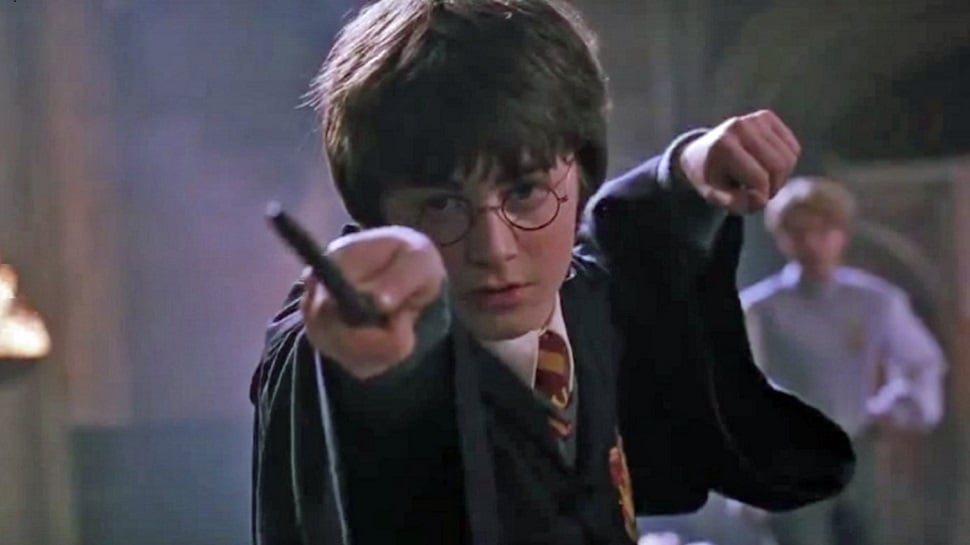
    This week on “Picture Perfect,” with Halloween right around the corner, enjoy selections from John Williams’ music for “Harry Potter and the Sorcerer’s Stone,” “Harry Potter and the Chamber of Secrets,” and “Harry Potter and the Prisoner of Azkaban.”

    La-La Land Records has compiled every last note as heard in the films, alternate takes, source music, trailer music and teaser ads, and a never-before-released concert suite – eight hours of music on seven CDs – remastered in a limited edition boxed set of 5000 copies.

    John Williams is the last of the big screen wizards. Get ready for an hour of pure magic, this Friday evening at 6:00 EDT, on WWFM – The Classical Network and wwfm.org.

  • Planet of the Apes Box Set Soundtrack Review

    Planet of the Apes Box Set Soundtrack Review

    I was all set to crow to you guys when this set arrived in the mail the other week. All five scores for the original “Planet of the Apes” movies, newly restored and remastered, on CD!

    But then I felt sick reading about and looking at images of the rainforest in flames, and under the circumstances I thought it would be a little crass.

    Upon further reflection, however, I’ve come to realize that nothing could be more appropriate, as human civilization is playing out just as the “Apes” movies forecast. The “Apes” movies were all thinly veiled allegories about all the ways humans are idiots – violent, acquisitive, xenophobic, racist, and irredeemably destructive.

    Our demise is inevitable – but at least for now, we have this lovingly restored, limited edition boxed set from La-La Land Records.

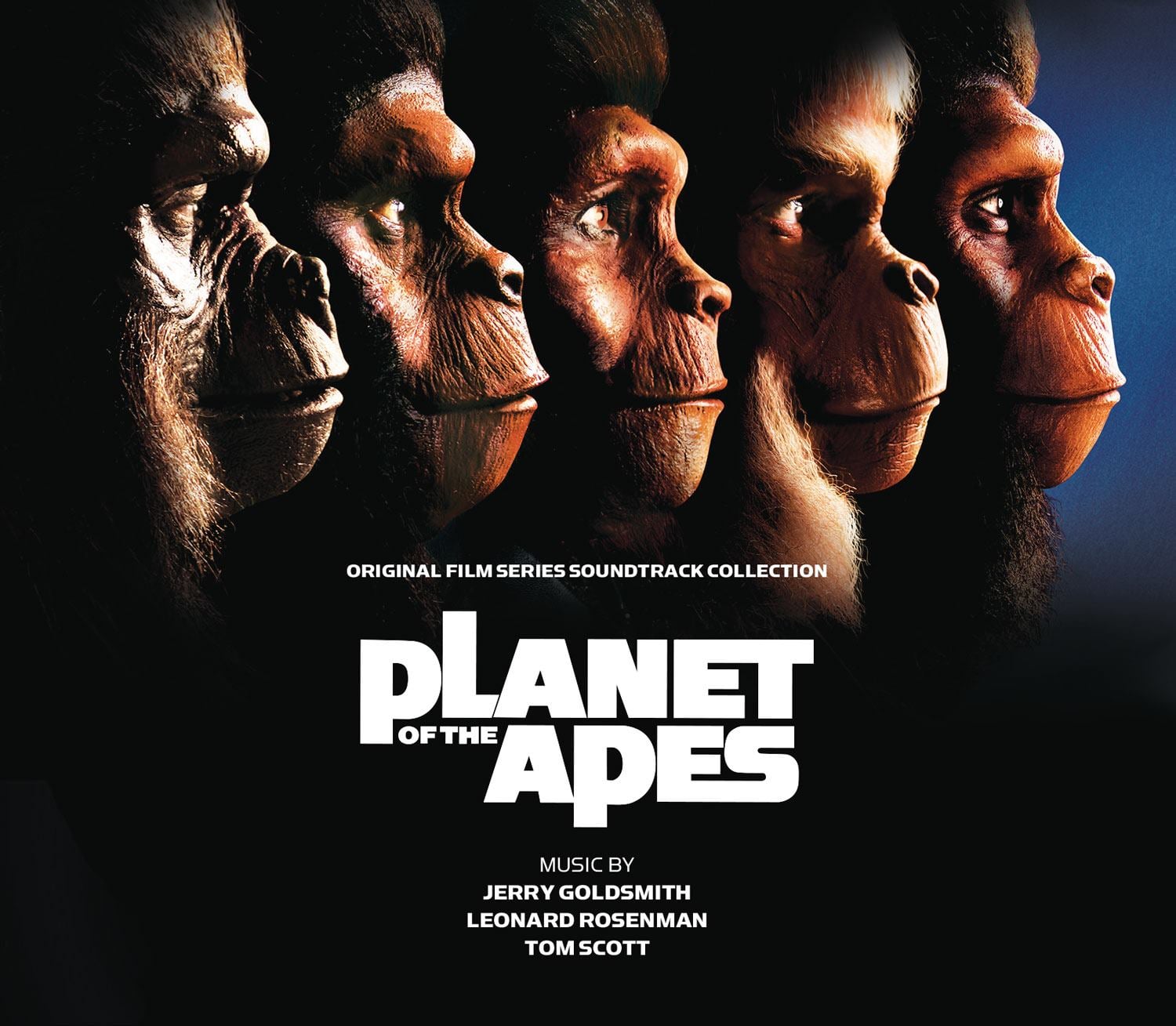
    This week on “Picture Perfect,” I’ll share the bounty, as we sample music from “Planet of the Apes” (1968),” “Beneath the Planet of the Apes” (1970), “Escape from the Planet of the Apes” (1971), “Conquest of the Planet of the Apes” (1972), and “Battle for the Planet of the Apes” (1973). Composers will include Jerry Goldsmith, Leonard Rosenman, and Tom Scott.

    Has there ever been a more nihilistic series pitched to a family audience? From the era of Flower Power, the Vietnam War, and the Nixon administration, “Planet of the Apes” was the ultimate bad trip. It’s easy to view these films as silly, escapist fare, but half a century later, the themes, subtexts and overarching message of “Planet of the Apes” remain disconcertingly relevant.

    Keep your filthy paws off me, you damn dirty apes! Yes we have no bananas, on “Picture Perfect” – music for the movies – this Friday evening at 6:00 EDT, on WWFM – The Classical Network and wwfm.org.

  • Conan’s Score How Music Elevates Silly Films

    Conan’s Score How Music Elevates Silly Films

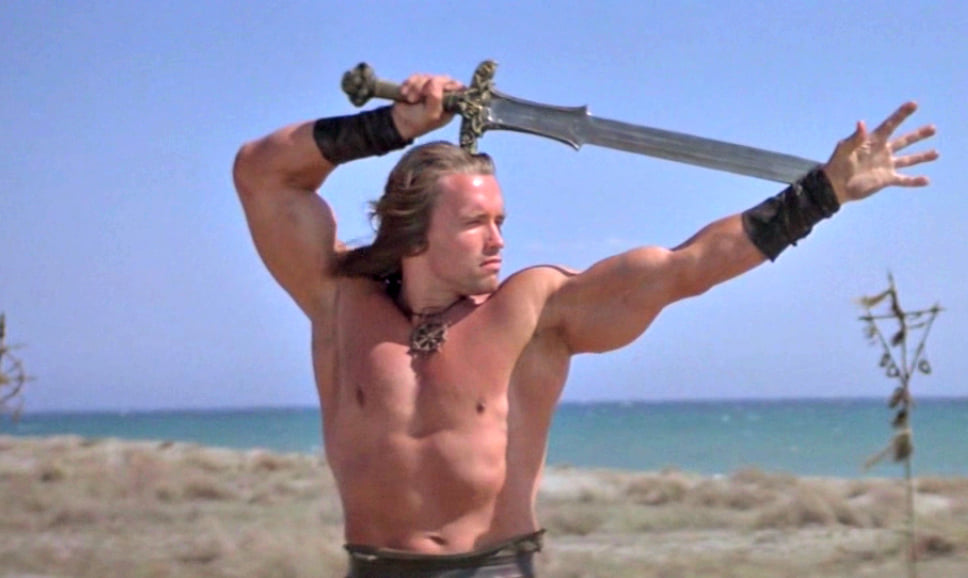
    How a good film score can improve a very silly movie: Basil Poledouris conducts “Battle of the Mounds” from “Conan the Barbarian,” with the film, in Spain, on July 22, 2006. Poledouris, who always got a charge out of conducting this music, would succumb to cancer less than four months later.

    For anyone who actually tuned in a little before “Picture Perfect” yesterday hoping to hear an amazing organ transcription of Poledouris’ “Conan,” as advertised, I apologize. The disc actually disappeared into the bottom of my radio bag, and I thought I had forgotten it at home. Fortunately, that too can be found on YouTube.

    “Crom, I have never prayed to you before. I have no tongue for it. No one, not even you, will remember if we were good men or bad. Why we fought, or why we died. All that matters is that two stood against many. That’s what’s important! Valor pleases you, Crom… so grant me one request. Grant me revenge! And if you do not listen, then to HELL with you!”

  • Jerome Moross Big Country and Beyond

    Jerome Moross Big Country and Beyond

    It’s a big country.

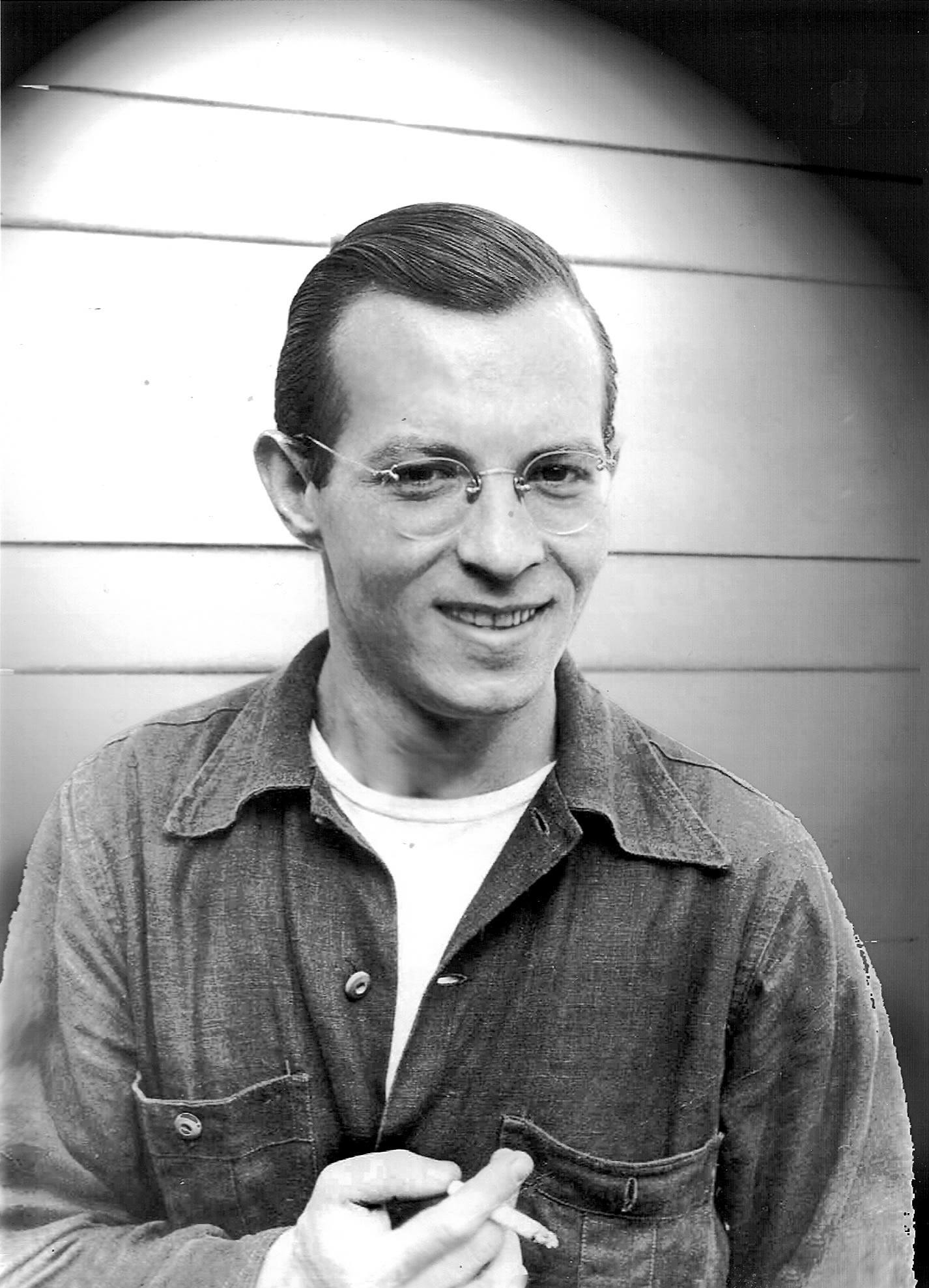
    When “Porgy and Bess” concluded its New York run in 1935, George Gershwin invited Jerome Moross to join the show, on tour, as a pianist. It was while on a bus trip to Los Angeles to participate in “Porgy’s” west coast premiere that the 23 year-old made a stop in Albuquerque.

    “[A]s we hit the Plains I got so excited,” Moross recollected. “. . .[T]he next day I got to the edge of town and then walked out onto the flat land with a marvelous feeling of being alone in the vastness, with the mountains cutting off the horizon. The whole thing was just too much for me . . . it was marvelous, and I just fell in love with it.”

    The experience served him well, as some of his most famous music, the Academy Award-nominated score for “The Big Country,” enshrines that sense of wide-open excitement in the face of sweeping vistas. Western high-spirits and American jazz color most of Moross’ output, whether for the silver screen, musical theater, or concert hall.

    At home in all forms, Moross composed concert music (including a symphony for Beecham), ballet (“Frankie and Johnny,” with female vocal trio), musical theater (the cult classic “The Golden Apple,” including the evergreen “Lazy Afternoon”), opera (“Sorry, Wrong Number”), and of course classic film scores (his magnum opus, “The Big Country”).

    Happy birthday, Jerome Moross. You tackled everything with exuberance and vitality.


    “The Big Country” (with a young John Williams in the orchestra, on piano):

    “Lazy Afternoon,” sung by Kaye Ballard from the 1954 original cast recording:

    The Sonata in G major for Piano Duet and String Quartet:

  • Copland’s Hollywood Struggles & Triumphs

    Copland’s Hollywood Struggles & Triumphs

    The star-spangled glare of American music doesn’t just end with the Fourth of July fireworks. This week, on “Picture Perfect,” we’ll bask in the pyrotechnic after-glow of Independence Day with an hour of film music by Aaron Copland.

    Despite his reputation as the “Dean of American Composers,” and the eventual acceptance into concert halls of his film music classics “Our Town” and “The Red Pony,” Copland’s experiences in Hollywood were not all peaches and cream. After all, if you want to work in the film industry, you’ve got to expect that once in a while somebody’s going to mess with your work, even if you’re a Pulitzer Prize winner.

    In particular Copland was not very happy with what they did to his music for “The Heiress.” Carefully-crafted cues were chopped to ribbons, dialed down and rescored without his approval. William Wyler (“Wuthering Heights,” “Friendly Persuasion,” “The Big Country,” “Ben-Hur”) was a brilliant director, but he must have had a tin ear. His films consistently sported some of the best scores of their respective eras, and yet he mostly underappreciated, if not outright disliked, their music.

    “The Heiress” was made fresh off of Wyler’s runaway success with “The Best Years of Our Lives.” The film, based on Henry James’ “Washington Square,” was nominated for eight Academy Awards. It won four, including Oscars for Olivia De Havilland and for Copland’s score, which is so strong it manages to maintain its integrity despite all of the studio tinkering.

    Wyler insisted Copland work the song “Plaisir d’Amour” into the fabric of his music, which he artfully did in three cues. But that wasn’t good enough. Without Copland’s knowledge, the main title was replaced with a garish arrangement of “Plaisir,” which was also looped in for some of the love music. André Previn, in 1949 already one of Hollywood’s bright young talents, likened the return of Copland’s original thoughts following these interpolations to “suddenly finding a diamond in a can of Heinz beans.”

    When Copland’s contribution was recognized by the Academy, it was the only instance up to that time of a score being honored after being shorn of its main title, the part of a score that generally makes the biggest impression. Copland never bothered to collect his award. “The Heiress” would be the last time he would work in Hollywood.

    He did compose one more film score, however, for the 1961 independent film, “Something Wild,” which contains some of his most insistently non-commercial music. Occasionally brutal and often thrilling, its character is worlds away from the pastoral tranquility of “Appalachian Spring.” It’s a brilliant piece of work, yet it did not receive a commercial release until 2003.

    We’ll sample music from these two underappreciated classics, as well as from the controversial pro-Soviet film “The North Star;” also a bit from the 1939 World’s Fair documentary “The City.”

    Extend your holiday weekend with a cold cone of Aaron Copland classics on “Picture Perfect,” music for the movies, this Friday evening at 6:00 EDT, on WWFM – The Classical Network and wwfm.org.
Tag Cloud

Aaron Copland (92) Beethoven (95) Composer (114) Film Music (123) Film Score (143) Film Scores (255) Halloween (94) John Williams (187) KWAX (229) Leonard Bernstein (101) Marlboro Music Festival (125) Movie Music (138) Opera (202) Philadelphia Orchestra (89) Picture Perfect (174) Princeton Symphony Orchestra (106) Radio (87) Ralph Vaughan Williams (85) Ross Amico (244) Roy's Tie-Dye Sci-Fi Corner (290) The Classical Network (101) The Lost Chord (268) Vaughan Williams (103) WPRB (396) WWFM (881)

DON’T MISS A BEAT

Receive a weekly digest every Sunday at noon by signing up here


RECENT POSTS